Custom drinkware project intake
Request a Custom Drinkware Quote
Send BG Drinkware an RFQ with product type, capacity, material, estimated quantity, branding method, packaging, destination and target timing—mark undecided items as open so the first review separates fixed requirements from open specs. Related: sampling, customization, product catalog.
Not sure which product fits? Browse the product directory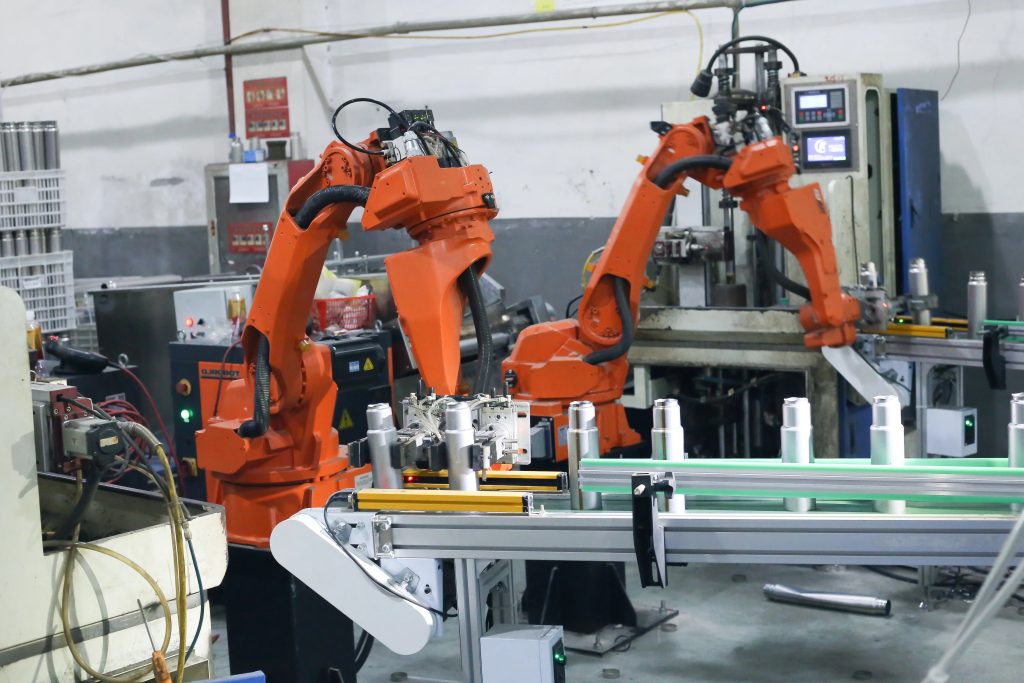
Build your project brief
Before you send a brief, you can see our customer cases and test reports.
Complete the fields you can and use the project details field to describe requirements that need discussion.
Prefer email? Send an existing project brief to ran@bluegreencup.com with product references, estimated quantity, destination and target timing.
Your contact and project details are used to respond to this inquiry. Review our Privacy Policy.
What should an RFQ include?
Use the four areas below to organize your brief. Add product references or artwork where they help explain the requirements.
- Product direction
Define what the drinkware must do before choosing its final appearance.
- Product family and intended use
- Capacity range and preferred material
- Lid, handle, straw or accessory needs
- Commercial context
For example, a request for wholesale stainless steel water bottles should include the estimated quantity, destination and target timing. These details frame the project without finalizing an order.
- Estimated order quantity
- Destination market and sales channel
- Target timing and fixed constraints
- Brand presentation
For custom tumblers with a logo, for example, include the artwork, placement and print size. Review decoration and packaging together.
- Logo artwork and placement
- Color and surface finish direction
- Retail box, labeling and carton needs
- Approval priorities
State what the sample or production discussion must confirm for your team.
- Sample questions and artwork readiness
- Inspection expectations
- Known document requirements
How does an RFQ guide production?
An RFQ should connect product construction, decoration, packaging and destination requirements in one brief. Each detail guides a different production decision. The three areas below show what to provide before the factory can discuss sampling, preliminary pricing or production planning clearly.
Product route and components
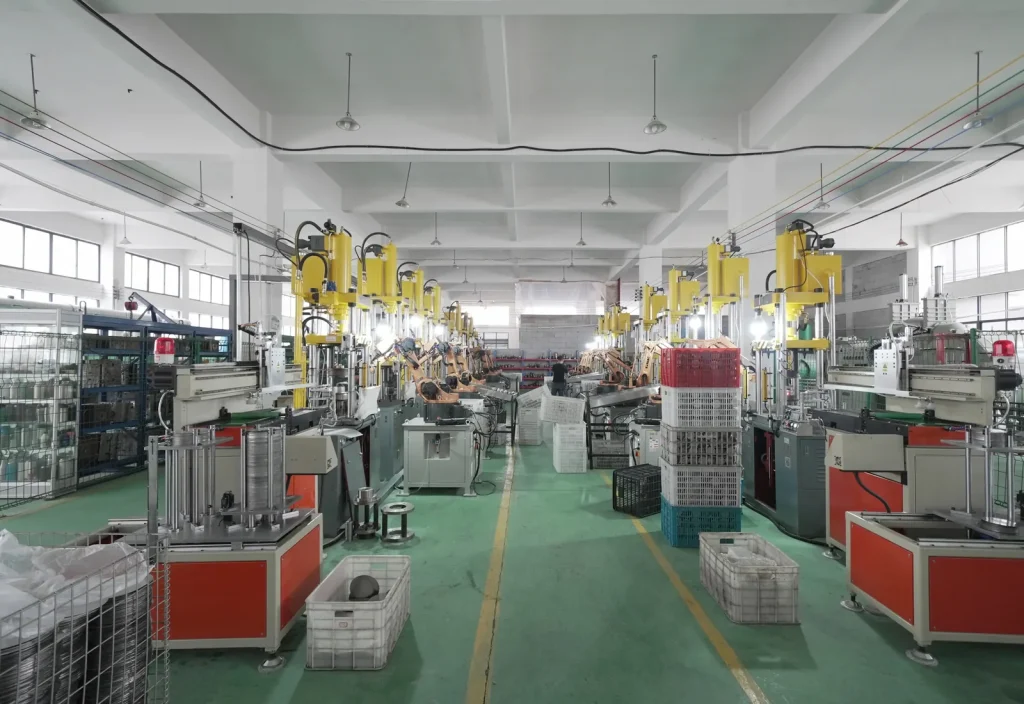
Share the intended use, product family, capacity, material and required components. BG Drinkware uses this information to identify a workable route, check compatibility and flag construction questions before sampling. See the broader workflow on our manufacturing page.
Surface finish and artwork
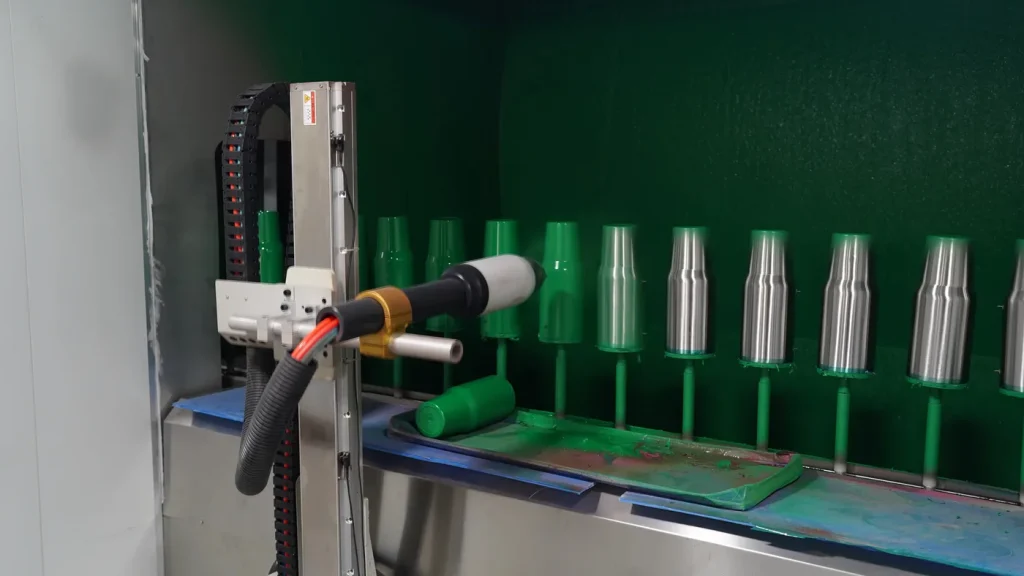
For water bottle customization, include logo files, placement, print or engraving preference, color direction and finish references. These details help match artwork limits to the selected material and surface process, reducing revisions before approval. Review the available routes on our customization page.
Packaging and destination
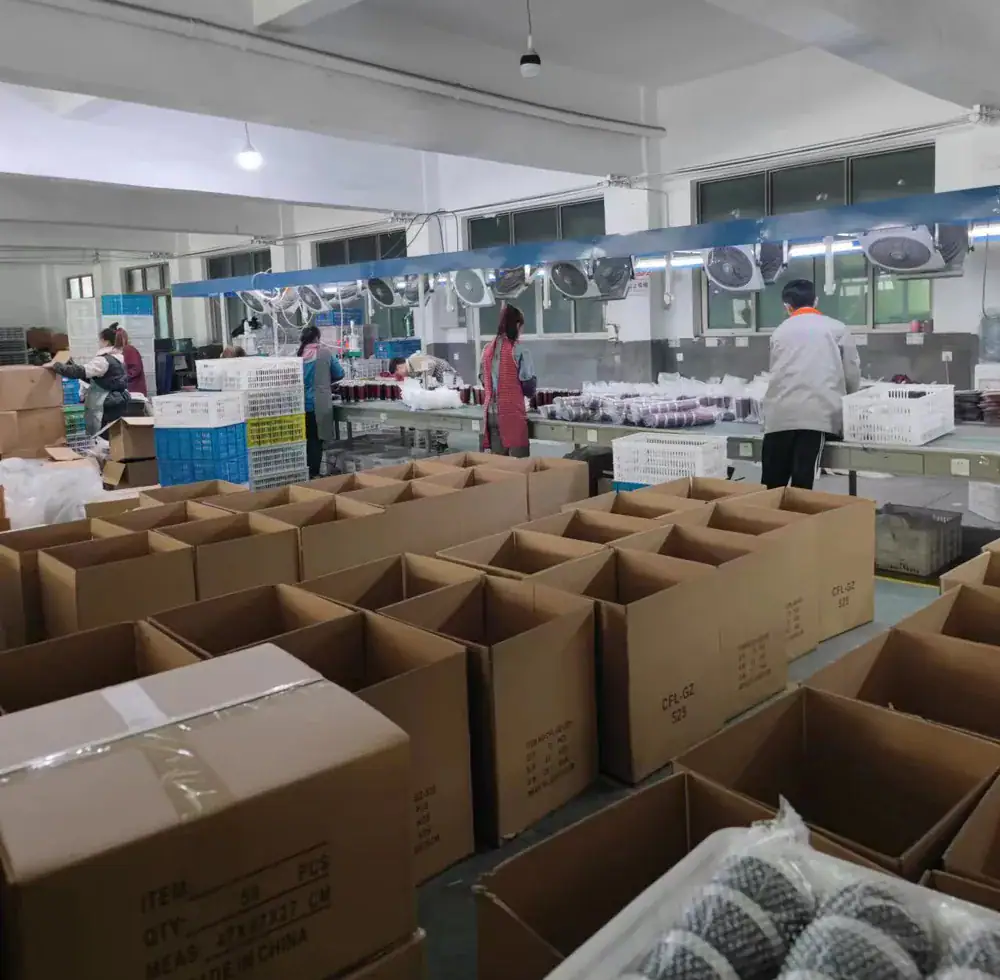
State the sales channel, unit-pack style, labels, carton marks, destination and target timing. These details connect presentation with packing and shipment preparation. They also reveal market-specific requirements before the packaging route is approved.
What happens after you submit an RFQ?
After you submit an RFQ, BG Drinkware checks project fit, flags missing specifications and defines the next decision. This review does not confirm final pricing, approve an order or commit production. It identifies the product, artwork, sampling, packaging and quality questions your team still needs to resolve.
Review project fit
The team reviews the product direction, quantity, customization, destination and target timing supplied in the brief.
Identify specification gaps
Open choices are grouped by product structure, components, finish, artwork, packaging and market requirements so the responsible buyer-side team can confirm them.
Define the next project route
The next discussion identifies whether the brief is ready for preliminary quotation details, needs product selection or should move toward artwork, sampling or quality review.
Quotation questions
Use these answers to decide what belongs in the first project brief.
What should my drinkware quotation request include?
Share the product family, use, material or capacity preference, estimated quantity, customization, packaging, destination and target timing. Add reference images or artwork when available. Mark unfinished decisions as open so BG Drinkware can separate fixed requirements from items that still need guidance in its response.
Can I request a quote without final artwork?
Yes. Start with a logo direction, rough artwork or visual reference. Final decoration still depends on the approved artwork, surface, color and product structure. Explain the branding position and sales channel so the factory can identify the remaining customization questions before final files are prepared.
Why do quantity and destination market matter?
Quantity and destination shape commercial and packing assumptions; they do not confirm final pricing or a production schedule. Quantity indicates project scale and the likely production route. The destination may affect packaging, labels and required documents, giving the first review enough context to identify missing information.
When should I request a custom drinkware sample?
Sampling can be reviewed after the product and customization direction is clear. The appropriate route depends on the selected model, artwork readiness and the decisions that need approval. Use the sampling process to understand what should be confirmed, then include the features, finish or packaging details that you want the sample discussion to verify.