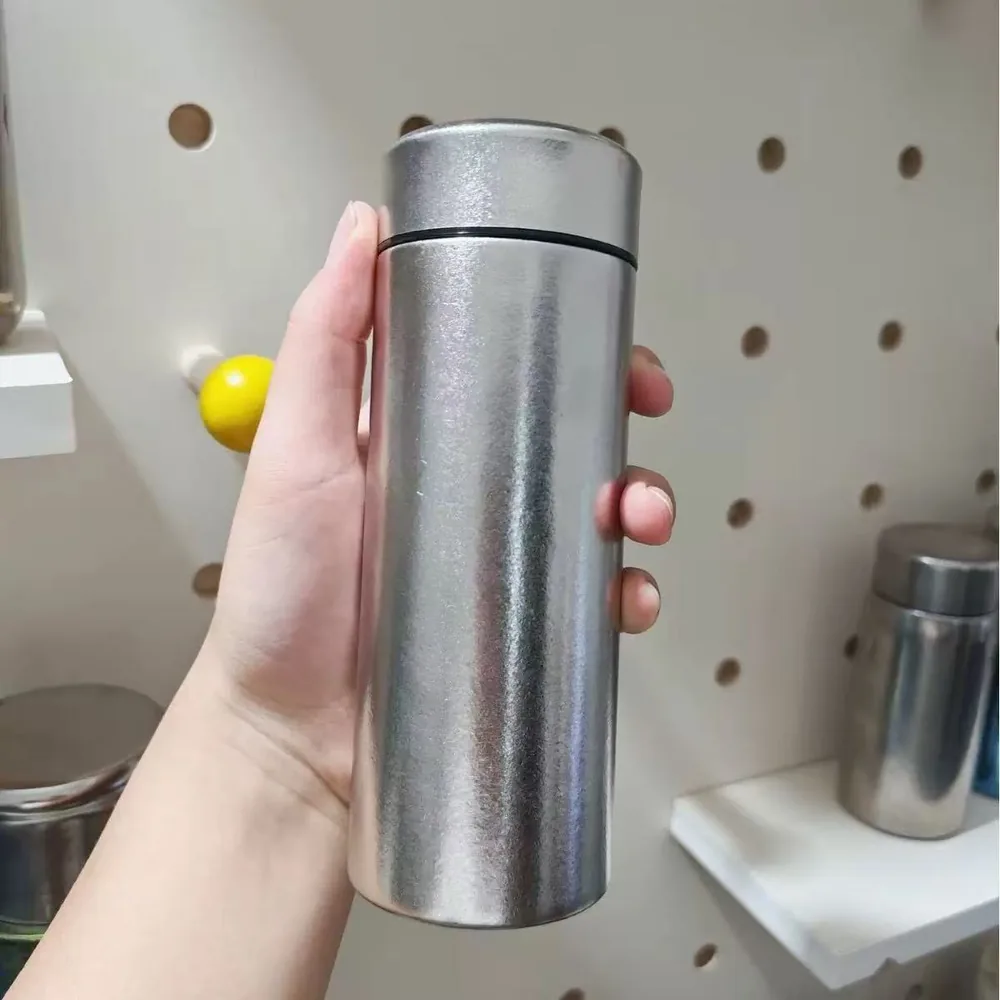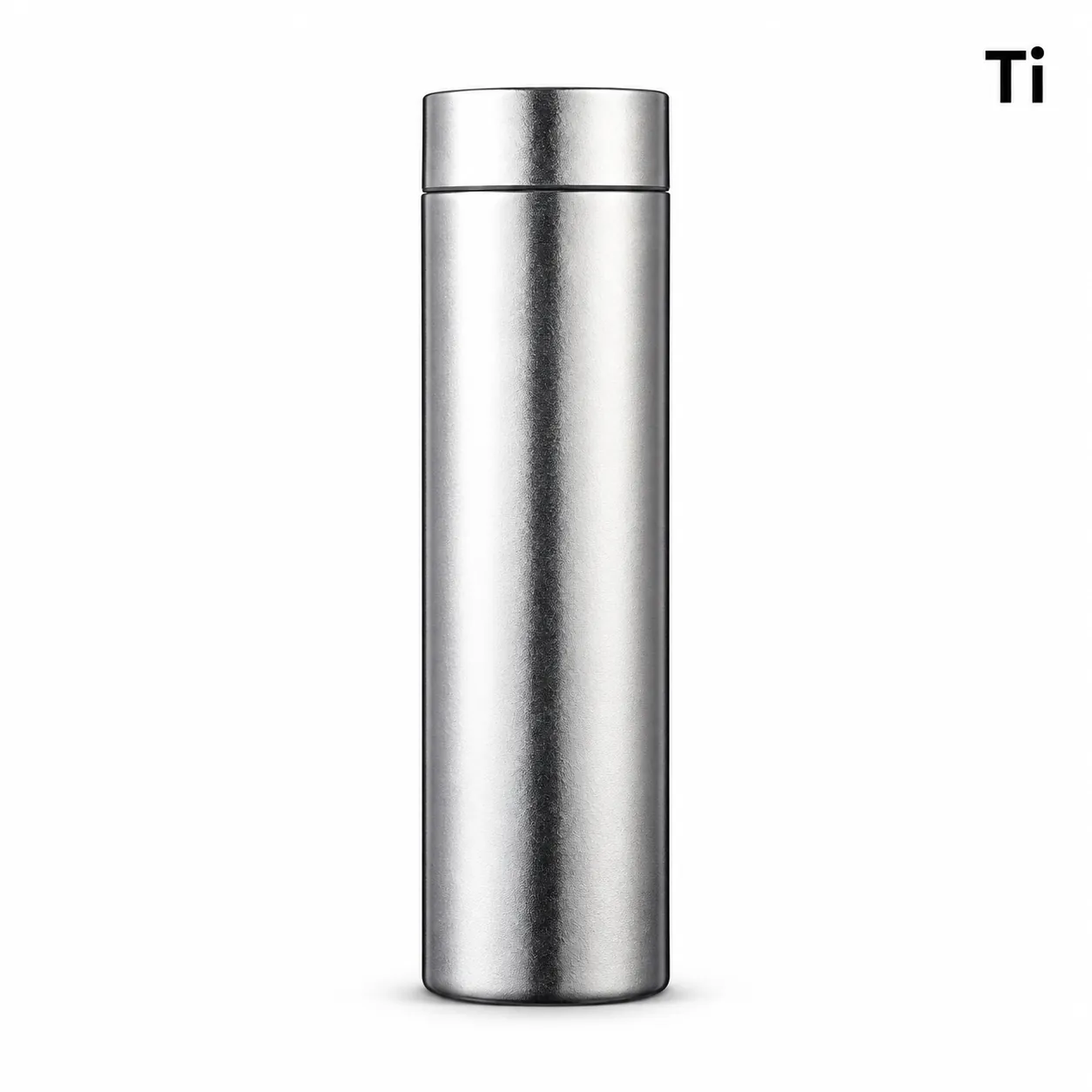
480ML · WATER BOTTLE
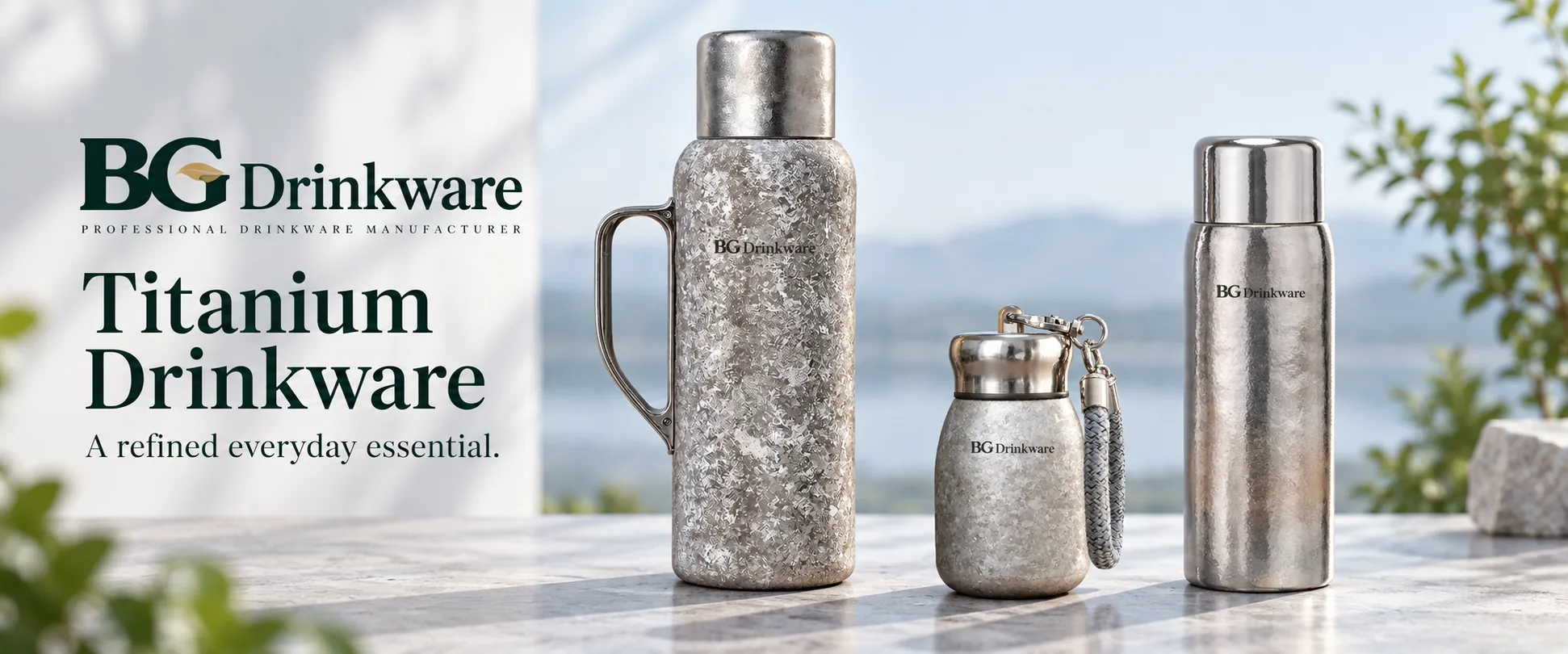
TITANIUM DRINKWARE · MATERIAL COLLECTION
Compare titanium bottles, cups and jugs by capacity, construction and assembled weight. Check which components are titanium before choosing a model.
PRODUCT CATALOGUE
Shortlist by use, capacity and lid. For a weight-focused project, request the weight of the complete model with its accessories—not the bare body.
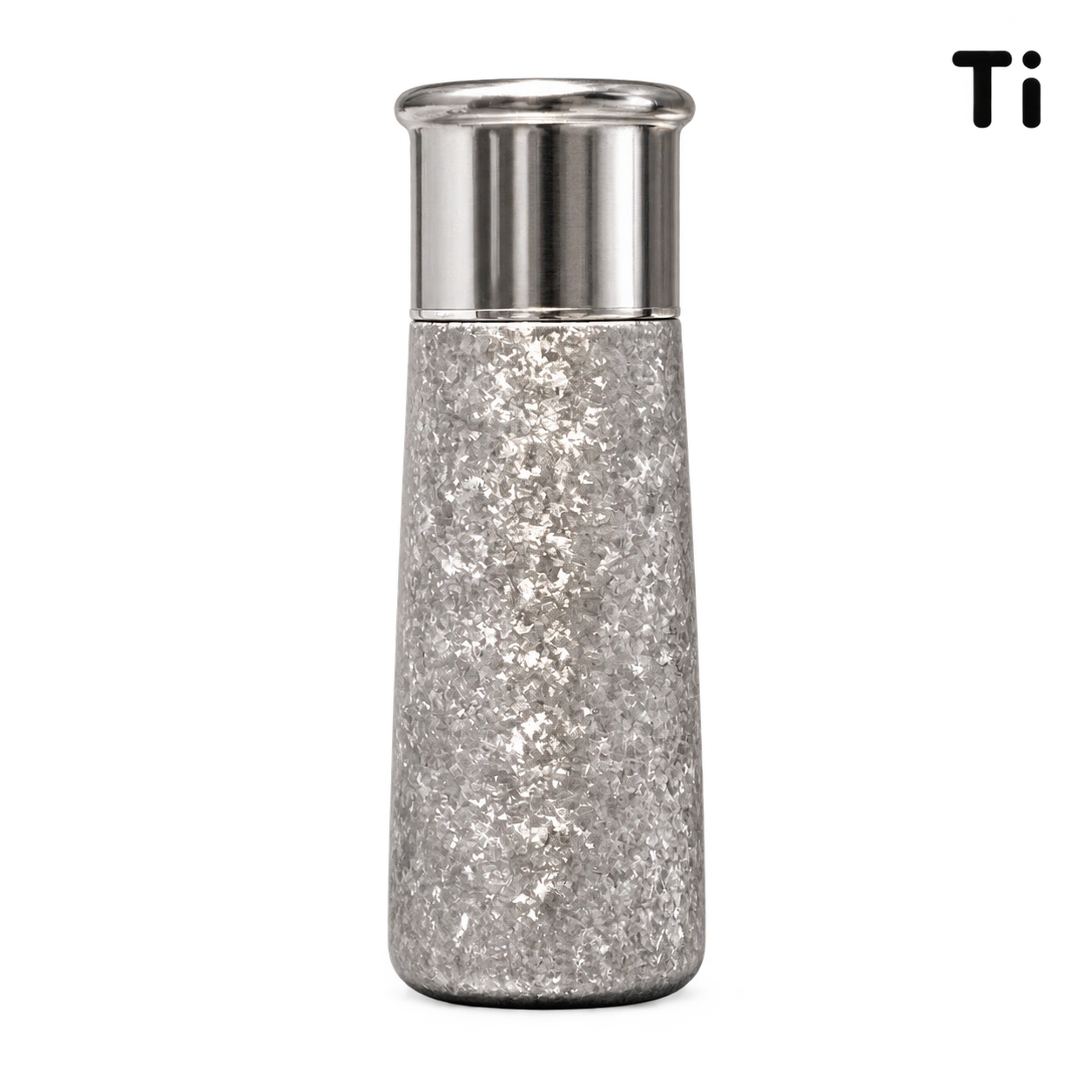
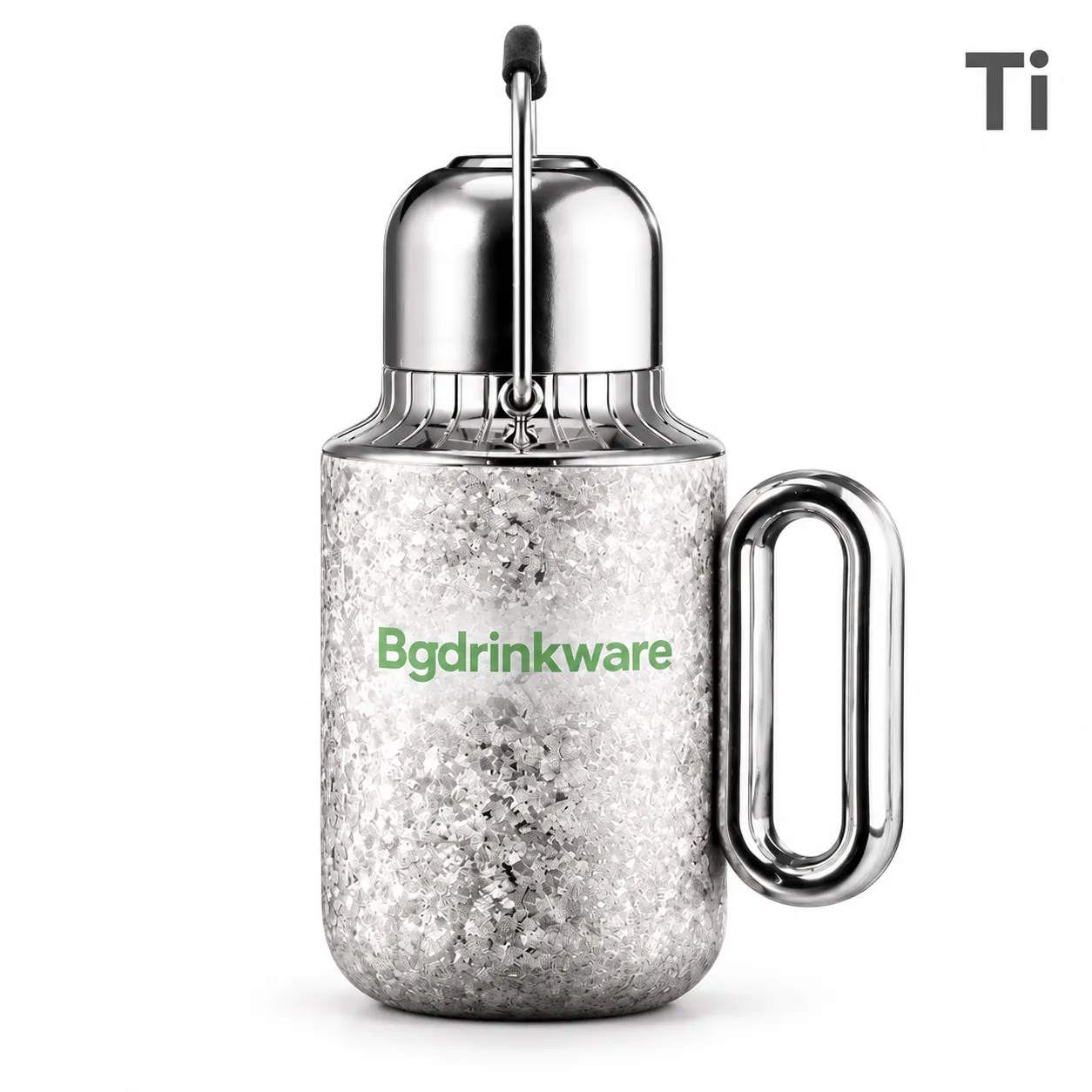
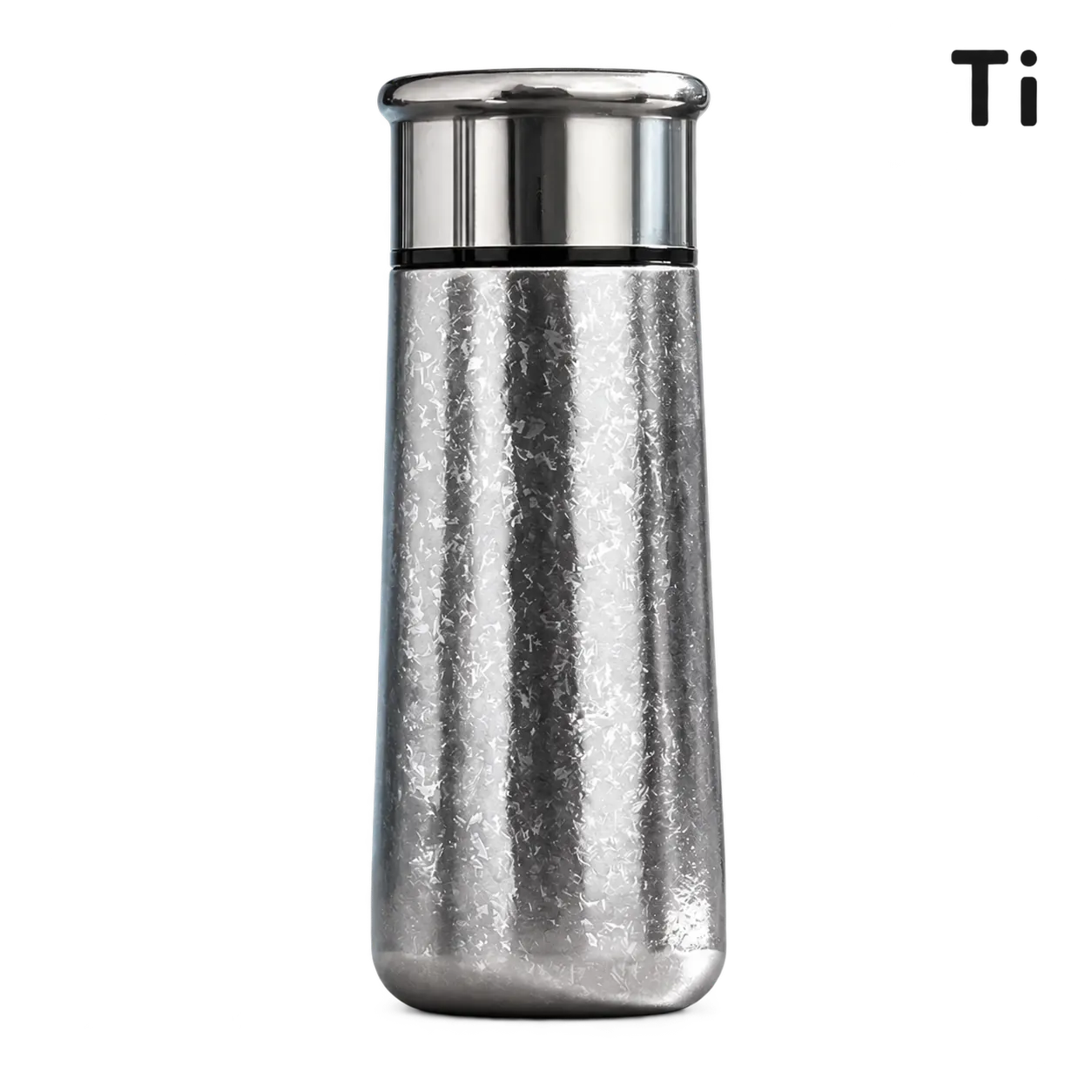
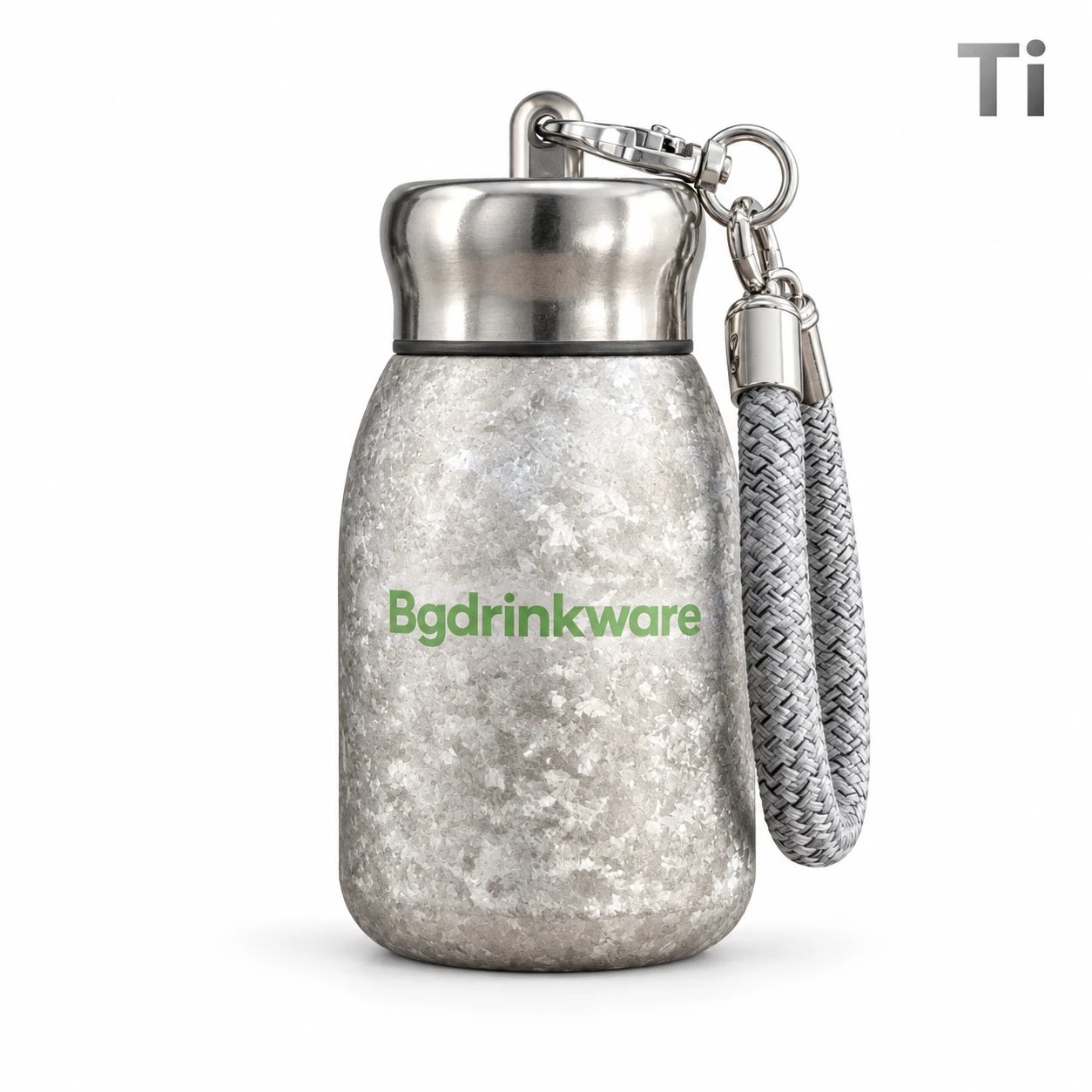

No products match these filters. Clear one or more filters to see the full range.
0 selected for your project brief.
SHORT ANSWER
Consider titanium when the brief prioritises a metal body and a defined carry-weight target. Compare complete samples with equivalent capacity, lids and wall construction. Choose the model only after checking which parts are titanium, the finished weight and the cost of the specified configuration.
Record beverage type, fill temperature, use setting, cleaning method and frequency. A material label cannot replace conditions of use.
State the wall arrangement and whether a vacuum is required. Double wall and vacuum insulated are not interchangeable descriptions.
Identify the inner vessel, outer body, lid contact pieces, base and other metal parts instead of assuming the whole assembly is identical.
Identify the accepted sample and any outstanding fit, finish, document or test requirement.
START WITH THE BODY
A single-wall titanium bottle and an insulated titanium water bottle solve different briefs. Confirm the model’s wall and vacuum construction; do not infer thermal retention from “double wall” alone.
Use the selector to compare routes; confirm the final construction on the shortlisted model.
Useful where the brief values a straightforward metal body and does not require an insulated cavity. Confirm handling temperature, condensation and the final assembled weight.
Two walls describe a construction, not a guaranteed thermal result. Record the cavity design, joined areas, base treatment and test expectations.
If vacuum insulation is requested, define the complete-bottle test method, starting conditions, duration, lid configuration and acceptance limit.
Start with beverage type, handling temperature, capacity, lid, surface, finished weight and sample checks.
PART-BY-PART REVIEW
Review the inner vessel, body, lid and seal separately. Ask which parts use titanium and how they are identified.
Approve appearance on the sample; verify material identity through the agreed designation and supporting records.
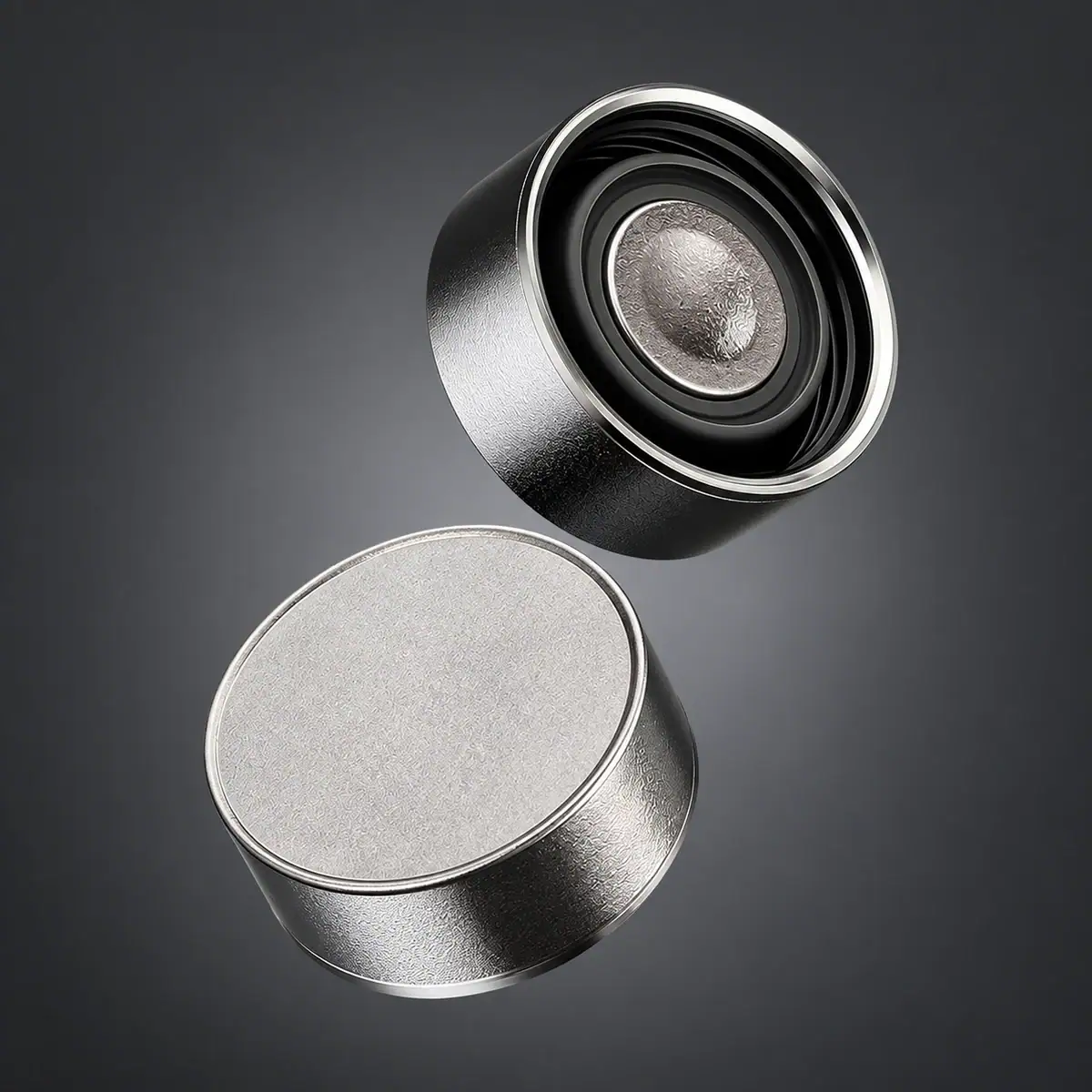
A lid may combine metal, polymer and seals. Identify beverage-contact surfaces, removable parts and cleaning access on the assembled sample.
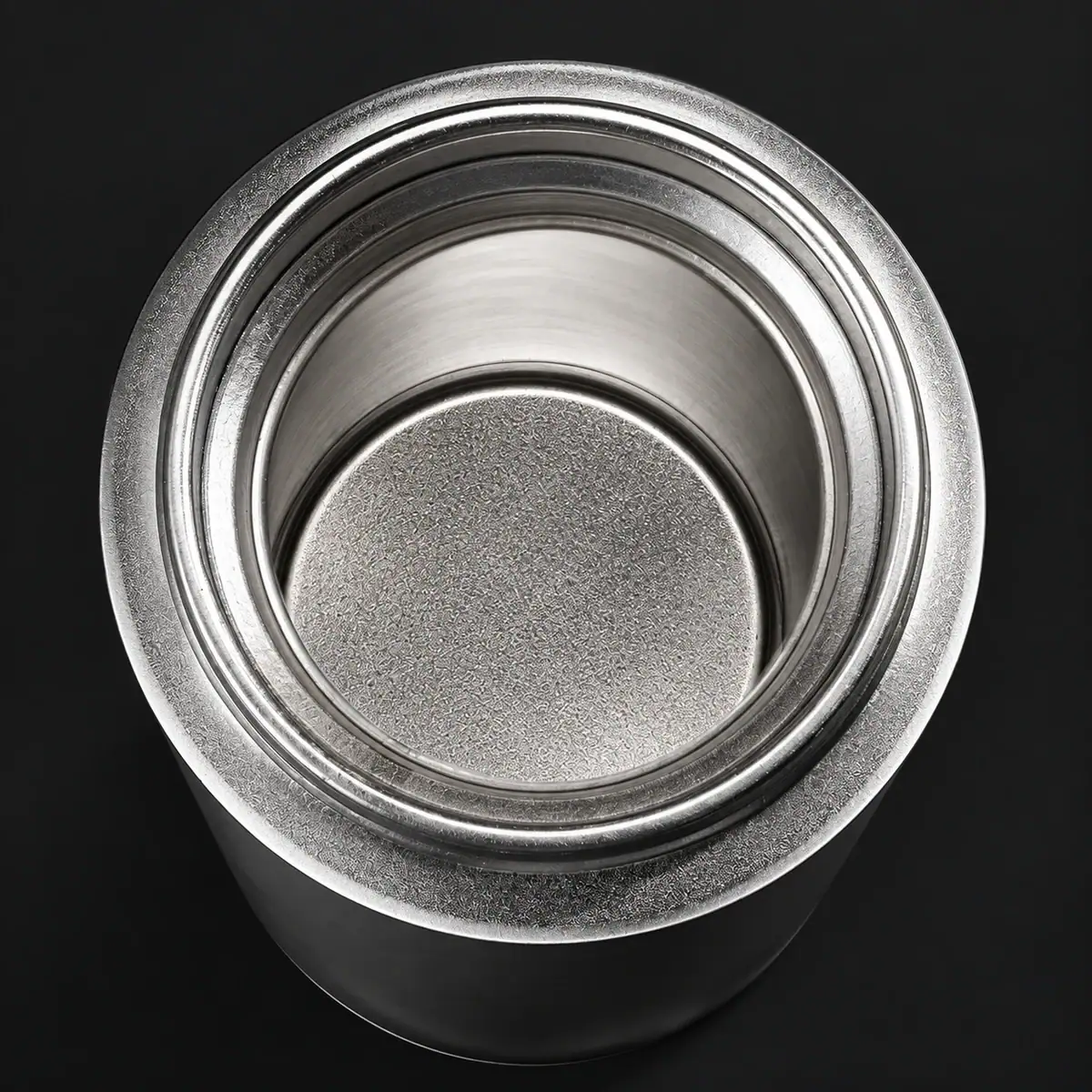
Check the rim, seams, cleaning access and inner-to-outer construction on the sample. Use the part list and material records to confirm the stated material.
FACTORY PATH
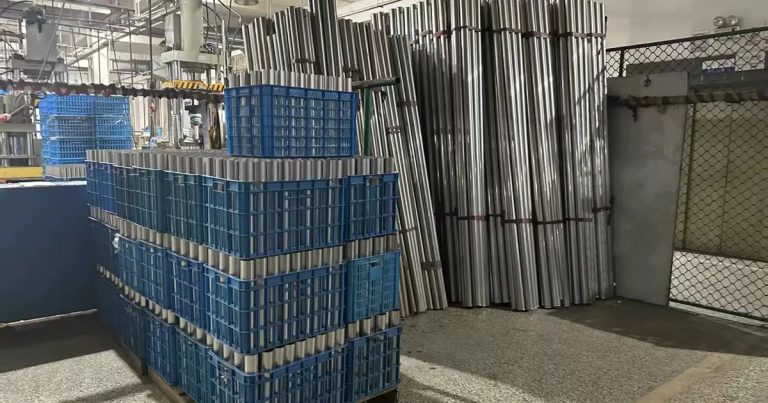
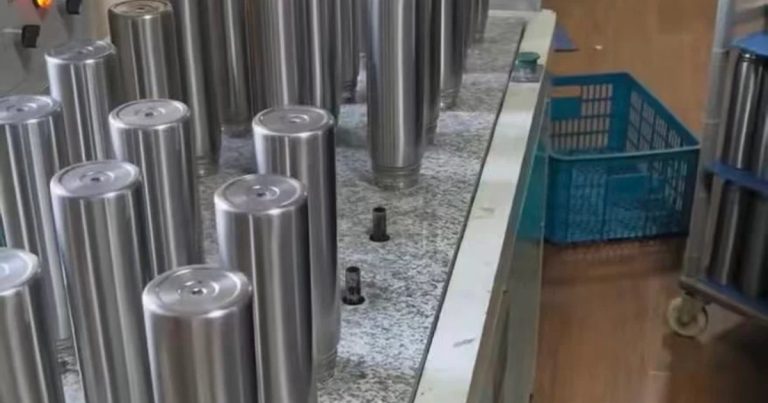
Check dimensions after forming, component fit at assembly and accessory count at packing. Each stage should use the same drawing, part list and sample revision.
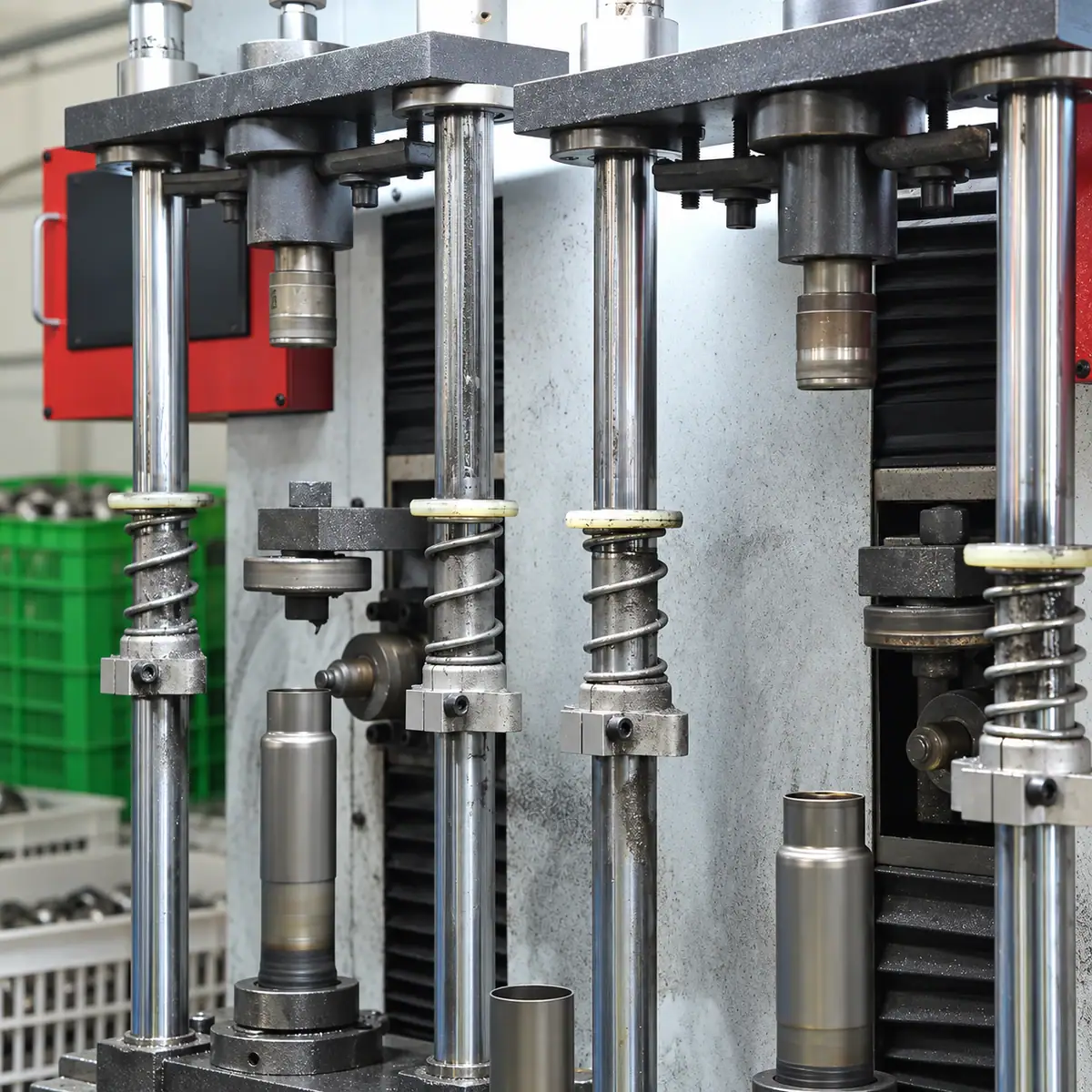
Mark critical diameters, height, rim and base dimensions on the drawing. Agree measurement points before reviewing formed parts.
Forming equipment and cylindrical metal bodies shown as process context.
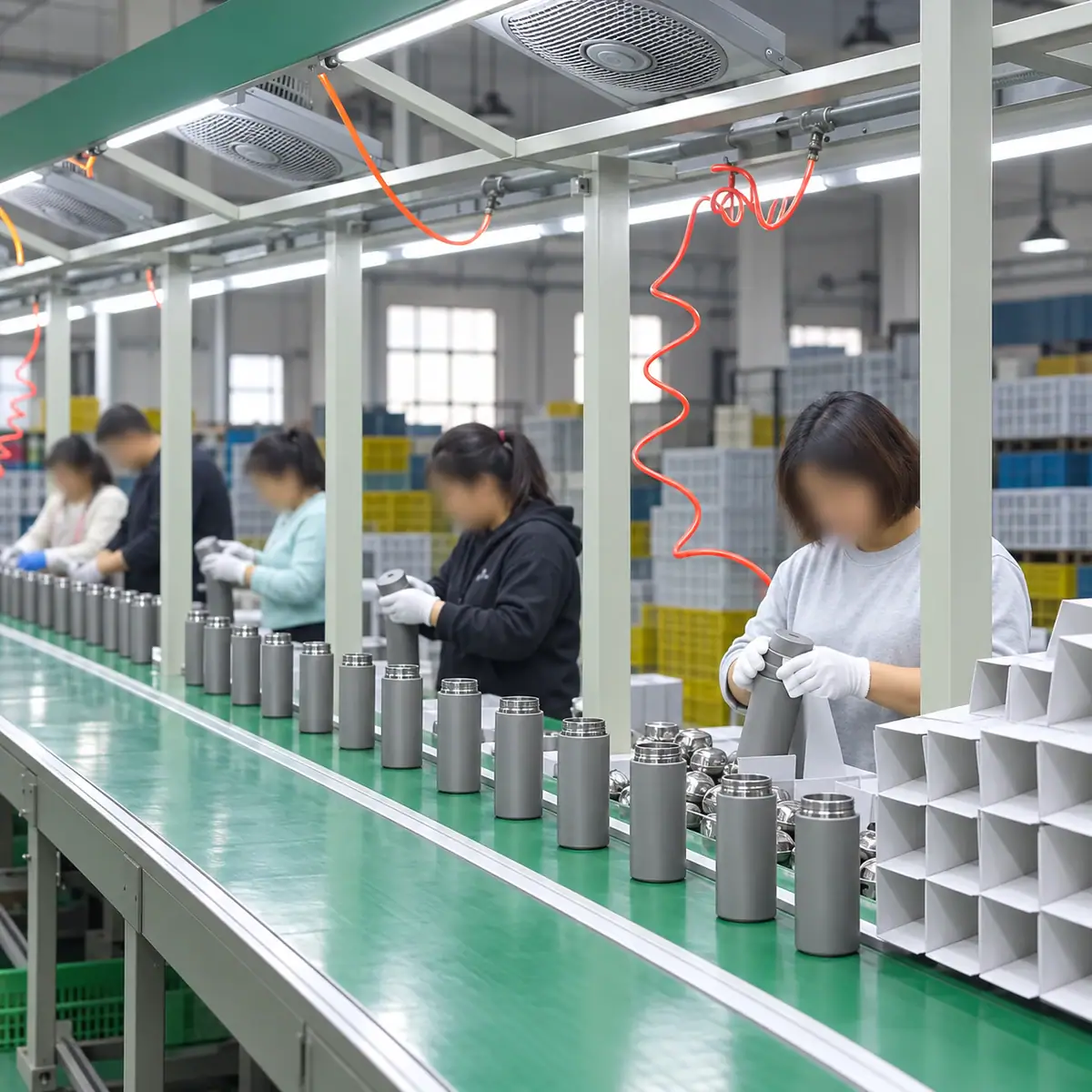
Review the final lid, seals, strap and inserts together. Check accessory count and surface protection in the packed sample.
Packaging-line view with worker identities obscured. Final order requirements remain project-specific.
Titanium drinkware is made from pure titanium, a metal that is lighter than stainless steel, resists corrosion and is known for not adding a metallic taste. BG Drinkware, a drinkware manufacturer in Yongkang, China, makes pure titanium drinkware in single and double wall, with 10 models from 150 ml to 800 ml, including coffee cups in 150 ml, 200 ml and 260 ml, a 180 ml mini cup, a 300 ml tea cup, 320 ml and 480 ml tea infuser bottles, a 360 ml vacuum flask, a 280 ml bottle with a carry strap, a 500 ml kids bottle and an 800 ml jug with a temperature gauge. Some lid parts use Tritan. Gift-box packaging is available on several models, and BG Drinkware has made a titanium flask and teapot gift set. Titanium models start at 500 pieces per colour, negotiable, and a sample of an existing model takes up to 7 days.
| Model | Capacity |
|---|---|
| Pure titanium coffee cup | 150 / 200 / 260 ml |
| Mini coffee cup | 180 ml |
| Tea cup with strainer | 300 ml |
| Tea infuser bottle with cup cap | 320 ml |
| Vacuum flask with ball lid | 360 ml |
| Water bottle with tea filter | 480 ml |
| Outdoor jug with temperature gauge | 800 ml |
To quote, send the capacity, quantity, model, colour, logo method, packaging, payment terms and trade terms. BG Drinkware is a drinkware manufacturer in Yongkang, China.
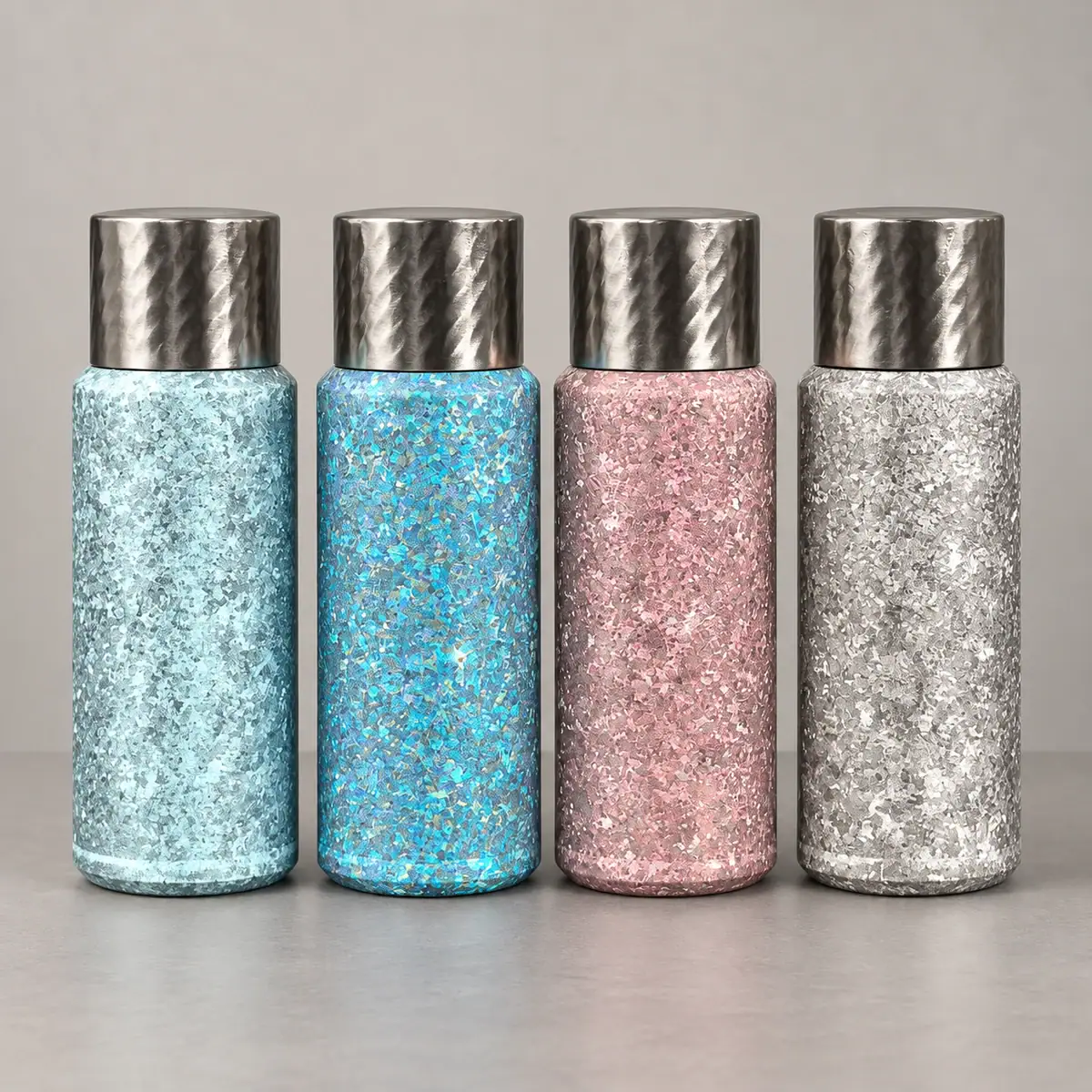
SURFACE AND CUSTOMIZATION
A custom titanium bottle can combine a base surface, colour direction and decoration method. Keep each layer explicit so the supplier, designer and buyer are reviewing the same sample.
Define visible texture, sheen and acceptable variation before colour or decoration is judged.
PURCHASING CHECKLIST
Use four approval groups: configuration, component materials, appearance and functional checks. Mark fixed requirements and alternatives; keep tooling or test questions open until reviewed.
Keep the drawing, part list and sample on one revision. If a lid, finish or accessory changes, reopen the affected checks before release.
MARKET AND DOCUMENTATION
Titanium in the vessel does not settle the status of polymer, silicone, coating or other contact components. Review the assembled article for the intended beverage, contact conditions and destination market.
For US projects, the FDA explains that the regulatory status of a food-contact material depends on its component substances, specifications and authorised conditions of use.
Weight, cost and when each metal makes sense
Which steel grade to specify
Why the vacuum layer keeps drinks hot or cold
BUYER FAQ
These answers define a useful starting point. Final construction, documentation, testing, quantity and commercial terms are confirmed for the specific project.
No. Titanium drinkware can follow single-wall, double-wall or vacuum-insulated routes. The buyer should name the required construction and define the complete-bottle checks instead of inferring performance from the material name.
State the wall and vacuum requirement, capacity, lid configuration, intended contents, starting temperatures, test duration, measurement method and acceptance limit. Confirm these points on a representative assembled sample.
No. Colour, reflection and texture are not sufficient evidence of grade or material identity. Ask for the agreed material designation, part mapping, supplier or lot records and any project-specific verification method.
They can be developed with different surface and decoration directions, subject to the product design and selected process. Approve the base texture, colour, artwork file, size, position and handling checks as separate requirements.
Include use case, destination market, capacity, construction, lid and accessories, target weight, component material requirements, finish, artwork, packaging, quantity, required documents and the sample or test criteria used for approval.
It is lighter, does not rust and is known for not adding a taste, which tea drinkers value. Stainless steel costs less and comes in more shapes and finishes. Titanium suits premium gifts and tea ranges; steel suits everyday volume orders.
Titanium models start at 500 pieces per colour, negotiable. A sample of an existing model takes up to 7 days, and bulk production takes 7–12 days after approval. Gift-box packaging can be quoted with the order. Ask for the quote per colour.
START WITH THE DECISIONS
Share what is fixed and what still needs development. BG Drinkware can then review the proposed titanium bottle structure, component scope, decoration, sampling and order requirements as one project.
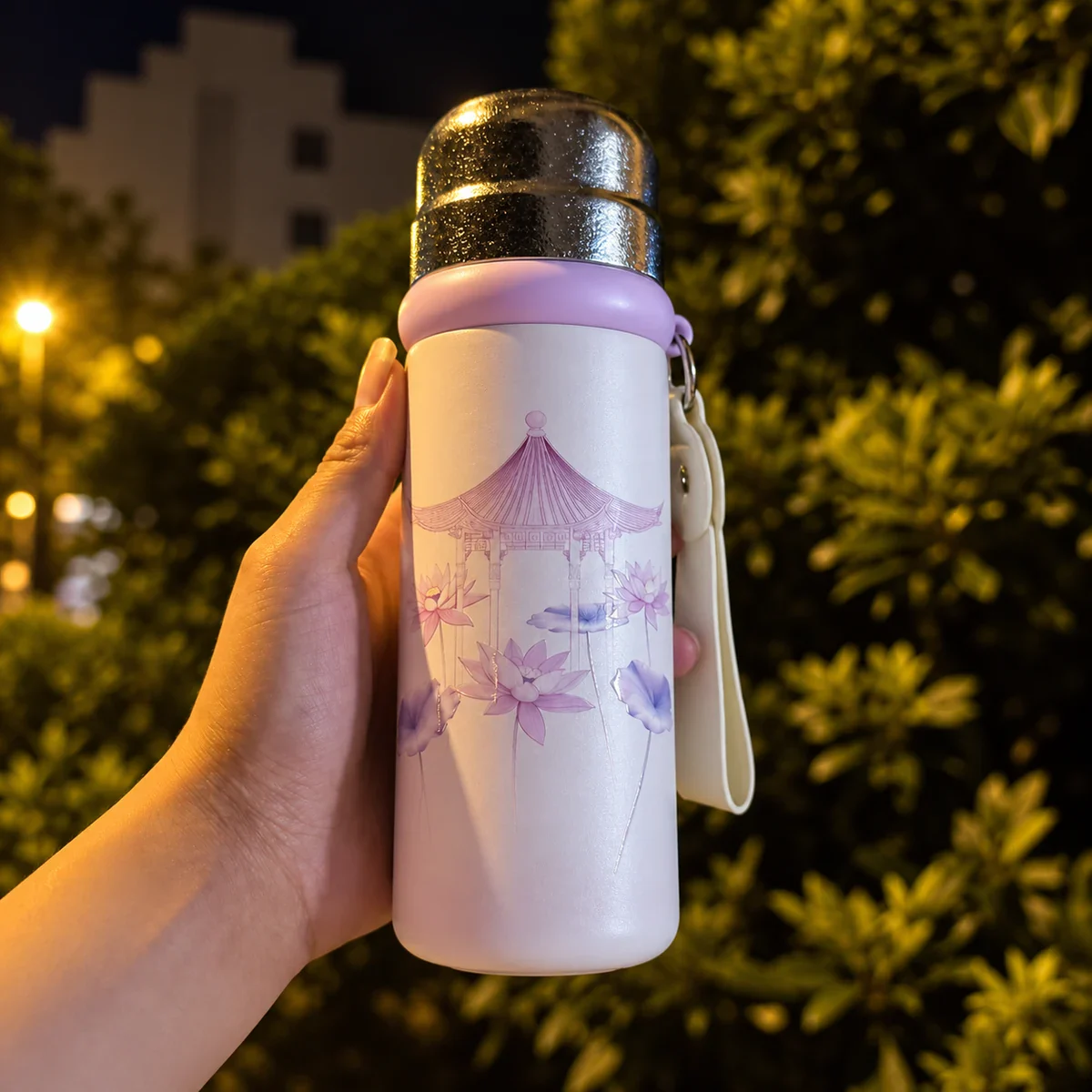
Edit the prompts, copy the brief, then paste it into the quote form with your drawings or artwork.
Search BG Drinkware
Add us on WeChat

WeChat ID: +86 151 5891 9004
Open WeChat, tap + then Scan, and point it at the code.