Drinkware quality control checks an order against its approved product specification and inspection plan. BG Drinkware confirms the applicable material, component, function, decoration and packing checks before production. The plan should name the methods, sample quantities, acceptance rules, record owner and release authority, so findings lead to a documented decision. Related: sampling, manufacturing, stainless materials.
Drinkware quality control checks that bulk production matches the approved sample and the agreed specification. BG Drinkware, a drinkware manufacturer in Yongkang, China, temperature-tests every vacuum product unit by unit before shipping, with the number of test rounds set by the buyer, to catch any unit that has lost its vacuum. Heat retention is checked on samples, and spot-checked on bulk, by filling a vessel with 95°C water and measuring after 6 hours, or by the buyer's method. Final inspection follows ISO 2859-1 General Inspection Level II, with AQL 2.5 for major and 4.0 for minor defects, and third-party inspection by SGS, QIMA or the buyer's QC team is welcome. Cross-cut adhesion and dishwasher tests can be run to the buyer's requirements, and coated bodies from partners are checked on return, with defective units removed.
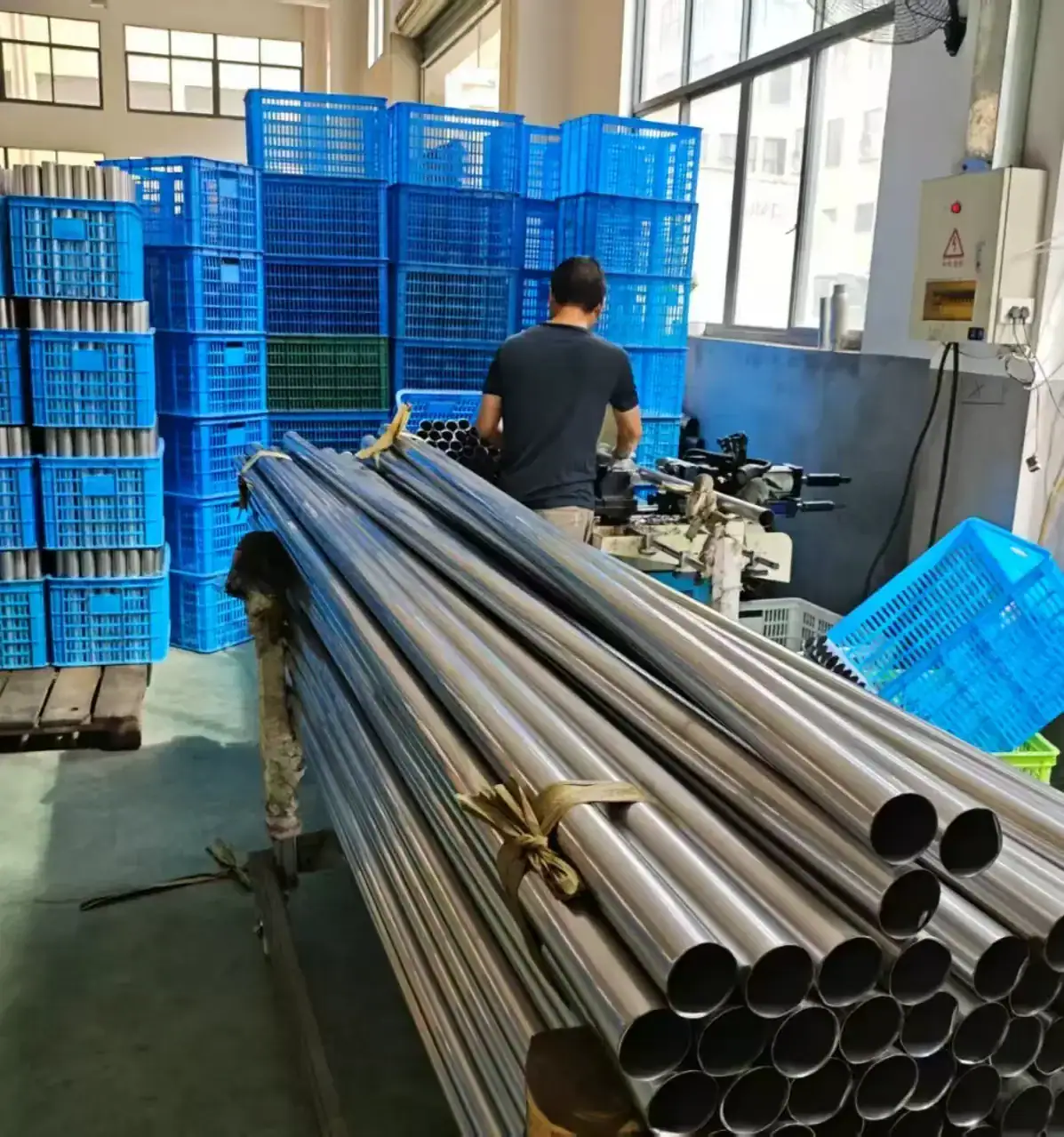
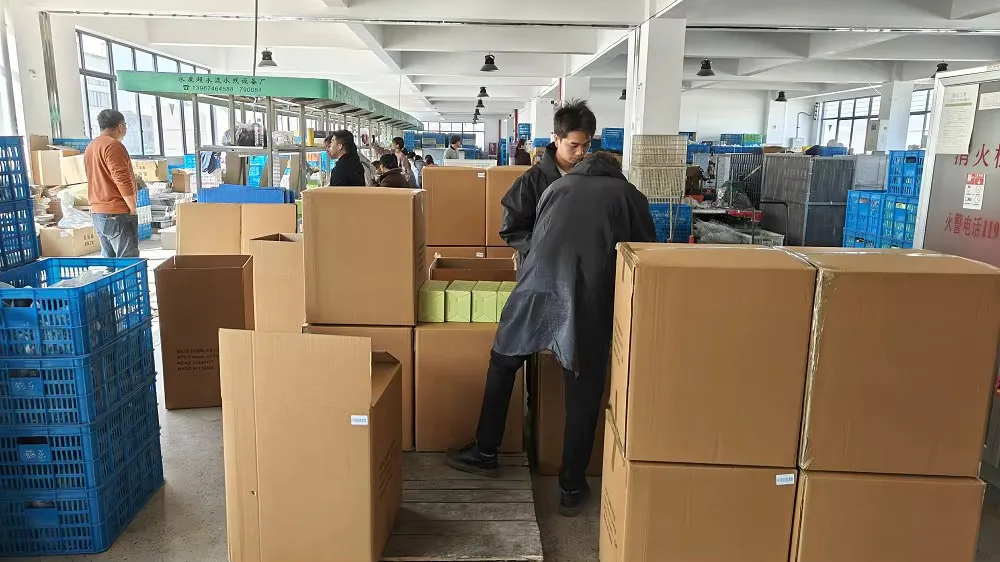
Stainless steel material staged inside the workshop before later production stages.
Before production release
Control starts before mass production
For an 18/8 stainless steel water bottle or SUS304 stainless steel tumbler, confirm the stated material grade, dimensions and specification revision before production. A material name alone does not establish food-contact compliance for the finished product. Match the body, lid, seal and decoration to the approved configuration and required documents.
Product definitionConfirm dimensions, capacity, material, components and the current specification revision.
Visual referencesApprove colour, finish, artwork revision, logo position and sample status. If the specification or a component changes, decide which sample approvals and checks must be repeated.
Functional criteriaDefine the applicable fit, leak, thermal, vacuum or accessory checks and their acceptance limits.
Inspection routeRecord the sampling plan, defect classes, required records, inspection responsibilities and authorized release reviewer.
The exact route changes with the material, construction, decoration method and buyer requirements. These are the control points commonly discussed during project planning.
Incoming material review
Components and materials are checked against the purchase and product requirements relevant to the order.
First article confirmation
Compare early output with the approved reference, record any difference and decide whether production can continue or must be held.
In-process inspection
Review dimensions, forming, assembly and surface condition at the selected stages. Link findings to the batch and resolve deviations before the affected output moves forward.
Product-specific verification
Leak, fit, thermal, vacuum or accessory checks are selected only where they apply to the product and agreed criteria. Every vacuum bottle is temperature-tested on a testing machine, unit by unit, before shipping; the number of test rounds follows the buyer's requirement.
Decoration review
Check artwork revision, position, clarity, colour and finish against the approved reference and tolerances.
Final order matching
Finished goods, labels, accessories, quantities and packing details are checked before the agreed release point.
Connect workshop checks to the order
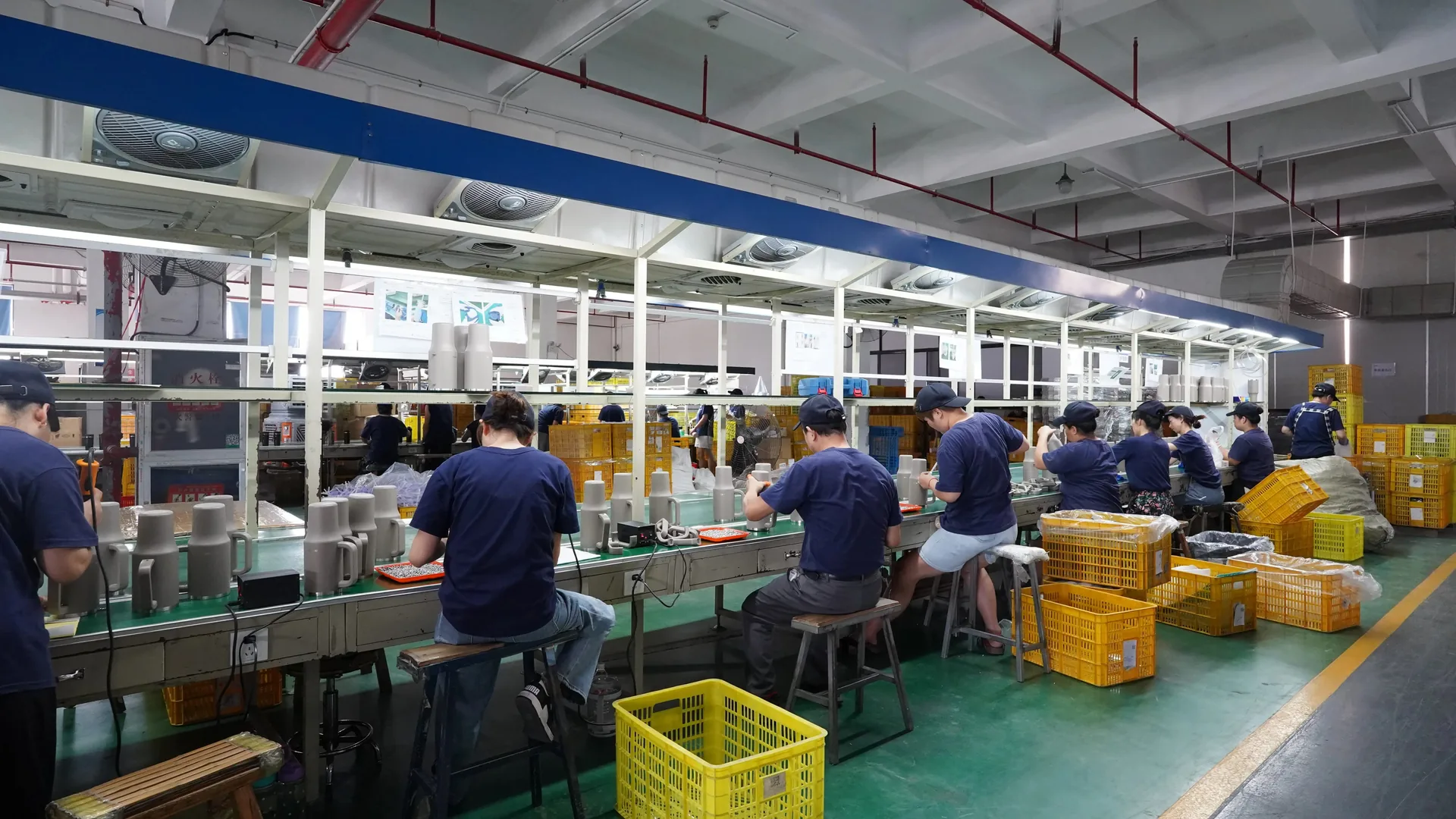
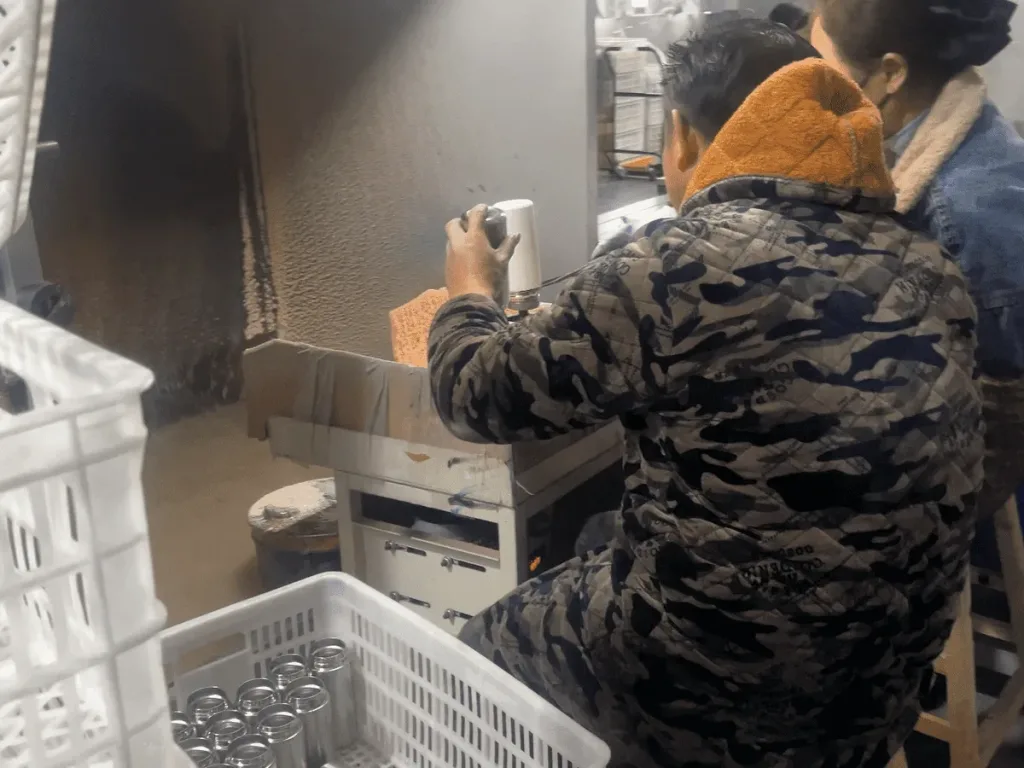
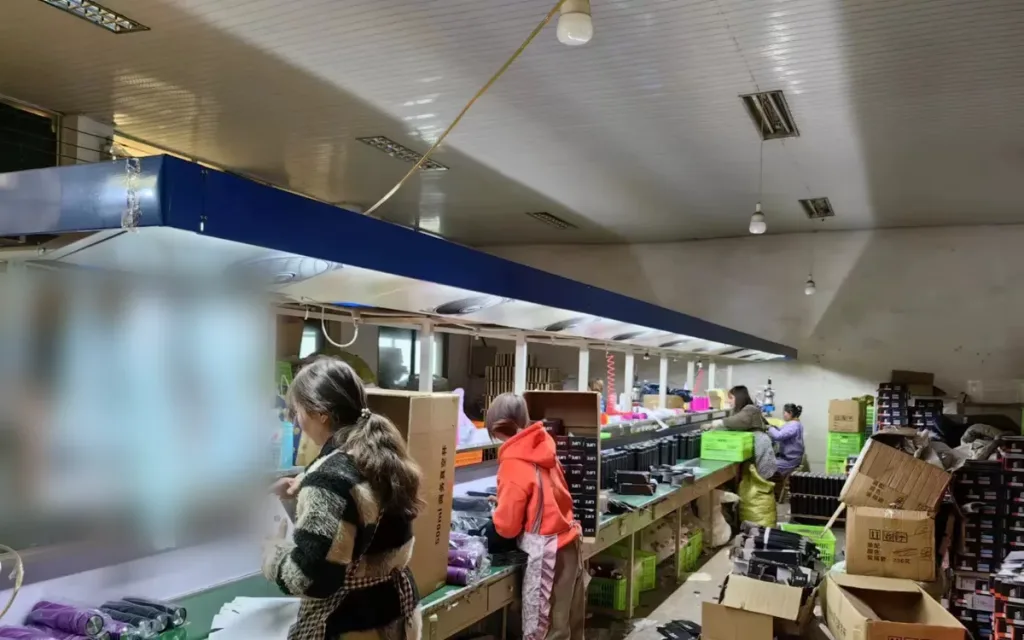
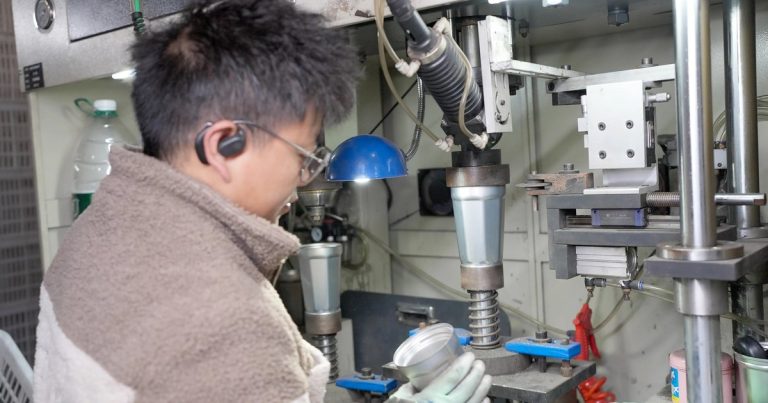
Useful inspection photos identify the product, production stage, order or batch and check performed. A workshop overview alone cannot prove that a unit met its acceptance criteria.
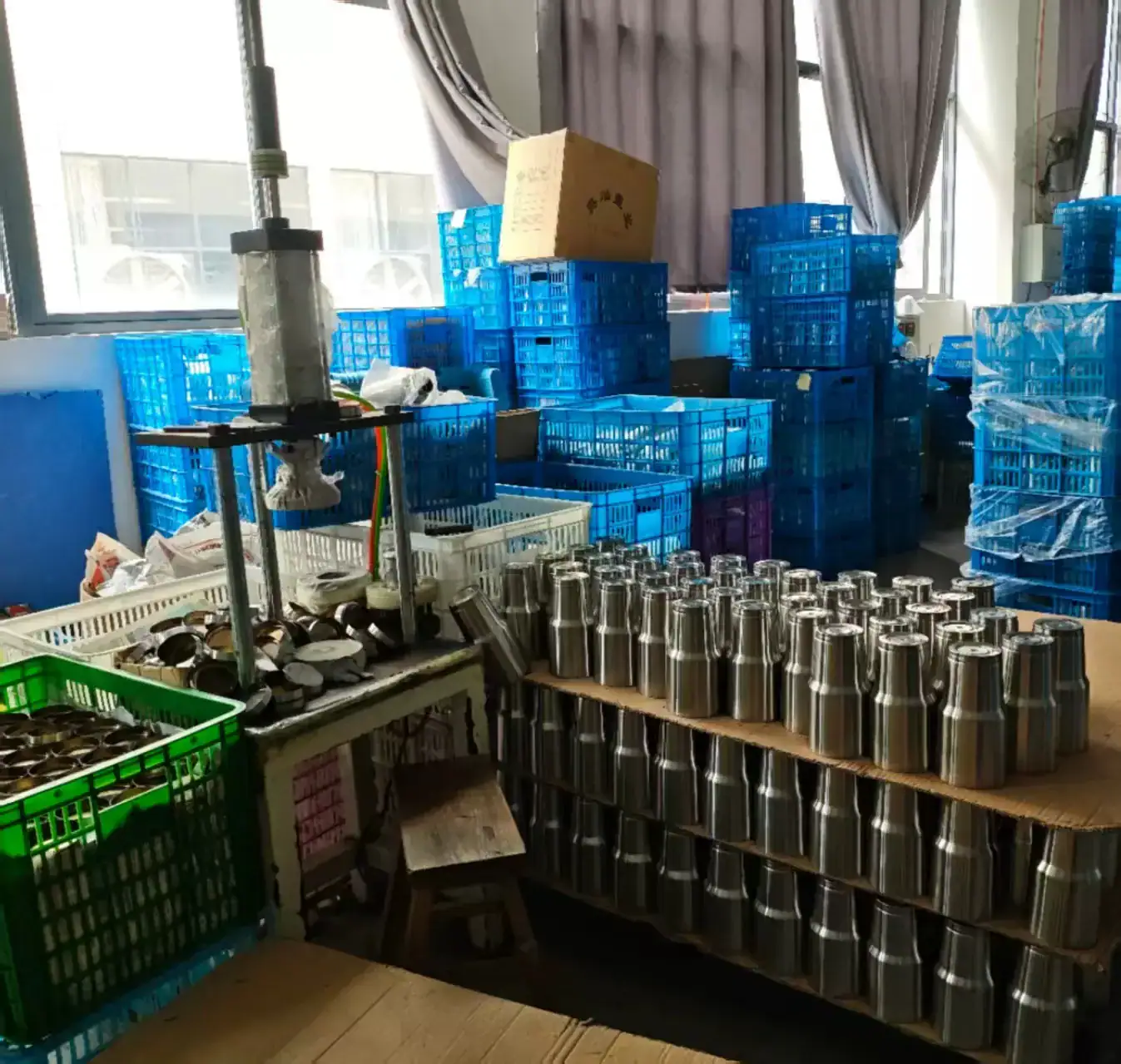
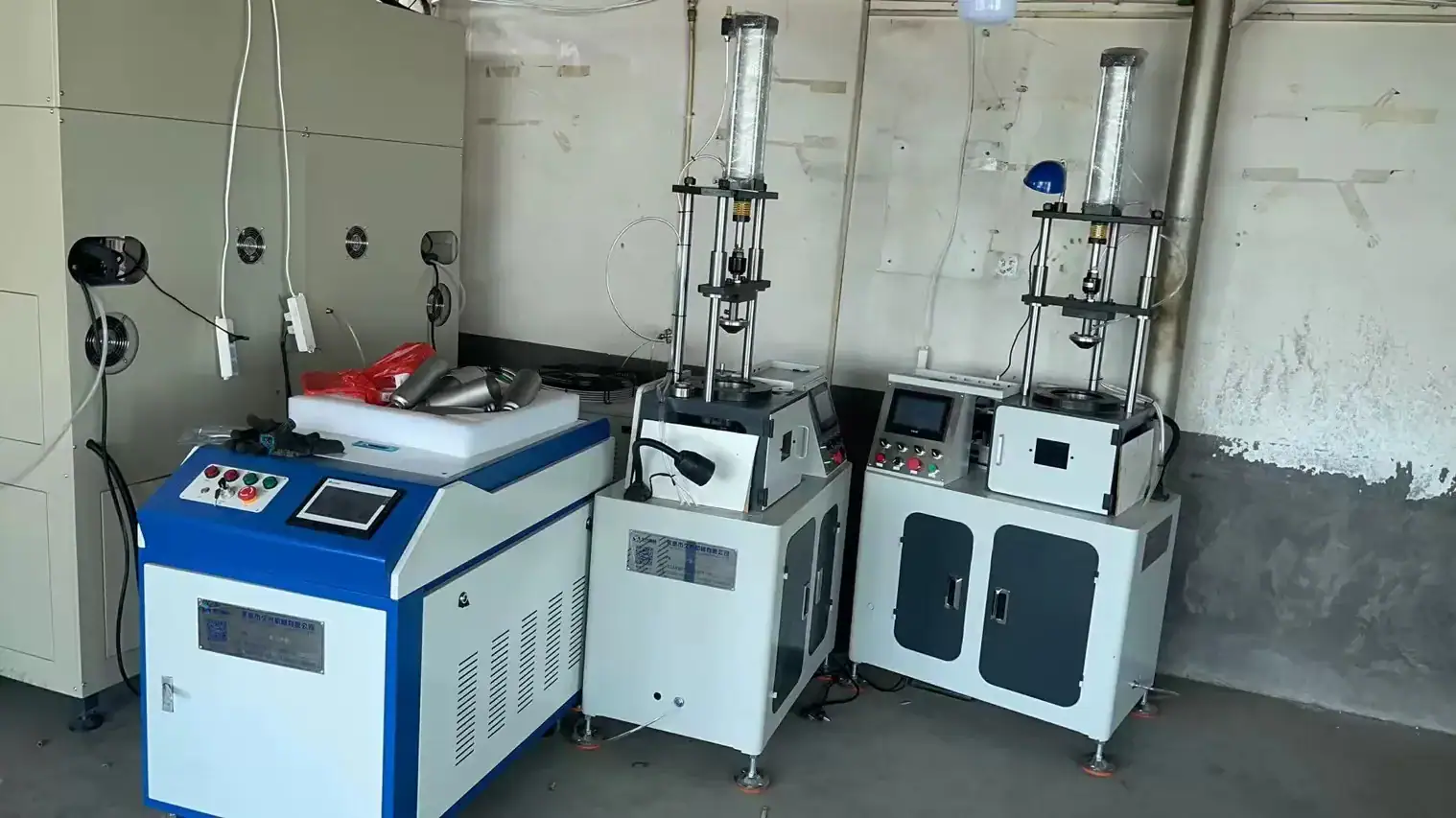
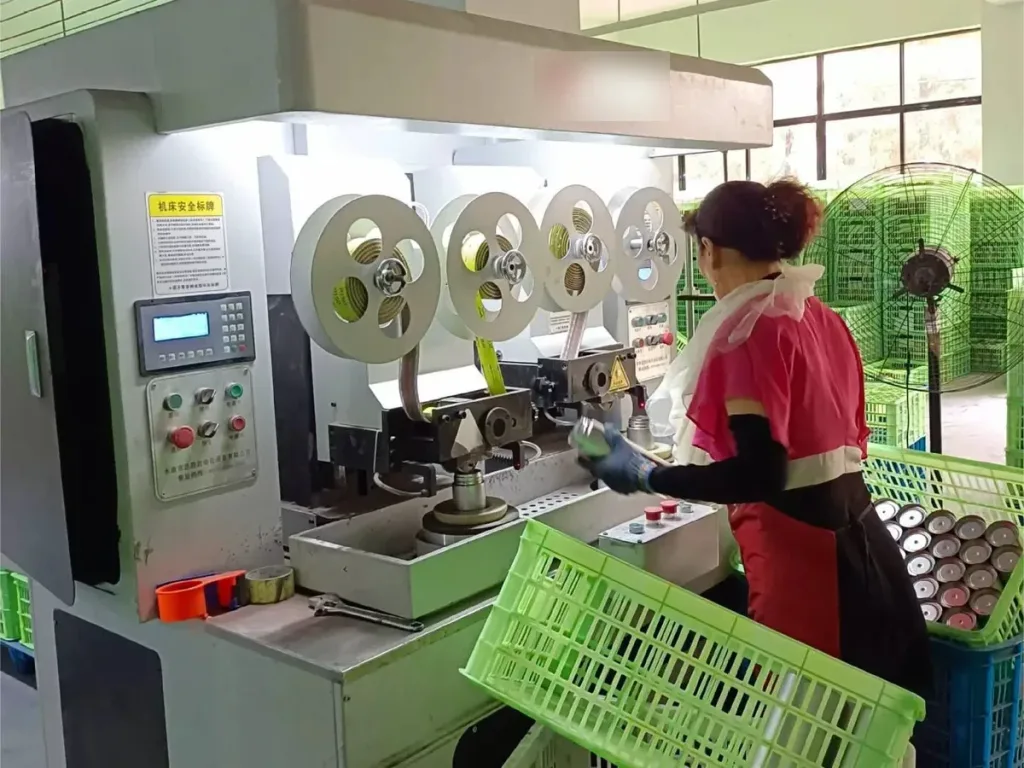
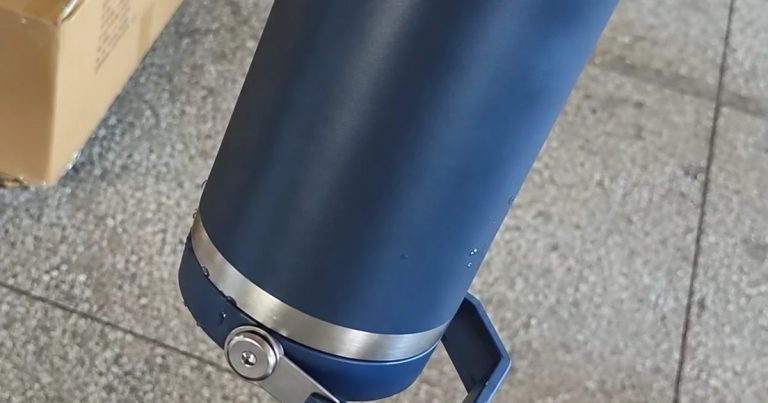
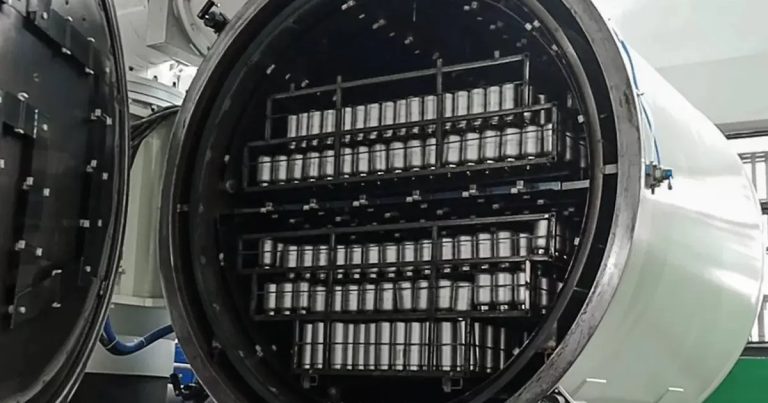
Unfinished stainless steel bodies staged between production operations.Workshop verification equipment; confirm the required method and acceptance limit in the order's inspection plan.
Records to confirm
Agree how the batch, date, method, sample quantity, measured result and reviewer will be recorded. Identify the equipment or reference method where relevant. A photo or equipment name does not establish a pass result or replace applicable product test reports.
TracePurchase order, batch or lot reference, product model and current specification revision.
MethodInspection item, sample selection and quantity, tool or test method, measurement units and timing.
ResultMeasured result or defect finding, acceptance limit, pass or fail status and relevant photos when agreed.
DecisionDisposition, recheck requirement, buyer review deadline and authorized release reviewer.
Blank buyer tool
Download the Quality Inspection Checklist
Use the blank template to define material, leak, decoration, packaging, quantity, carton-mark, result and disposition fields for your project. It is a planning tool, not a completed inspection report; enter the agreed criteria and actual results for the order.
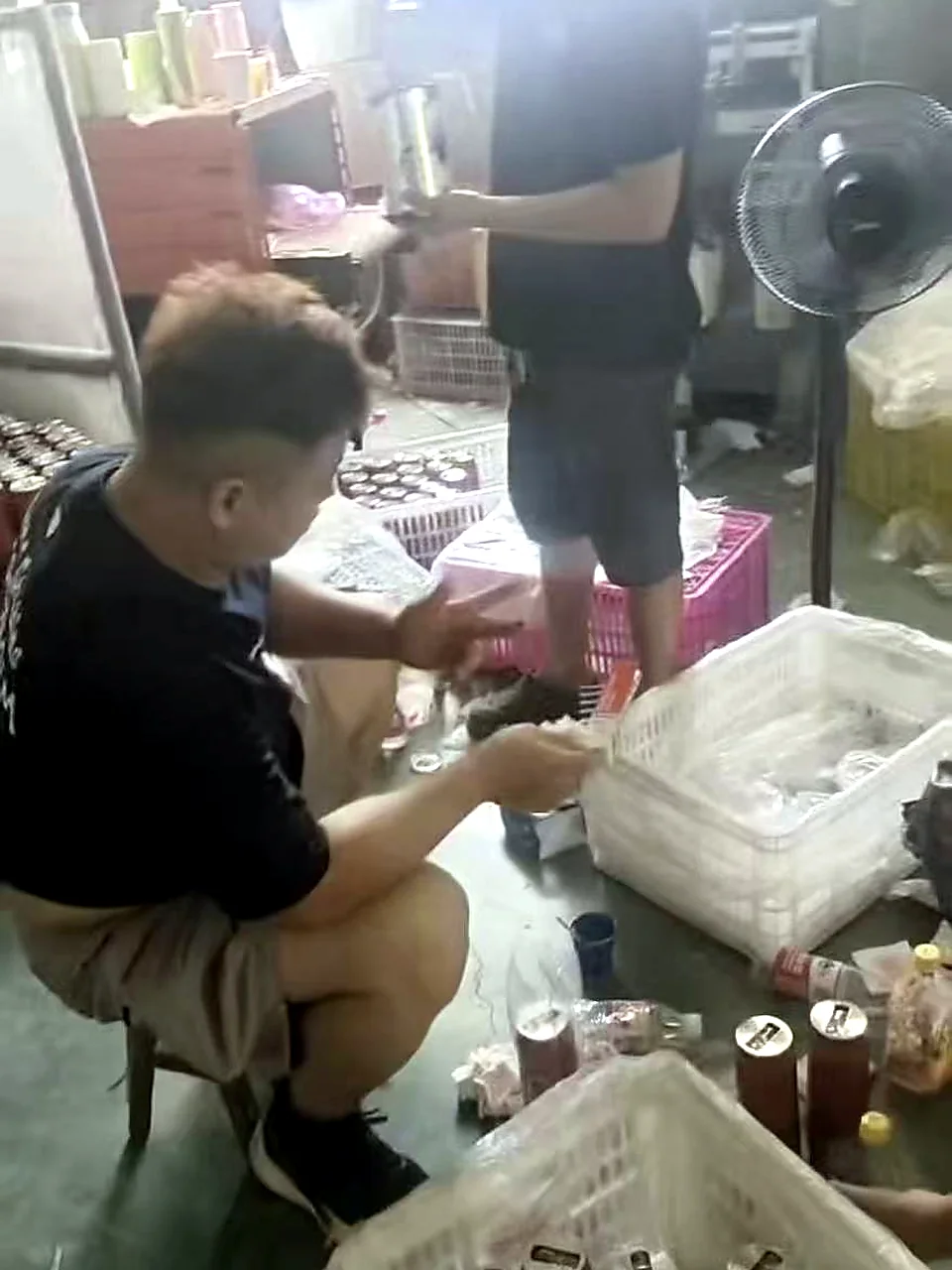
Wang sorting non-conforming cups during an in-process spot check on September 19, 2025.
In-process inspection example
Non-conforming units were isolated during production
BG Drinkware reports that quality inspector Wang checked 1,000 units during production on and identified 20 as non-conforming. The photo shows sorting work; it does not independently establish the counts or the inspection criteria.
Inspection stage
In-process production spot check
Inspector and date
Wang ·
Finding
Factory-reported finding: 20 of 1,000 inspected units were non-conforming, a 2% finding rate for this spot check.
Disposition
The 20 non-conforming units were segregated and held for rework. Reinspection is required before they can return to the production flow.
Example boundary: The 20-of-1,000 result applies only to this production spot check. The 2% finding rate is not an AQL value or a factory-wide defect rate. It does not establish the quality of the entire lot, completed rework or shipment acceptance.
Define the inspection criteria
For each applicable check, document the product revision, method, sample selection and quantity, timing, measurement units and acceptance limit. Separate a test result from the decision to accept or reject the lot; both should be traceable to the order.
Scroll horizontally to view all inspection fields on smaller screens.
Inspection criteria to confirm for each order
Control area
Typical review
Confirm in writing
Material and components
If the specification describes a food grade stainless steel water bottle, verify the stated metal grade, purchased components, visible condition and part matching.
Material specification, supplier documents, colours, component list and applicable food-contact documentation.
Dimensions and capacity
For stainless steel tumblers, review specified dimensions, capacity, weight and mating surfaces where relevant.
Measurement method, tolerances and approved reference drawing.
Lid, seal and accessories
For a leak proof insulated tumbler, translate “leak proof” into a defined lid-fit and leakage check rather than relying on the product label alone.
Intended use, fill level, liquid and temperature, orientation, duration and leak criteria; see leak-test conditions for bulk orders. Confirm accessory quantities and replacement expectations.
Thermal or vacuum performance
For vacuum insulated water bottles, define the applicable thermal or vacuum checks; these are not interchangeable.
Separate thermal-performance and vacuum-check methods, setup, duration, temperatures, sample quantity and acceptance limit.
Surface and decoration
For a powder coated tumbler, review colour, coverage and surface texture. Check decoration against the approved artwork.
Reference sample, colour tolerance, artwork revision and permitted appearance variation.
Packaging and shipment release
Unit packing, labels, carton marks, accessories, quantities and visible carton condition.
Packing specification, barcode data, shipping marks and authorized release reviewer.
Critical defect
A class for conditions that may affect safety, regulatory compliance or intended safe use. Hold affected goods and resolve the concern before release. A buyer concession must not override applicable safety requirements.
Major defect
An example class for issues that can make the product unsuitable for the approved order. Classification depends on product risk, use case and written criteria, not the defect name alone.
Minor defect
An example class for limited appearance or handling issues that do not normally affect intended use, but still need a written tolerance, sample reference or buyer decision.
Quality checks at a glance
BG Drinkware quality checks
Check
How
Vacuum
Every vacuum product temperature-tested unit by unit; rounds set by the buyer
Heat retention
95°C water, measured after 6 hours, on samples and spot-checked on bulk; or buyer's method
Final inspection
ISO 2859-1 General Level II, AQL 2.5 (major) / 4.0 (minor)
Coating adhesion
Cross-cut test to the buyer's requirements
Dishwasher
Dishwasher test to the buyer's requirements
Third party
SGS, QIMA or the buyer's QC team welcome before shipment
Order facts
Minimum order
500 pcs, negotiable; some models from 100 pcs per colour
Sample
Up to 7 days for an existing model
Bulk production
7–12 days after sample approval
Standard construction
304 stainless inner wall, 201 outer wall; 316 inner or 304 outer on request
Capacity
120 ml to 4,000 ml
Testing
Every vacuum bottle temperature-tested before shipping
To quote, send the capacity, quantity, model, colour, logo method, packaging, payment terms and trade terms. BG Drinkware is a drinkware manufacturer in Yongkang, China.
Packaging is part of the quality specification
Unit protection, dividers, labels, carton marks and packed quantity affect whether the approved product reaches the buyer in the expected condition. Confirm the packaging specification before production, then match it during the pre-shipment review.
For how samples are approved before production, see our sampling process.
Standards depend on the product and destination
An acceptance quality limit (AQL) is used with a sampling plan to make lot-acceptance decisions; it is not a guarantee that every unit passes. Record the lot size, inspection level, sample selection, defect classes, AQL values, sample quantity, acceptance and rejection numbers, and standard edition. If ISO 2859-1 is selected, its published third edition is ISO 2859-1:2026. Food-contact compliance requires a separate review of the finished configuration, intended use and destination-market requirements.
Reviewed by the BG Drinkware Quality Control Lead and production team. Last reviewed: September 16, 2026. Confirm the applicable standard, edition and destination-market requirement for each order before production.
Our current food-contact test reports for 304 stainless steel and our amfori BSCI audit summary are on the test reports page.
Confirm the inspection scope in the order documents.
Does every order receive 100% inspection?
No. The plan may combine process checks, targeted checks and agreed sampling. Define any full-unit screening, critical requirements, methods, sample size and records before production. Sampling informs release; it does not prove every unit defect-free. State whether screening covers function, appearance, packing or only selected items.
What AQL level does BG Drinkware use?
BG Drinkware does not use one AQL for every project. Where acceptance sampling applies, agree the lot size, inspection level, defect classes, AQL values, sample quantity, acceptance and rejection numbers, standard edition and release authority. A spot-check finding rate is not an AQL value and cannot replace the selected plan's decision rule.
Are leak, thermal and vacuum tests included?
Leak, thermal and vacuum checks are included only when applicable and agreed for the selected product. They address different requirements and do not replace one another. For each check, document the setup, method, sample quantity, duration, relevant temperatures and acceptance limit. Record the result and identify the tested configuration, not just the equipment used.
Can our company appoint a third-party inspector?
Yes. Agree factory access, timing, scope, confidentiality, responsibility, required documents and report recipients before booking. Allow time before shipment for follow-up checks. The appointment should also state who reviews the report, handles non-conformances and authorizes release after any required reinspection.
Which inspection records can be provided?
Available records depend on the agreed scope. They may include sample status, inspection results, relevant photos, correction and reinspection records, and packing confirmation. Agree the order or batch reference, product revision, date, sample quantity, method, acceptance rule and release decision. Confirm the format, recipients and buyer review deadline before ordering.
What should we approve before mass production?
Approve the current revision, dimensions, material, colour, artwork, components, packaging, tests, criteria and sample status. Name the inspection responsibilities and authorized release reviewer, and resolve production-critical open items. Record exclusions or pending buyer decisions so they are not mistaken for approved requirements.
What AQL do you use?
BG Drinkware's own final inspection uses ISO 2859-1 General Inspection Level II, with AQL 2.5 for major defects and 4.0 for minor ones. For a lot of 3,201 to 10,000 pieces, that means a sample of 200 units. A different setting can be agreed in writing before production.
Can you provide test reports?
Tests are run to the buyer's requirements, such as cross-cut adhesion, dishwasher cycles or lab testing for kids products to your market's standard. Agree the test, the lab and the cost at the quote stage; BG Drinkware does not claim certifications on its own.
Build the criteria before the order
Request a project-specific inspection plan
Send the product and current specification, quantity, destination, intended use, artwork and packing requirements. Include the checks you need, required records, review deadline and any third-party inspection request.