Leak-Proof Water Bottles in Bulk: What Buyers Should Specify and Test
By Feng, Head of After-Sales Service & Online Marketing Lead
A bottle described as “leak-proof” is only as reliable as its approved body, lid, gasket and test conditions. For a bulk order, the useful question is not whether a sample stayed dry once. It is whether the exact production configuration meets a written acceptance method that reflects how the bottle will be used.
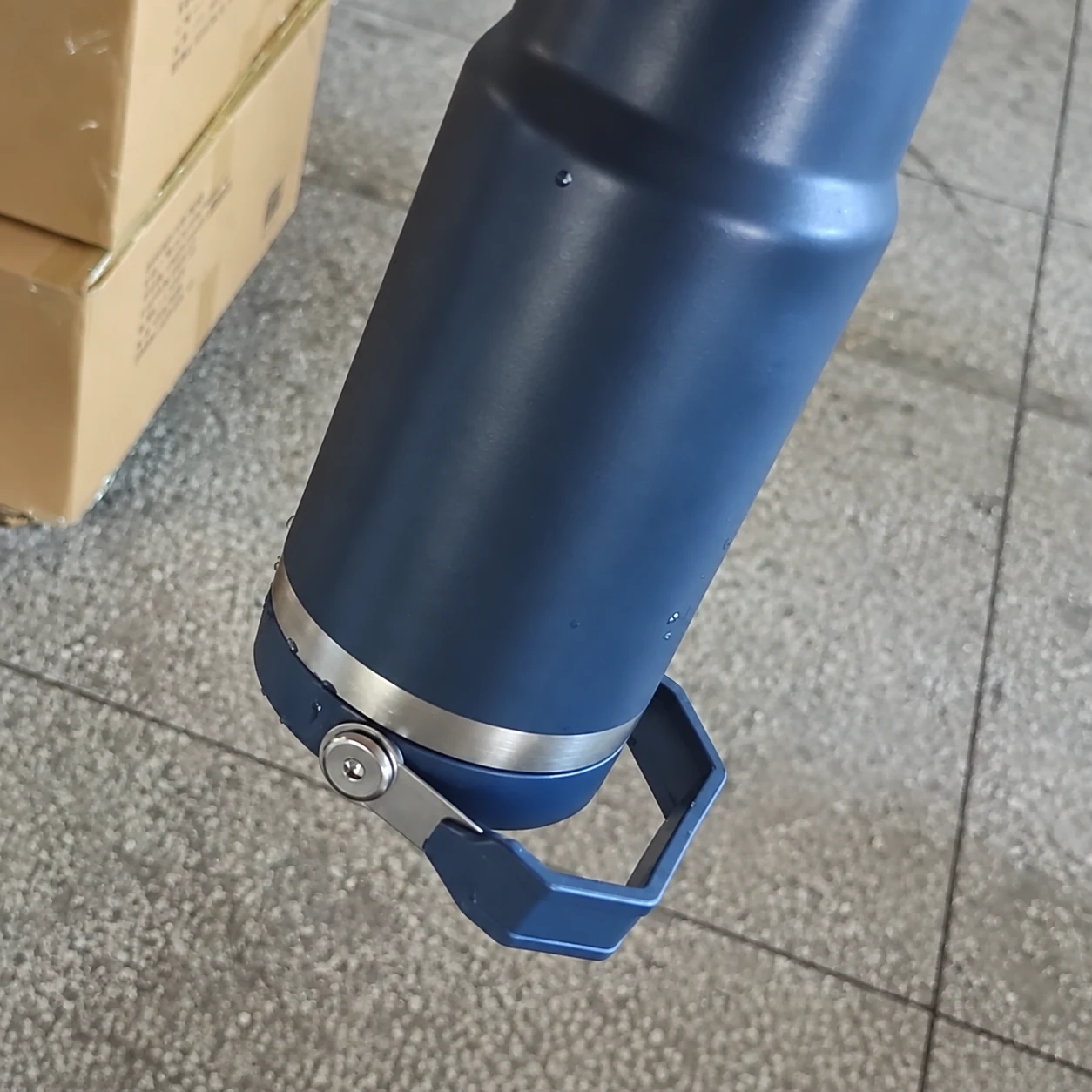
A leak-proof water bottle in a bulk order is an approved bottle-and-lid assembly that passes an agreed leak check under stated conditions, not a label that covers every lid or use. BG Drinkware reviews those conditions model by model, and the order should record 4 groups of detail: the configuration (bottle model, lid revision, gasket, drinking parts and closure method), the liquid condition (fill volume and water temperature), the handling (inversion or shaking sequence, orientation and duration) and the decision rule (sampling, visible-leakage criterion, records and the action after a failure). An upright static check says little about a bottle inverted in a shipping carton or shaken in a bag. A change to the lid, seal or mating dimensions creates a new combination to evaluate. BG Drinkware's 2023 gasket case required a full-batch rework, which is why the gasket specification belongs in the purchase order before the 7–12 day production run.
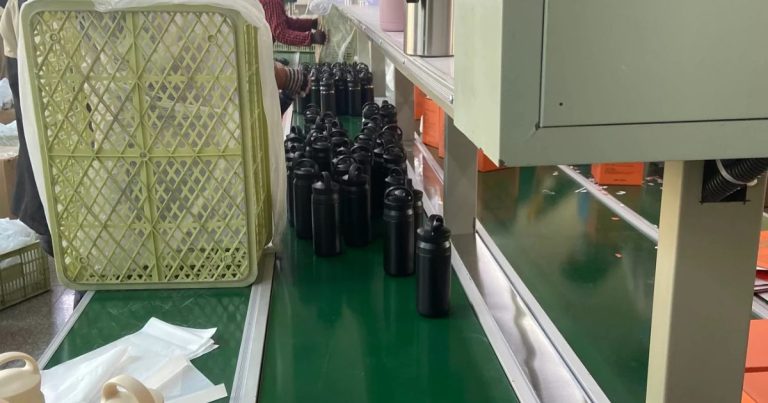
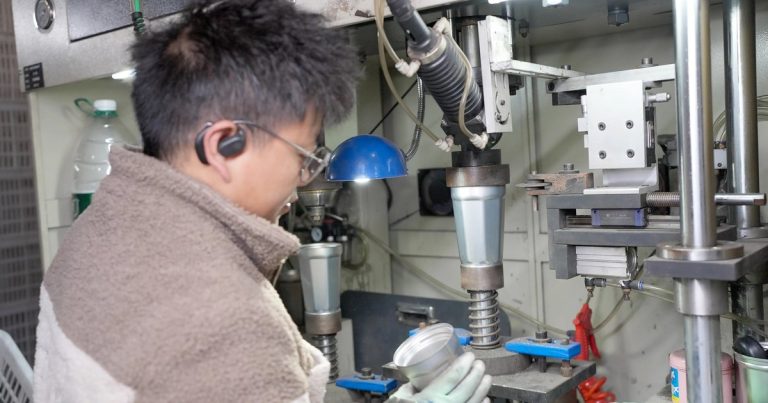
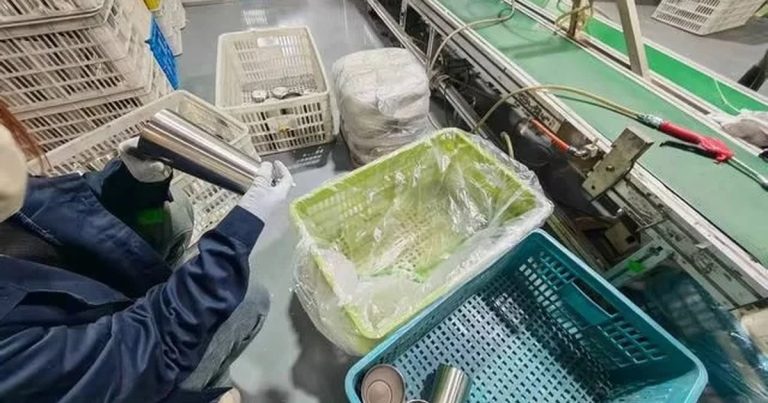
Manufacturer-review basis: The process and 2023 case below come from BG Drinkware information supplied for this article. Where a test setting or numerical result was not supplied, this guide does not invent one. The photographs show test scenes but do not independently establish a root cause.
What does “leak-proof” mean in a bulk order?
It should mean the approved assembly passes the agreed check under stated conditions. A claim based on a closed bottle standing upright says little about an inverted bottle in a shipping carton or a bottle shaken in a bag. Nor does a static leak check establish how a spring-loaded lid behaves when someone opens it with hot liquid inside.
Record the bottle body, neck and lid version together, including the gasket specification and any drinking component. A change to the lid, seal or mating dimensions creates a new combination to evaluate. Buyers comparing dual-drink bottle configurations should not transfer an approval from another cap simply because the nominal capacity or mouth size looks similar.
Selling travel bottles? See the airport security rules for metal water bottles.
Where can leakage start: design, tooling, gasket or assembly?
Start with the sealing path, then isolate the actual cause. In BG Drinkware's experience, tooling-related fit problems are a common source of leaks; some concepts also lack an adequate leak-prevention structure from the design stage. That experience is not a measured industry defect rate, and a wet bottle alone does not identify which part failed.
| Checkpoint | What to compare | Decision before release |
|---|---|---|
| Sealing design | Does the selected lid have a defined sealing surface and compression path? | If the geometry itself cannot seal for the intended use, return to design review. |
| Tooling and fit | Neck, thread, closure and mating-part dimensions against the approved sample. | Correct the identified fit problem and recheck the assembled bottle. |
| Gasket | Size, seating and contact with the lid and bottle surfaces. | Replace an incorrect gasket with the specified component, then retest. |
| Assembly | Whether the right components are installed and the lid closes as intended. | Rework affected assemblies where technically appropriate and inspect again. |
This checklist is a diagnostic sequence, not a statement that every pictured bottle had all four problems. The broader quality-control process should connect a failed check to containment, cause analysis, corrective action and a new acceptance check.
What should be checked before investing in lid tooling?
Test the sealing concept before committing to tooling. BG Drinkware checks a hand-built prototype before investing in lid tooling. This can expose an obvious mismatch between the proposed lid, seal and bottle neck, or a design that has no credible leak-control path.
A prototype is an early design gate, not proof that later mass-produced parts will perform identically. Tooled dimensions, materials and assembly must be checked again on the chosen sample and production configuration. For spring-loaded lids, include the opening action and possible hot-liquid spray in the design discussion instead of treating an inversion result as the whole safety story. The manufacturing process can then carry the approved component revision into production.
Which leak-test conditions belong in the purchase order?
At minimum, write down the filled assembly, the handling method and the rule for a pass. BG Drinkware sets the test method according to the order. Fill volume, water temperature, inversion or shaking method and duration are baseline variables; sampling and acceptance are also agreed for the selected model and order. This article does not claim one universal factory duration, temperature, sample size or pass rate.
Configuration
Bottle model, lid revision, gasket, drinking parts and closure method.
Liquid condition
Fill volume and water temperature that reflect intended use.
Handling
Inversion or shaking sequence, orientation and duration.
Decision rule
Sampling, visible leakage criterion, records and what happens after a failure.
If the parties use an attribute-sampling plan, specify the scheme and acceptance criteria rather than writing only “AQL” on a purchase order. NIST's acceptance-sampling handbook explains how samples can inform a lot decision; it is not a universal drinkware leak-test procedure. Separate the sealing check from materials documentation: the US FDA's food-contact component guidance concerns substances and intended conditions of use, not proof that a particular lid does not leak.
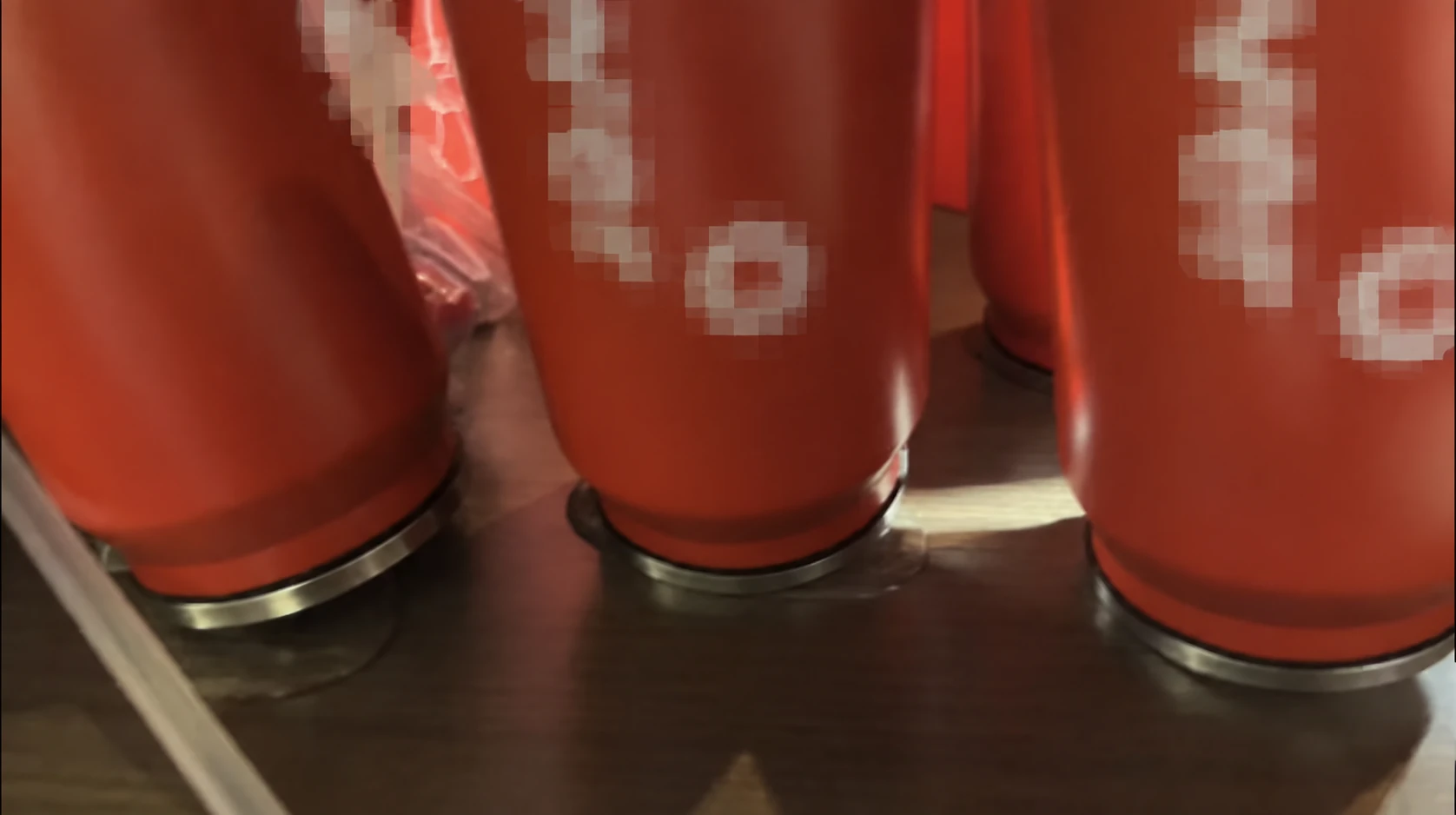
Case: a water bottle gasket-size issue that required a full-batch rework
During a BG Drinkware leak investigation on 19 April 2023, tester Sherry and the team went through multiple rounds of cause checking before identifying an incorrectly sized gasket. The corrective action was to rework the entire affected batch and replace the gaskets with the appropriate size.
Buyer lesson: A visible leak is a symptom. Verify the exact seal specification and its fit in the assembled product before choosing a corrective action. Recheck the reworked batch against the order's acceptance method; do not assume replacing a part alone proves the order passes.
Case details are supplied by BG Drinkware. The photographs on this page illustrate factory test scenes; neither image independently proves the gasket measurement, diagnosis or final test result. The customer brand has been obscured.
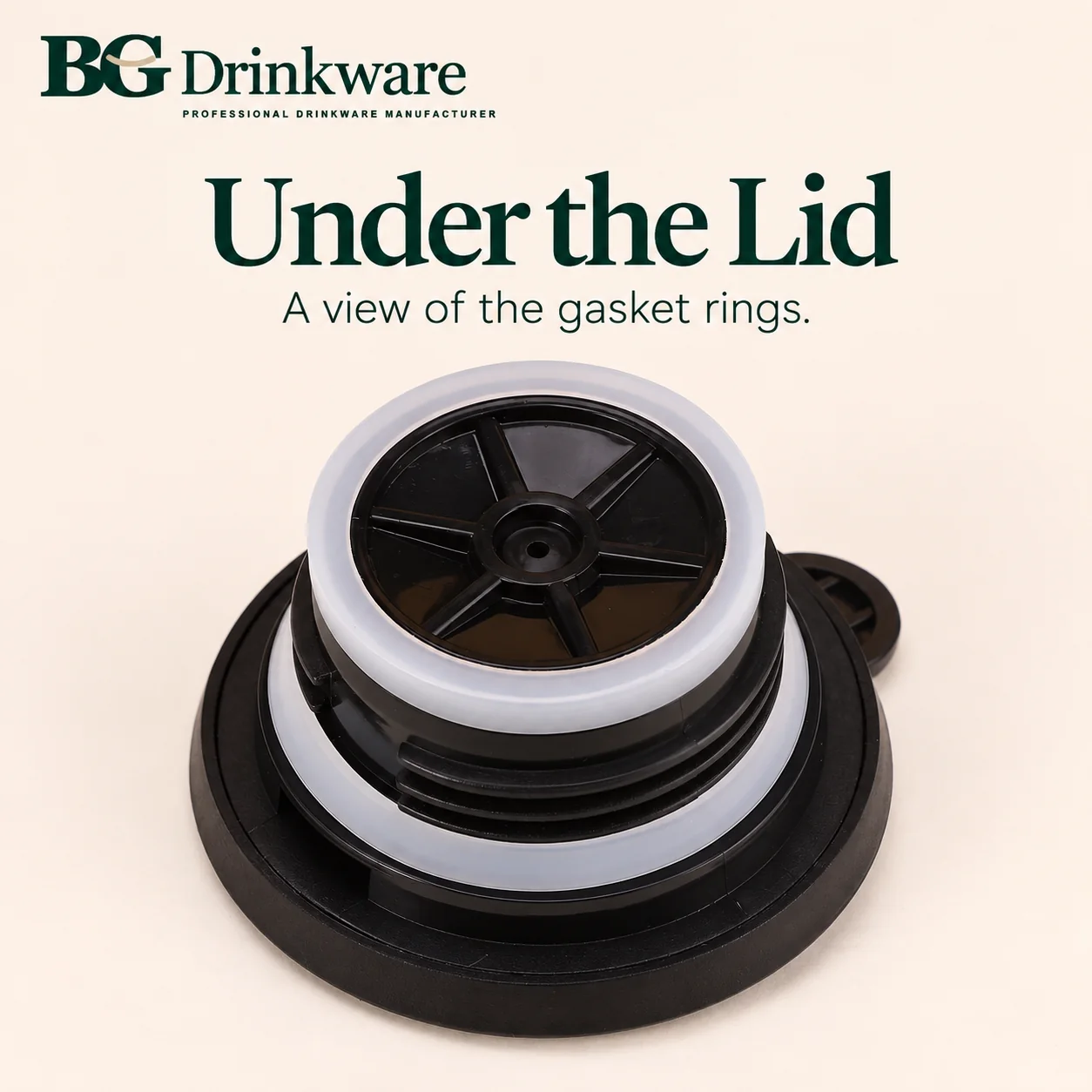
Can a leaking production batch be reworked?
Often, but only after the cause and scope are understood. BG Drinkware can generally rework non-design problems according to the actual fault. An unsuitable gasket may be replaced, and affected assemblies can be retested. A design with no workable sealing structure may require redesign rather than routine rework.
Before accepting repaired stock, agree which units are affected, what component or operation changed, and which checks will be repeated. The 2023 case involved a full-batch gasket replacement; it should not be read as a promise that every leak can be solved with the same action or within the same time.
For a case where a worn lid mould left about one lid in six leaking, see why does my water bottle leak?
What should buyers send when requesting leak-proof bottles in bulk?
Send a product brief that makes the intended use and acceptance test reviewable. Include the bottle body and lid choice, drawings or reference sample where available, seal details, target fill and drink temperature, transport or carrying scenario, order quantity, target market, packaging and the desired inspection records. Mark any undecided item as open rather than allowing two suppliers to quote different assumptions.
Start with the available drinkware range, then use the project inquiry form to share the selected configuration. BG Drinkware can review feasibility and order-specific test arrangements before production is confirmed.
For tumblers rather than bottles, see leak proof tumblers.
Leak-proof water bottle FAQ: steel bottles, prototypes and rework
Is every stainless steel water bottle leak-proof?
No. The complete body, lid, gasket and intended use must be reviewed model by model. A claim for one approved configuration does not automatically cover another lid or seal.
Does a prototype leak check replace bulk inspection?
No. Hand-built prototype checks help identify design risk before lid tooling. The tooled sample and production assembly still need the order's agreed checks.
Is an inverted-bottle test enough for a spring-loaded lid?
Not by itself. Closed-bottle leakage and possible liquid spray when opening are different risks, especially when hot drinks are contemplated. Review both on the selected design.
What happens if a batch leaks?
Contain the affected units, investigate the cause, decide whether rework or redesign is appropriate, and reinspect against the agreed method. BG Drinkware's 2023 gasket case required a full-batch rework, not a universal remedy.
Define the seal before ordering the batch.
Share the exact bottle, lid and gasket combination with your use conditions and inspection expectations. We can review the test plan and production questions together.