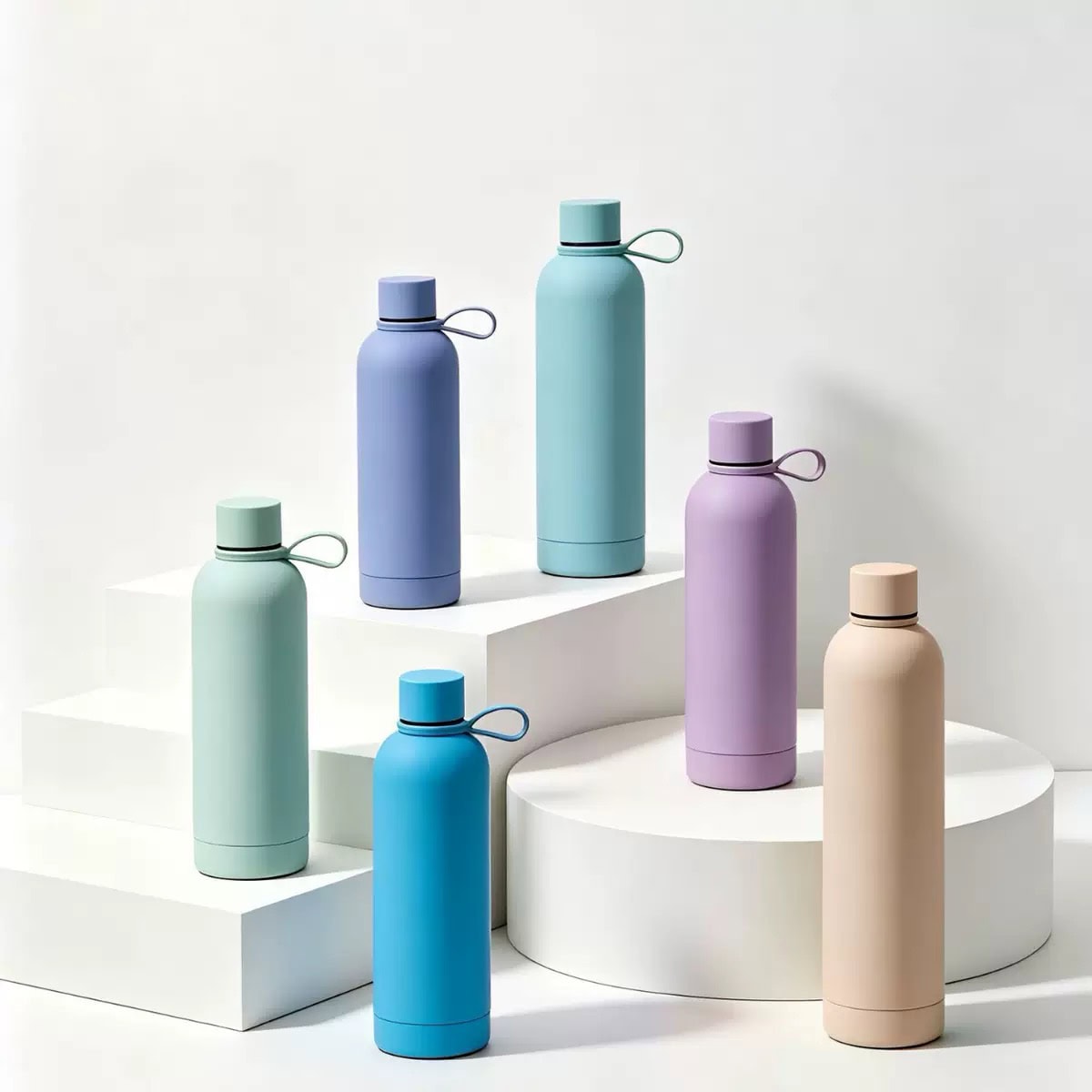
Water bottle material comparison
How to choose the best material for water bottle projects
The best material for water bottle projects depends on the finished design. Consider stainless steel with a specified vacuum construction for thermal retention, titanium when metal-body weight is a priority, or plastic for moulded shapes and clear bodies. Compare complete samples—not material names.
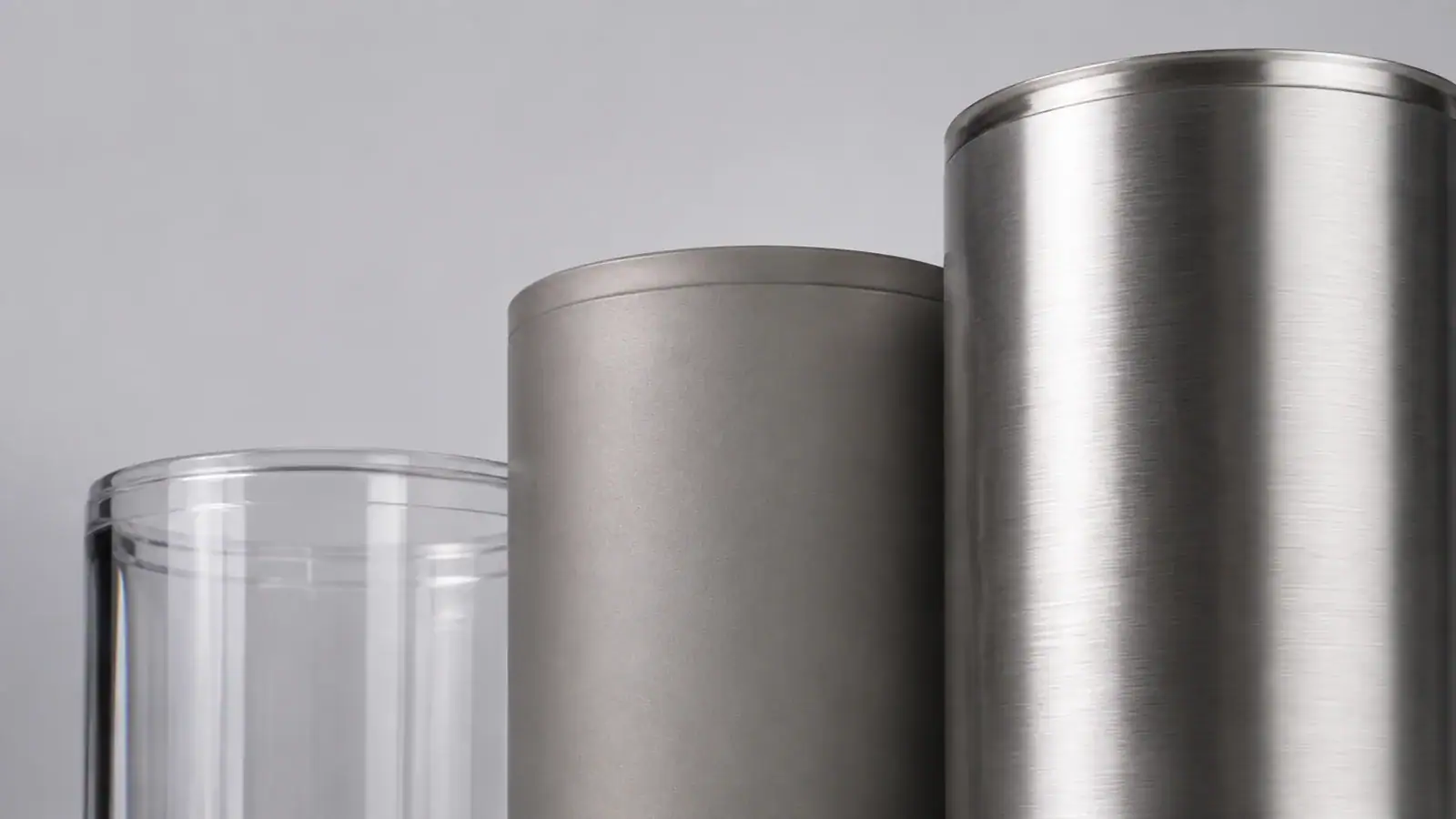
Three drinkware material families
Find the closest material direction first. Compare the finished product, construction and approval requirements before choosing a specification.
Metal body · insulated options
Stainless steel drinkware
A familiar route for insulated formats and varied exterior finishes. Confirm grade, wall construction and finish against the project brief.
Explore stainless steel drinkware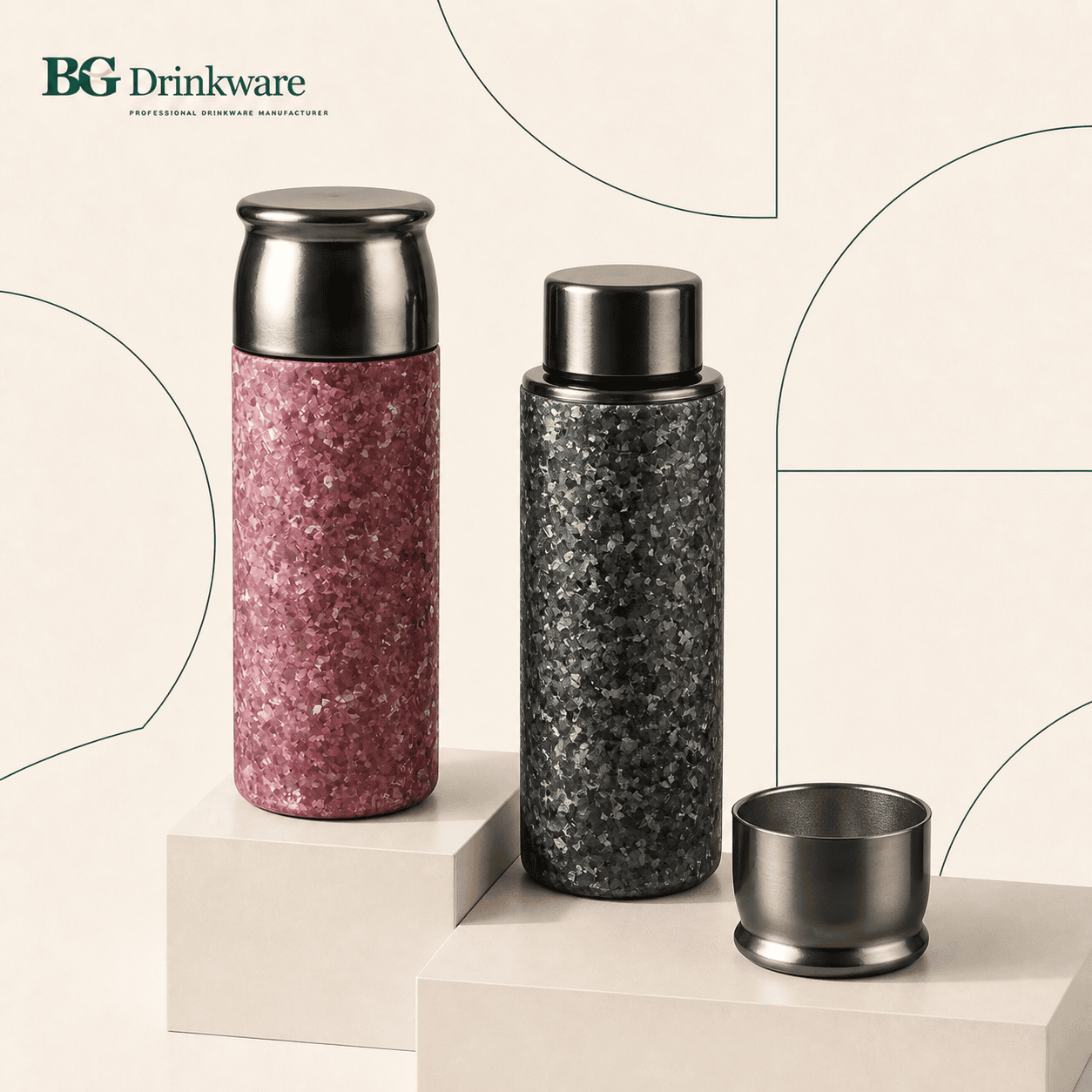
Metal body · weight-conscious option
Titanium water bottles
Consider titanium when metal-body weight matters. Compare complete samples with the same capacity, lid and construction before choosing.
Explore titanium drinkware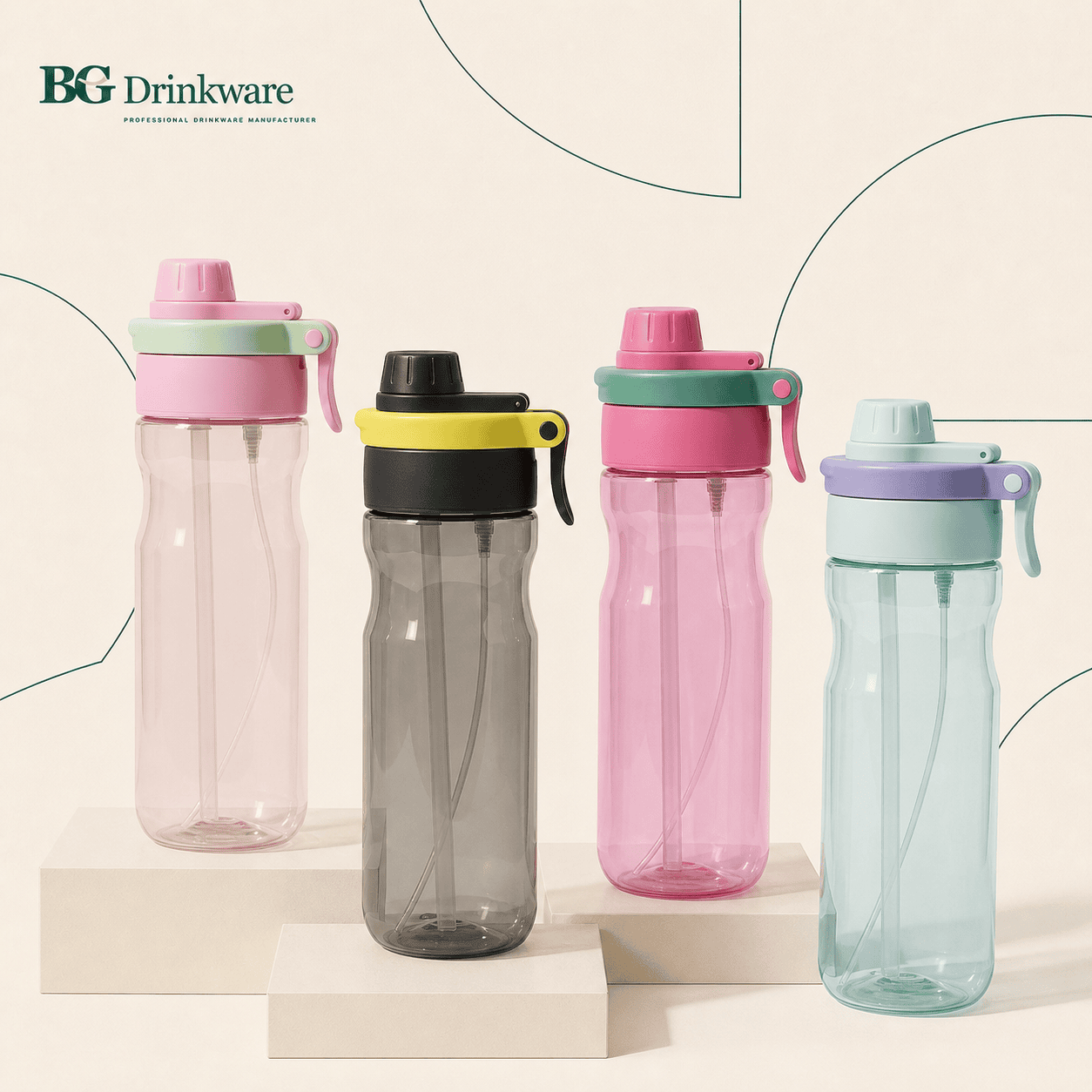
Moulded body · shape and colour
Plastic drinkware
A route to transparent bodies, moulded features and coordinated colours. Specify resin and use conditions for every relevant food-contact part.
Explore plastic drinkwareNeed a starting point?
Select the first constraint in your brief. This is a discussion aid; the complete design, sample and agreed checks determine the final material choice.
Start with stainless steel, then confirm the body construction, vacuum requirement, finish and complete product weight.
Choosing a material for drinkware comes down to the drink, the user and the price point. BG Drinkware, a drinkware manufacturer in Yongkang, China, makes drinkware in stainless steel, pure titanium, aluminium and plastic. Stainless steel, with a 304 inner wall and a 201 outer wall as standard, suits insulated bottles, tumblers and mugs. Titanium is lighter and suits premium tea and gift ranges. Single-wall aluminium bottles, in 500 ml and 750 ml with a resin inner coating, suit light, low-cost programmes. Plastic, with a PC or Tritan body and PP lids, suits sports, kids and infuser bottles. Capacities run from 120 ml to 4,000 ml across the range. The standard minimum order is 500 pieces and negotiable, a sample of an existing model takes up to 7 days, and bulk production takes 7–12 days after approval.
Materials compared
| Material | Best for | Notes |
|---|---|---|
| Stainless steel | Insulated bottles, tumblers, mugs, food jars | 304 inner, 201 outer as standard; 316 on request |
| Titanium | Premium gifts, tea, light outdoor cups | Pure titanium; single and double wall |
| Aluminium | Light, low-cost single-wall bottles | 500 ml and 750 ml; resin inner coating |
| Plastic | Sports, kids and infuser bottles | PC or Tritan body, PP lids, silicone parts |
Order facts
- Minimum order
- 500 pcs, negotiable; some models from 100 pcs per colour
- Sample
- Up to 7 days for an existing model
- Bulk production
- 7–12 days after sample approval
- Standard construction
- 304 stainless inner wall, 201 outer wall; 316 inner or 304 outer on request
- Capacity
- 120 ml to 4,000 ml
- Testing
- Every vacuum bottle temperature-tested before shipping
To quote, send the capacity, quantity, model, colour, logo method, packaging, payment terms and trade terms. BG Drinkware is a drinkware manufacturer in Yongkang, China.
Selection criteria
Compare the complete product, not a material name.
Use these six questions to rule out unsuitable designs before comparing prices. Keep must-have functions separate from preferences: a carry-weight target, for example, needs a complete sample weight, while a thermal target needs a specified construction and test.
Define the drinking context, handling, service conditions and user group.
State the intended beverage, temperature, contact duration and cleaning method.
Separate the body, liner, lid, seals, straw, handle and decorative layers.
Compare complete-product weight, not material names or empty shells alone.
Review colour, texture, logo method and wear expectations together.
Confirm the destination, sales channel and requested documentation before testing.
Side-by-side view
Compare water bottle materials before comparing quotes.
A useful drinkware material comparison keeps capacity, product function, accessories, decoration, packaging and approval checks constant. Otherwise, a price difference may reflect a different construction rather than the material alone.
| Decision point | Stainless steel | Titanium | Plastic |
|---|---|---|---|
| Weight discussion | Compare wall construction, capacity and complete assembly. | Often considered when reducing metal-body weight matters; verify the finished product. | Can support lightweight parts, but thickness, geometry and accessories still matter. |
| Structure | Forming, joining and insulation construction are separate decisions. | Forming and joining feasibility should be checked against the proposed design. | Part geometry, mould design, gates, joins and seals enter the discussion early. |
| Surface and branding | Bare, polished, brushed or coated surfaces may support different decoration methods. | Uncoated appearance or selected finishes need sample approval on the actual surface. | Resin colour, translucency, texture and printing depend on the selected part and process. |
| Cost planning | Separate body construction, finish, decoration and packing costs. | Review forming, joining, surface treatment and any dedicated tooling. | Separate mould or part changes from resin colour, decoration and packing. |
| Sample approval | Check the assembled lid, finish and specified insulation conditions. | Check complete-product weight, component identity and required construction. | Check closure, drinking parts, cleaning instructions and specified use conditions. |
| Buyer checkpoint | Confirm grade, construction, finish, joins and complete-product requirements. | Confirm material identity, finished weight, joins, surface and required records. | Confirm resin by part, additives, use conditions, tooling and applicable documentation. |
This table is a briefing aid, not a compliance statement or substitute for a product specification, sample review or agreed test plan.
Factory view
How material choice changes forming and assembly.
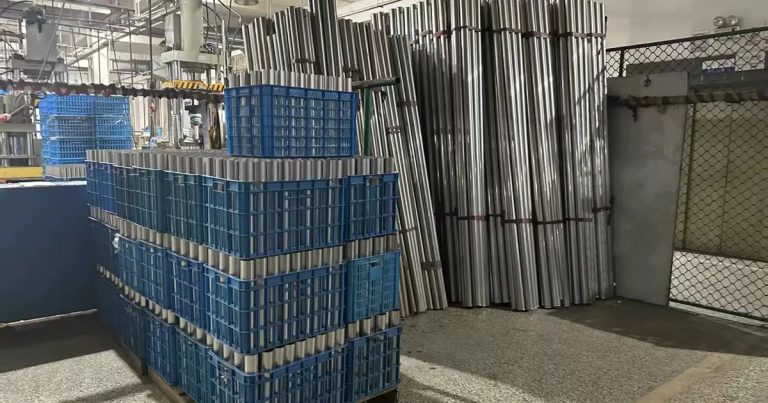
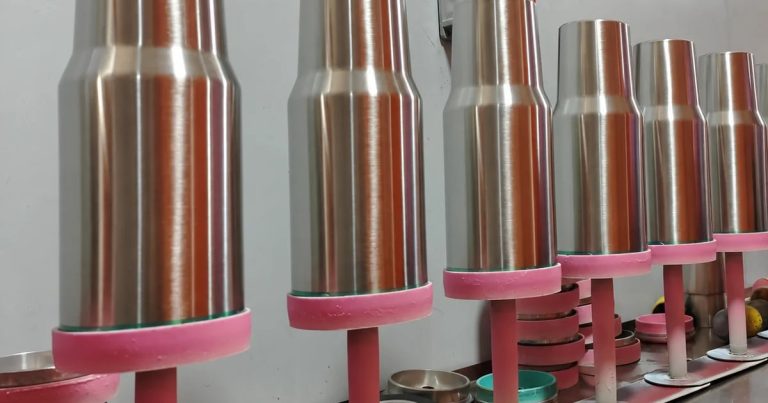
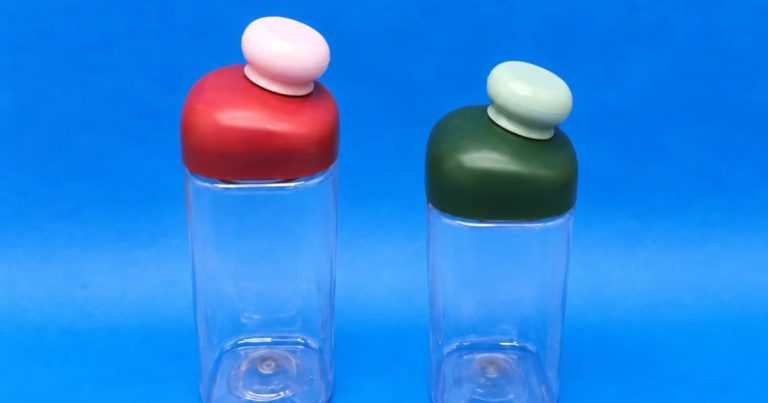
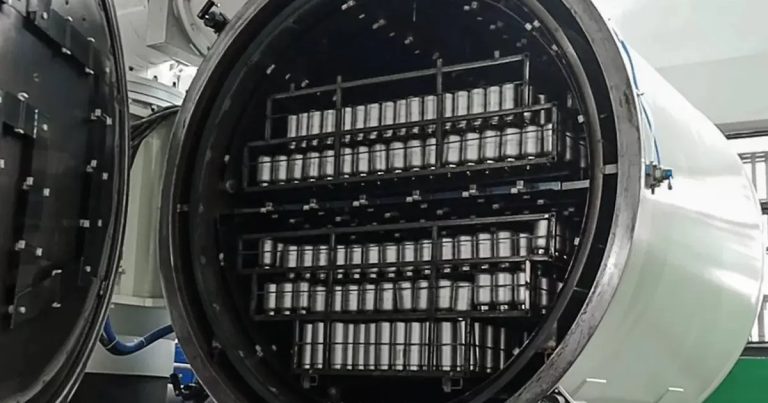
Material choice changes how parts are formed and assembled. Review plastic geometry before moulding; review metal bodies together with their joins, lids and bases. These photographs show plastic component moulding and stainless steel assembly.
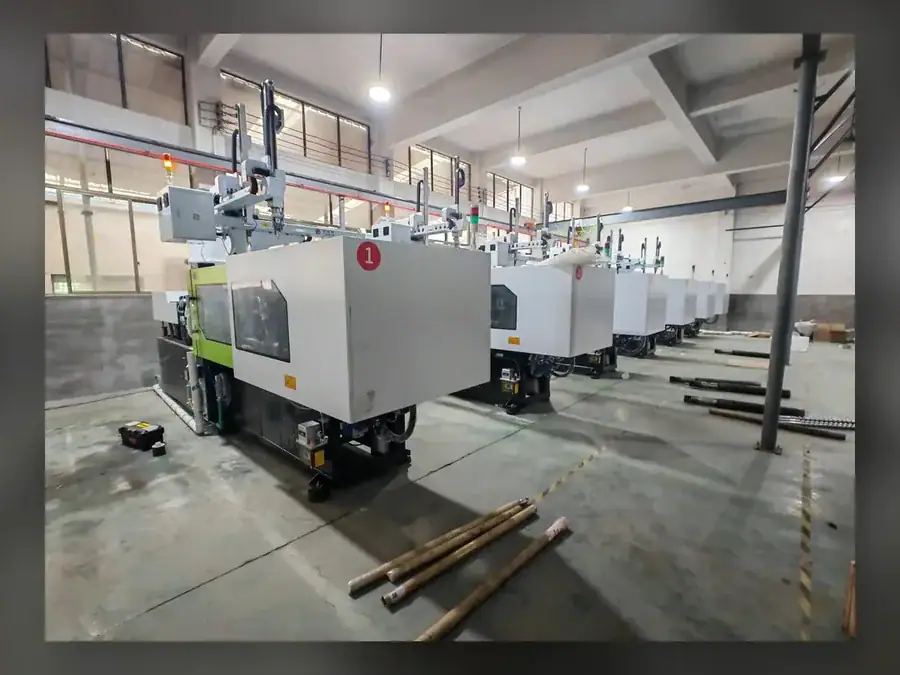
Geometry starts before moulding.
Parting lines, gates, wall transitions, fits and visible surfaces should be reviewed with the proposed resin, mould and assembly process.
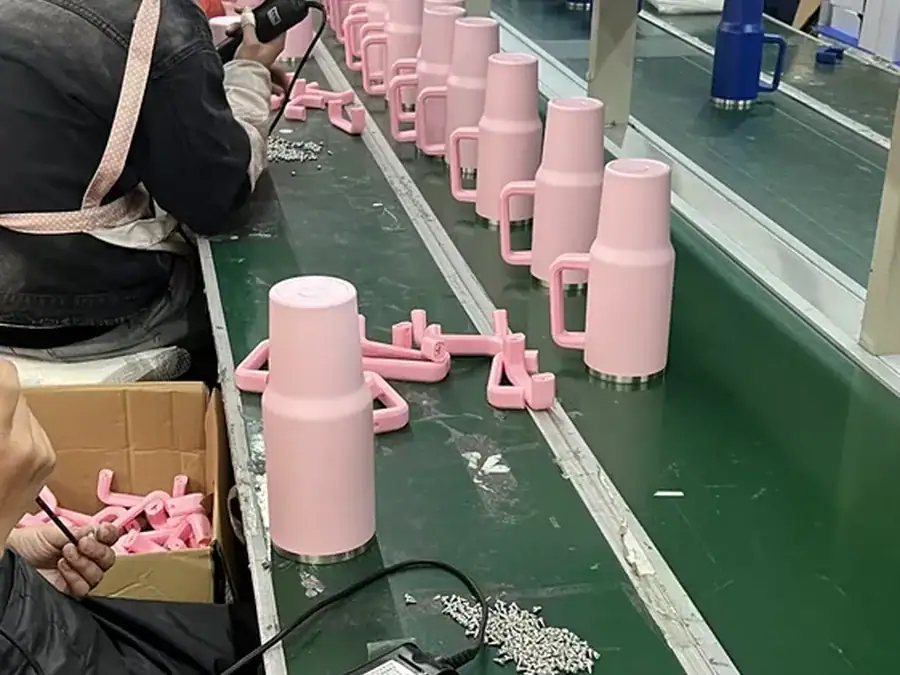
A body becomes a complete product.
Metal shells, bases, lids, seals, handles and finishes must align with the approved construction and appearance at the assembly stage.
Build a usable material brief
Give engineering and purchasing the same inputs.
Use the six fields below for the RFQ. Mark fixed requirements and acceptable alternatives so suppliers can quote the same scope.
Include every contact part, seal, straw, handle and accessory.
State foreseeable conditions instead of using only “daily use.”
Define buyer-specific acceptance points for the physical sample.
Approve the base surface and decoration as one visual system.
Name the requested documents, labelling and tests.
Separate existing options from new development or tooling work.
Food-contact material requirements
Confirm requirements for the actual market and use.
Review food-contact requirements by component and intended use. A body material does not settle the status of the lid, seal, straw or coating; the destination market and contact conditions determine which documents to request.
Buyer guides
- 18/8 vs 304 vs 316 stainless steel
Which steel grade to specify
- Stainless steel vs plastic water bottles
Which material fits which project
- BPA-free water bottles in bulk
What a useful BPA test report names
- Lead-free tumblers
Where lead can hide and how to check
Buyer questions
Questions to settle before material approval
Use these answers to structure the first discussion, then confirm the actual specification and sample.
What is the best material for water bottle projects?
There is no universal best water bottle material. Stainless steel, titanium and plastic involve different trade-offs in weight, structure, surface, tooling, order quantity and cost. Define the use, complete construction, intended contents, cleaning, target market and acceptance criteria before choosing.
Is titanium always the lightest finished bottle?
Not automatically. A titanium construction may reduce finished weight, but the result still depends on the proposed grade, wall thickness, capacity, lid, seals, handles, base parts and any double-wall construction. Compare complete samples built to the same functional brief.
Does a stainless steel bottle automatically provide insulation?
No. Insulation depends on the complete construction, such as the wall arrangement and manufacturing method, not the material name alone. Confirm the proposed structure and agree how thermal performance will be evaluated for the finished product.
Can one plastic specification cover the body, lid and straw?
Do not assume so. Different parts can have different structural, appearance, flexibility, temperature and contact requirements. Identify the proposed material for every relevant component and review the complete assembly.
Which documents should a buyer request?
Start with the destination market, product construction, relevant food-contact parts and intended conditions of use. Then agree which material declarations, supplier records, test reports or finished-product checks are required and who will review them. The document set is project-specific.
Which material keeps drinks cold longest?
A double-wall vacuum construction matters more than the metal. Vacuum-insulated stainless steel and titanium both keep drinks cold or hot for hours; single-wall steel, aluminium and plastic do not insulate. Choose vacuum insulation if the drink must stay hot or cold for hours, and a lighter single-wall body if it does not.
Turn a material choice into a product brief
Choose a format. Mark the unresolved material questions.
Send the intended use, contents, capacity, assembled-weight target, construction and destination market with a product reference. BG Drinkware can review the material options with the construction, artwork and sample requirements.
The salesperson responsible for the project coordinates these questions through process selection and sample approval.
Start a material discussion