BPA-Free Water Bottles in Bulk: What Buyers Should Verify Beyond the Label
By Feng, Head of After-Sales Service & Online Marketing Lead
A BPA-free label is only a starting point. Bulk buyers need to match the chosen bottle, lid and food-contact components to the materials and documents specified for their order.
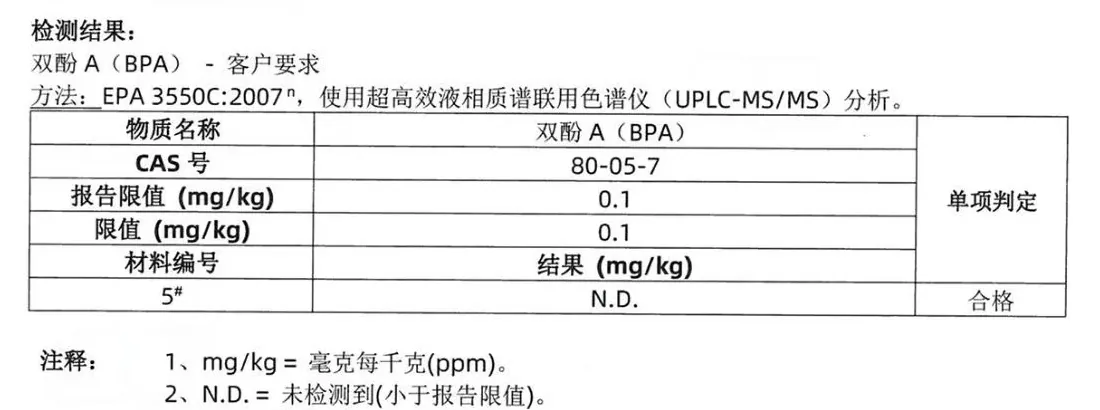
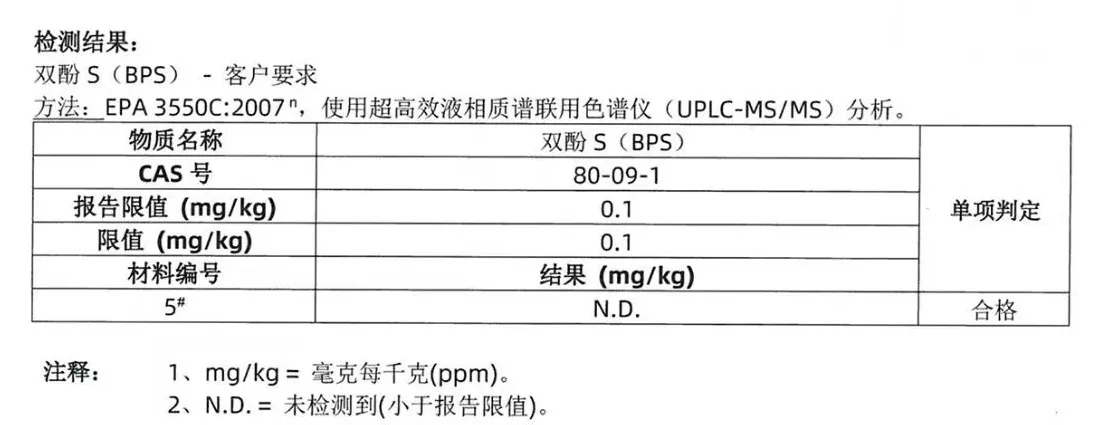
A BPA-free claim on a finished water bottle covers only the materials and components it names, so a buyer should first ask which part each result belongs to. Buyers should treat BPA and BPS as 2 separate substances: Bisphenol A (BPA) is one substance and bisphenol S (BPS) is a separate one, and neither result settles every food-contact requirement. A plastic bottle can include a separate lid, spout, straw and seal, and a stainless steel bottle can still have plastic and silicone parts in its drinking assembly. BG Drinkware's starting point is to select BPA-free materials during sourcing and carry that choice through the ordered components. One anonymized customer-supplied report for an earlier 380 ml spout cup, not a current water-bottle SKU, lists BPA and BPS as not detected below 0.1 mg/kg for material 5, the plastic body substrate; that was a content test against a customer-requested criterion, not a migration result or a legal limit, and materials 1 and 2 had no BPA or BPS result.
Evidence boundary: BG Drinkware supplied the material-selection practice and one customer-requested test report. The anonymized report excerpts below show results for one material in one submitted sample—not a site-wide certification, a current market-compliance decision or a guarantee for future orders.
What does “BPA-free” cover in a finished bottle?
Ask which material and component the claim names. Bisphenol A (BPA) is one substance, not shorthand for all food-contact or performance requirements. Bisphenol S (BPS) is a separate substance. A plastic bottle can include a separate lid, spout, straw and seal. A stainless steel bottle can still have plastic and silicone parts in its drinking assembly.
At BG Drinkware, the stated starting point is to select BPA-free materials during sourcing. The choice then needs to be carried through the actual ordered components. Documentation is arranged to meet the customer's requirements for a specific order; one report should not be assumed to cover the entire catalogue.
| Component | Question for the selected design |
|---|---|
| Bottle body | Is it plastic or stainless steel, and which material specification will be ordered? |
| Lid and drinking path | Which separate materials are present, even if the assembly looks like one part? |
| Spout, straw and seal | Which are present and food-contacting, and what documentation covers each? |
| Colour and version | Does the report match the approved sample and production-intent configuration? |
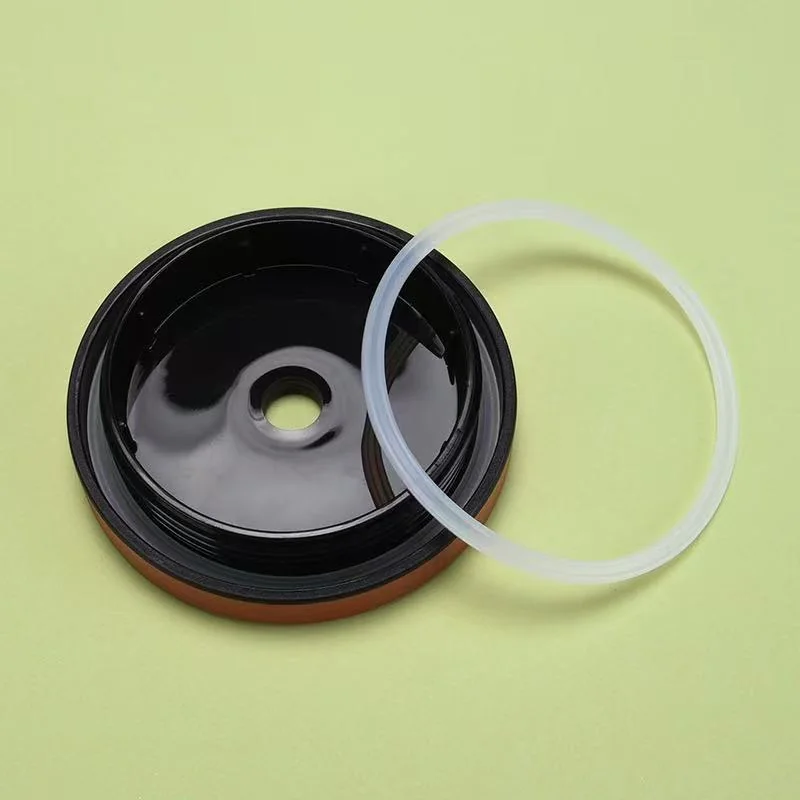
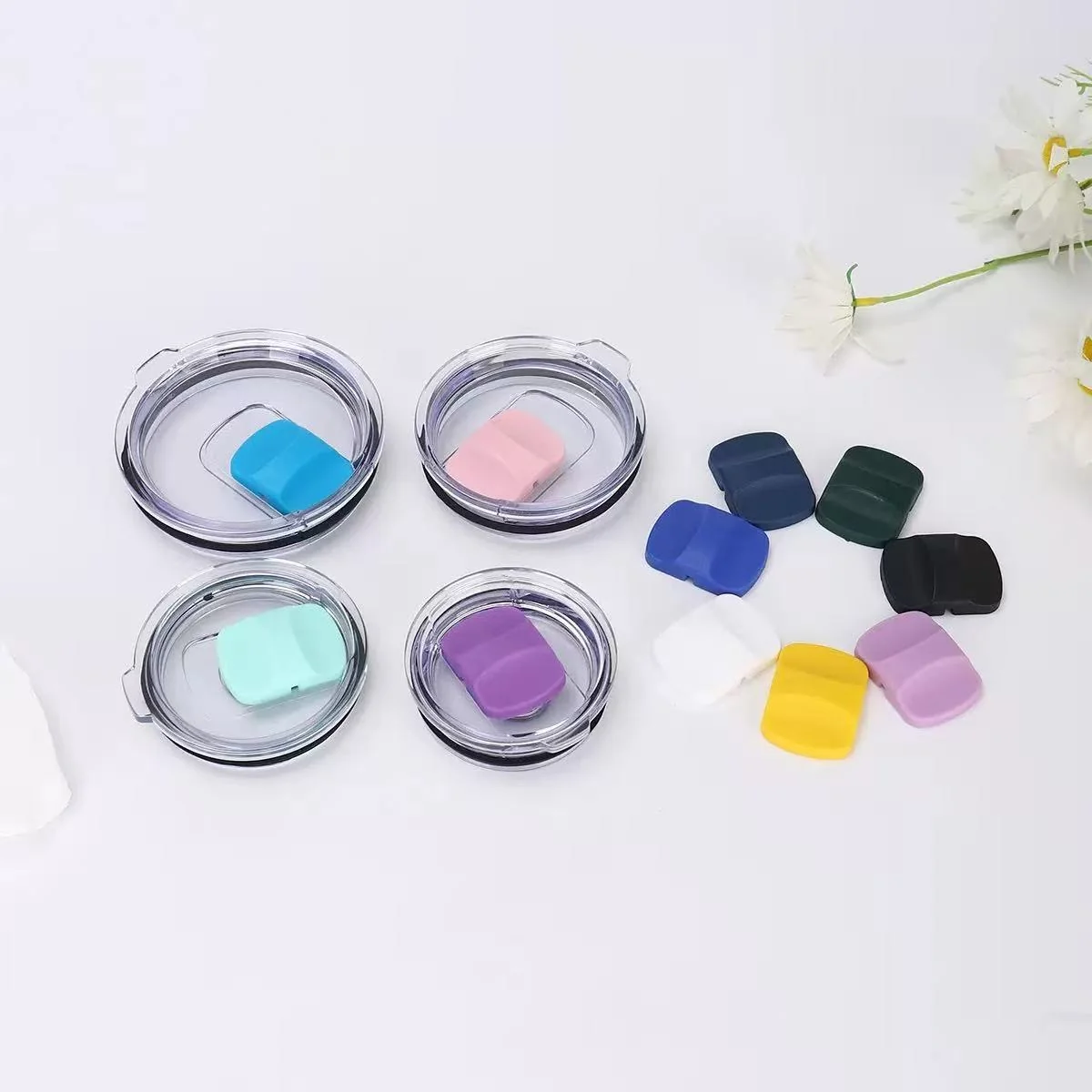
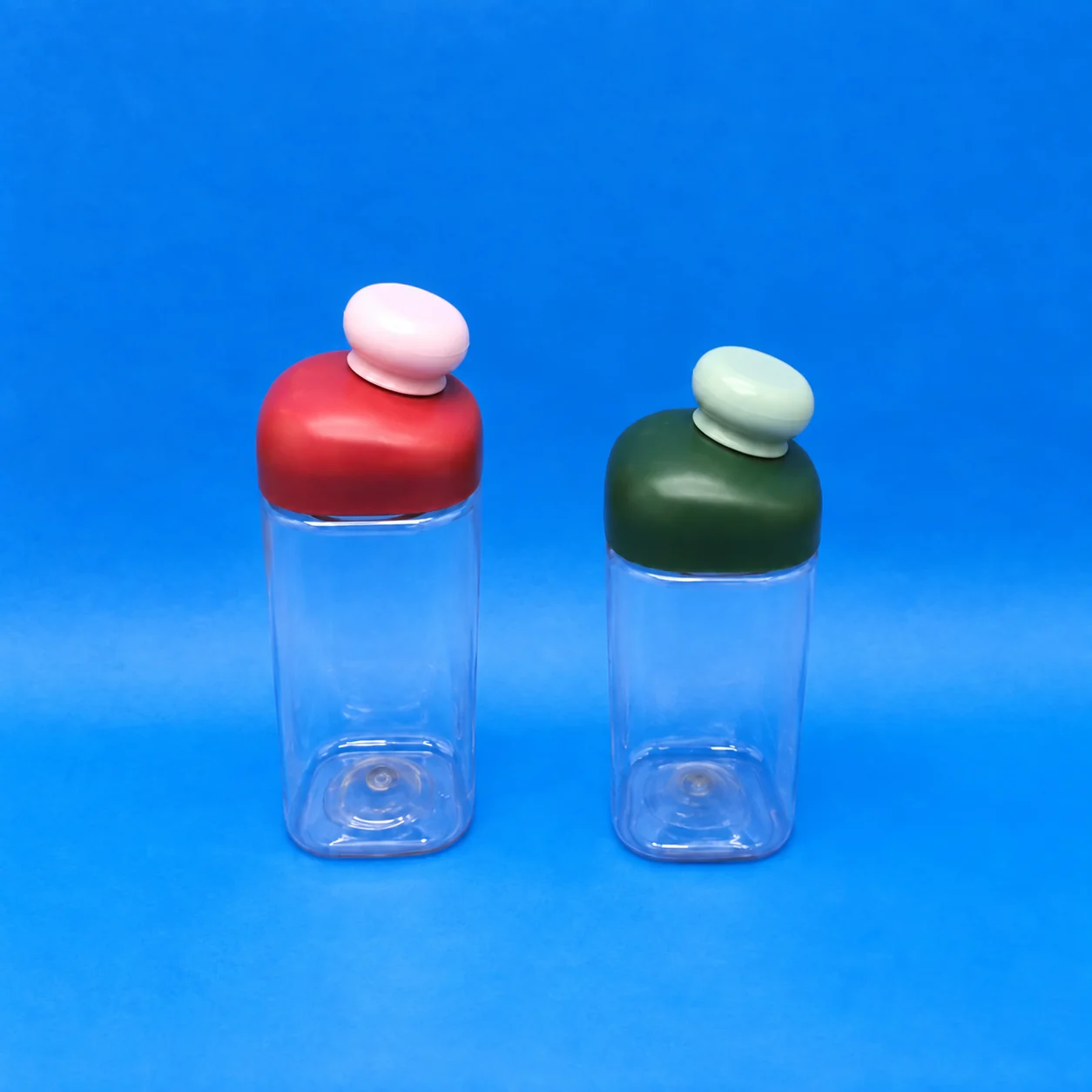
This is a purchasing map, not a claim that every part requires the same laboratory test. The relevant evidence depends on material, food contact, destination market, intended use and the customer's agreed specification. The pictured products and the report excerpts are illustrative; do not assume either represents the model in your order. For clear plastic bottles, see Tritan water bottles.
How do you match a BPA result to the ordered bottle?
Start with the tested material number, then map it to the physical part. A “pass” in a report summary is useful, but it cannot be extended to other parts, substances, models or production lots without a documented basis. Do not confuse general migration data with a BPA-specific result.
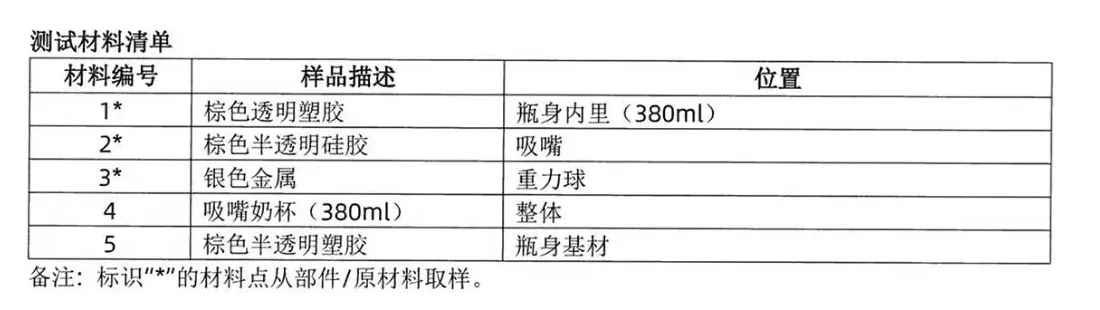
One anonymized customer-supplied report for an earlier 380 ml spout cup lists inner-bottle plastic component material 1, silicone mouthpiece material 2 and plastic bottle-body substrate material 5. This is not a report for a current water-bottle SKU. The customer-requested BPA and BPS content-test entries below are assigned to material 5 only; the excerpts do not establish that material 5 is the food-contact surface or provide a migration result for BPA or BPS.
The excerpts are not a catalogue-wide or future-order certificate.
Plastic bottle-body substrate in the report's material list.
Each reported N.D. below its 0.1 mg/kg reporting limit.
| Report material | Part described | What the cited BPA/BPS pages establish |
|---|---|---|
| 1 | Plastic inner bottle | No BPA/BPS-specific result is assigned to this material in the cited entries. |
| 2 | Silicone mouthpiece | No BPA/BPS-specific result is assigned to this material in the cited entries. |
| 5 | Plastic bottle-body substrate | BPA and BPS are each reported N.D. below 0.1 mg/kg and marked pass for this submitted sample. |
Why do destination market and intended use matter?
The required evidence depends on where and how the bottle will be used. Material and market requirements are not interchangeable. Cold water, hot beverages, prolonged contact and dishwasher care can call for different reviews; a document for one market is not an automatic answer for another.
The European Commission's food-contact legislation guide describes plastic food-contact Declarations of Compliance, supporting documentation and use-representative migration conditions. The Commission lists Regulation (EU) 2024/3190 on BPA and certain related bisphenols, together with its 2026/250 correction, and specifically flags the transitional provisions. The US FDA's BPA Q&A describes a different regulatory approach. Ask which current rules and documents apply to your exact product and target market rather than translating one report into a blanket compliance claim.
Put the intended contents, temperatures, care method and planned marketing claims in the specification. If a buyer needs a particular test or document, agree on its sample, material, method and acceptance rule before treating a catalogue description as evidence.
What can change between an approved sample and bulk production?
Material, supplier, lid version or colour choices may change the evidence needed. Record the approved bottle and lid combination, food-contact materials, destination market, intended use and requested documents before production. Review a proposed substitution against that approved version.
Name the model, lid revision, components, materials, colours and claims.
Agree which sample and components the customer's requested reports will cover.
Check the production-intent configuration against the approved sample and documentation.
BG Drinkware arranges reporting according to customer and order requirements; this article does not assert a fixed test schedule for every project. Its quality-control process and manufacturing overview are useful starting points for discussing how the ordered specification will be checked.
What should a BPA-free bottle request for quotation include?
Send the complete configuration and the claims you plan to make. “BPA-free bottle” is too imprecise to align a quote, sample, report and production order.
- Bottle style, capacity and target quantity
- Exact lid, spout, straw and seal configuration
- Material requirements for each food-contact part
- Destination market and intended contents
- Temperature, contact time and cleaning assumptions
- Planned BPA and, if relevant, BPS claims
- Required report sample, substances and scope
- Approved sample or drawing to match in production
Begin with the BG Drinkware product range and a named configuration. With these inputs, the factory can review material selection and discuss which order-specific documents can be arranged before the final specification is approved.
For what makes a bottle non-toxic beyond the BPA label, see non-toxic water bottles.
BPA-free water bottle FAQ: steel bodies, BPS and reports
Is a stainless steel bottle automatically BPA-free?
The steel body alone does not answer the question for plastic or silicone parts in the lid and drinking path. Check the selected assembly and its material documentation.
Does “BPA-free” also mean BPS-free?
No. They are separate substances. If BPS matters to the specification, request evidence that expressly addresses BPS.
Can one report cover every bottle model?
Do not assume so. Match the sample description, tested material and component to each ordered model; any broader use needs a documented basis.
Does a BPA-free claim prove dishwasher suitability?
No. Cleaning suitability is a separate product-performance question for the chosen body, lid, seal and decoration.
What should I send for a bulk quote?
Send the model and lid version, quantity, destination market, use conditions, planned claims and documents you require.
Make every component and claim traceable.
Share your selected bottle, lid construction, target market, intended use, quantity and reporting requirements. BG Drinkware can review the material choices and documentation for that specific order.