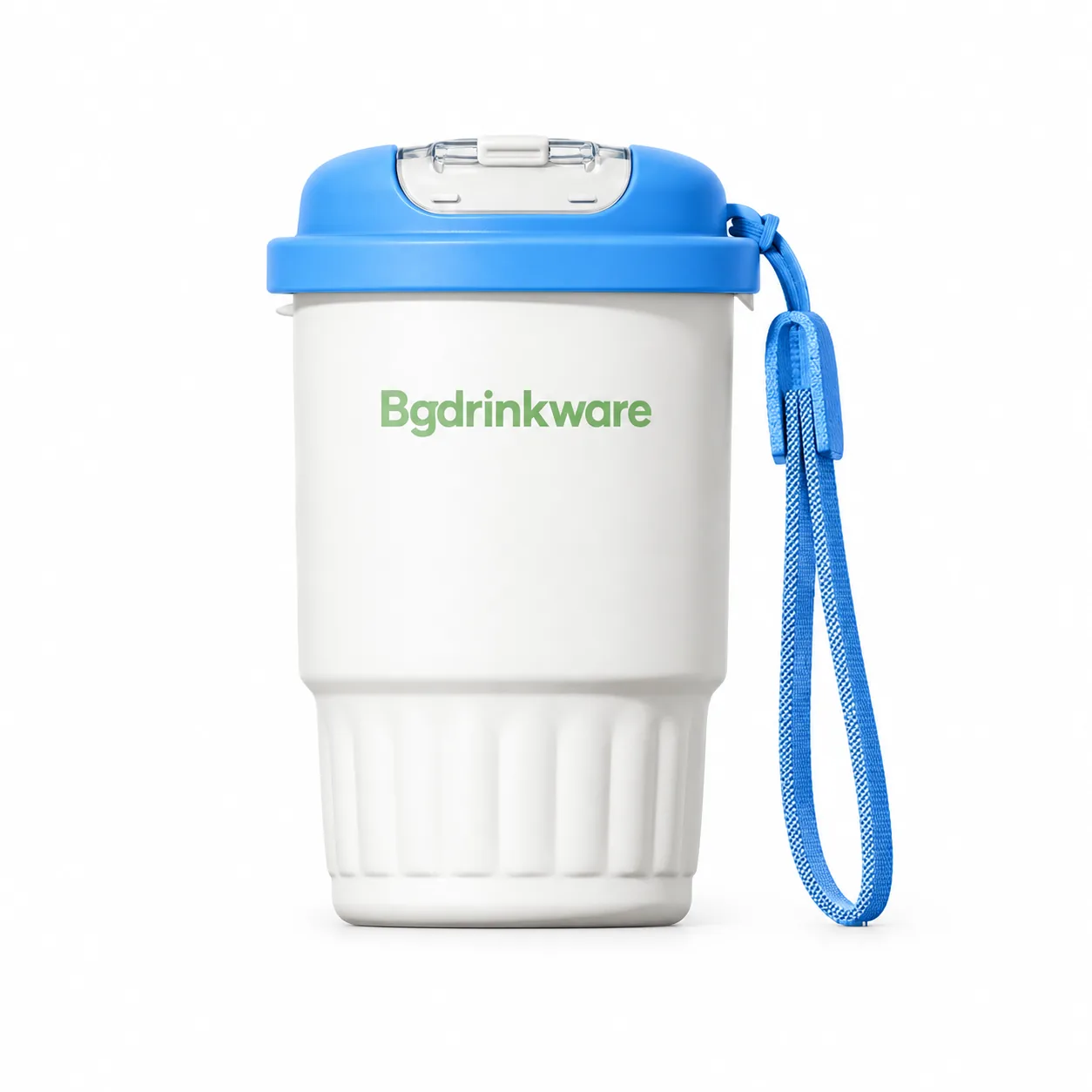
COFFEE CUP · 380ML
Ribbed dual-drink coffee cup
Compact body, two drinking options and carry lanyard.
View product →
MATERIAL · STRUCTURE · FINISH
Choose body construction first (single wall, double wall or vacuum), then specify stainless grade by part—liner, outer shell and base can differ. Treat “18/8” as a starting label commonly associated with Type 304; keep 304 and 316 as explicit quote options and ask what material record will be supplied. Browse stainless tumblers, review QC checks, or request a materials brief.
PRODUCT CATALOGUE
Explore bottles, tumblers, mugs and jugs built around stainless steel. Compare format and drinking method first, then confirm the exact construction, finish and custom options for the model you shortlist.
Compact body, two drinking options and carry lanyard.
View product →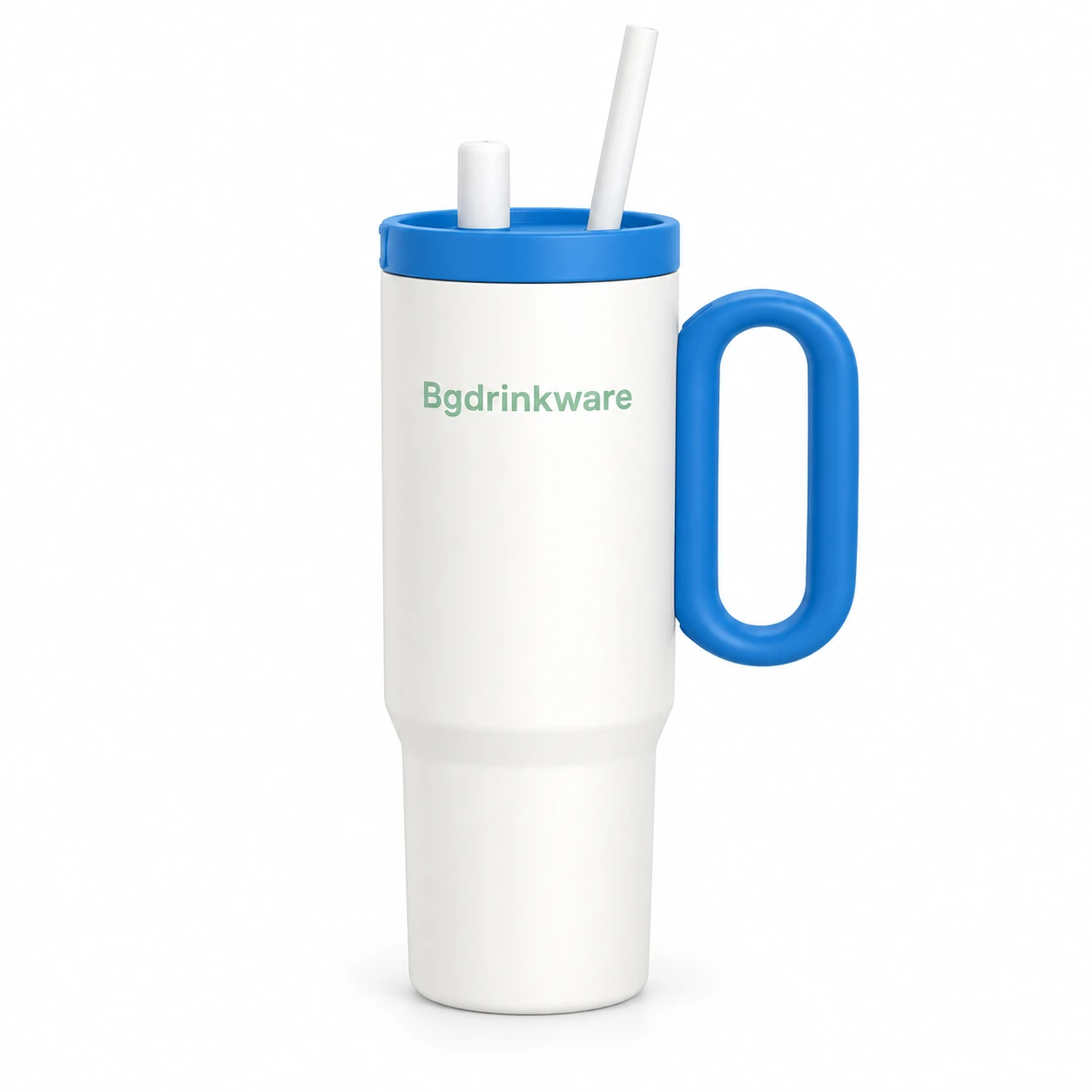
Handle, straw and removable tea-infuser arrangement.
View product →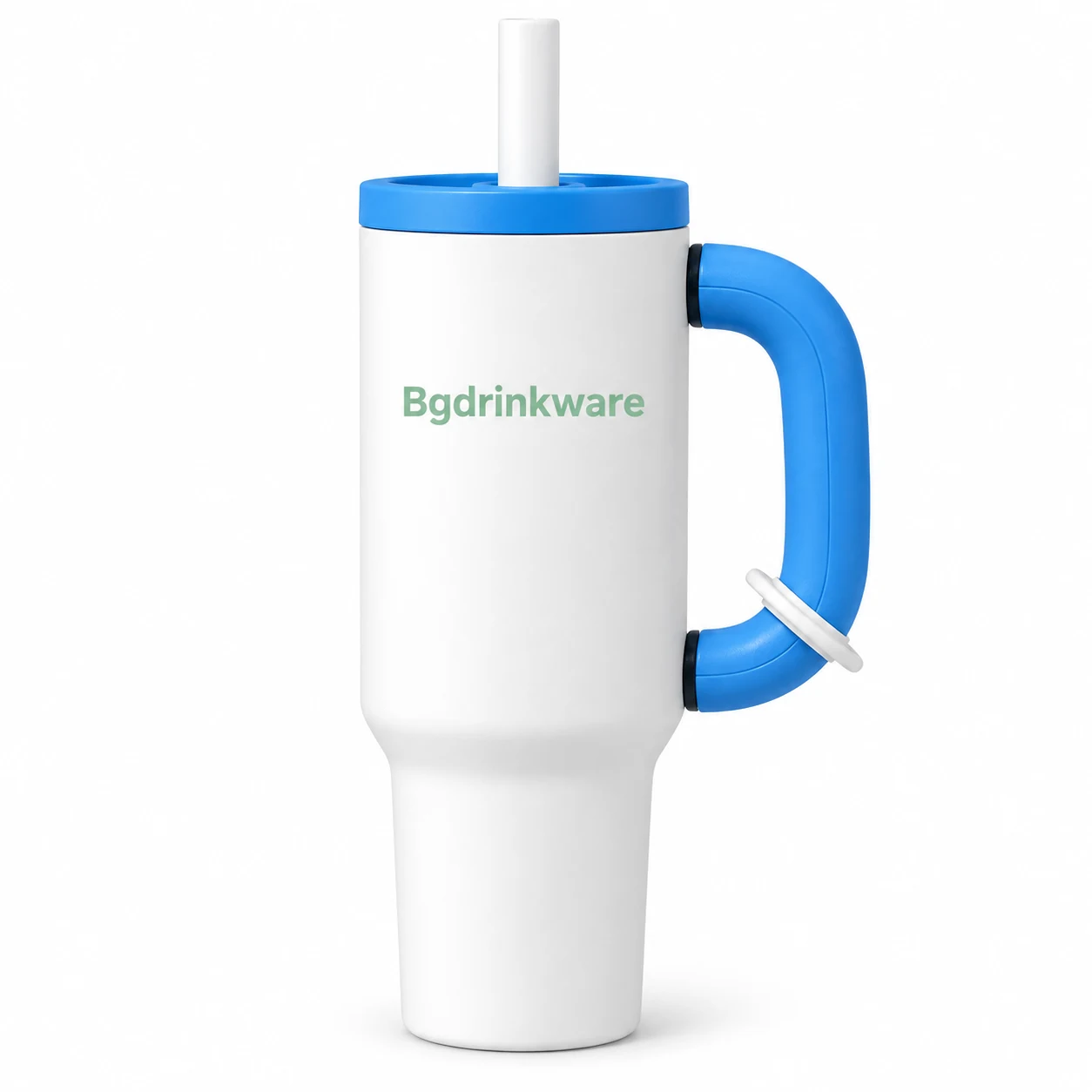
High-capacity body with a covered straw opening.
View product →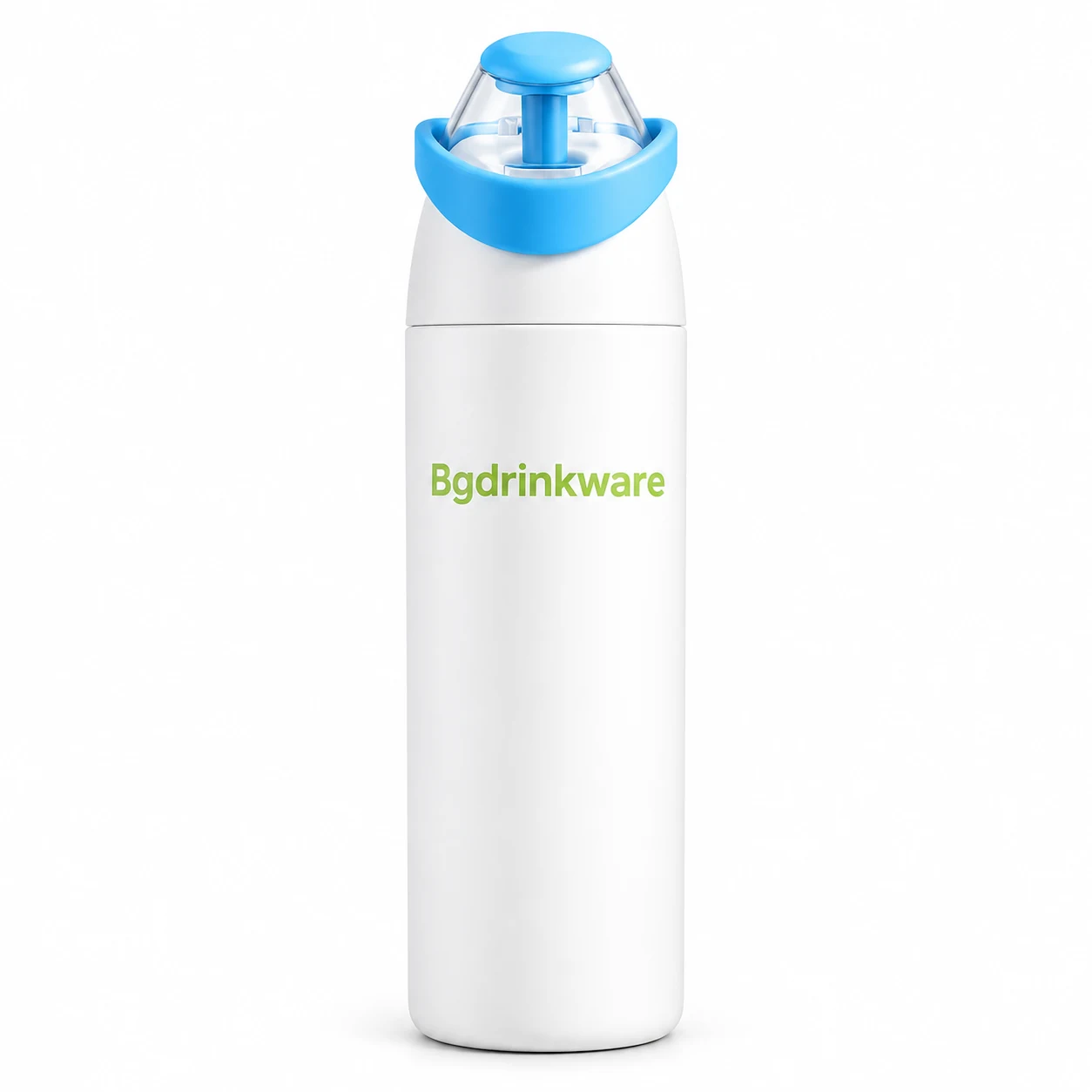
Carry handle with direct-sip and straw-drink options.
View product →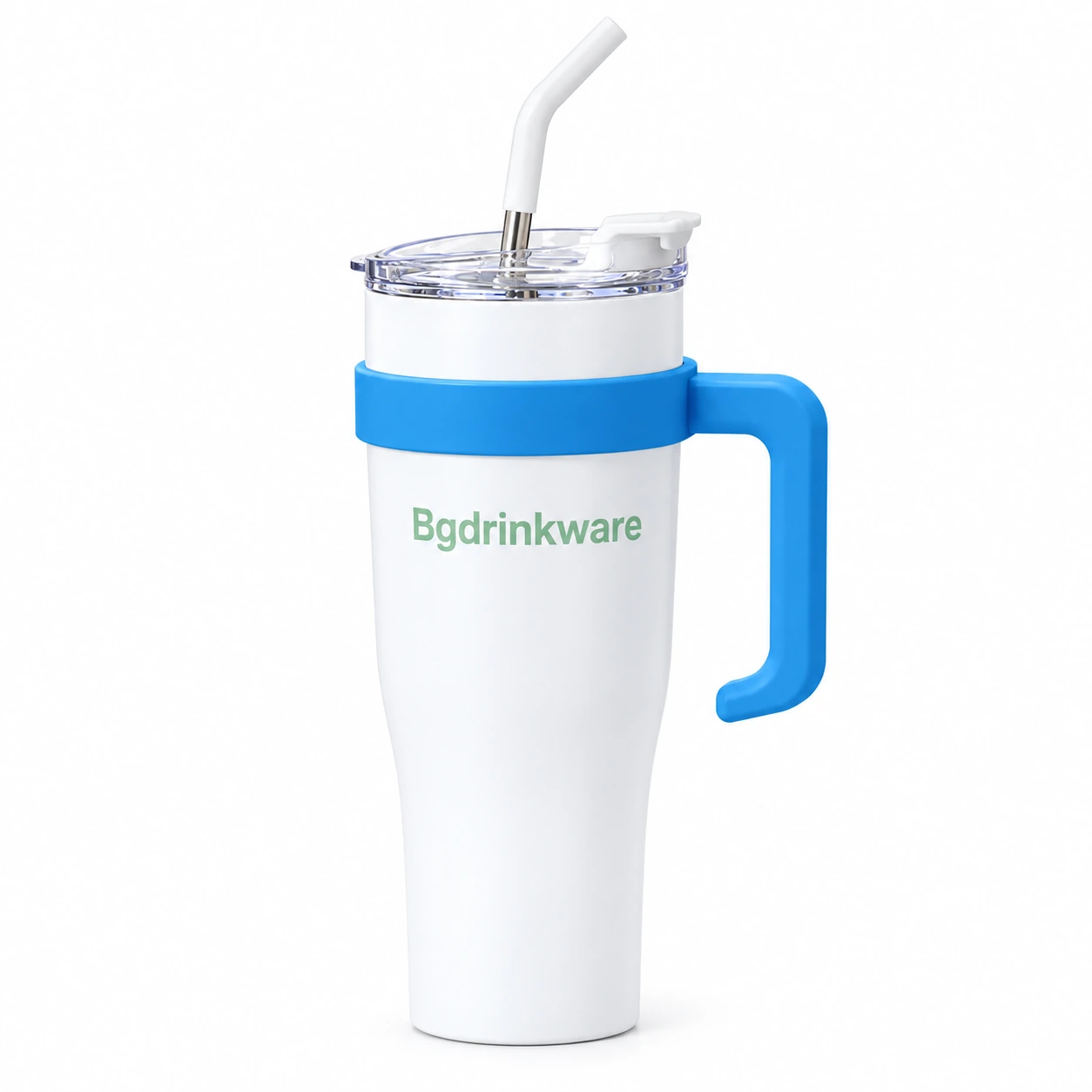
Large handle, wide opening and two drinking modes.
View product →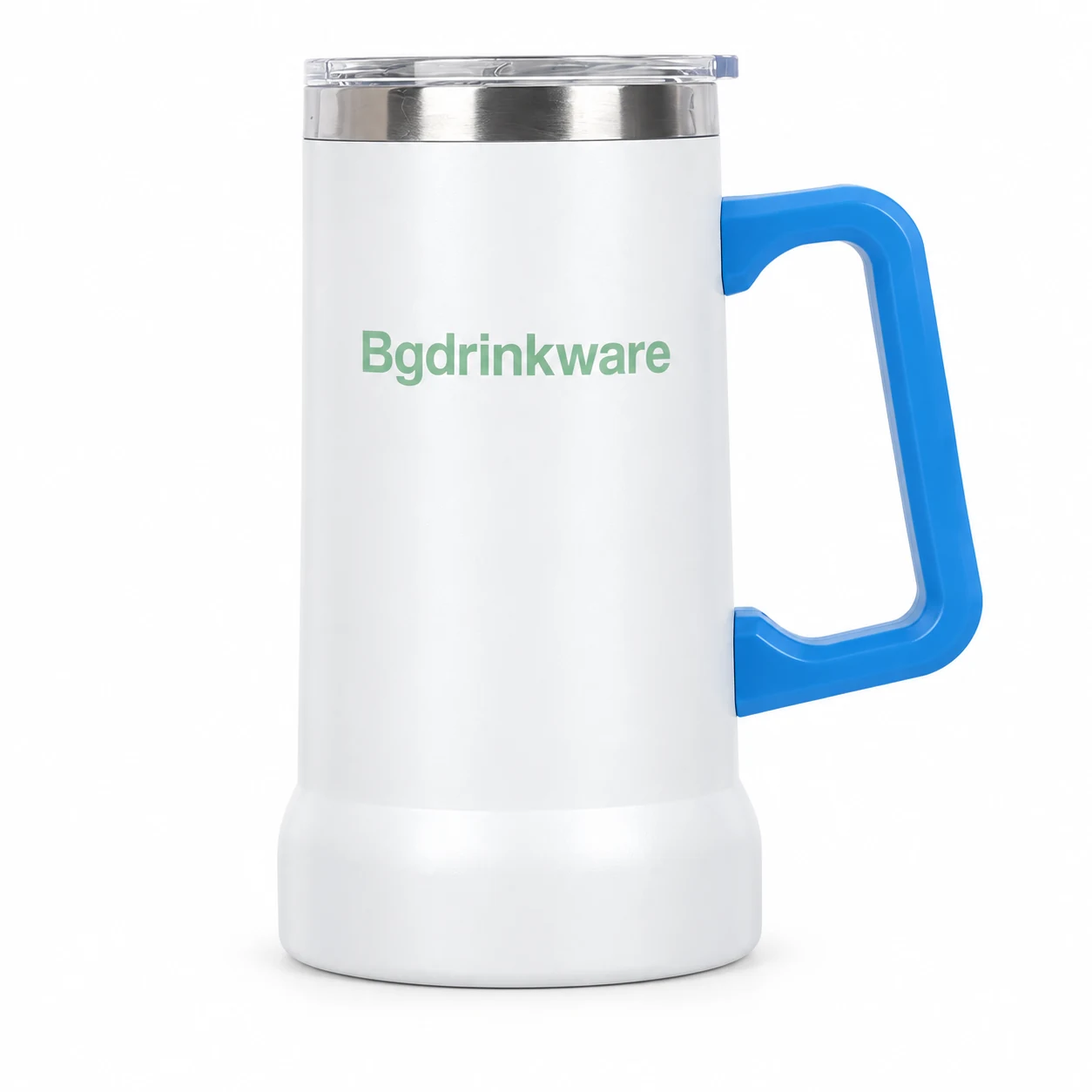
Wide grip and sliding lid for beverage programs.
View product →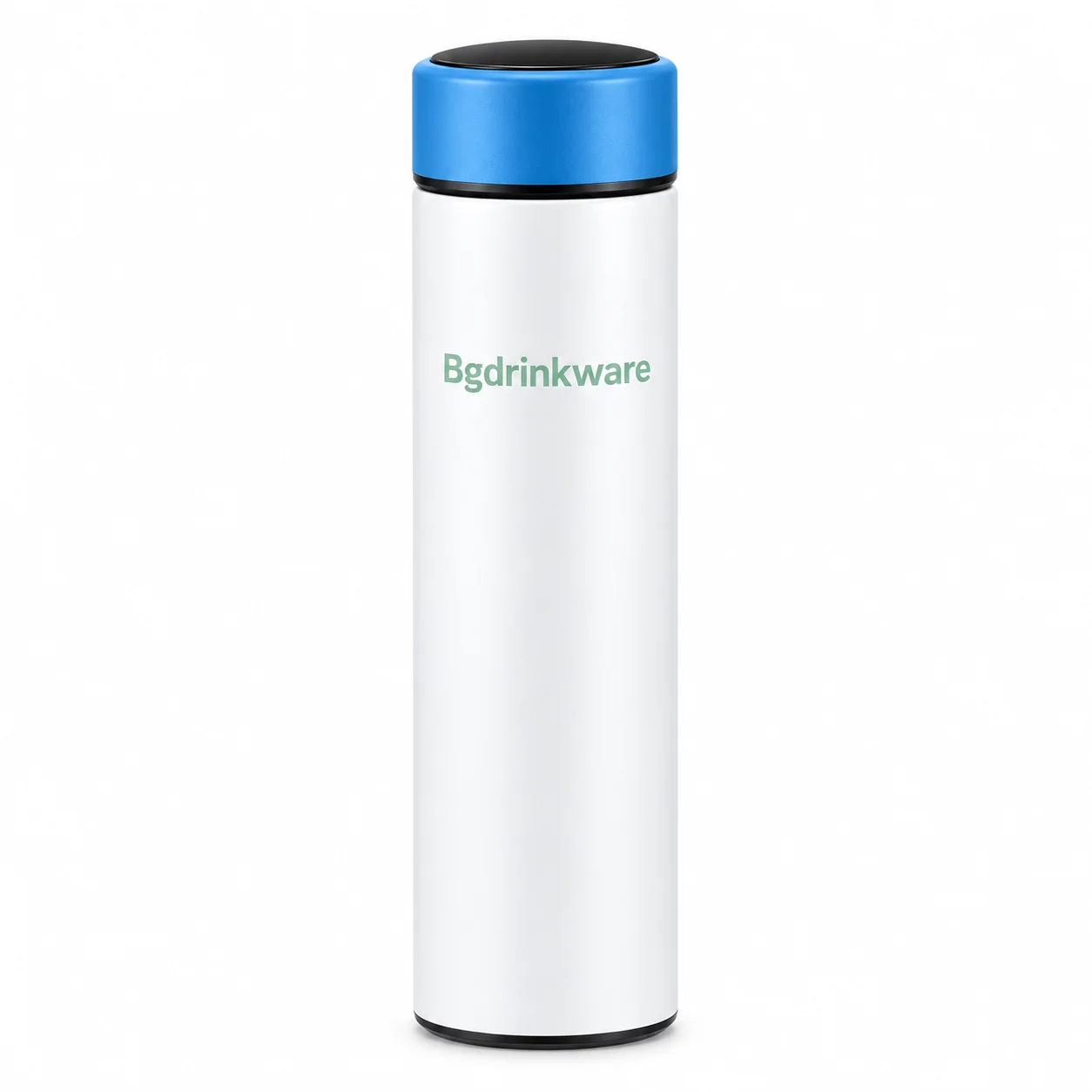
Touch display and removable tea-infuser arrangement.
View product →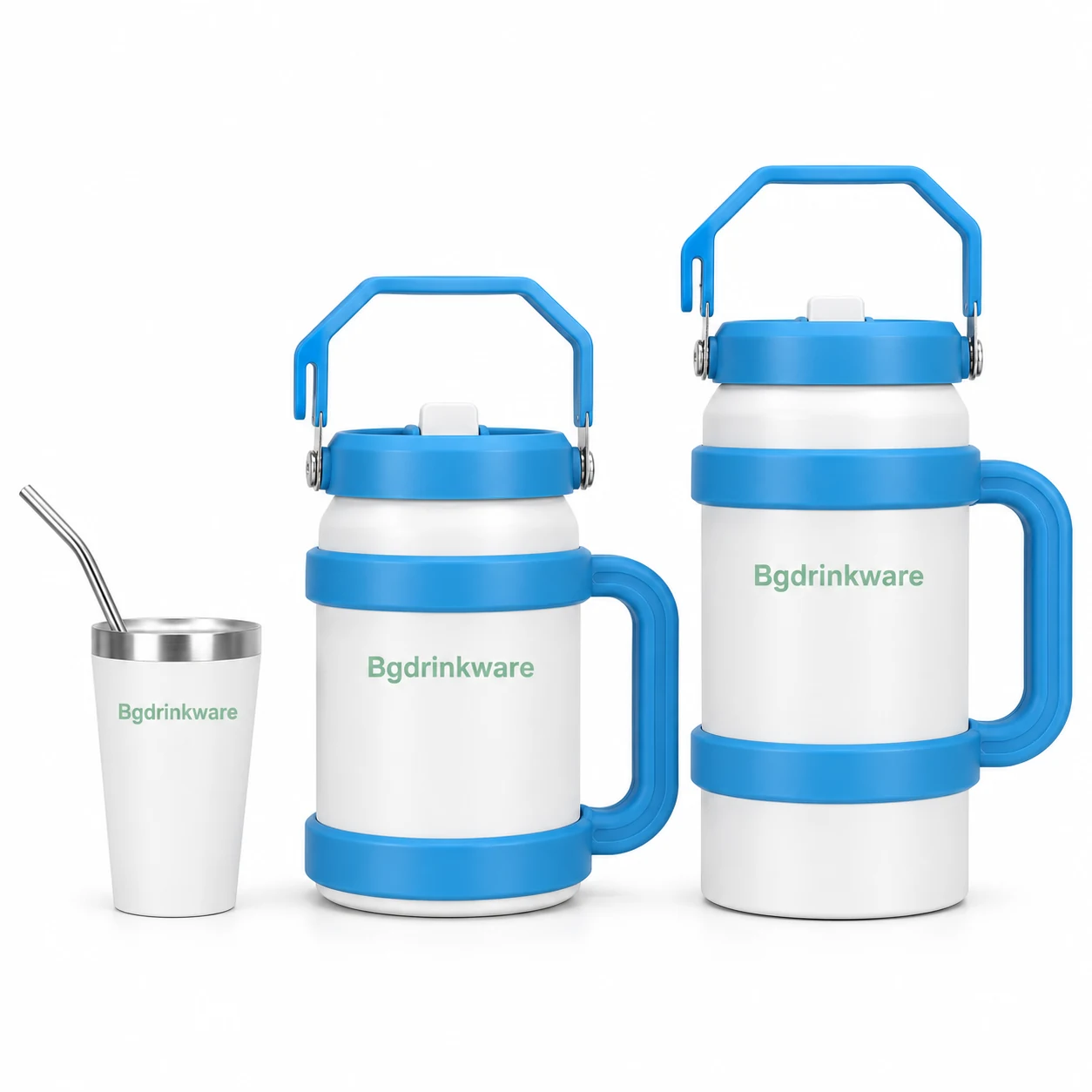
Two capacity options with carry handle and pouring lid.
View product →Coffee cups
No products match these filters. Clear one or more filters to see the full range.
0 selected for your project brief.
Sport bottles
No products match these filters. Clear one or more filters to see the full range.
0 selected for your project brief.
Tumblers
No products match these filters. Clear one or more filters to see the full range.
0 selected for your project brief.
Food jars
No products match these filters. Clear one or more filters to see the full range.
0 selected for your project brief.
Kids cups
No products match these filters. Clear one or more filters to see the full range.
0 selected for your project brief.
Outdoor jugs
No products match these filters. Clear one or more filters to see the full range.
0 selected for your project brief.
Tea pots
No products match these filters. Clear one or more filters to see the full range.
0 selected for your project brief.
Gift cups

No products match these filters. Clear one or more filters to see the full range.
0 selected for your project brief.
SHORT ANSWER
Stainless steel drinkware is not automatically insulated. Choose single wall when no insulated cavity is needed; specify vacuum construction when thermal retention matters. Then identify the grade of the liner, outer shell and base separately, and agree the complete-product checks.
State the intended contents, use setting, cleaning conditions, capacity and accessories before discussing a material upgrade.
Identify the inner wall, outer shell, base and any other metal part. One product may contain more than one material specification.
Record bare metal, brushing, polishing, colour coating and decoration separately so the sample can be reviewed without ambiguity.
Keep the drawing revision, part-level material list and accepted sample together. Name any test that must pass before release.
START WITH THE BODY
Specify wall construction and insulation separately: a double-wall body is not necessarily vacuum insulated. Confirm the shortlisted model’s construction and agree any thermal test before ordering.
Use the selector to compare construction routes.
Consider a single wall when the brief does not require an insulated cavity. Confirm handling temperature, condensation expectations and the complete product weight.
Two walls create a separated construction, but “double wall” alone does not confirm a vacuum, a test method or a temperature-retention result.
Specify the target use and agreed performance checks for the complete bottle, including the body, lid, seals and sample condition.
Start with intended contents, handling temperature, condensation expectations, capacity, lid and finished-product weight.
Stainless steel drinkware is usually made with a 304 inner wall, the part that touches the drink, and a 304 or 201 outer wall. BG Drinkware, a drinkware manufacturer in Yongkang, China, uses a 304 inner wall and a 201 outer wall as standard, with a 316 inner wall or a 304 outer wall on request; some kids bottles and teapot infusers already use 316. 18/8 is a description of 304's chromium and nickel content, not a separate grade. Vacuum bodies are sealed with lead-free material, and every vacuum product is temperature-tested unit by unit before shipping. Bare stainless steel can be laser engraved or screen printed but not UV printed; coated bodies also take UV printing. Stainless steel should not go in a microwave, and vacuum bottles should not go in the freezer or fridge. The standard minimum order is 500 pieces and negotiable.
| Grade | Where it is used | Notes |
|---|---|---|
| 304 (18/8) | Standard inner wall | Food-contact grade used for most drinkware |
| 316 | Inner wall on request; some kids bottles and teapot infusers | More resistant to salt and acidic drinks; costs more |
| 201 | Standard outer wall | Does not touch the drink; 304 outer on request |
To quote, send the capacity, quantity, model, colour, logo method, packaging, payment terms and trade terms. BG Drinkware is a drinkware manufacturer in Yongkang, China.
GRADE, PART AND RECORD
“18/8” describes a familiar chromium-and-nickel composition and is commonly associated with Type 304. For a sourcing project, still name the proposed grade, the part it applies to and the record used to confirm it.
List the liner, outer shell and base separately. The grade required for one part need not describe the others.
Specify 316 for the part that needs it and explain the intended use. Ask for that option in the quotation rather than a blanket upgrade.
Request the material record and part or lot reference. A magnet check or photograph alone cannot identify the full steel specification.
Review wall thickness, geometry and joined areas on the drawing and sample; the grade label does not resolve these construction details.
| Label / grade | How this site uses it | Buyer action |
|---|---|---|
| 18/8 | Familiar chromium-and-nickel composition label; commonly associated with Type 304 on this page | Still name the proposed grade, the part, and the confirmation record |
| 304 | Explicit option; often listed as interior / liner on published tumbler product pages | Match grade to the part (liner vs shell vs base) |
| 316 | Explicit option for the part that needs it | Explain intended use; ask for that option in the quotation—not a blanket upgrade |
| 201 | Listed as exterior steel on selected published tumbler product pages | Confirm exterior vs interior grades on the model you shortlist |
Reference: British Stainless Steel Association on 18/8 and 304 designations (opens in a new tab), and Atlas Steels grade datasheets, hosted by worldstainless and revised in 2013 (opens in a new tab). These are general material references, not evidence for a specific BG Drinkware order.
FACTORY PATH
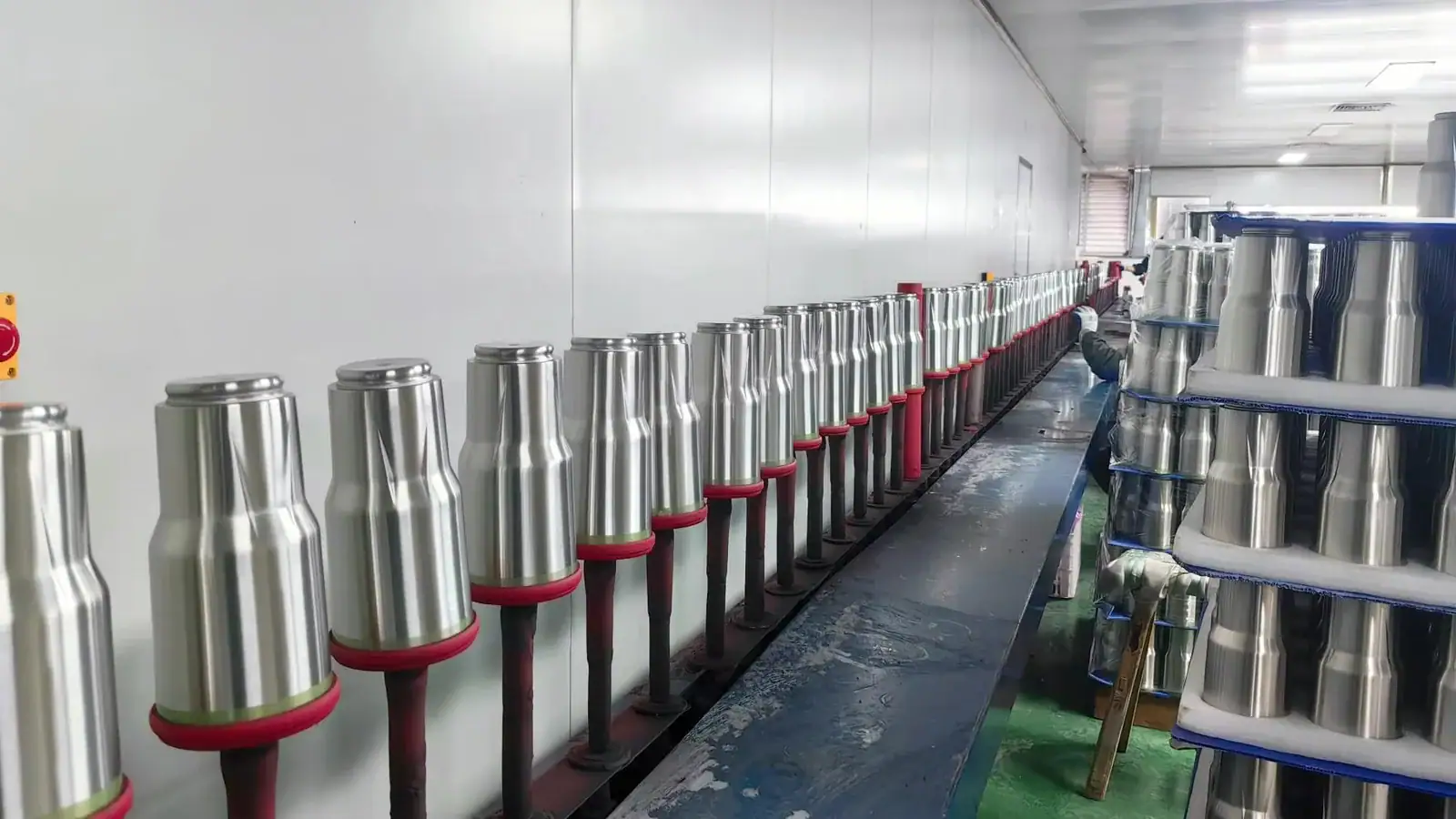
Stainless steel water bottle manufacturers need more than a material name. Body design and tooling define the forming route. Joined construction, vacuum-related processing, surface preparation and the approved sample must then stay connected through manufacturing.
Images illustrate factory activities; the order specification and agreed tests establish acceptance.
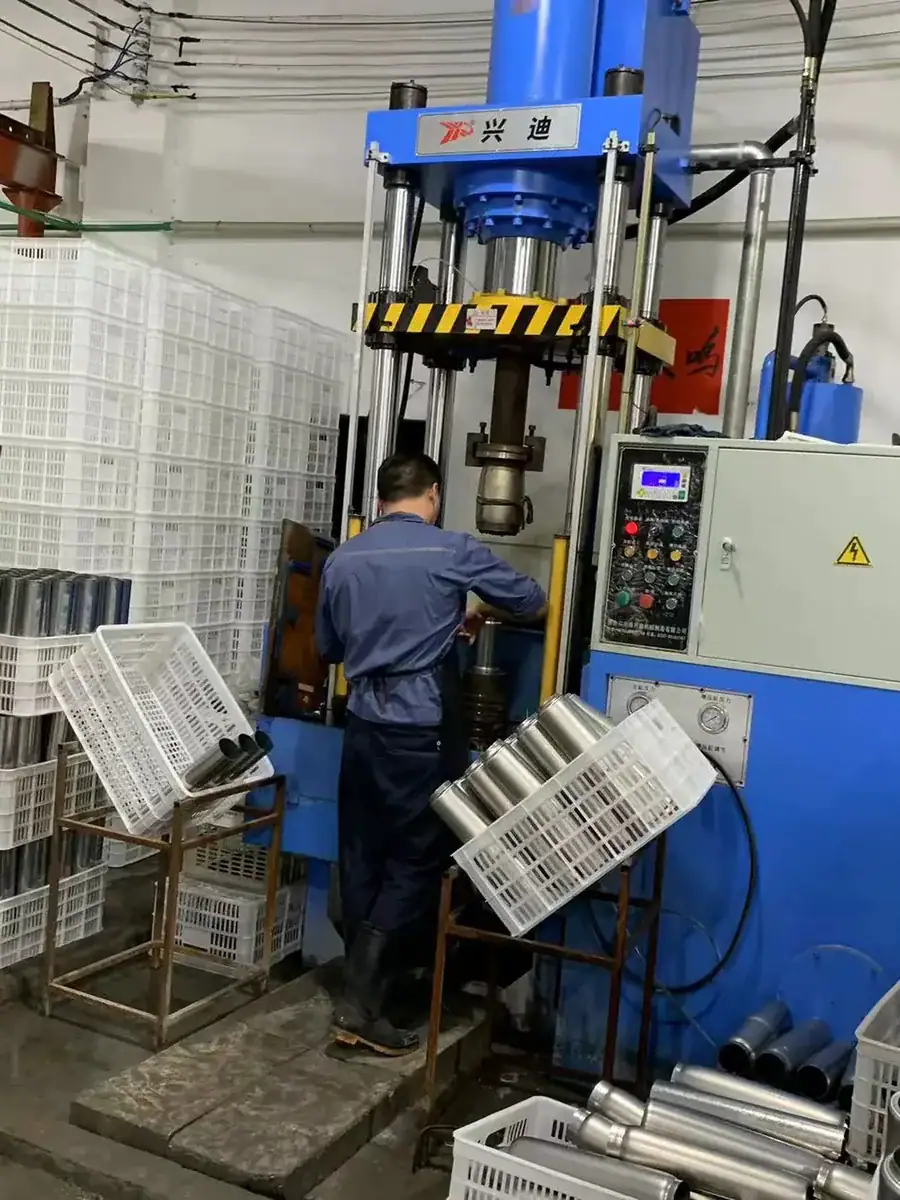
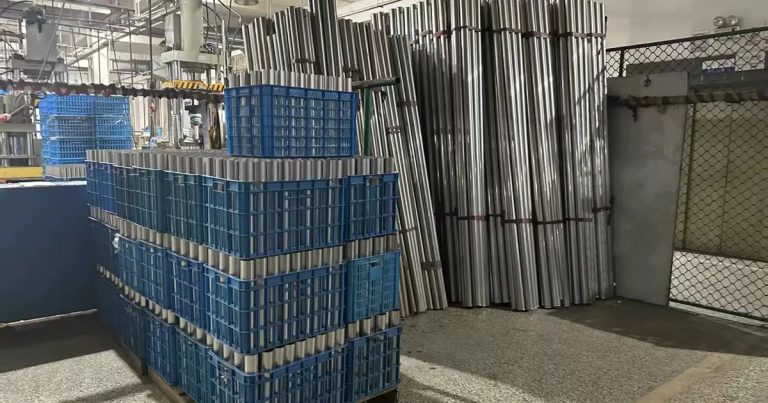
Review capacity, profile, neck, base, wall arrangement and critical dimensions with the proposed tooling and downstream assembly.
Body-forming workstation with unfinished metal bodies nearby.
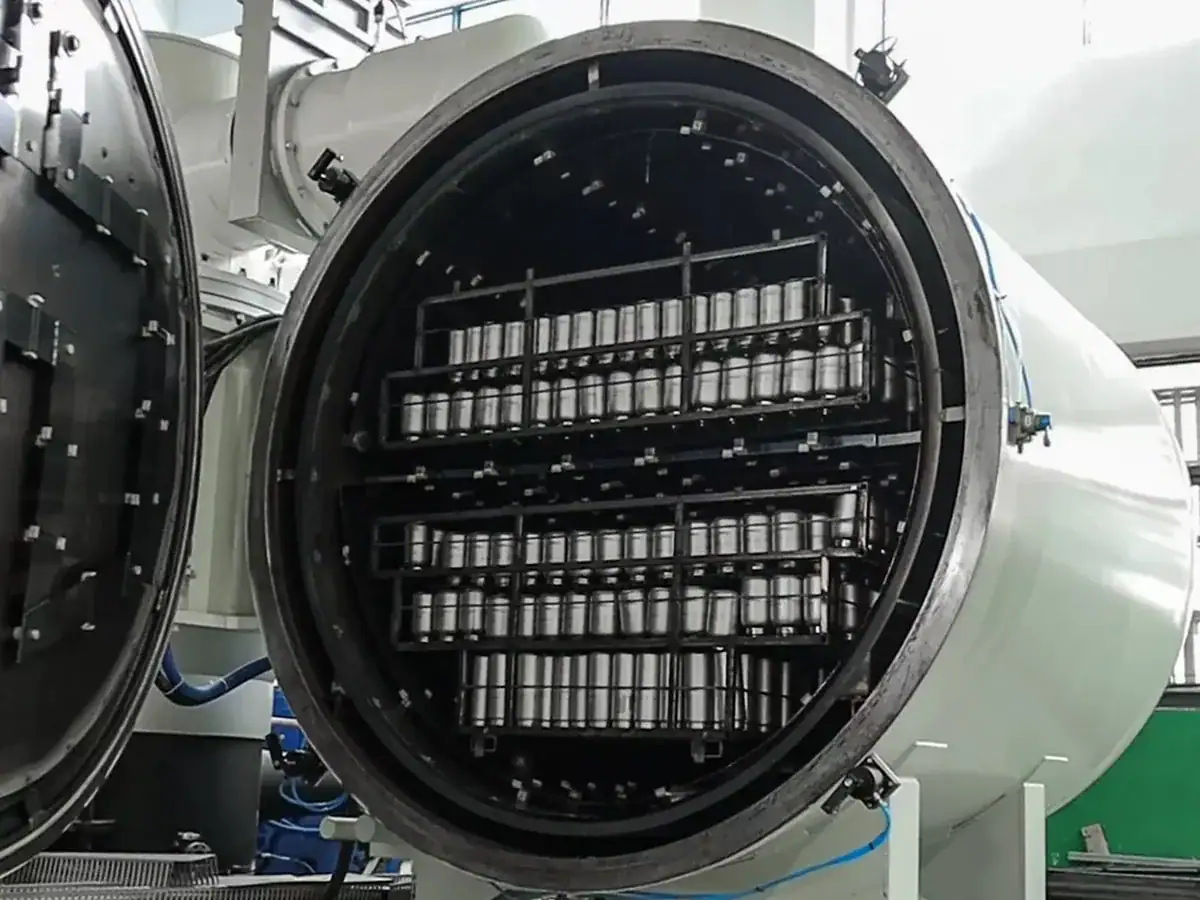
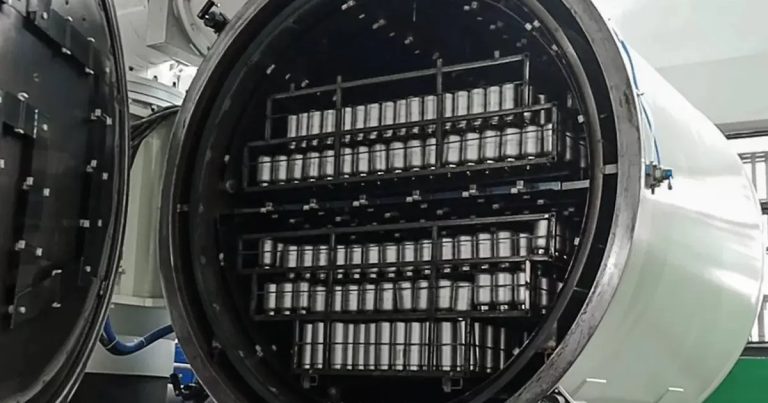
For a double wall stainless steel water bottle, record whether a vacuum is required. Define starting temperature, duration, measurement method and acceptance limit for the assembled sample.
Rows of metal bodies inside an open vacuum-processing chamber.
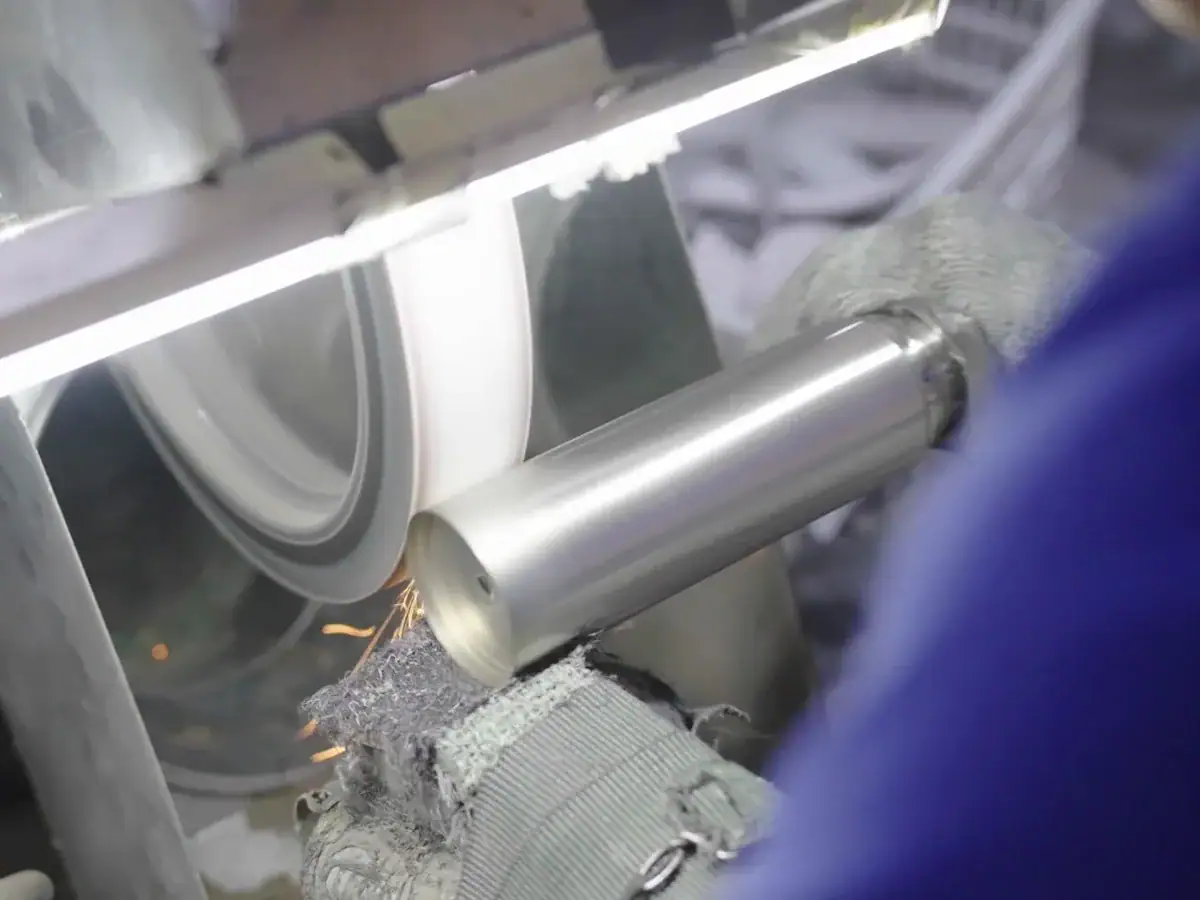
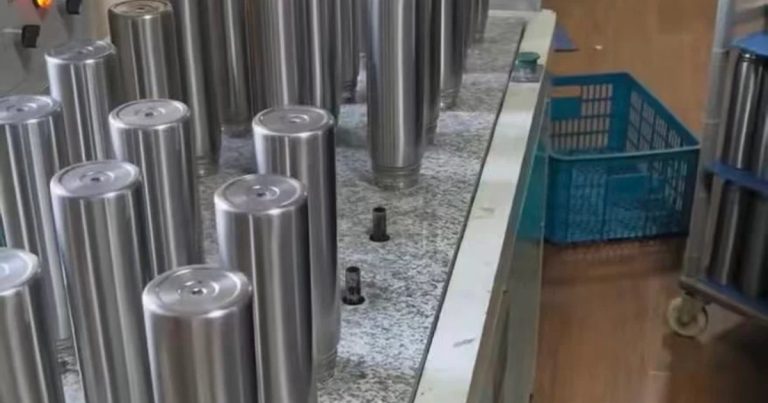
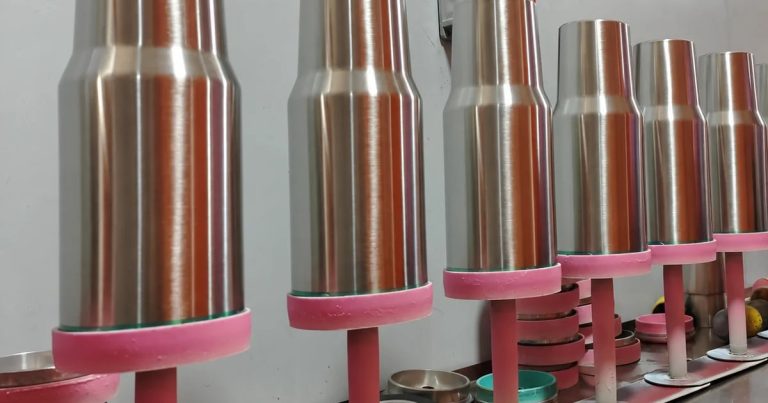
Brushing, polishing and coating preparation affect what buyers see and feel. Approve the actual finish under agreed viewing and handling conditions.
Close view of surface polishing on a stainless steel cup body.
CUSTOM SURFACE DIRECTION
Custom stainless steel tumblers can use brushed, polished or coated exteriors. Review the logo on the selected finish: its contrast and hand feel can change with the surface.
Project noteOne buyer switched from a spray-painted base with UV decoration to powder coating because the combined hand feel missed their preference. This was one project’s choice, not a general compatibility rule.
Compare drinkware customization optionsSAMPLE AND ORDER CONTROL
Approve appearance, function and material documents separately. Use the four check groups below to record the result and any unresolved item.
BG Drinkware’s responsible salesperson coordinates artwork, process follow-up and sample approval; the buyer confirms acceptance requirements.
DESTINATION AND INTENDED USE
A steel-grade record is not a complete food-contact review. Include lids, seals and other relevant contact parts, then request documents for their intended use and destination market.
Which steel grade to specify
Where lead can hide and how to check
Why the vacuum layer keeps drinks hot or cold
Which material fits which project
BUYER QUESTIONS
Use the short answers to identify missing inputs, then confirm the actual construction and sample with the project team.
It includes bottles, tumblers, cups and related vessels that use stainless steel in one or more body components. The term does not define the exact grade, wall construction, insulation, lid, finish or compliance status. Those details belong in the product specification.
18/8 is a common composition description based on chromium and nickel content and is widely associated with Type 304. For purchasing, state the actual grade required, identify the part it applies to and agree the supporting record instead of relying only on the shorthand.
No. Double wall describes two-wall construction. A project that requires vacuum insulation should state that requirement separately and define how the complete sample will be checked. Do not infer a temperature-retention result from the wall count alone.
No single grade is automatically best for every project. Decide from the intended contents, environment, construction, forming route, destination requirements, cost and required records. If 316 is necessary, write it into the part-level specification and quotation.
Many custom projects use coloured exterior finishes with printing or laser decoration. Compatibility and appearance still depend on the actual body, coating and artwork. Approve colour, gloss, texture, logo result and handling requirements on a representative sample.
Send the product reference, capacity, construction, material requirement by part, lid and accessories, finish, artwork, estimated quantity, destination, intended use, packaging and acceptance priorities. Mark fixed requirements and open alternatives so the quotation can be compared on the same basis.
18/8 describes the roughly 18% chromium and 8% nickel in 304 stainless steel, so the terms are often used for the same material. Specify 304 or 316 by grade on the order, and ask which grade is used for the inner and outer walls.
The outer wall does not touch the drink, so 201 keeps the cost down. If you want 304 throughout, BG Drinkware can use a 304 outer wall on request. The inner wall, which touches the drink, is 304 as standard, and a 316 inner wall is also available on request.
PREPARE A REVIEWABLE RFQ
Complete what you know and mark unresolved choices. BG Drinkware can then review the product route without treating assumptions as approved specifications.
Still comparing formats? Review tumblers or sport bottles, then use the drinkware material guide to compare construction requirements. Include the packaging configuration in the quotation.
This box does not submit or store information. Copy the text into the quotation form.
Search BG Drinkware
Add us on WeChat

WeChat ID: +86 151 5891 9004
Open WeChat, tap + then Scan, and point it at the code.