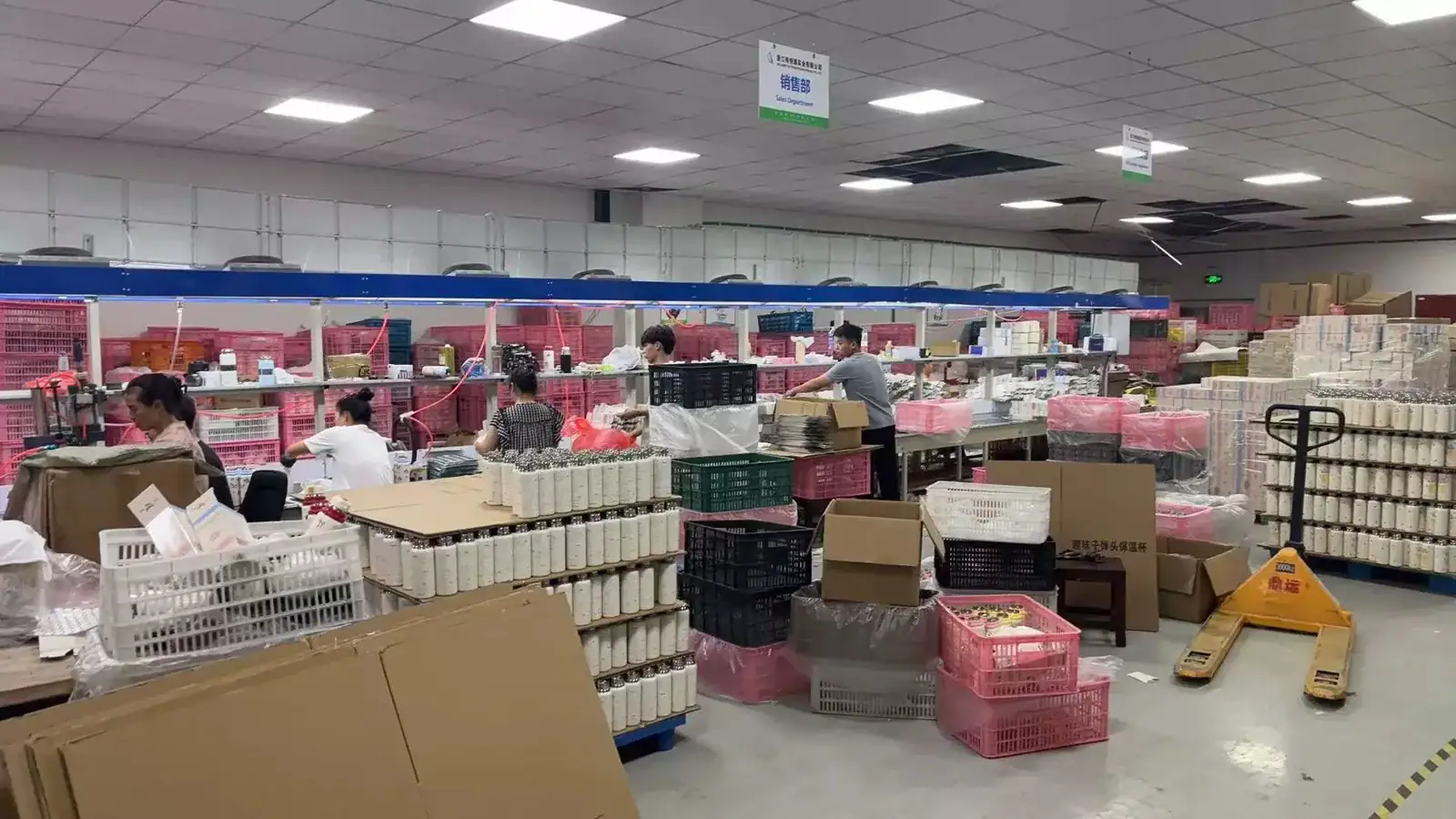
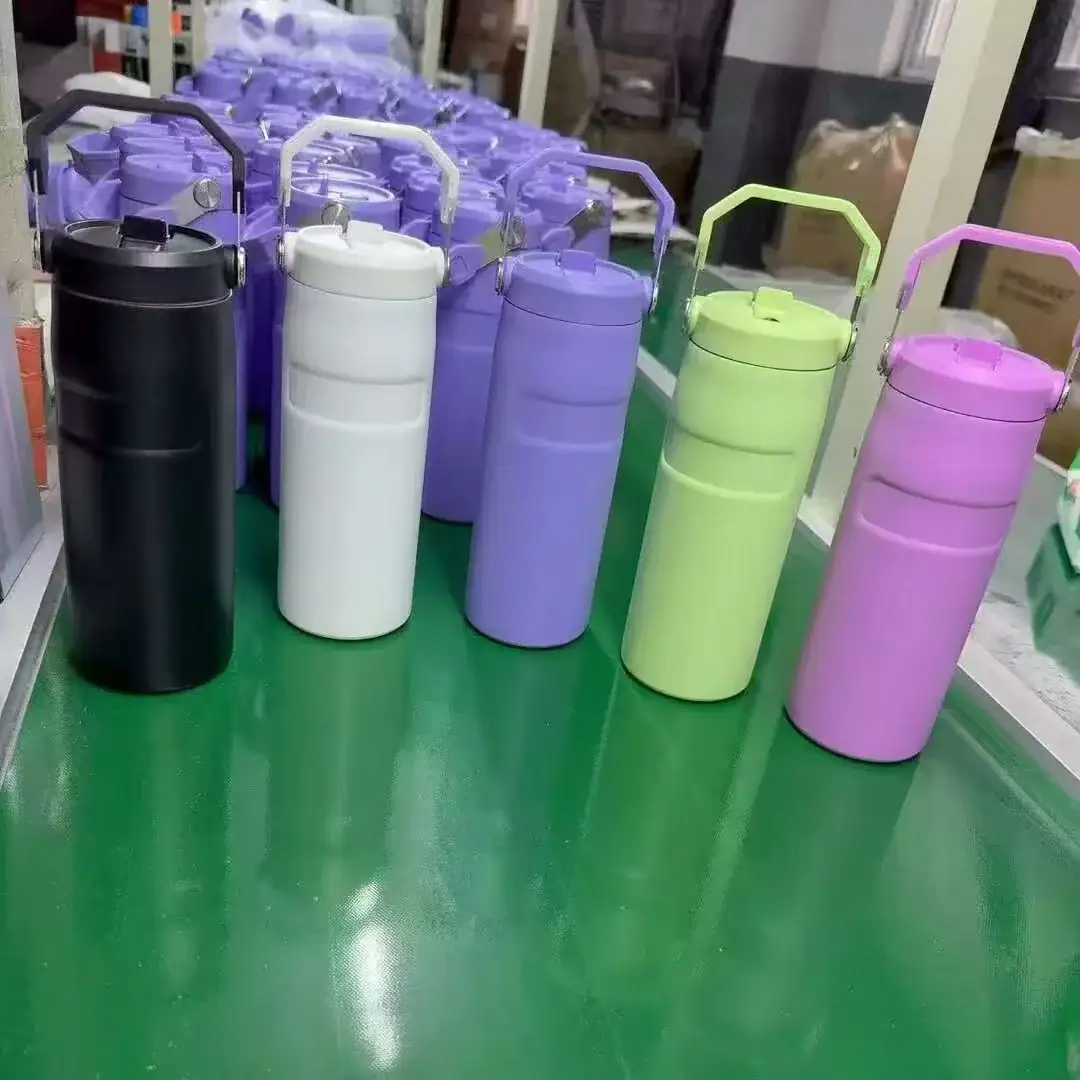
Custom drinkware packaging covers the unit pack, insert, labels and master carton built around the approved product. Start with the complete item (body, lid and accessories), then size each layer for your sales channel and shipping route—confirm assortment and units per carton before production. Prepare a packaging brief, review packaging samples, or browse product options.
Custom drinkware packaging covers the inner pack, such as a colour box, kraft box, gift box or polybag, the insert that holds the product, and the export carton. BG Drinkware, a drinkware manufacturer in Yongkang, China, sets packaging per order, so boxes, inserts, labels and carton marks can follow your brand. Typical export cartons hold 20 to 100 pieces, depending on the product: a 750 ml loop-cap bottle packs 50 per carton at 17 kg, and a 40 oz tumbler 20 per carton in a kraft box at 14 kg. For Amazon, BG Drinkware can apply FNSKU labels, bag each unit with a suffocation warning and label cartons, and FBA cartons can be configured to meet weight and size limits. Gift sets can use a mailer box with a foam insert, and custom gift sets start at 1,000 sets. Send the packaging brief with the product brief, so the sample includes the pack.
What should your packaging cover?
Custom drinkware packaging should cover the complete product and accessories, individual box, protective insert, artwork, labels and shipping carton. BG Drinkware reviews these choices against your model, quantity, sales channel and destination. Set the requirements before sampling; changing a lid, handle or accessory later may require a different insert, box size or carton arrangement.
From product to master carton
Build the packaging from the inside out
Start with the complete product, then size the insert, unit pack and shipping carton around it. Confirm where parts touch and how each layer is assembled.
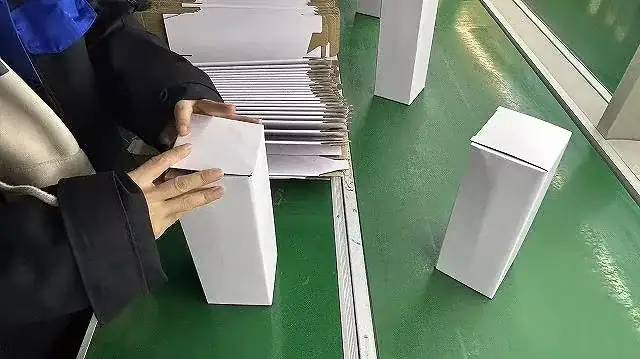
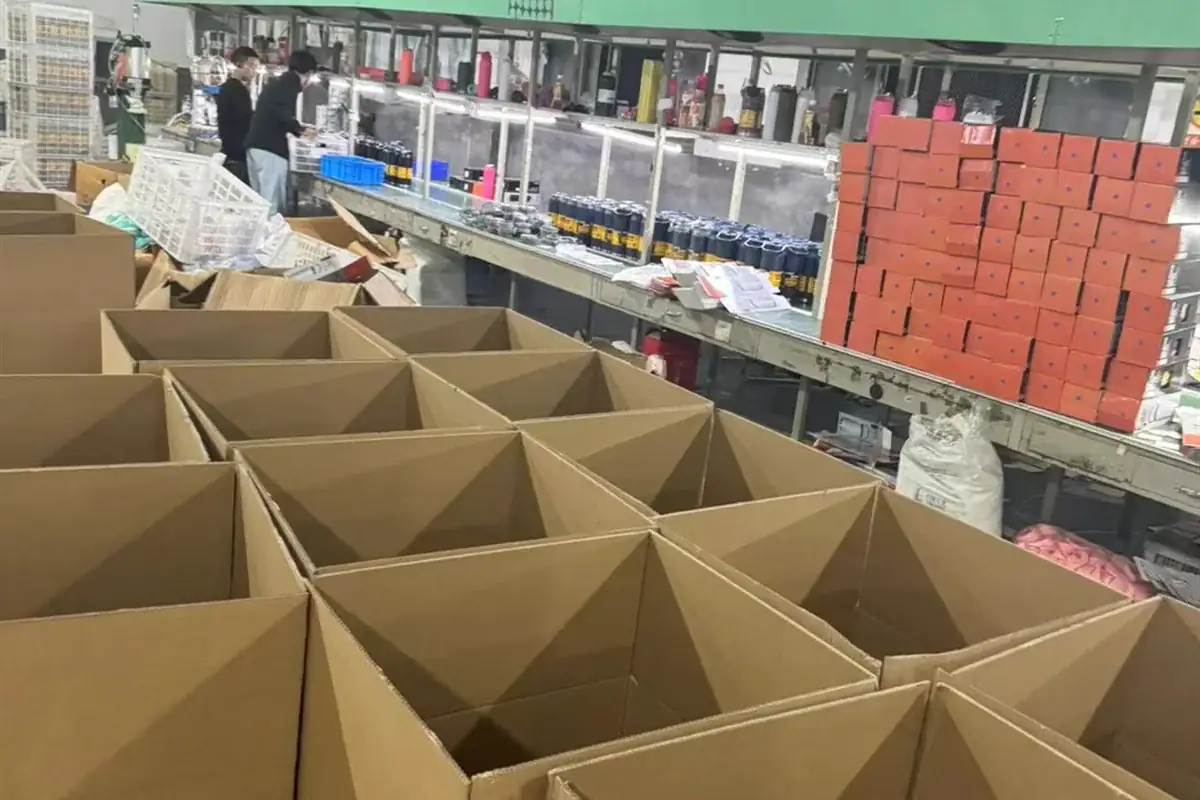
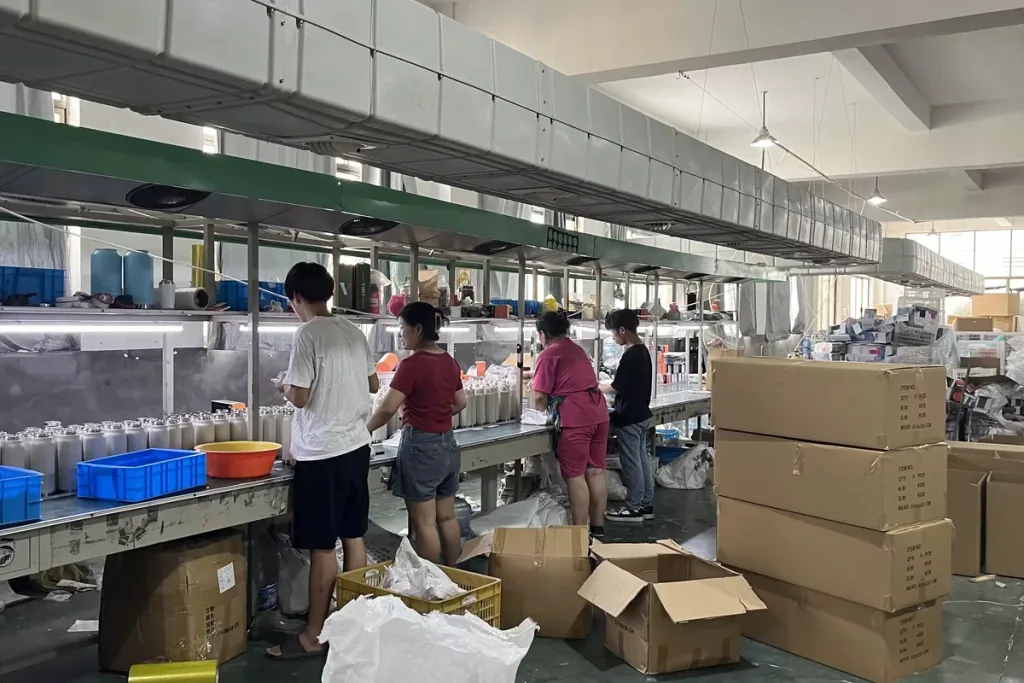
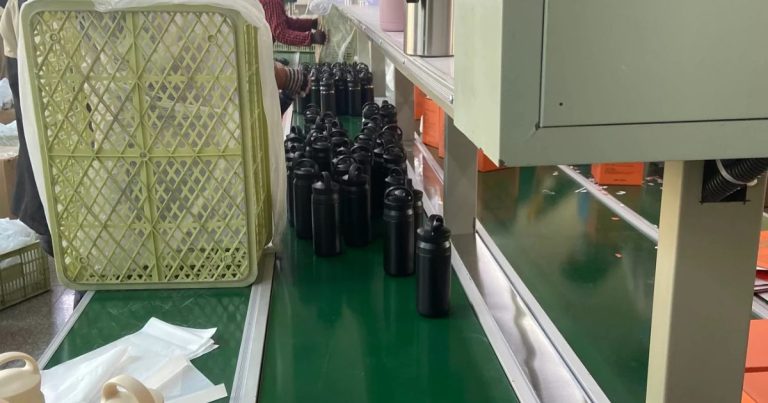
Individual boxes being assembled at a packing station.Corrugated dividers prepared around the planned packed count.
Start with the approved item
Use the final body, lid, handle, straw and accessories. Measure their packed height and width; a body diameter alone misses protruding parts and contact points.
Final packed dimensions
Component count by SKU
Finish and fragile contact zones
Define the individual presentation
Confirm the white, color, kraft, mailer, rigid or drawer box, plus any sleeve or individual bag. Define the opening direction, instructions and visible surfaces.
Opening and display direction
Accessory and instruction placement
Visible product and artwork surfaces
Control fit and contact
Choose paperboard, corrugated board, EVA or EPE foam, or a formed plastic blister insert for the actual shape. Check movement, handle clearance and contact with coated surfaces or loose accessories.
Movement inside the unit pack
Body, lid and handle contact
Clearance around loose parts
Assign artwork and data ownership
Use the current dieline, the flat template showing cut and fold lines, to position artwork, barcodes and labels. Keep each product identifier matched to the correct box and contents.
Current dieline revision
Barcode and SKU data source
Named artwork approver
Freeze the shipping configuration
Confirm the assortment, units per master carton, marks, dimensions, gross weight and pallet direction. A master carton groups selling units for shipment.
Units and assortment per carton
Marks, dimensions and gross weight
Pallet and loading direction
Fit by product type
Package the actual shape
Each product shape requires its own packaging checkpoints.
Custom tumbler packaging
Custom tumbler packaging must hold the body, lid, straw and handle without leaving loose parts against the finish. Check the handle opening and tapered base rather than sizing the insert from the cup rim alone.
Body and lid orientation
Handle and straw clearance
Surface contact points
Custom water bottle packaging
Custom water bottle packaging must allow for cap height, shoulders, carry loops and accessories. Check the complete bottle in the proposed box; a taller lid can change insert depth and units per carton.
Cap and shoulder clearance
Loop or accessory position
Packed height and carton count
Custom cup packaging
Custom cup packaging should separate rims, finishes and included lids. For a set, specify the position of each cup and accessory so nesting or loose movement does not create unplanned contact.
Single item or set
Nested-part separation
Rim and finish protection
Drinkware gift box packaging
Drinkware gift box packaging combines presentation with a fitted structure. For branded drinkware packaging, review the opening sequence, visible artwork and accessory placement together; an attractive box still needs a separate shipping-protection plan.
Opening sequence
Insert and accessory fit
Visible artwork surfaces
Approval path
How the packaging approval process works
Confirm contents, structure, artwork, a physical sample and carton details in that order. If a product or artwork version changes, check the affected packing instructions again.
Swipe through the five approval steps →
Lock the packed contents
List the exact model, lid, straw, handle, instructions, spare parts and quantity by SKU, your product identifier. Keep accessory counts and color assortments explicit so the packing team knows what belongs in each box.
Input
Approved product and complete parts list
Decision
What goes into each unit pack
Record
Packed contents by SKU
Define structure and materials
Select the proposed unit pack, insert or divider and protective layers. Record the assembly direction and any sourced or buyer-supplied components.
Input
Packed dimensions and contact risks
Decision
Box, insert and protection direction
Record
Structure specification and source owner
Control artwork and variable data
Place artwork on the current dieline and check print color, text and orientation. Identify the barcode, label and carton fields that vary by product or destination, and name the person who approves the files.
Input
Current dieline and brand files
Decision
Print areas and variable data positions
Record
Revision ID and named approver
Review a packaging sample
Check product-to-insert fit, accessory count, opening, printed appearance and pack arrangement. Use the sampling process to sign off the accepted packaging sample.
Input
Current structure, artwork and contents
Decision
Fit, opening and appearance acceptance
Record
Sample reference and feedback list
Freeze carton and release records
Confirm carton count, assortment, marks and barcode scans against the signed sample. Agree any AQL acceptance-sampling plan with the buyer before inspection; it sets sampling and acceptance rules, not a guarantee that every unit is defect-free.
Input
Approved pack and shipment assumptions
Decision
Carton count, marks and release checks
Record
Final carton and deviation record
Checks tied to the approved pack
Packaging and release checks
Product and insert fit
Accessory quantity
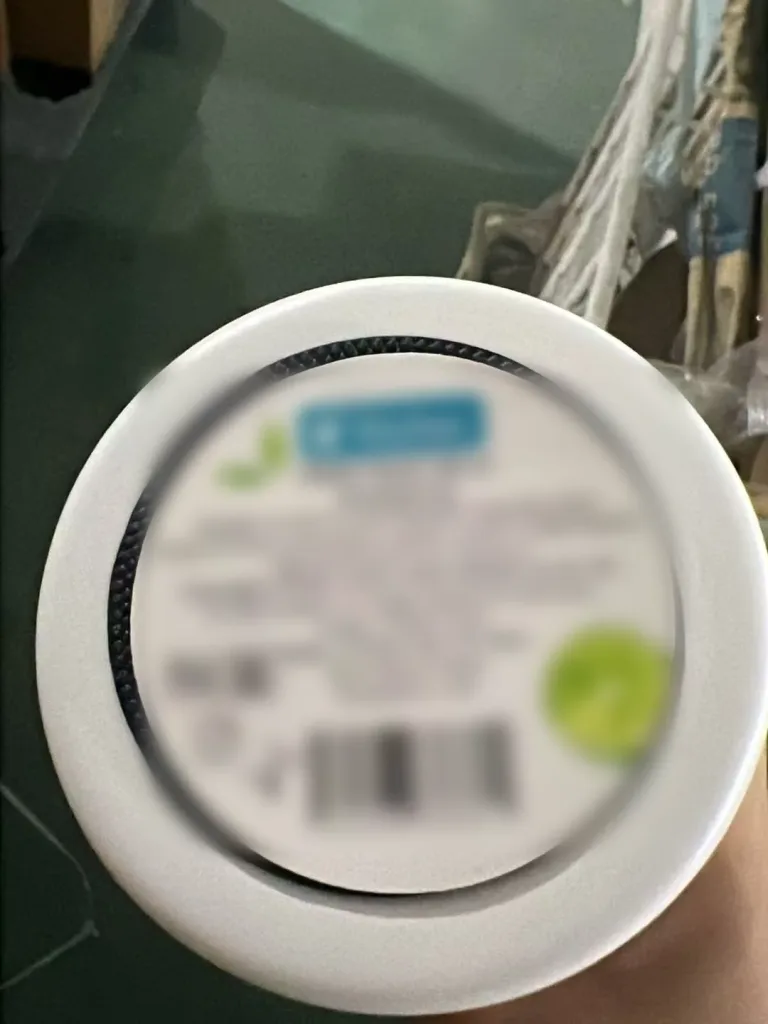
Barcode scan verification
Color-box color and text
Master-carton count and carton marks
Packaging sample sign-off and pre-shipment inspection
Buyer-specified distribution tests
Drop testing
Vibration testing
Stacking or compression testing
Named method, sample condition and acceptance criteria
Use the product, sales channel and distribution risk to choose the box, insert and outer protection.
Bulk distribution
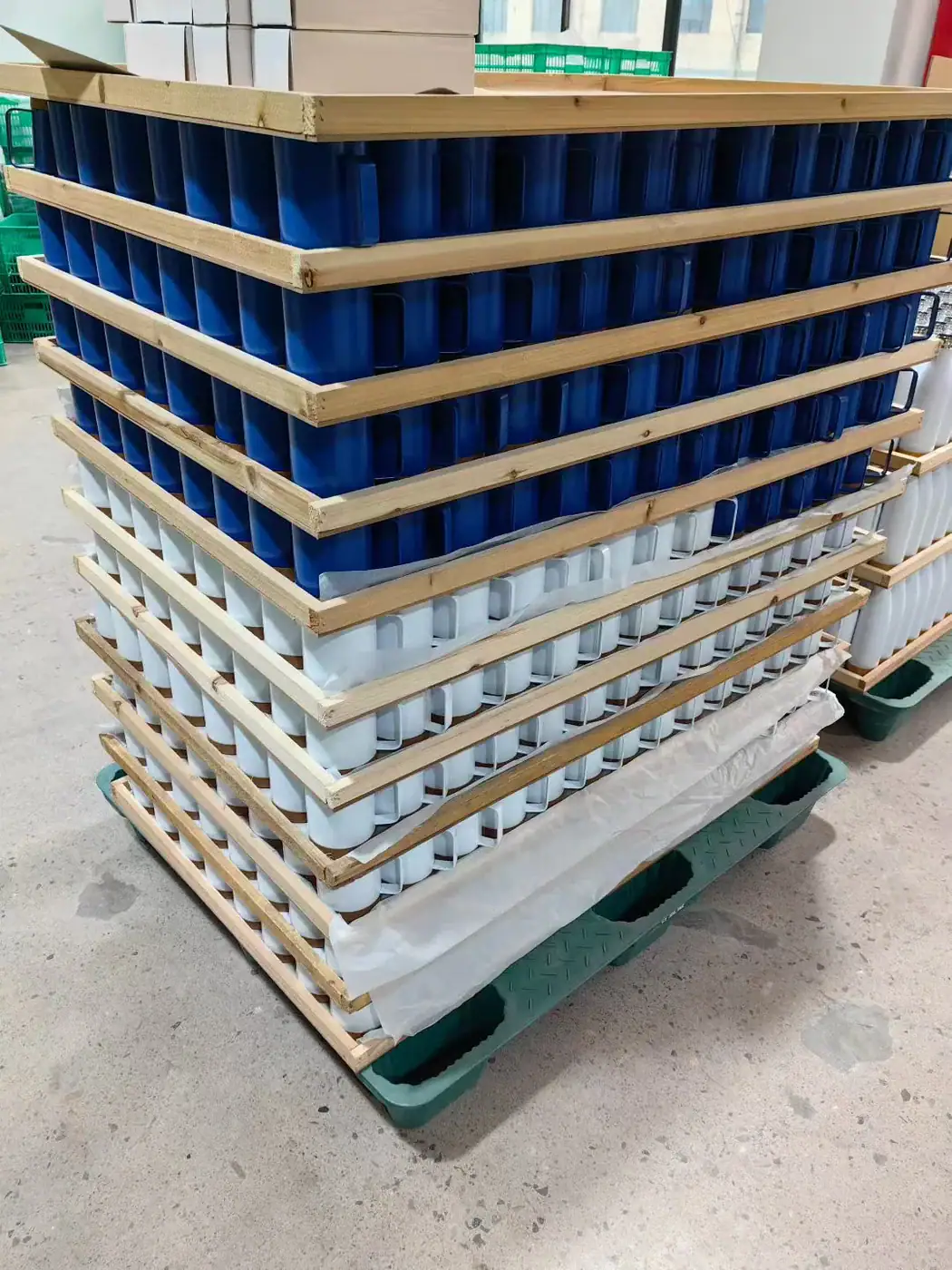
Combine individual protection, corrugated dividers, master cartons and pallets around the approved packed count.
Retail and gift formats
Choose the presentation level before artwork begins.
White, color or kraft boxDirect unit packaging with print and finish options matched to the budget and display need.
Corrugated mailerA fitted corrugated format; compare the board, closure and insert with the actual product rather than assuming it is always stronger.
Rigid or drawer gift boxChoose for a gift presentation; compare material use, assembly cost and packed size with a folding box or mailer.
Paper sleeveAn added branding layer that does not replace shipping protection.
Fit and transport protection
Match the protective components to the product and route.
Paperboard or corrugated insertSeparates parts and controls movement with a board-based structure.
EVA, EPE or blister insertUses foam or a formed plastic cavity for closer fit; check clearance, surface contact and removal of the product.
Individual bagControls surface contact and loose components inside the unit pack.
Master carton and palletGroups selling units for handling, storage and shipment.
Anonymous gift project
From color box to fitted mailer
Situation
The buyer felt the original color box did not look refined enough for a gift project.
Decision
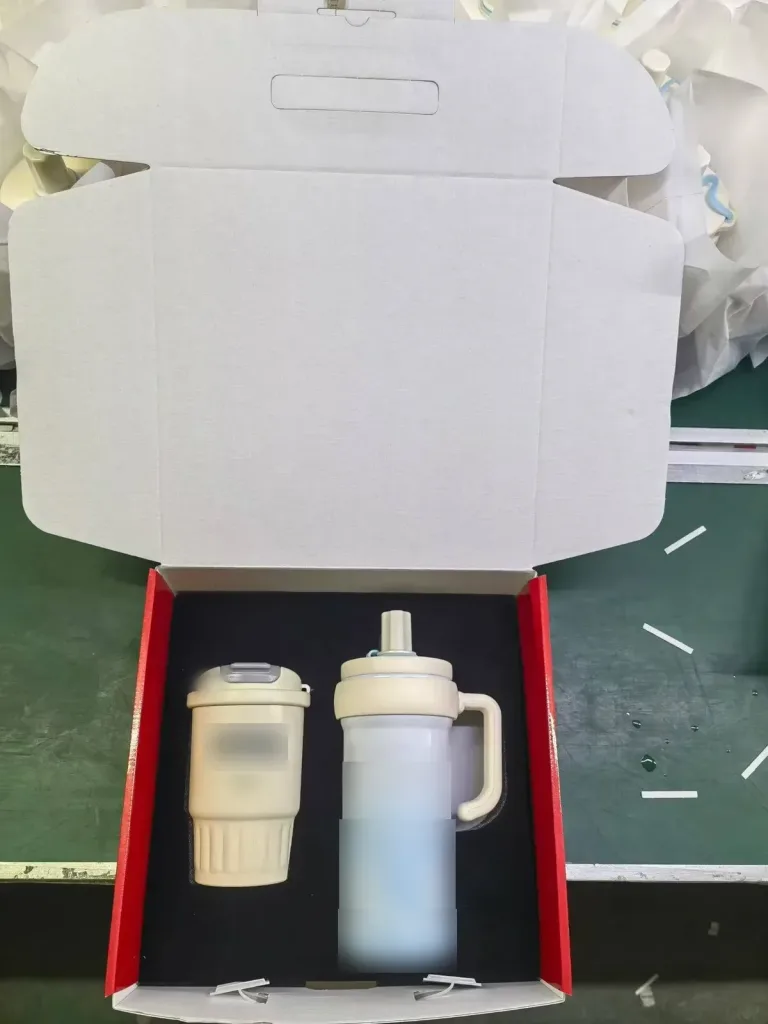
BG Drinkware changed the format to a corrugated mailer sized around the actual cup.
Result
The fitted mailer addressed the gift presentation requirement and reduced packaging cost for this project; savings depend on the product and pack design.
Print and finishing options
Choose print and finishing
Compare print method, finish, box quantity and setup cost together. Extra decoration can change the quotation and sample work.
Print methodsOffset printing or digital printing for box artwork and short-run updates.
FinishingLamination, foil, embossing and spot UV can change appearance, handling and setup time.
Information marksLabels, barcodes, instruction leaflets and carton marks should match the final order data.
500 pcs, negotiable; some models from 100 pcs per colour
Sample
Up to 7 days for an existing model
Bulk production
7–12 days after sample approval
Standard construction
304 stainless inner wall, 201 outer wall; 316 inner or 304 outer on request
Capacity
120 ml to 4,000 ml
Testing
Every vacuum bottle temperature-tested before shipping
To quote, send the capacity, quantity, model, colour, logo method, packaging, payment terms and trade terms. BG Drinkware is a drinkware manufacturer in Yongkang, China.
Packaging work order
Build a complete packaging RFQ
For a comparable quote, provide the model, quantity, channel, destination and packaging requirements. Mark open choices for recommendation. Tick the fields you have prepared and copy the checklist into your brief.
Packaging specification checklistBuyer input before review
SKU
Your stock-keeping identifier for a product variant; keep its color, accessories and packing details matched.
Dieline
The flat box template showing cut lines, fold lines and artwork positions.
Overpack
Outer shipping protection placed around the selling unit for distribution.
Quotation, box fit, samples, barcode ownership, minimum quantities and transport checks.
What information is needed to quote custom drinkware packaging?
To quote custom drinkware packaging, provide the complete model and accessories, quantity by product variant, sales channel, destination, box or insert preference, artwork, barcode data and carton count. State any sample or transit-test requirement. Mark open choices for recommendation. Compare quotations using the same materials, print finish, setup charges and packing labor, not only the box unit price.
Can one box design fit tumblers, water bottles and cups?
One box can serve several products only if each complete product fits securely with the intended insert. Compare dimensions, weight, handles, cap height and accessories, then try every variant in the physical pack. A shared outer box may still need different inserts. Keep product identifiers and packing instructions separate where contents or fit differ.
When is a packaging sample needed?
Use a physical packaging sample before committing to bulk boxes when fit, opening, accessory placement or printed appearance is uncertain. Assemble it with the actual product and all included parts. Note any substitute materials or unfinished printing, and keep the accepted version as the packing reference. A fit or appearance sample does not establish transit-test performance.
Who supplies barcode and label information?
The buyer or brand owner supplies and approves product identifiers, label text and the product-to-barcode mapping. BG Drinkware can apply that data and check whether the printed barcode scans. Review placement, symbol size, contrast and quiet zones, the blank areas around the symbol. A successful scan is not a formal barcode-quality grade; see the GS1 barcode quality guide for print and placement checks.
Does custom packaging have a separate MOQ?
The standard minimum order is 500 pieces and negotiable, and some models start from 100 pieces per colour. A sample of an existing model takes up to 7 days, and bulk production takes 7–12 days after the sample is approved.
Does an approved gift box prove shipping protection?
No. Gift-box approval confirms only the appearance and fit actually reviewed, not protection during shipment. If transit testing is required, agree the drop, vibration, stacking or compression method, complete packed sample, conditions and pass/fail criteria separately. Review the test scope again when the product, insert, carton count or delivery route changes. Tests are not automatic for every order.
When should packaging be approved for bulk production?
Approve packaging before bulk box printing and packing begin, once the product, accessories, structure, artwork, labels and carton arrangement are settled. Keep the signed sample and file version with the order. Agree the pre-shipment inspection plan separately. If a lid, accessory, barcode or destination requirement changes, review the affected pack and instructions before releasing the revised version.
What packaging options do you offer?
Colour boxes, kraft boxes, gift and mailer boxes with foam or card inserts, polybags and printed labels, all set per order. Send your artwork and box style with the quote, and approve a boxed sample before bulk production. Packaging artwork is accepted in PDF or AI format.
How do I work out freight volume?
Multiply the carton length, width and height in metres for the volume of one carton, then multiply by the number of cartons. For example, 40 cartons of 71 × 49 × 56 cm is about 7.8 m³. Share the carton figures with your forwarder early.