Dishwasher-Safe Water Bottles in Bulk: What Buyers Should Verify
By Feng, Head of After-Sales Service & Online Marketing Lead
A bottle body, its coating and its removable parts do not automatically share the same cleaning limit. Before approving a bulk order, define which assembled version is expected to withstand a dishwasher cycle—and what evidence will support that claim.
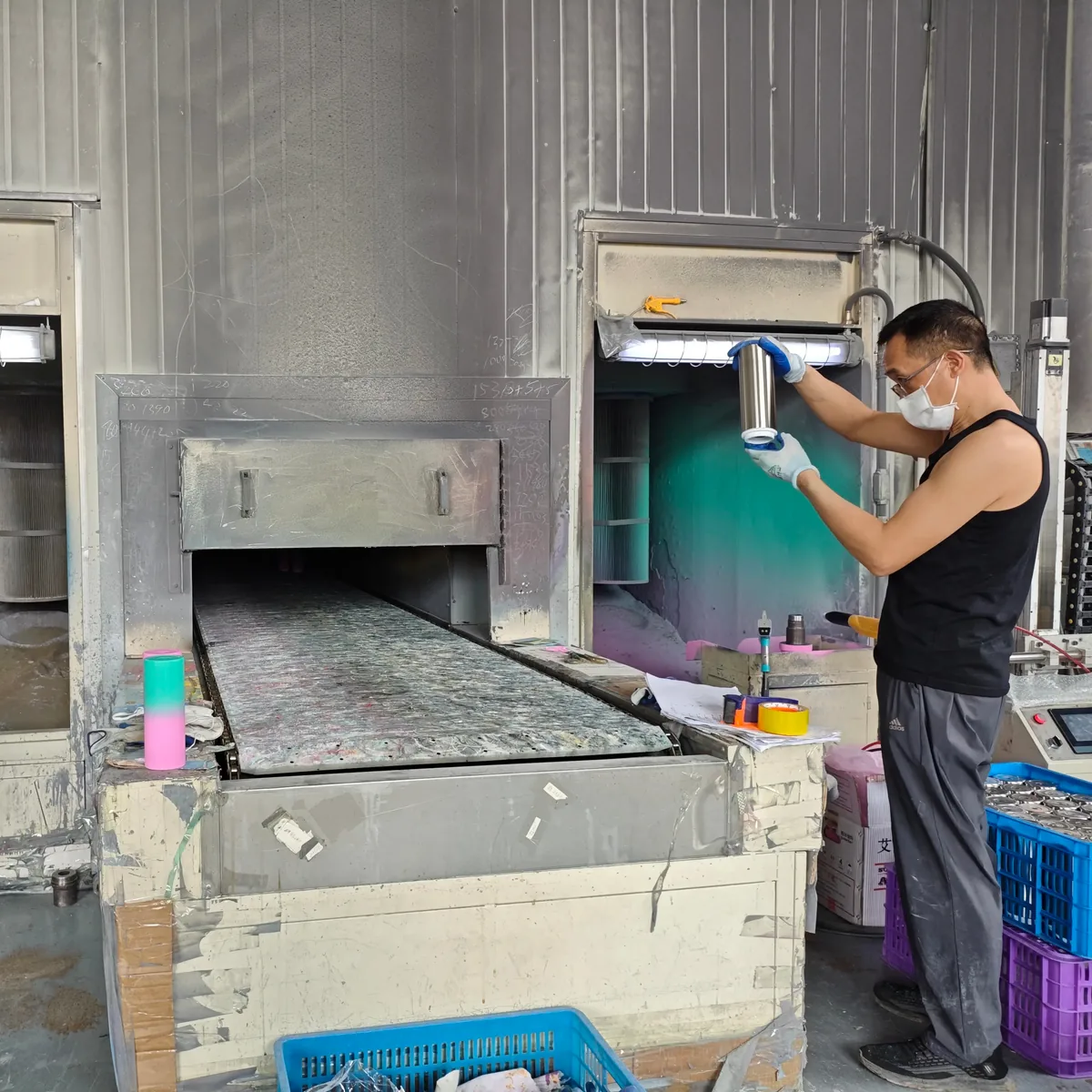
A dishwasher-safe claim is a statement about one named bottle configuration under stated cleaning conditions. It is not a property of a whole category of stainless steel, painted or powder-coated bottles. On BG Drinkware's standard insulated build the inner wall is 304 stainless steel and most outer walls are spray- or powder-coated, so the coating often decides the dishwasher result. BG Drinkware reviews the suitable construction and tests with the buyer for each project. The record lists the bottle body, construction, finish, lid revision, gasket, straw, handle and other removable parts. The buyer then states whether the claim covers the assembled bottle or only listed components. A shared mouth size does not prove that two lids have the same care limits, and a metal body may survive a cleaning process while its outer coating changes appearance. The approval path has 4 steps: define the assembly, compare the finishes, check the body, lid and accessories separately, and set the test plan for machine program, temperature, detergent, cycles and acceptance.
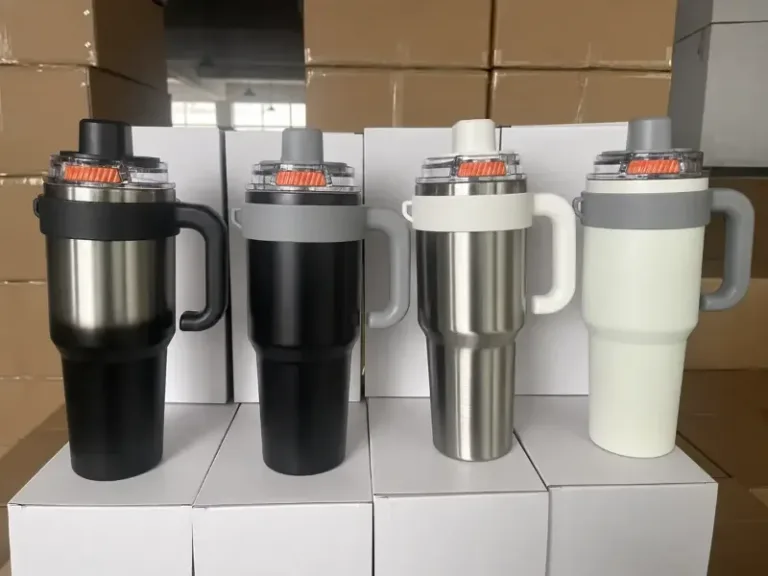
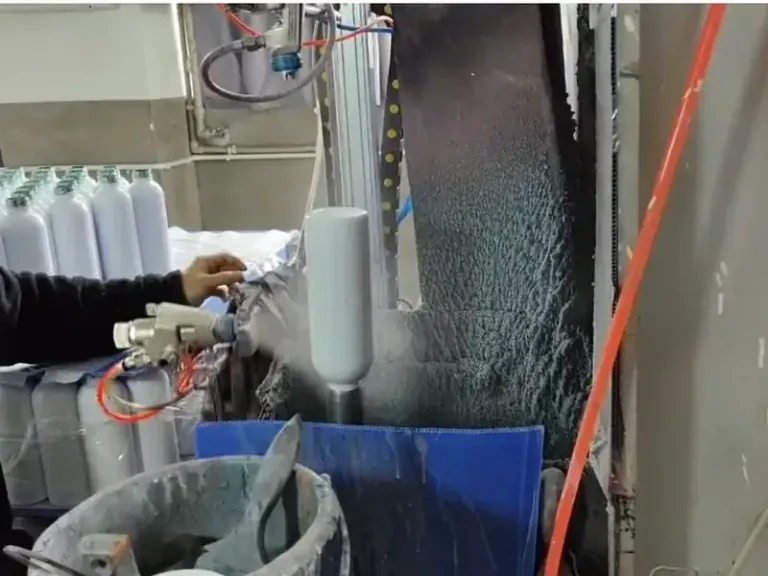
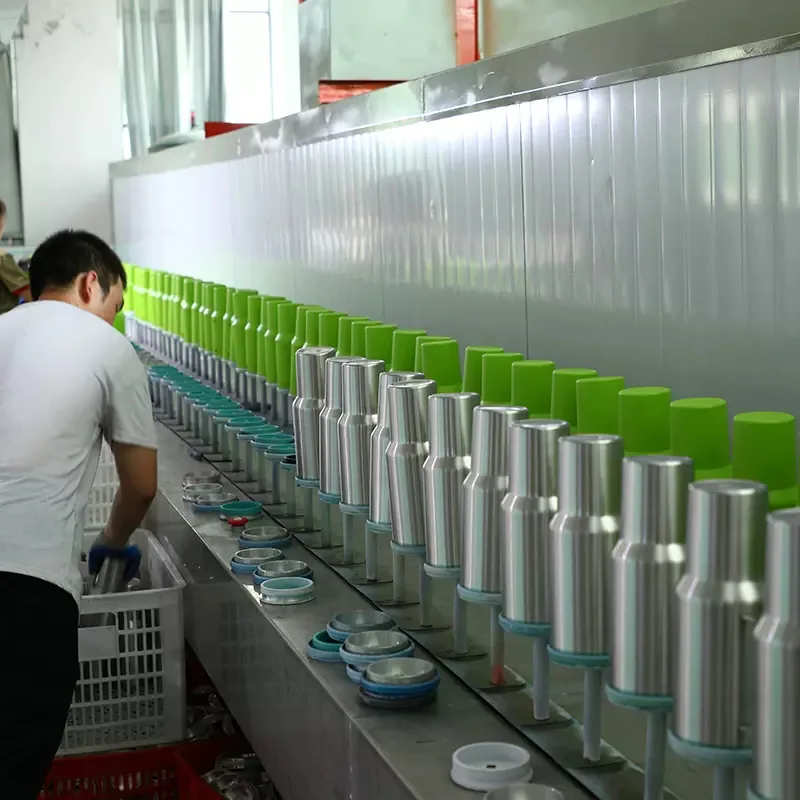
How this guide was prepared: The process comparisons below reflect BG Drinkware production information supplied for this article. No universal wash temperature, cycle count, detergent, pass rate or tested product result was supplied, so none is asserted here. The photographs document factory handling and packing, not dishwasher performance.
What does “dishwasher-safe” cover in a bulk order?
It should cover a named product configuration under stated cleaning conditions—not an entire category of bottles. Record the approved bottle body, interior and exterior construction, finish, lid revision, gasket, straw if supplied, handle and any other removable part. Then specify whether the claim applies to the assembled bottle or only to listed components.
A supplier may offer several lids for the same neck. A shared mouth size does not prove that their plastics, seals or decoration have identical care limits. Likewise, a metal body may survive a chosen cleaning process while its external coating changes appearance. Buyers should compare the exact drinkware configuration they intend to sell, rather than transfer a result from a visually similar sample. For rubber-feel finishes, see soft-touch water bottles.
How do powder coating and spray paint compare for dishwasher-use orders?
No finish is automatically dishwasher-suitable by name. BG Drinkware can make a spray-painted bottle suitable for an agreed dishwasher-use requirement, but this places greater demands on the paint and application process. In the manufacturer's experience, when comparable dishwasher performance is required, a powder-coated option is often more economical overall. The actual choice and quotation still depend on bottle shape, finish specification and order requirements.
| Buyer question | Spray-painted finish | Powder-coated finish |
|---|---|---|
| Can it be considered? | Yes, if the selected paint system and process meet the agreed requirement. | Yes, if the selected powder system and process meet the same requirement. |
| What needs checking? | The specified finish, appearance and adhesion after the agreed cleaning exposure. | The specified texture, appearance and adhesion after the same exposure. |
| How should cost be compared? | Quote the process needed to achieve the required result, not a basic decorative paint option. | Compare an equivalent approved result; it is often the more economical route in this use case. |
The comparison is a production judgment, not a universal price ranking or certification. Agree on what counts as unacceptable change—such as fading, gloss loss, blistering or coating detachment—before testing. A factory should review the result against the signed sample and order criteria, not an unspecified claim that the finish is “durable.”
Should the body, lid and accessories be tested separately?
Yes. Confirm the care limit for each selected component and then review the assembled product. BG Drinkware separates body and lid checks according to the order. A metal bottle body, printed logo, plastic cap, gasket and straw may respond differently to cleaning. “Dishwasher-safe bottle” should not silently mean “body only” if the buyer expects the whole item to be washed together.
Bottle body and finish
Check the specified exterior, logo or print and visible surface after the agreed cycles.
Lid and drinking parts
Identify the exact lid revision, spout or straw and its intended care instructions.
Seals and fit
Inspect the gasket and recheck closure or leakage performance after cleaning where relevant.
Packaging and claims
Make the care label, product page and order specification say the same thing.
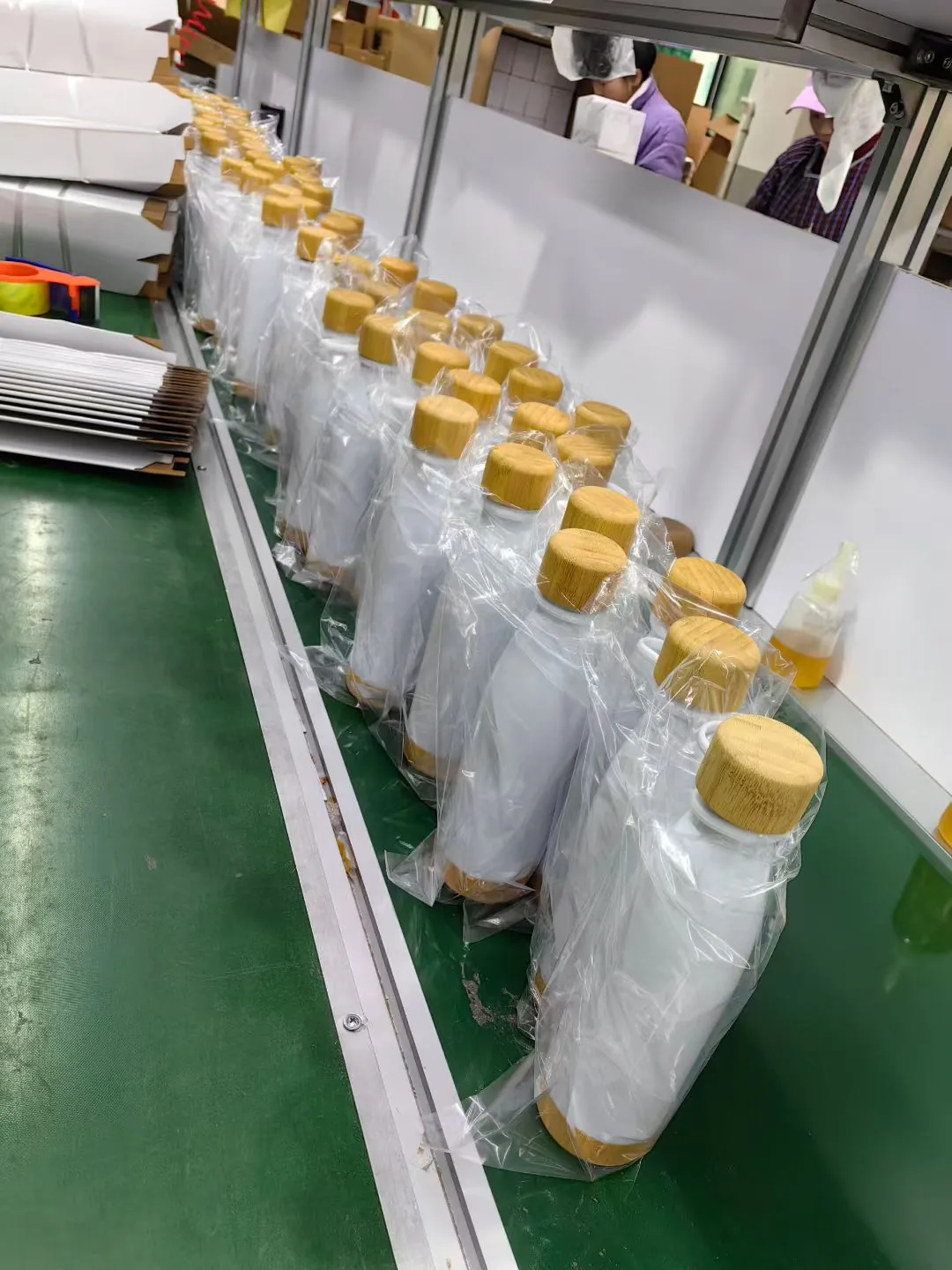
For a changed lid or decoration, ask whether previous test evidence still applies; do not assume it does. The quality-control review should identify the test article and revision so that a later substitution cannot inherit an unrelated result.
For how one brand handles this part by part, see are Owala bottles dishwasher safe?
What should the dishwasher test plan actually record?
Write a repeatable method for the chosen model and intended market before production approval. BG Drinkware and the buyer determine testing according to the order; this article does not prescribe a standard number of cycles or a universal pass threshold. At minimum, the test request should connect the approved sample, the wash conditions and the decision rule.
Reference and scope
Model, finish, artwork, lid and accessory revisions; which parts are tested separately and together.
Exposure
Agreed machine program, temperature, detergent, placement and number of cycles.
Inspection
Before/after photographs or records, visible finish change, part fit and any required post-wash function check.
Acceptance
Sample selection, defect definitions, pass/fail criteria and what happens if a part does not meet the requirement.
If a finish fails the agreed requirement, the response depends on the actual cause and order stage: the finish system or process may need adjustment, and replacement or rework must be assessed case by case. Do not assume a failed coating can always be repaired on the same bottle. The manufacturing process should carry the approved finish and component revisions into the production order.
When can a brand describe its bottle as dishwasher-safe?
Only when the claim matches the selected product and documented conditions. If the body passes but the lid must be hand-washed, say so plainly. If the claim is limited to a certain finish or accessory combination, keep that limitation in the listing, packaging and care instructions. A sample result is not a blanket promise for every future colorway or replacement component.
In an RFQ, send the bottle model, target market, expected cleaning behavior, preferred finish, artwork, lid and accessory set, order quantity, packaging and any required documents or test criteria. Mark unknowns as questions for the factory rather than allowing an ambiguous “dishwasher-safe” checkbox to decide the specification. For hand-washing steps, see how to clean a stainless steel water bottle.
Dishwasher-safe water bottle FAQ: paint, powder coat and lids
Can a spray-painted bottle go in a dishwasher?
It can be designed for an agreed dishwasher-use requirement, but the paint system and application must be selected and checked for that purpose. Do not infer suitability from “spray-painted” alone.
Is every powder-coated bottle dishwasher-safe?
No. Powder coating can be a cost-effective route for this requirement, but the chosen powder, process, bottle and test conditions still need approval.
If the steel body passes, does the lid pass too?
Not automatically. Check the selected lid, seals and other removable parts separately, then make the care instructions clear for the assembled product.
Is there one test cycle count for all orders?
No universal count is stated here. Set the machine conditions, exposure, inspection and acceptance criteria for the selected order before claiming a result.
Specify the care claim before approving the finish.
Share the bottle, lid and decoration you want to source, plus the dishwasher conditions and evidence your market requires. BG Drinkware can review an order-specific route with you.