Why Is My Tumbler Coating Peeling or Bubbling? Causes and Tests
Bubbles and chips look alike from a distance, but they start in different places. Bubbles come from how the coating was cured; chips usually come from knocks. Here is how to tell them apart, which coatings are more prone to problems, and which tests a brand should ask for.
By Feng, Head of After-Sales Service & Online Marketing Lead
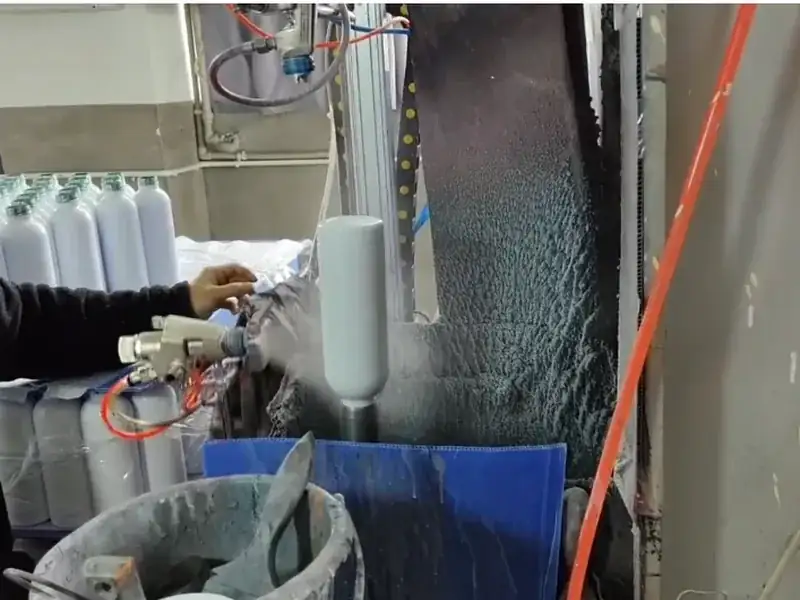
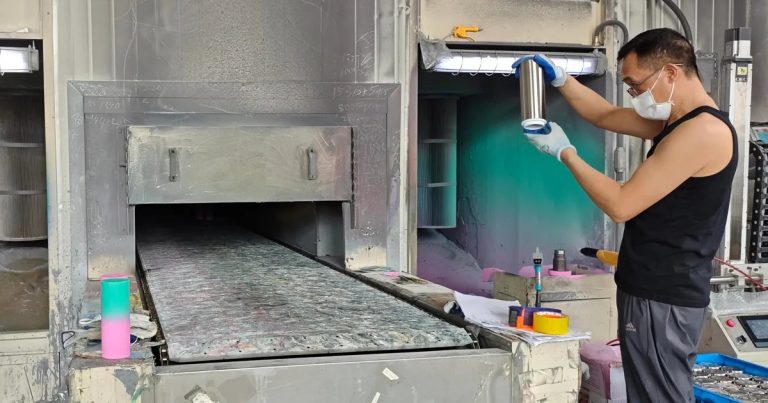
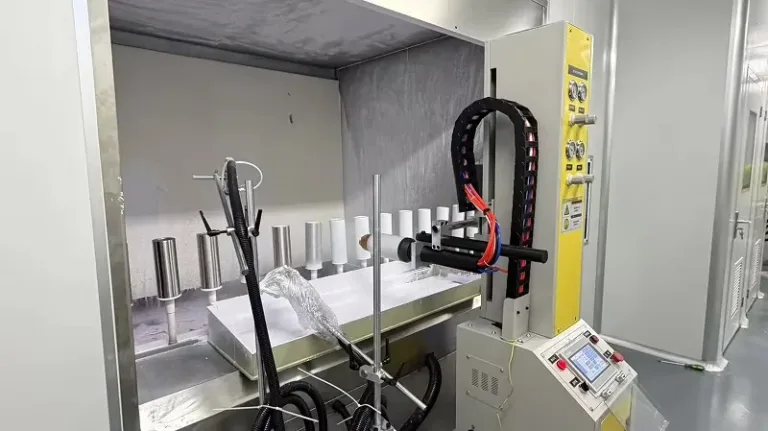
It depends on what the damage looks like. In BG Drinkware's experience, bubbles in the coating come from a curing temperature problem: the coating was not cured at the right temperature when it was made. Chips, where paint has come away in small patches, are usually caused by knocks, such as a tumbler being dropped or banged against something hard. Spray-painted finishes are more prone to these problems than powder-coated ones. BG Drinkware, a drinkware manufacturer in Yongkang, China, does its powder coating in-house, while spray painting is done by outside partners. To check adhesion, a brand can ask for a crosshatch test, where a grid is cut through the coating to see whether squares lift, and a rub test, where the surface is wiped to see whether anything comes off, plus a dishwasher test, all on the sample.
What causes a tumbler coating to bubble or chip?
Two different things. Bubbles are a production fault: in BG Drinkware's experience they come from a curing temperature problem, when the coating is not cured at the right temperature. Chips are usually caused by knocks against hard surfaces or other cups.
Bubbles or blisters
Raised spots in the coating. A curing temperature problem during production.
Chips
Small patches where the coating has come away where the cup was hit. Usually from knocks.
Spray paint
More prone to these problems than powder coating, in BG Drinkware's experience.
Powder coating
Done in-house at BG Drinkware, with the curing under its own control.
For how powder coating is applied and cured, see powder-coated tumblers, and for printed logos that wear away, why printed logos rub off.
How can you tell a curing fault from knock damage?
Look at where the damage is and how it started. Bubbles appear without any impact, because they formed when the coating was cured. Chips sit where the tumbler took a knock, such as the base edge or the rim. If several cups from one batch show the same marks, report the batch.
| Symptom | Likely cause | How to confirm | What to do |
|---|---|---|---|
| Bubbles or blisters, no impact | Curing temperature problem | Check other cups from the same batch | Report the batch to the supplier with photos |
| Chips at the base or rim | Knocks against hard surfaces | Damage sits where the cup was hit | Handle with care; consider powder coating |
| Coating lifts in a crosshatch test | Poor adhesion | Squares lift along the cut grid | Reject the sample; fix before bulk |
| Colour comes off in a rub test | Coating not holding on the surface | Colour shows on the wiping cloth | Reject the sample; fix before bulk |
Is spray paint or powder coating less likely to fail?
Powder coating, in BG Drinkware's experience. Spray-painted finishes are more prone to bubbling and chipping. BG Drinkware does its own powder coating in-house, so the curing stays under its control, while spray painting, sublimation coating and soft-touch coating are done by outside partners.
If a design needs spray paint, test the sample carefully before approving it. Coating colours are matched to a Pantone reference or a physical colour sample and confirmed on the sample, and small differences between batches are normal. See coating batch differences and soft-touch water bottles.
Which coating tests should a brand ask for?
A crosshatch test and a rub test on every new finish, plus a dishwasher test if the label will say dishwasher safe. The crosshatch test cuts a grid through the coating and checks whether squares lift; the rub test wipes the surface and checks whether colour comes off. BG Drinkware runs both on samples when a brand asks.
- Crosshatch testA grid of cuts goes through the coating to the steel, and the squares are checked for lifting.
- Rub testThe coated surface is wiped, and the cloth and the surface are checked for colour loss.
- Dishwasher testRun on request, with the cycles and conditions agreed before the test.
- Sample approvalApprove the finish only after the tests pass, and keep bulk on the same coating.
For dishwasher claims, see dishwasher-safe bottles in bulk.
What should a brand write into a coated tumbler order?
Name the coating type, the colour reference, the tests and the pass criteria. Say whether the finish is powder coating or spray paint, and if spray paint is needed, ask for the tests on samples from the production supplier. Then compare bulk with the approved sample before it ships.
- Coating type: powder coating, spray paint, sublimation coating or soft-touch.
- Colour: a Pantone reference or a physical colour sample.
- Tests: crosshatch and rub tests, and a dishwasher test if needed.
- Inspection: BG Drinkware inspects bulk to AQL 2.5 for major and 4.0 for minor defects.
The standard minimum order is 500 pieces, negotiable; a sample of an existing model takes up to 7 days, and bulk production takes 7–12 days after the sample is approved. See AQL inspection and tumblers.
Tumbler coating FAQ
Short answers to the questions people ask most about tumbler coatings that bubble, chip or peel, which finishes hold up better and how coatings are tested. The answers come from BG Drinkware's production and after-sales experience and the coating tests it runs on samples for brands.
Why is the coating on my tumbler bubbling?
In BG Drinkware's experience, bubbles come from a curing temperature problem when the coating was made. They are a production fault, not damage from use. If several cups from the same batch show bubbles, report the batch to the supplier with photos and the order reference.
Why is my tumbler chipping?
Chips are usually caused by knocks, such as dropping the tumbler or banging it against a hard surface. Spray-painted finishes are more prone to chipping than powder-coated ones, in BG Drinkware's experience, so choose powder coating for cups that will be knocked about.
Is powder coating better than spray paint for tumblers?
For resisting bubbles and chips, yes, in BG Drinkware's experience: spray-painted finishes are more prone to both. BG Drinkware powder coats in-house and uses outside partners for spray painting. If a design needs spray paint, test the sample before approving it.
What is a crosshatch test?
A grid of cuts is made through the coating down to the steel, and the cut area is checked to see whether any squares lift. It shows how well the coating holds on. BG Drinkware runs it on samples on request, together with a rub test, which checks whether colour comes off when the surface is wiped.
This guide is based on BG Drinkware's production and after-sales experience. Related guides: a base pad that falls off, a loose tumbler handle and a lid that leaks after washing.
Choosing a tumbler finish?
Send the capacity, quantity, model, coating and colour, logo method, packaging, payment terms and trade terms, and the tests you need.