Tumbler Handle Loose? How Handles Are Fixed and Why They Move
A handle that moves when you lift a full tumbler is more than an annoyance. How it came loose depends on how it was fixed: by welding, by screws or by a clip. Here is how each type is attached, what makes it loosen, and how BG Drinkware checks handles before they ship.
By Feng, Head of After-Sales Service & Online Marketing Lead
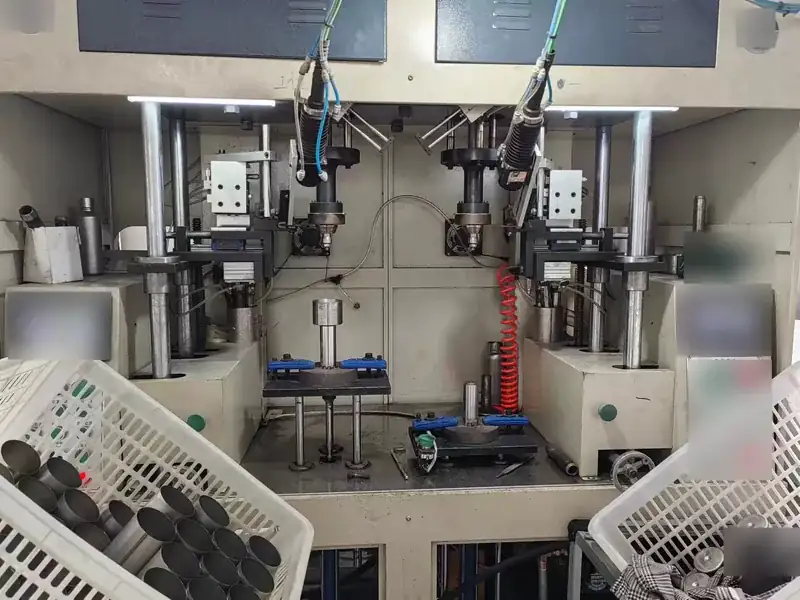
It depends on how the handle is fixed. BG Drinkware attaches handles in three ways: welded, screwed or clipped on. At BG Drinkware, stainless steel handles are always welded, while other handles may use screws or clips. In BG Drinkware's experience, a handle usually works loose for one of two reasons: the weld studs that hold it have loosened, or the mould that made the parts did not give a close enough fit, so the handle and the cup do not sit tightly together. BG Drinkware, a drinkware manufacturer in Yongkang, China, checks handles with a shake test before shipping. To check your own tumbler, hold the body still and gently rock the handle; any movement or clicking means it has worked loose. For a screwed handle, also check whether the screws have loosened. For a bulk order, name the fixing method and ask for the shake test in the inspection plan.
How are tumbler handles attached?
In three ways: welding, screws and clips. BG Drinkware uses all three, depending on the model and the handle material. Its stainless steel handles are always welded to the cup; screws and clips are used on other handles. The fixing method changes how a handle can fail.
Welded
Used for every stainless steel handle at BG Drinkware. Held by weld studs.
Screwed
The handle is fixed to the cup with screws, which can be checked for tightness.
Clipped on
The handle clips around the body; a close fit between the parts keeps it firm.
For choosing a handle style and material in the first place, see choosing stainless steel tumbler handles.
Why does a tumbler handle come loose?
For one of two reasons, in BG Drinkware's experience. Either the weld studs that hold the handle have loosened, or the mould that made the handle parts did not give a close enough fit, so the handle and the cup do not sit tightly together. The first affects welded handles; the second, the fit of the parts.
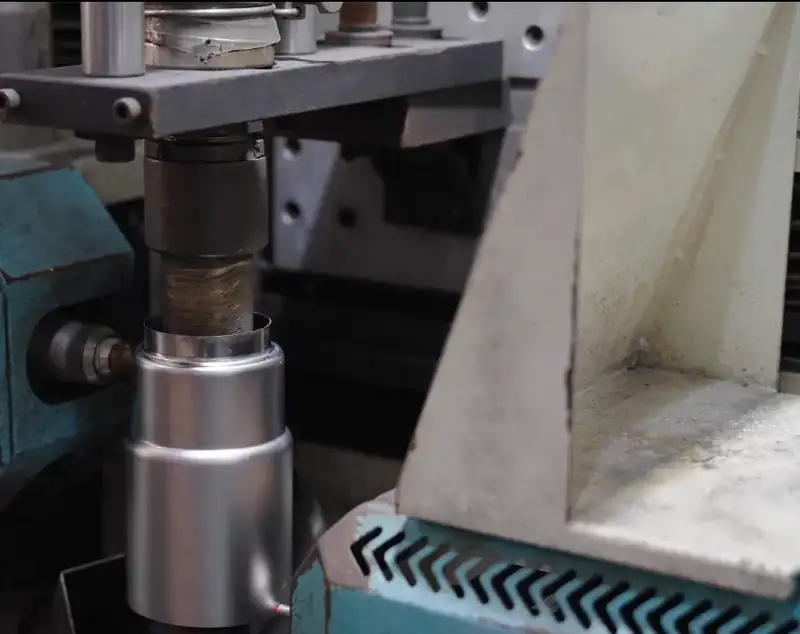
A full tumbler puts its whole weight on the handle each time it is lifted, so any play in it is felt every time the cup is picked up. That is why the check before shipping matters. For a large tumbler, where the load on the handle is higher, see 40 oz tumblers.
How do you check whether a handle is loose?
Hold the cup body still and gently rock the handle in each direction. A firm handle does not move or click. BG Drinkware also runs a shake test on handles before shipping. If the handle moves, the fixing method tells you where to look next.
| Symptom | Likely cause | How to confirm | What to do |
|---|---|---|---|
| Welded handle moves or clicks | Weld studs loosened | Rock the handle with the body held still | Stop using the cup; report it to the supplier |
| Screwed handle moves | Screws loosened, or parts not fitting closely | Check the screws for tightness | Tighten the screws; report it if the play remains |
| Clip-on handle slides or rotates | Parts not fitting closely enough | Compare with another cup from the batch | Report the batch with photos |
What should a brand write into a handled tumbler order?
Name the fixing method, ask for the shake test in the inspection plan, and check the handle on the approved sample with the cup full. If the handle is stainless steel, it will be welded; if it is another material, confirm whether it is screwed or clipped, and check the fit of the parts.
- Fixing method: welded, screwed or clipped on.
- Shake test: part of the check before shipping.
- Sample check: lift the full cup by the handle and rock the handle for play.
- Inspection: BG Drinkware inspects bulk to AQL 2.5 for major and 4.0 for minor defects.
The standard minimum order is 500 pieces, negotiable; a sample of an existing model takes up to 7 days, and bulk production takes 7–12 days after the sample is approved. See AQL inspection and tumblers.
Tumbler handle FAQ
Short answers to the questions people ask most about loose tumbler handles, how handles are fixed to the cup and how handles are checked before shipping. The answers come from BG Drinkware's production and after-sales experience with its handled tumblers.
Why is the handle on my tumbler loose?
In BG Drinkware's experience, either the weld studs holding the handle have loosened, or the parts were made in a mould that did not give a close enough fit. Hold the body still and rock the handle to see how much it moves, and check any screws.
Are tumbler handles welded or screwed on?
Both, and some are clipped on. At BG Drinkware, stainless steel handles are always welded to the cup, while handles in other materials may be fixed with screws or clips. The fixing method decides how a handle can loosen and what can be done about it.
Can I tighten a loose tumbler handle?
Only a screwed handle, by checking and tightening its screws. A welded handle that moves has a loosened weld stud, and a clip-on handle that slides has parts that do not fit closely enough; in both cases, report it to the seller or supplier rather than trying to fix it.
How are handles checked before shipping?
BG Drinkware checks handles with a shake test before shipping, as part of its final checks. Brands can write the test into the inspection plan, and should also lift the approved sample by its handle with the cup full to check that it stays firm.
This guide is based on BG Drinkware's production and after-sales experience. Related guides: a coating that bubbles or chips, a base pad that falls off and a rattle inside an insulated bottle.
Planning a handled tumbler?
Send the capacity, quantity, model, handle style, colour, logo method, packaging, payment terms and trade terms.