Tumbler Bottom Pad Fell Off? Why It Happens and What to Do
The soft pad under a tumbler keeps it from sliding and rocking. When it comes away, the usual cause is that the glue holding it has stopped holding. Here is why that happens, what it means for the cup, and how a brand can plan for it.
By Feng, Head of After-Sales Service & Online Marketing Lead

Because the glue has failed. The base pad on a BG Drinkware tumbler is fixed with glue, and in BG Drinkware's experience a pad comes off when that glue no longer holds. Heat and water make it more likely: stainless steel and most surface coatings can go in a dishwasher, but parts held by glue can come loose. A missing pad does not affect the vacuum or the drink, but the cup can slide or rock more on a hard surface, because the pad helps it sit flat. BG Drinkware, a drinkware manufacturer in Yongkang, China, can send replacement base pads for its tumblers, so a brand does not need to replace the whole cup. To reduce complaints, keep the base pad out of a dishwasher claim unless it has passed a dishwasher test, and add hand-washing advice to the care card.
Why does the pad on the bottom of a tumbler fall off?
The glue stops holding. In BG Drinkware's experience, base pads are fixed with glue, and glue failure is the reason they come away. Heat and water speed it up: a dishwasher can loosen any part held by glue, even though the stainless steel and most coatings can take the cycle.
Glue no longer holding
The usual reason a pad falls off, in BG Drinkware's experience.
Heat and water
Dishwasher cycles can loosen parts that are held only by glue.
Not the cup body
A missing pad does not affect the vacuum or the drink.
Easy to replace
BG Drinkware can send replacement pads for its tumblers.
For what can and cannot go in a dishwasher, see dishwasher-safe bottles in bulk.
Does a missing base pad matter?
For the drink, no; for the way the cup sits, it can. The pad sits under the outer base, away from the vacuum and the drink. What it does is help the tumbler sit flat and grip the surface, so without it a cup can slide on a smooth table or rock if the base is not perfectly flat.
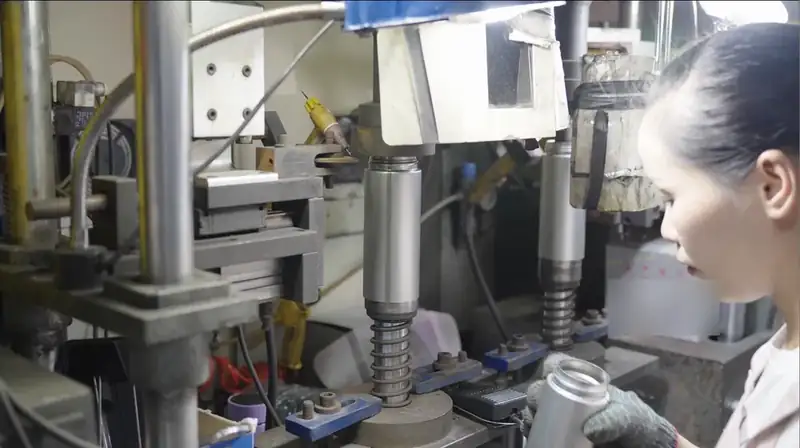
When a cup rocks, the pad and the base can both be involved. For how to tell whether the pad or the cup body is the cause, see why stainless steel tumblers wobble.
How do you tell a glue failure from other base problems?
Look at the pad and the base after it comes off. A pad that has come away cleanly, with old glue left on the pad or the base, points to glue failure. A cup that still rocks once a new pad is fitted points to the base itself, which is a different fault with a different fix.
| Symptom | Likely cause | How to confirm | What to do |
|---|---|---|---|
| Pad has fallen off | Glue no longer holding | Old glue left on the pad or base | Fit a replacement pad from the supplier |
| Pad lifting after dishwasher use | Heat and water loosening the glue | Pad lifts at the edge after washing | Hand wash; keep the pad out of dishwasher claims |
| Cup rocks with a new pad fitted | Base not flat | Check the cup on a flat surface | See the tumbler wobble guide |
What should a brand specify for tumbler base pads?
Treat the pad as a part with its own requirements. Say how it is fixed, whether it is covered by any dishwasher claim, and how replacements will be handled. If the label will say dishwasher safe, test the whole cup, pad included, through the agreed number of cycles before approving the sample.
- Fixing: confirm how the pad is attached; on BG Drinkware tumblers, it is glued.
- Dishwasher claim: test the cup with its pad, or leave the pad out of the claim.
- Replacements: agree how customers who lose a pad will get a new one; BG Drinkware can send replacement pads.
- Care card: hand washing keeps glued parts in place for longer.
The standard minimum order is 500 pieces, negotiable; a sample of an existing model takes up to 7 days, and bulk production takes 7–12 days after the sample is approved. For checks on the approved sample, see golden samples for bulk drinkware, and for the range, tumblers.
Tumbler base pad FAQ
Short answers to the questions people ask most about tumbler base pads that fall off, whether the cup is still safe to use and whether a pad can be replaced. The answers come from BG Drinkware's production and after-sales experience with its stainless steel tumblers.
Why did the bottom pad come off my tumbler?
Because the glue holding it stopped holding. In BG Drinkware's experience, base pads are glued, and glue failure is why they come off. Dishwasher cycles make it more likely, because heat and water can loosen parts that are held only by glue.
Can I still use a tumbler without its base pad?
Yes. The pad sits under the outer base, away from the vacuum and the drink, so keeping drinks hot or cold is not affected. Without it, the cup may slide on smooth surfaces or rock slightly, so fit a replacement pad when you can.
Can I get a replacement base pad?
For BG Drinkware tumblers, yes: BG Drinkware can send replacement base pads, so the cup itself does not need replacing. Brands selling their own tumblers can agree with BG Drinkware in advance how replacement pads reach customers who report the problem.
Can tumblers with base pads go in the dishwasher?
The steel and most coatings can, but parts held by glue can come loose. That includes base pads. If a brand wants to say dishwasher safe, the cup should be tested with its pad through the agreed cycles; otherwise, recommend hand washing on the care card.
This guide is based on BG Drinkware's production and after-sales experience. Related guides: a coating that bubbles or chips, a loose tumbler handle and why tumblers wobble.
Planning a tumbler order?
Send the capacity, quantity, model, colour, logo method, packaging, payment terms and trade terms, and how replacement pads should be handled.