Golden Sample: How Brands Keep Bulk Drinkware Matching the Approved Sample
A golden sample is the approved unit that bulk production is checked against. Here is what to lock on it, what to write down beside it, and where it cannot protect you.
By Feng, Head of After-Sales Service & Online Marketing Lead
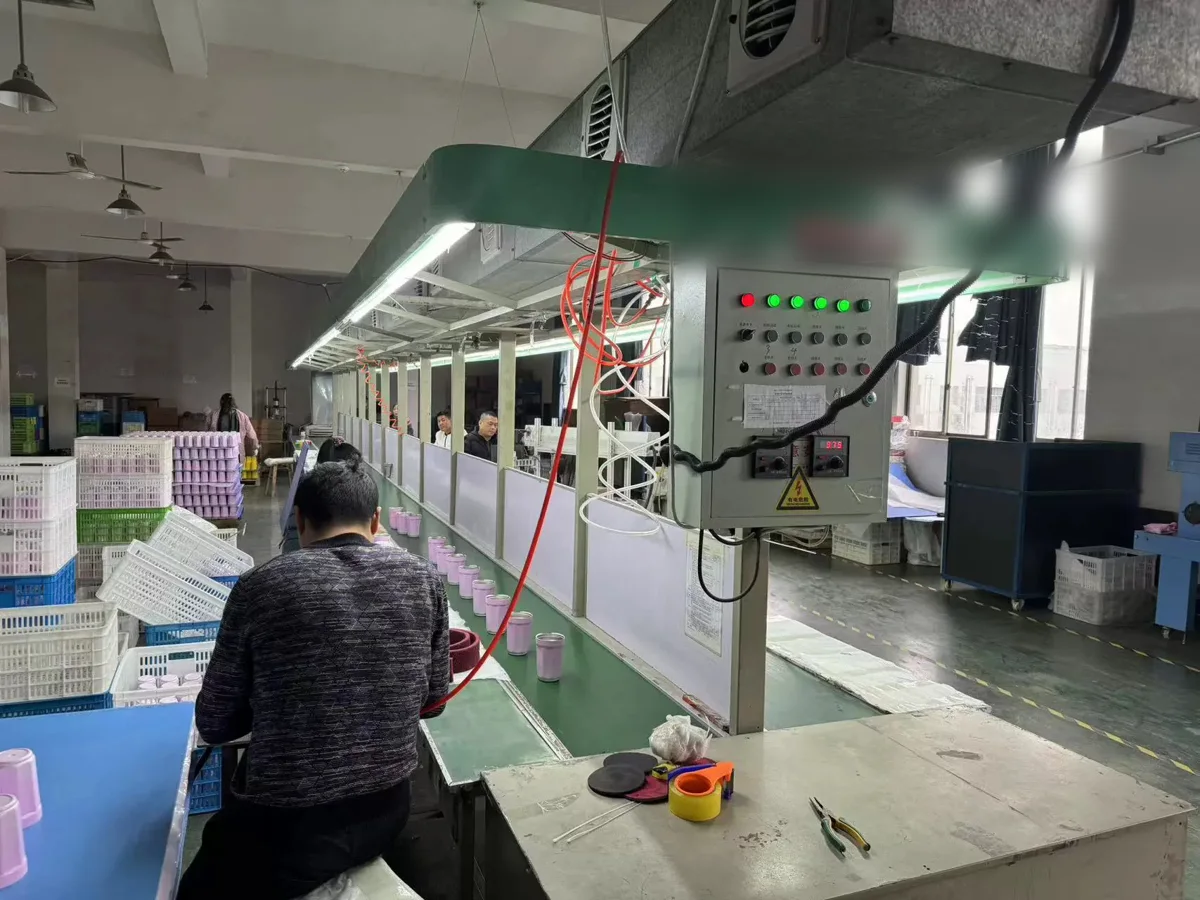
A golden sample is the approved physical unit that bulk production is checked against: one finished piece with the body, lid, colour, logo and packing the buyer signed off. A golden sample works only when paired with a written specification, because a sample shows what was made but not the materials, tolerances or test conditions behind it. BG Drinkware, a drinkware manufacturer in Yongkang, China, makes a sample of an existing model in up to 7 days, and bulk production takes a reference 7–12 days from receipt of the deposit, subject to timely approvals. Every vacuum bottle is temperature-tested before shipping, and the number of test rounds follows the buyer's requirement. Coatings can still vary slightly from one production batch to the next, so keep the golden sample and the written colour reference together for repeat orders. Lock five things on the golden sample: body and steel grade, lid parts, colour, logo, and packing.
What is a golden sample in drinkware manufacturing?
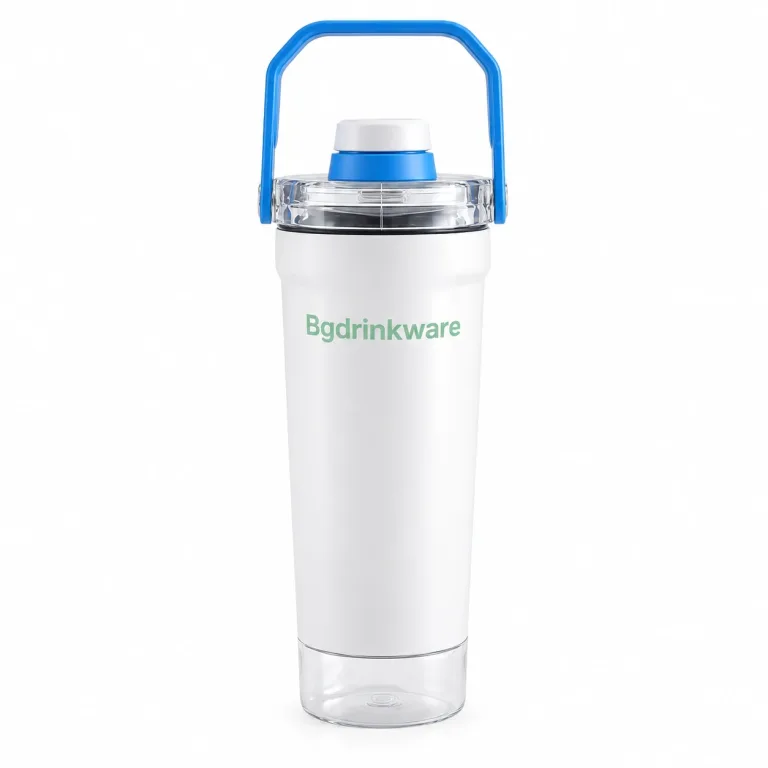
A golden sample is the single approved unit that represents the order. Production, inspection and any later claim are compared against it. In drinkware it should be a complete selling unit, with the body, lid, seal, straw, coating, logo and box, not a bare cup with a separate colour chip.
Several kinds of sample usually come before it. Each one answers a different question, and only the last one should carry the "golden" label.
| Sample | What it confirms | Golden sample? |
|---|---|---|
| Reference product sample | An existing model's shape, capacity and lid | No, it has no custom details yet |
| Decoration and colour sample | Coating colour, finish and logo method | Not on its own |
| Packaging sample | Box, insert and carton marks | Not on its own |
| Pre-production sample | All approved details on one complete unit | Yes, once the buyer signs it off |
BG Drinkware's sampling process covers these sample types. The pre-production unit is the one to approve, photograph and keep.
Why does a good sample still lead to a bad bulk order?
Usually because something that decided the sample's look was never written down. The sample itself is fine, but the order record behind it is incomplete, so bulk production fills the gaps differently. The four gaps below cause most mismatches, and each one can be closed before bulk starts.
Parts change suppliers
Silicone seals and some plastic parts can come from specialist suppliers. Name the approved seal and straw in the order so the same parts are used in bulk.
Coating batches differ
A coating from a new production batch can differ slightly from the sample's batch. The difference is normal, but it shows next to the golden sample.
Logo settings drift
On a 2026 corporate-gift order, the same logo file came off BG Drinkware's laser three different ways before the settings were fixed. Record the settings, not just the file.
The sample came too early
If the colour, lid or box changed after the sample was made, the sample no longer represents the order. Make a new one.
The laser case is covered in full in our guide to laser engravable tumblers, and print durability in why printed logos rub off tumblers.
What should be locked on the golden sample?
Five things: the body, the lid parts, the colour, the logo and the packing. For each one, write down what was approved and how it will be checked in bulk, so the golden sample and the written record say the same thing and anyone can compare them.
| Detail | Write down | Check in bulk by |
|---|---|---|
| Body | Capacity, wall build, steel grade of the inner and outer wall | Material record and temperature test |
| Lid parts | Lid model, seal material, straw material and colour | Part list against the approved lid |
| Colour | Colour reference, finish and coating method | Side-by-side with the golden sample |
| Logo | Method, size, position, and the machine settings that worked | Placement and appearance against the sample |
| Packing | Box, insert, carton marks and units per carton | Packed carton against the approved pack |
BG Drinkware's standard construction is a 304 stainless steel inner wall and a 201 outer wall, with a 316 inner wall or a 304 outer wall on request. Whatever the order uses should be written in the record, because steel grade cannot be judged by looking at the sample. Our guide to 18/8 vs 304 vs 316 explains the grades. Lid parts are covered in tumbler lid seal and straw checks, and colour in Pantone color matching.
How do you write the specification that goes with it?
Turn every approved feature into a line that someone else could check without the buyer in the room. Photos, part names, materials and numbers beat phrases like "same as before" or "nice matte finish", because an inspector can compare a number with the unit but cannot check a phrase.
- Photograph the sample from every sideFront, back, base, lid open and closed, and the logo close up, in the same light each time.
- List every part and its materialBody, lid, seal, straw, handle and any loose parts, with materials and colours.
- State the colour reference and the methodFor example a colour code and "powder coating", so the same route is used again.
- Record the logo method and settingsSize, position and, for laser engraving, the settings that produced the approved mark.
- Write the test requirementFor vacuum bottles, how many temperature-test rounds each unit needs.
- Describe the packingBox, insert, carton marks and units per carton.
If the order will be inspected by sampling rather than unit by unit, agree the inspection level and acceptance quality limit (AQL) too. ISO 2859-1 is a widely used standard for this.
Who should keep the golden sample?
Both sides should. Keep one approved unit yourself and ask the manufacturer to keep a matching one. Label each with the order reference and approval date, and store it away from light and handling, so its colour and finish still represent the order months later.
Two matching units let both sides compare against the same thing when a question comes up, without shipping a sample back and forth. For repeat orders, the record matters as much as the unit: a colour can be matched again from the colour reference, but only if that reference was written down the first time.
How is bulk checked against it at BG Drinkware?
Bulk production starts after the buyer approves the sample, and each vacuum bottle is temperature-tested on a testing machine, unit by unit, before shipping. The number of test rounds follows the buyer's requirement, and the finished order is matched against the approved details before it leaves.
Before shipping, finished goods are inspected under ISO 2859-1, general inspection level II, to AQL 2.5 for major defects and 4.0 for minor defects, and checked against the approved sample; see BG Drinkware's quality-control process. A bottle that has lost its vacuum cannot be repaired, which is why the test happens before shipping; our guide to insulated bottles that lost their vacuum shows the signs. If something in the delivery does not match the golden sample, the after-sales policy explains what to send.
Golden samples are made for products such as custom tumblers and water bottles. For how bulk is checked against the sample, see AQL inspection for drinkware.
If something must change after the sample is approved, see how to record order changes after approval.
Golden sample FAQ
What is the difference between a golden sample and a pre-production sample?
A pre-production sample is the complete unit made with every approved detail before bulk starts. It becomes the golden sample once the buyer signs it off and both sides keep it as the reference for production and inspection. Earlier samples, such as a colour or packaging sample, confirm one detail each and should not be used as the golden sample.
How long does a sample take at BG Drinkware?
A sample of an existing model takes up to 7 days at BG Drinkware. From receipt of the deposit, bulk production normally takes 7–12 days, subject to timely approvals, and an order with a ceramic inner coating needs 2–3 more days. The standard minimum order is 500 pieces per model and colour and negotiable; lower quantities for some start-up teams need individual approval. Different logos are counted separately for MOQ.
Does a golden sample guarantee the same colour on a repeat order?
Not exactly. Coatings vary slightly from one production batch to the next, which is normal and cannot be removed entirely. A golden sample plus a written colour reference and coating method gives the best chance of a close match. Compare new bulk against the golden sample side by side, in the same light, before the order ships. Colour matching itself is covered in our guide to Pantone color matching for tumblers.
Can a photo replace a physical golden sample?
No. Photos are useful in the record, but colour, texture, lid fit and logo feel do not show reliably on a screen, and different screens show colour differently. Keep a physical approved unit on each side and use the photos to show angles and details, so the record and the sample support each other.
What should I do if bulk does not match the golden sample?
Inspect the delivery promptly and compare the units against your golden sample in the same light. Photograph the difference next to the sample, note the order reference and how many units are affected, and send it to the supplier. A complete approval record makes it clear whether the difference breaks the approved specification.
Sources
Planning a sample for a branded order?
Send the model, capacity, colour, logo method, packaging and quantity, and BG Drinkware will reply with sample timing and a quotation.