Drinkware order changes after approval: a buyer's record
Handle drinkware order changes after approval by recording the approved version, the requested difference and the exact units affected. Ask the supplier to check the current production stage and confirm the effect on work already done, cost, shipment timing and any new proof or sample. Approve the reviewed change in writing before treating it as the new instruction.
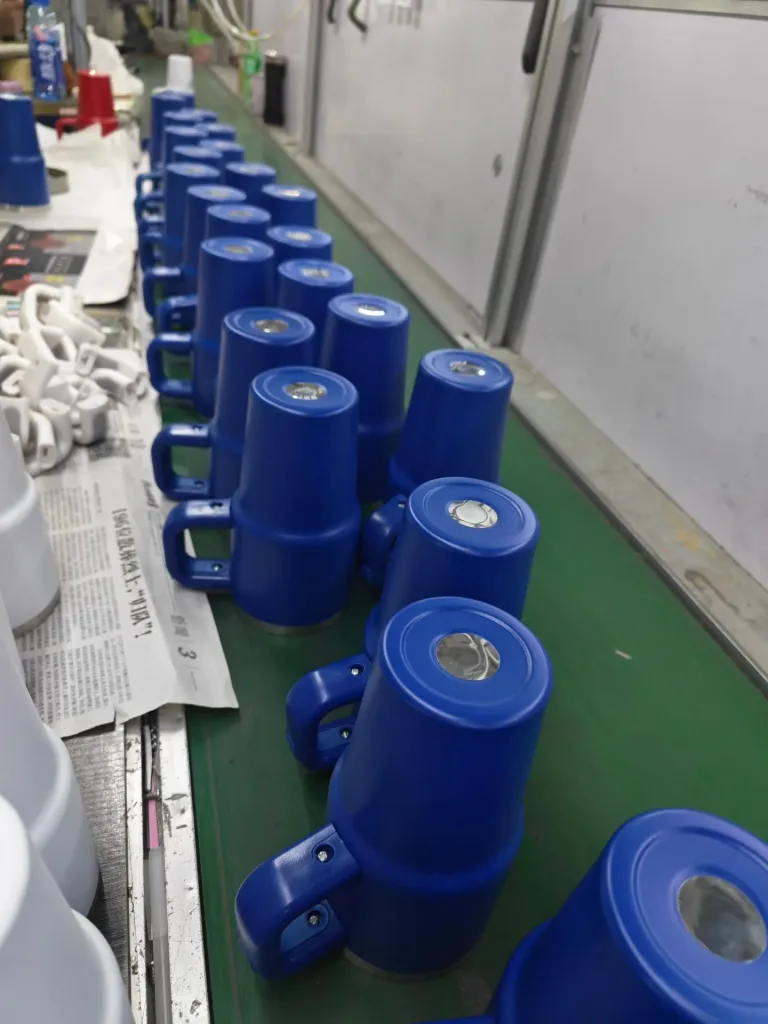
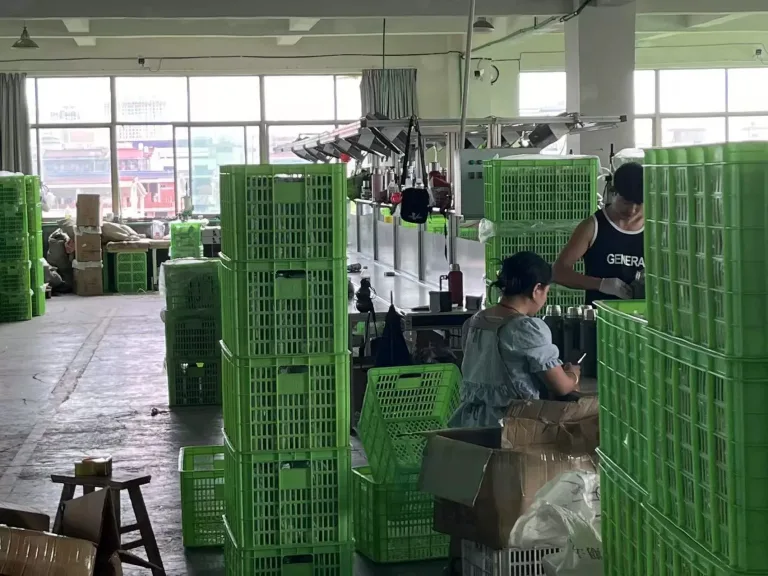
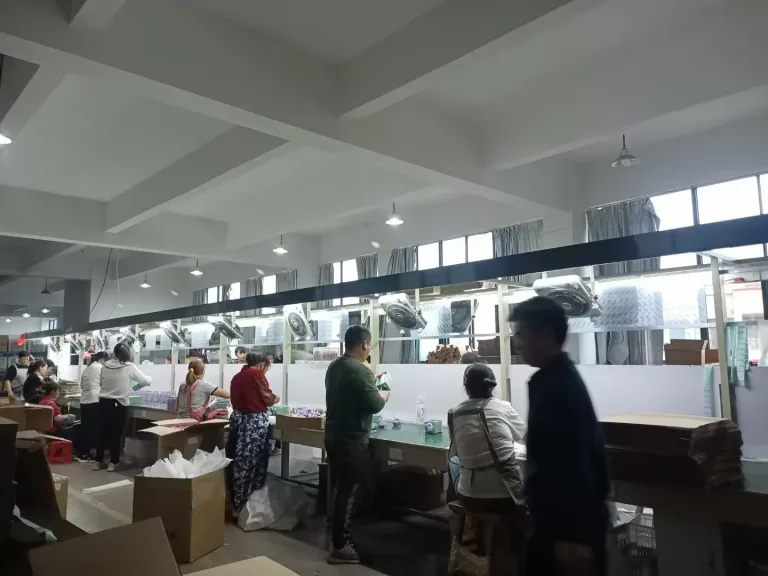
Drinkware order changes after approval should be handled as a recorded amendment, not an updated email. Start with the purchase order, affected product line and approved document references, then set the old requirement beside the proposed replacement with the exact units affected. Ask the supplier to confirm the status of those units, whether not started, in process, completed or packed, and whether materials or packaging are already prepared. Request a written review of any changed cost, the shipment milestone, and whether a new proof or physical sample is needed. Approve the exact reviewed revision, quantity and conditions, then ask for acknowledgement and a record that the change was carried out. BG Drinkware, a drinkware manufacturer in Yongkang, China, assesses what can still change at the stage the order has reached. Bulk production takes 7–12 days after sample approval, so send any change request as early as possible.
For an order with BG Drinkware, a drinkware manufacturer in Yongkang, China, the practical question is what the supplier can still change at the stage reached. A new artwork file alone does not answer that question. Nor does a buyer's internal approval confirm that a production instruction has changed. Use the record below to keep the request, impact review and final decision connected. It is a suggested buyer workflow, not a statement of BG's change fees or standard terms. If work needs to be held, request the hold explicitly and obtain confirmation of its scope and status.
What should a change request identify?
Start with the purchase order, affected product line and current approved document references. Describe the old requirement and proposed replacement side by side, including the units affected. Name the person requesting the change and the person authorised to approve it, so a discussion cannot be mistaken for an instruction to proceed.
Keep the request narrow. “Use the new logo” leaves the supplier to decide whether the instruction applies to every colour, unfinished units only, or goods that have already been decorated. State the intended scope, then ask what is possible. The confirmed scope may differ from the original request.
| Record field | What to enter |
|---|---|
| Order and affected line | PO reference, model, capacity and colour allocation |
| Approved requirement | Current specification, artwork, packaging or sample reference |
| Requested replacement | The exact difference and proposed new revision |
| Quantity and scope | Which units, colours, cartons or shipments the request concerns |
| Production status | Stage reached by the affected units and date confirmed by the supplier |
| Reviewed impact | Confirmed or provisional cost, dispatch milestone and conditions |
| Current status | Requested, under review, approved, rejected or implemented, as confirmed |
| Approval responsibility | Named buyer approver and supplier contact acknowledging the decision |
| Acknowledgement and completion | Supplier acknowledgement and the agreed implementation or checking record for the affected quantity |
Swipe or scroll to view the full table.
Give each request its own reference, even if your team uses a simple spreadsheet and email. Keep related files under that reference. A formal order-management system is not required to make the old and new instructions distinguishable.
If several changes arrive together, separate them where one could be accepted while another remains unresolved. A revised carton label and a replacement lid may need different checks. Do not let approval of the label imply approval of the lid.
Which production step has already been reached?
Ask the supplier to identify the status of the affected units when it reviews the request: not started, in process, completed or packed. Also ask whether materials, components or packaging have already been prepared. Use the confirmed status to define the possible change; do not assume the whole order is at the same stage.
An unchanged total quantity can still conceal a significant revision. Moving units from one body colour to another changes the colour allocation. Whether the supplier can accommodate it depends on the materials and work associated with those units, not just the order total.
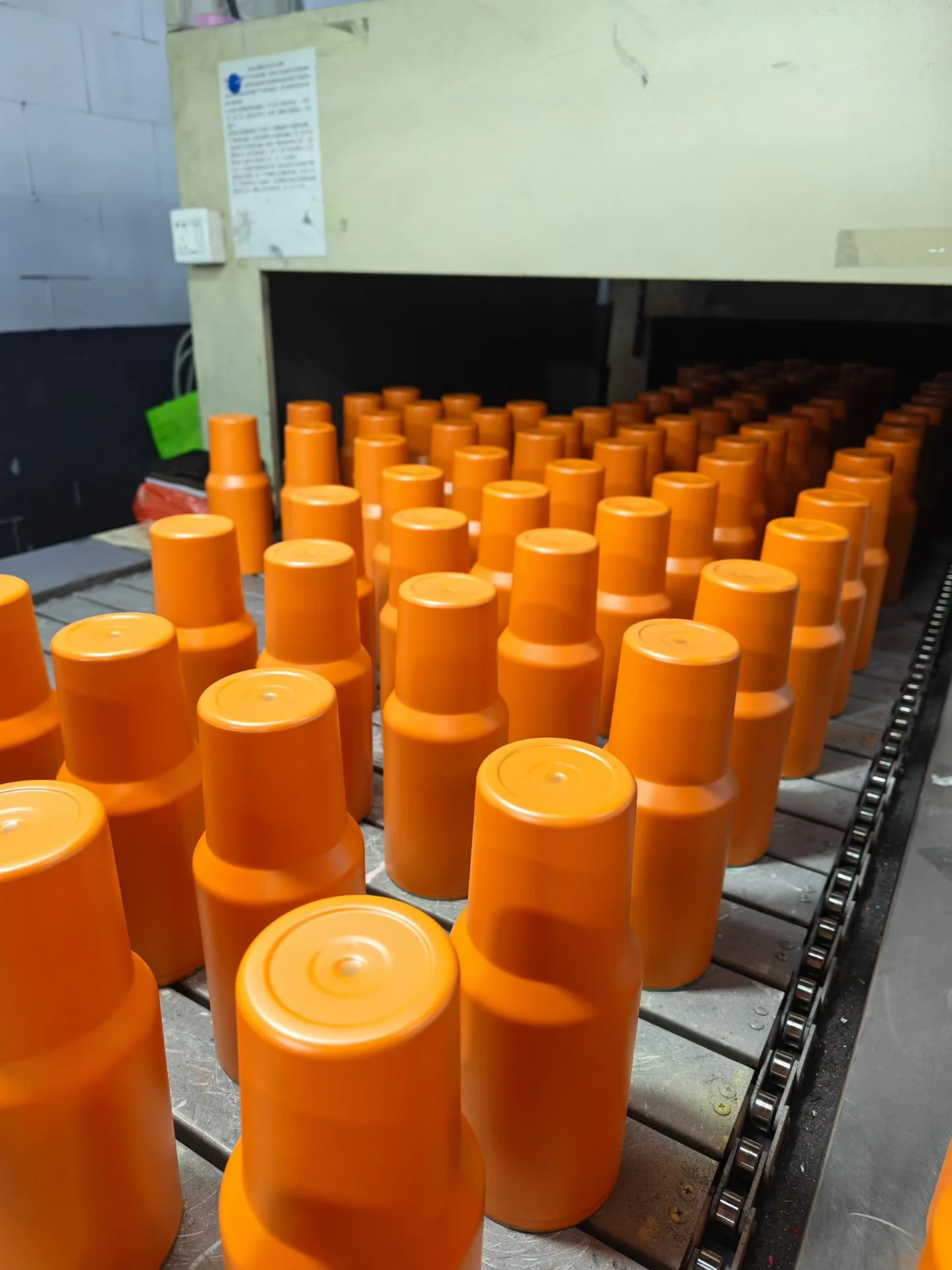
A colour change before powder coating at BG Drinkware
In one BG Drinkware order, the buyer changed the colour before powder coating had started. The latest order change was passed to the production team, and the change did not delay the order. The stage reached made the difference: the original colour had not yet been applied.
For a colour change after powder coating is complete, BG's reported process requires stripping the existing coating and powder coating again. That adds stripping and recoating costs and delays production by at least five days. Ask for the cost and revised schedule for the affected order; this is BG's processing experience, not a fixed price or a five-day maximum.
Use the following matrix to frame the review. It identifies questions to ask, not automatic consequences or charges.
| Proposed change | Work to check | Confirmation to request |
|---|---|---|
| Body colour or finish | Material preparation, coating and any completed decoration | Available options, affected quantity and revised colour approval |
| Logo size, position or copy | Artwork preparation, print setup and decorated units | Replacement proof, treatment of existing work and affected quantity |
| Lid, straw or accessory | Component preparation, assembly and packing | Compatibility checks, included parts and any revised sample |
| Quantity split | Work assigned to each model, colour and artwork version | Feasible allocation, any changed minimums and total reconciliation |
| Box, insert or label | Packaging preparation, packed units and carton marks | Revised packing instructions and any repacking needed |
| Destination or shipment split | Packing allocation and transport booking status | Revised shipment instructions, cost and timing |
Swipe or scroll to view the full table.
Ask for a status that is specific enough to act on. “In production” may not explain whether the affected logo has been applied or whether the boxes have been printed. If the supplier confirms a hold, record the units and work covered by it and what is permitted to continue.
For a wholesale drinkware order, keep unaffected lines identifiable too. A change to one colour should not silently replace the instructions for every product in the PO.

What cost and timing must be reconfirmed?
Request a written review of any changed cost, the affected shipment milestone and the conditions behind the revised timing. Ask the supplier to distinguish completed work from new work needed for the change. A buyer's decision should refer to the reviewed scope and conditions, rather than an assumption that the original quotation still applies.
The review can cover replacement components, revised decoration, new packaging, rework or additional checks where relevant. Ask the supplier to identify which items apply and whether a quoted amount is provisional or confirmed. Do not assume that every change attracts a fee, or that a small visual change is automatically free.
For timing, name the milestone. A revised factory dispatch date is different from an arrival date at your warehouse. Ask what must be approved or available before the supplier can confirm the revised dispatch plan, and keep any transport estimate separate.
If the original event or stock date is fixed, state it as a requirement for the supplier to assess. Do not simply carry the old date into the revised PO. Where the proposed change cannot meet the requirement, compare the available options before approving the change or leaving the original configuration in place.
Record the decision even when no cost or timing difference is reported. “No change confirmed for the stated scope” is more useful than an empty field, because it distinguishes an assessed item from one nobody has checked.
Does the change need a new proof or sample?
Reapprove the records affected by the requested change and ask whether the revised configuration needs a new physical sample or check. Keep the unchanged approvals identifiable. The decision should depend on what changed: a revised logo layout, replacement lid and new packing arrangement do not call for the same type of confirmation.
For artwork, identify the replacement file and proof revision, together with the product and colour allocation. Use the customisation options to discuss a different decoration method if needed; do not assume that artwork approved for one method is ready for another.
For a component change, ask which fit or functional checks apply to the new combination. A previous approval of the bottle body does not describe how a different lid, seal or straw will perform with it. Discuss the revised configuration through sampling before deciding what new physical confirmation is needed.
Packaging changes deserve their own review. Check the revised contents, arrangement and identification, including any relationship between a product version and its box or label. An approved product image does not confirm the packing instruction.
Update the agreed quality control checks where the change affects what will be inspected. Name the new reference and identify the inspection points that remain unchanged. Keep a record of who accepted the revised scope before it is used to assess the goods.
How do you approve the revised instruction?
Approve the exact reviewed revision, quantity and conditions, then ask the supplier to acknowledge the instruction and the next action. Keep the change request and approval together. If the decision differs from the initial request, issue the corrected scope so production is not left to interpret two versions of the change.
Hypothetical example: a buyer requests a new logo for the entire order, while the supplier can offer it only for identified unfinished units. The buyer must decide whether that limited scope is acceptable. Approval should identify the affected units and the treatment of the remaining goods; "approved" beside the original request is insufficient.
Use a short decision sequence:
- Confirm the reviewed scope, revised files and affected quantity.
- Approve the applicable cost, timing and new checks, or reject the proposal.
- Obtain the supplier's acknowledgement of the instruction and any release from hold.
- Request confirmation when the agreed action has been implemented.
Do not overwrite the original approval. Keep it as the record of what was agreed before the change, and mark the replacement reference clearly. Update the PO, specification or packing instruction where it is affected, then check that the supplier's current acknowledgement points to the revised package.
Separate an approved proposal from an implemented change. Confirmation that a supplier can make a revision does not demonstrate that the revised artwork was applied or the cartons repacked. Request the agreed completion record before treating the change as closed.
A written request to assess the change
Send a change assessment request that separates what you want from what the supplier has confirmed. Identify the affected order and attach the proposed revision. Ask for the production status, feasible scope, cost, timing and approval requirements together, so the person making the decision can review the same version of the proposal.
Adapt the following wording to the order:
We are requesting a change to the identified PO line and affected quantity. The attached record shows the current approved requirement and the proposed replacement. Please confirm the present status of those units and any materials or work already prepared for them.
Please assess the feasible scope, any changed cost, the revised dispatch milestone and any replacement proof, sample or inspection requirement. Please distinguish an assessed option from an instruction already put into effect. We will confirm our decision against the reviewed revision in writing.
If you need a hold, add a separate, explicit request identifying the affected work. Ask the supplier to confirm when the hold takes effect, what it covers and what work continues. Sending the request is not proof that the work has stopped.
Questions about changes after approval
The questions below help distinguish a proposed amendment from a revised instruction or an order discrepancy. Use the current approval and the status of the affected goods as the starting point. The available action must be confirmed for the specific order; neither the size of a change nor its description establishes a standard fee or deadline.
Can I change the logo after approving the proof?
Ask the supplier to assess the affected units before issuing a replacement instruction. Identify the old and new artwork revisions, then request confirmation of work already completed, any new proof, cost and dispatch impact. Approve the reviewed scope in writing. A new file in an email does not establish that the previous production instruction has been replaced.
Can I change the colour split without changing the order total?
Request a review of the quantities assigned to each colour, including prepared or completed units. Keep the total reconciliation visible, but also ask about the feasibility of the new allocation and any changed minimums or packing requirements. The order total alone cannot establish whether the revised colour split can be accommodated.
Does every change require a new physical sample?
Ask which approval or check the change invalidates. A new artwork proof may address a layout revision, while a changed lid or accessory combination may require a physical check. Record the agreed approach for the revised configuration and identify what remains valid from the previous approval. Do not assume that every change needs the same sample process.
What if the goods differ from the approved specification?
First document the difference against the approved requirement and raise it as an order discrepancy. Keep that discussion distinct from a buyer's request for a new feature or design. Ask the supplier to review the cause and proposed action; do not automatically record the discrepancy as a buyer-approved change or accept revised charges without review.
How do I know the change has been completed?
For a physical change, request the agreed record of actual implementation, inspection or packing, linked to the revised files and affected quantity. A revised artwork proof establishes design approval; it does not establish that the goods were changed. Check that the execution record and current order documents agree before closing the change. Keep approval, supplier acknowledgement and implementation as distinct recorded events.