Camping mugs in bulk: a retail purchasing brief
When ordering camping mugs in bulk, define the retail sales unit before comparing quotations: the selected mug, lid and accessories, its colour and decoration, the individual pack and the quantity assigned to each SKU. Then specify how those sales units are identified and grouped in shipping cartons. A mug photograph and an order total leave the retail handover unfinished.
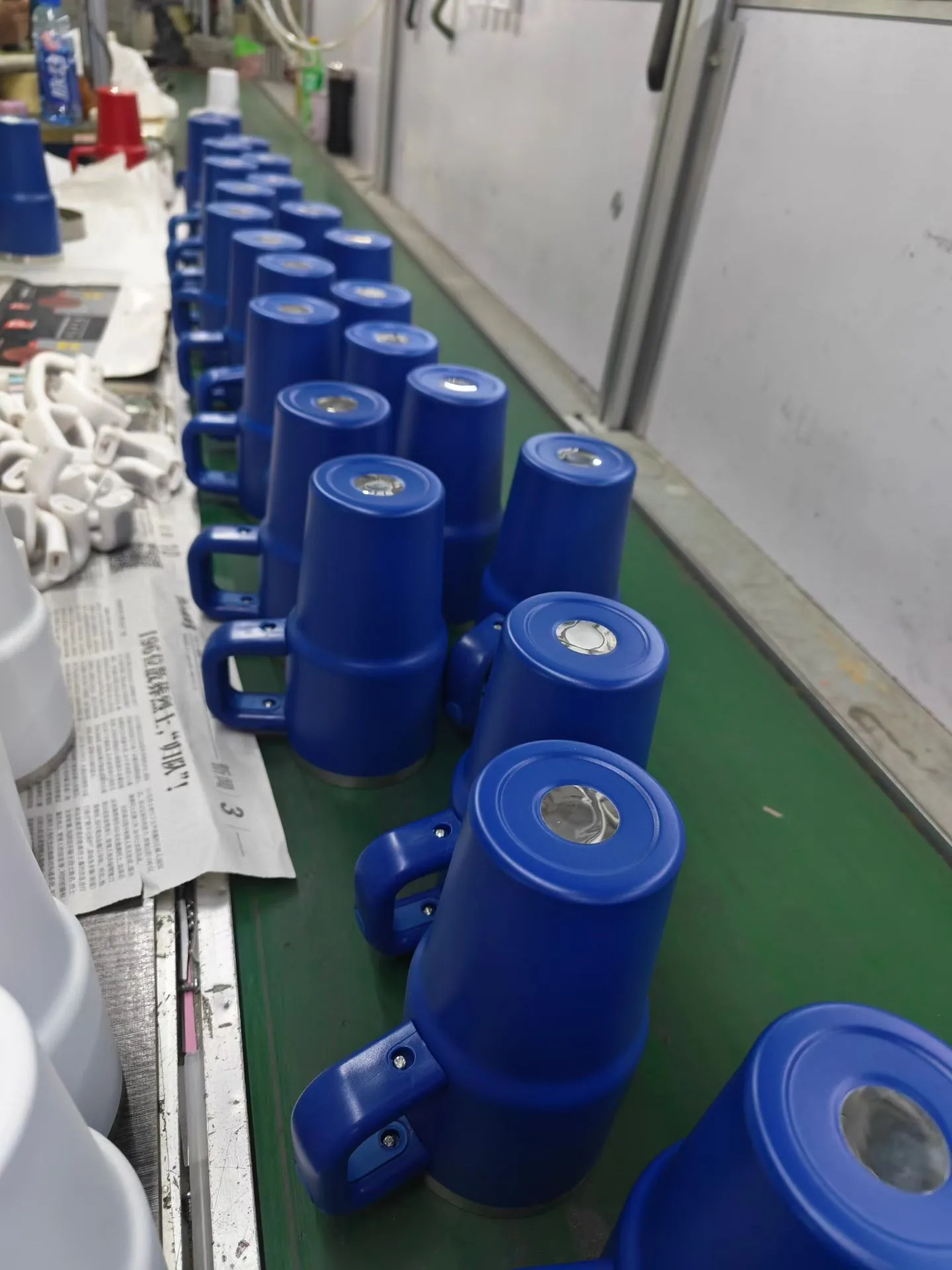
Camping mugs in bulk should be bought as defined retail sales units, not as a mug photograph and an order total. For each SKU, record the selected steel mug, lid and accessories, the colour reference and artwork revision, whether it is sold loose, boxed or as a set, the barcode and label files, and the quantity per version. Approve the retail pack and its transit protection together as one packed configuration, and ask for packed dimensions before comparing freight. Agree a receiving check that links each carton label to the retail units inside. Do not infer stove or open-flame suitability from a camping theme; confirm the selected model's supported use first. BG Drinkware, a drinkware manufacturer in Yongkang, China, quotes a standard MOQ of 500 pieces, negotiable, with some models from 100 per colour, so confirm the minimum for each SKU in the split before ordering.
BG Drinkware, a drinkware manufacturer in Yongkang, China, supplies steel drinkware that buyers can discuss for their chosen retail range. Start with the available coffee mugs and travel cups and confirm a specific model and intended use. A camping theme does not establish suitability for a stove or open flame. The purchasing task here is to turn an agreed steel drinking mug into a clearly specified item that your warehouse can receive and your shop can sell, with the correct components, packaging and information.
What exactly will the customer buy as one unit?
Define one sales unit as the complete item the customer receives, including its mug, lid, accessories and individual packaging. Identify what is included and what is optional. Give the supplier the same configuration your retail team will list, so a separately photographed lid or accessory is not mistaken for part of the price.
A mug sold loose and a mug sold in a printed box need different packing instructions, even when the steel body is identical. Likewise, a boxed pair is a sales unit of its own; its retail quantity should not be confused with the number of individual mugs inside it.
Create a configuration line for every version you intend to stock. Identify the material and construction of the selected model, but do not fill missing specifications from a similar-looking cup. Confirm care and use information for that configuration before your team prepares the listing or packaging copy.
How should colours and packaging map to retail SKUs?
Map each SKU to an agreed product configuration, colour reference, decoration version and pack. Allocate the quantity to that combination and identify any barcode or retailer item code. The mapping should let a packer distinguish versions without interpreting lifestyle photographs, and let a receiving team match the carton contents to its purchase record.
Use a brief with one row for each retail version:
| Field | Decision to record |
|---|---|
| Retail SKU | Buyer's item code and description |
| Product configuration | Selected model, material, lid and included accessories |
| Finish and decoration | Approved colour reference and artwork revision |
| Sales unit | Single mug, agreed set or other defined combination |
| Individual pack | Loose, plain box, printed box or agreed alternative |
| Retail information | Barcode, label and care copy, with the party supplying each file |
| Quantity and carton grouping | Sales units per version and the agreed carton allocation |
Swipe or scroll to view the full table.
Keep the buyer's retail SKU distinct from the supplier's model reference. The model identifies the product being made; your SKU may also distinguish decoration and packaging. If the same body has different labels for different stores, show the label allocation explicitly.
For the wholesale drinkware enquiry, send that mapping with the proposed quantity. Ask the supplier to confirm any model, colour or packaging constraints for the specific split. Do not assume that meeting an overall order quantity settles every version within it.
Will the retail pack also protect the mug in transit?
Treat the retail pack and shipping protection as separate decisions, then approve them together as one packed configuration. A presentation box describes how the item is sold; the shipping arrangement must also account for the selected mug, projecting parts, neighbouring items and carton layout. Ask what protection is proposed for the actual combination.
Discuss packaging options with the mug, lid and any handle or accessories identified. Check whether components are fitted or packed separately, how the decorated surface is separated from other items, and how the product is held inside its box. Do not assume that one insert fits every mug in a range.
The tradeoff is practical: an individual box can support retail presentation, but it also changes packing space, packing work and the unit your warehouse handles. Ask for the packed dimensions and carton details for the chosen arrangement before comparing shipment estimates. The export carton planning guide explains the packing information to compare. There is no need to choose a larger presentation pack if the shop will sell the mug loose.

What should the warehouse be able to check?
Agree a receiving check that connects the outside carton description to the retail units inside. Record the expected version, pack contents, quantity and label reference. Ask for the packing arrangement to be confirmed before dispatch, so the warehouse can identify mixed versions and report a discrepancy against a specific order line.
Include the practical checks in the quality control discussion: the correct mug and lid, all included parts, the right decoration, readable agreed identification and the specified retail pack. A packing photograph can show an arrangement; it does not replace the checks or establish the condition of every unit.
Before the order is released, have the retail and warehouse teams review the same configuration. Can the listing team describe the included parts accurately? Can receiving identify each version without opening every individual pack? If not, resolve the identification or carton allocation before treating the brief as finished.
Retail purchasing questions
Retail buyers usually raise these questions before placing a first camping mug order, covering heating use, colour SKUs, barcodes and how sets are counted.
Does a camping mug need to be suitable for an open flame?
Do not infer heating suitability from the camping description. Confirm the intended use and the selected model's supported conditions before writing packaging or retail copy. A steel drinking mug may include a coating, lid or other component that needs its own instructions. Ask the supplier about the exact configuration rather than making a range-wide claim.
Can several colours share one retail SKU?
That depends on how your business sells and receives the assortment. If buyers choose a specific colour, identify those versions separately in the order mapping. If you sell an assorted pack, define its contents and allocation. Ask the supplier to confirm the combination; an assorted photograph does not specify what will be delivered.
Who should provide the barcode and care label?
Name the responsible party for the barcode, item description, care wording and final artwork. Confirm where each item will appear and approve the applicable file before packing. Do not assume the manufacturer can infer a retailer's stock code or approved use claims. Keep the submitted information tied to the relevant sales unit.
Should the order count mugs or boxed sets?
State both when the sales unit contains multiple mugs. Identify the number of sales units and the contents of each unit, then reconcile that with the individual product count. Use the same definitions in the quotation, packing instructions and receiving record so a carton of sets is not mistaken for a carton of single mugs.