Drinkware supplier change checklist: transfer the requirements, not just the sample
A drinkware supplier change checklist should establish what the new supplier is being asked to make, what may be changed and how the first production order will be accepted. Send the current specification and known problems with the reference sample. Check the right to use the design separately from the technical question of whether it can be made.
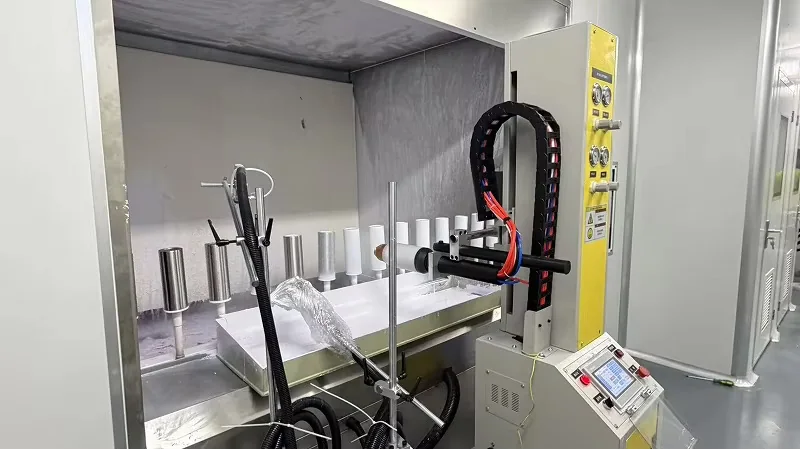
A drinkware supplier change checklist should set out what the new supplier will make, what may change and how the first production order will be accepted. Send a controlled specification package with the reference sample, covering the product specification, decoration files, known issues, packaging and acceptance checks, and mark anything still unconfirmed. Review the right to use the design separately from whether it can be made, because design rights are territorial and a feasible shape is not a cleared one. Describe any problem with the original cup and decide for each difference whether to retain, change, investigate or reject it. Then reapprove the new supplier's own sample and keep old and new stock distinguishable. BG Drinkware, a drinkware manufacturer in Yongkang, China, checks reference-based requests for possible intellectual property infringement and for defects already present in the reference design before assessing the order.
BG Drinkware's team identifies two issues when assessing requests based on another supplier's cup: possible intellectual property infringement and defects already present in the reference design. An existing shared-tooling model may be a starting point, but the team still assesses the specific order. A private label drinkware project based on a reference should therefore distinguish features to retain from problems to correct.
Can the reference design be used for the new order?
Establish the source of the sample and what your business is authorised to share or reproduce before asking for a copy. A purchase receipt for a finished cup, a drawing file or a description such as “open mould” should not be treated as proof that every proposed use has been cleared.
WIPO explains that industrial design rights are territorial. Identify the intended manufacturing and sales markets when arranging a rights review with an appropriate adviser. This checklist does not determine whether a particular cup infringes a patent, design right or other intellectual property right.
Keep this review separate from technical feasibility. A supplier may be able to make a shape without that answering the rights question. Equally, permission to use a design does not establish whether its existing construction meets your purchasing requirements.
Which documents should travel with the sample?
Send a controlled specification package that identifies the reference sample, the latest approved files and any known differences between them. The sample shows a physical object; the documents should explain what the new order must match. Where the two disagree, ask for clarification before the new supplier chooses an interpretation.
| Item to hand over | What to identify | Question to resolve |
|---|---|---|
| Physical reference | Model or sample reference, date and condition | Is it an approved target, an old version or a problem sample? |
| Product specification | Material, dimensions, construction, lid and accessories | Which requirements are confirmed and which remain unknown? |
| Decoration files | Artwork revision, placement and colour reference | Is the sample finish current, worn or only approximate? |
| Known issues | Observed problem, affected configuration and conditions | Should the feature be matched, improved or replaced? |
| Packaging | Individual pack, included parts and carton arrangement | Which parts of the old packing plan still apply? |
| Acceptance checks | What to check, how and who approves | What must pass before the first order can proceed? |
Swipe or scroll to view the full table.
Do not replace missing material or construction information with assumptions based on appearance. Mark it for confirmation. If choosing from the available drinkware range instead of transferring the original design, identify the proposed model's differences. When discussing a new drinkware development, explain the intended use as well as the shape you want to preserve.
What if the original cup has a design problem?
Describe the problem before requesting an exact match. Identify the part involved, the conditions under which it occurs and what the replacement must do differently. Ask the new supplier to assess the proposed change, then approve that change against the requirement. Copying a reference is not the same task as improving it.
For instance, if the complaint concerns a lid and seal, provide the complete affected configuration rather than only the cup body. State what you observed without guessing its cause. A problem attributed to one part may need assessment of the assembled product; the investigation should establish the next action.
Maintain a short difference list between the reference and the proposed replacement. Give each entry a decision: retain, change, investigate or reject. This helps prevent a useful improvement from being rejected later simply because it does not look identical to the old sample.
BG's experience that some reference products have design defects is a reason to assess the order, not a claim that the new supplier can fix every problem. Avoid committing to an improved result until the proposed configuration has been reviewed and checked.
What should be reapproved before the first production order?
Reapprove the configuration that the new supplier will actually produce. Use the old sample as a reference, then identify the new sample, its specification revision and the checks completed on it. Previous approval of another supplier's product should not be used as the new supplier's production release.
Agree the sample review around the actual changes and intended use. Check the relevant assembled functions as well as appearance, and identify which reports or other documents apply to the proposed materials and configuration. Do not assume that a report for the old product covers a changed supplier or specification.
In the quality control discussion, define the checks for the first order and the person who can accept deviations. If an item remains unresolved, record what is on hold and what may proceed. Avoid using “same as before” as the entire acceptance instruction.
How can old and new stock be kept distinct?
Agree how receiving and customer service will distinguish the two supplies. Record the supplier, product revision and available shipment or batch references. If the new lid or another component differs, identify which version it belongs to before replacement parts or mixed stock reach a customer.
Plan the transition with your actual inventory and delivery requirements. Request a confirmed schedule for the new order, including unresolved approvals, rather than assuming that an existing design eliminates development work. Keep old and new records separate even where your retail description remains unchanged.
Supplier change questions
Brands moving a drinkware product to a new supplier usually ask these questions about quotations, old components, open-mould claims and tooling.
Is sending a physical cup enough for an accurate quotation?
It is a starting point. Include the required specification, quantities, decoration, packaging and any changes to the sample. Ask the supplier to list what it has assumed or cannot confirm. Otherwise, two quotations may describe different products despite using the same reference photo. Send the reference with its specification so each quotation states what it covers.
Can the new supplier use the old lids?
Ask for compatibility to be assessed against the exact lid, seal and cup configuration. Similar appearance is not an approval of fit or performance. If old components must remain usable, make that a stated requirement and agree how it will be checked. Record the result against the lid, seal and cup revisions involved.
Does an open-mould description remove the need for a rights review?
No. Treat the description as information about the proposed sourcing route, not a legal clearance. Establish what design and branding will be used and arrange the necessary review for the markets involved. Technical assessment and rights clearance answer different questions. Keep the review record with the order file.
Does switching to a new supplier require new moulds?
At BG Drinkware, a new cup shape or new component requires mould development, while changing colour, choosing an existing lid or adding a logo does not. An existing shared-tooling model may be a starting point, but the team still assesses the specific order. Ask which route applies to your reference before comparing schedules, because mould work changes the timeline.