Tumbler Lid Seal, Straw and Lid Checks for Custom Orders
The body of a tumbler is one welded steel assembly. The lid can have five or six parts. Writing the tumbler lid seal, straw and moving parts into the order is one of the simplest ways to reduce leaks and returns.
By Feng, Head of After-Sales Service & Online Marketing Lead
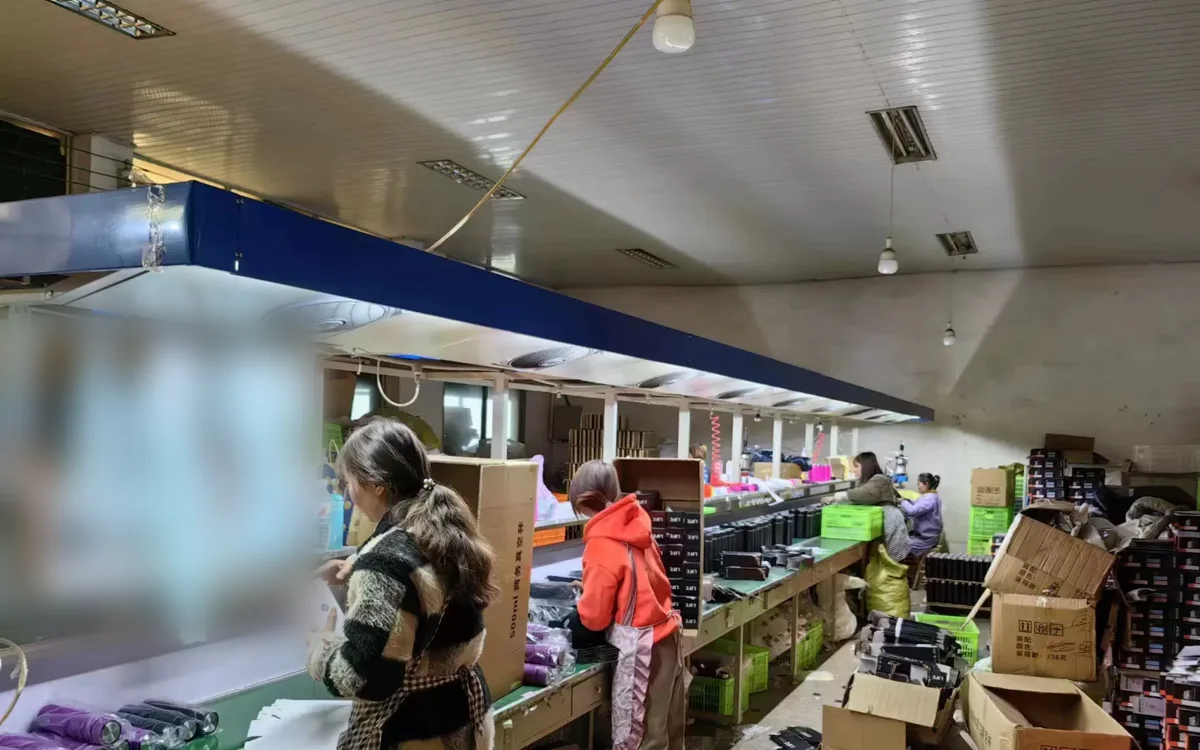
Specify the lid as a set of parts, not as one item: the lid body, the tumbler lid seal, the slider or flip part, the straw and any straw seal. Each part needs a named material, colour and supplier route, and the whole lid should be checked on the approved sample for fit, closing feel and leaks before bulk starts. BG Drinkware, a drinkware manufacturer in Yongkang, China, offers straws in PP, SK copolyester, Tritan, silicone and stainless steel. Silicone seals and some plastic parts can come from specialist suppliers, so naming the approved seal in the order keeps the same part from sample to bulk. The standard minimum order is 500 pieces and negotiable, and accessory or colour choices can affect that minimum on some models. A sample of an existing model takes up to 7 days, which leaves time to test the lid before approving it.
What parts make up a tumbler lid?
A straw or sip lid usually has three to six parts that touch each other or the drink. Each one can be made from a different material and come from a different supplier, so each one needs its own line in the order.
Our guide to water bottle lid types compares the main lid styles. This guide is about what to write down once the style is chosen. See custom tumblers.
What should you specify for each lid part?
For each part, name the material and colour, say whether it must match the approved sample's part exactly, and agree how it will be checked. That turns "the lid" into a short list an inspector can verify, and it stops a similar-looking part from replacing the approved one.
| Part | Specify | Check on the sample |
|---|---|---|
| Lid body | Lid model, material, colour | Fits the cup rim and closes evenly |
| Seal ring | Material, colour, and that it matches the approved seal | Seats fully, with no twist or gap |
| Slider or flip part | Material, colour, opening direction | Opens and closes with a clear feel |
| Straw | Material, length, diameter, colour | Reaches the base, fits the straw hole |
| Straw seal | Material, and whether it is fixed or removable | Holds the straw without leaking |
Straw length and diameter depend on the cup; our guide to what size straw fits a 40 oz tumbler shows how to work them out.
Which straw materials can you choose?
At BG Drinkware, straws come in five materials: PP, SK copolyester, Tritan, silicone and stainless steel. The choice changes how the straw feels, whether it is clear, and how it should be cleaned, so state the material in the order rather than leaving it to the default.
| Material | What it is | Worth stating in the order |
|---|---|---|
| PP | Polypropylene plastic | Colour and whether it is clear or solid |
| SK copolyester | A copolyester from SK chemicals (ECOZEN®) | Grade name, if your market asks for it |
| Tritan™ | A copolyester from Eastman | Grade name, if your market asks for it |
| Silicone | Soft, flexible straw | Colour and wall thickness |
| Stainless steel | Straight or bent metal straw, also in coloured finishes | Shape, finish and whether a silicone tip is fitted |
For any part that touches the drink, ask for the food-contact test report that covers that part's material, not only the cup body.
How do you check the lid on the approved sample?
Use the lid the way a customer will, before you approve it. Fit, closing feel and leaks are easiest to judge on a filled cup, so test the sample lid with liquid inside, and put the results into the approval record alongside the sample and your photos.
- Close and open it repeatedlyThe slider or flip part should move the same way every time, without sticking.
- Fill, close and tip itAgree with the supplier how long the cup should be held on its side or upside down, and check the seal ring and straw hole for drips.
- Take it apart and put it backA seal that is hard to refit after cleaning becomes a leak later.
- Check the strawIt should reach the base, sit firmly in the straw seal and not rattle.
- Photograph the partsLay out every lid part and photograph them for the record that goes with the golden sample.
Our guide to leak-proof water bottles in bulk covers leak testing in more depth, and easy-to-clean water bottles covers parts that trap water.
For which tumbler lids seal, see leak proof tumblers.
If a lid leaks after washing, see why does my water bottle leak?
Should you order spare lids and straws?
For a retail or private-label range, often yes. Lids and straws wear out or get lost long before the steel body, and a matching spare is easier to source while the order's parts and colours are still in production than months later, when materials or colours may have changed.
Spare parts follow the same rule as the main order: name the material and colour, and match them to the approved sample. Our guide to replacement water bottle lids explains how to plan them.
For how finished tumblers and lids are inspected before shipping, see quality control.
Tumbler lid FAQ
Why do tumbler lids leak when the sample did not?
Common causes are a seal ring that is not seated fully, a part that differs from the approved one, or a lid that fits the cup rim less tightly. Silicone seals and some plastic parts can come from specialist suppliers, so name every lid part's material and colour, and check bulk lids against the approved sample before shipping.
What straw materials does BG Drinkware offer?
BG Drinkware offers straws in PP, SK copolyester (ECOZEN®), Tritan™, silicone and stainless steel. Stainless steel straws come straight or bent, and in coloured finishes. State the material, length, diameter and colour in the order, and ask for the food-contact report that covers the straw's material.
Does the lid affect the minimum order?
It can. BG Drinkware's standard minimum order is 500 pieces and negotiable, and some models start from 100 pieces per colour, but accessory and colour choices can change the minimum on some models. A custom lid colour or a different straw material is worth raising early, before the quotation is final.
How should lid parts be checked before approval?
Use the lid like a customer would. Open and close it repeatedly, fill the cup and tip it for an agreed time, take the seal out and refit it, and check that the straw reaches the base and sits firmly. Photograph every lid part laid out together and keep the photos with the approved sample.
Do lid parts need their own food-contact report?
Any part that touches the drink should be covered, including the seal ring, straw and straw seal, not only the steel body. Ask the supplier which report covers each part's material and keep those reports with the order record, because lid parts can be made from several different materials.
Sources
Tritan™ is a trademark of Eastman Chemical Company. ECOZEN® is a trademark of SK chemicals.
Specifying lids for a custom order?
Send the model, lid style, straw material, colours and quantity, and BG Drinkware will reply with a quotation and sample timing.