OEM vs ODM Drinkware: When an Existing Model Is Enough and When New Tooling Is Worth It
In OEM vs ODM drinkware, many branded orders start from an existing model. New tooling makes sense only when the shape itself is part of the brand, and it changes the cost, the sample rounds and the timeline.
By Feng, Head of After-Sales Service & Online Marketing Lead
The OEM vs ODM drinkware choice comes down to one question: will you brand an existing model, or develop a new structure that needs its own tooling? The labels are used loosely, so it is clearer to choose between three routes: an existing model with your logo, colour and packaging; an adapted model with a different lid, finish or accessory; or a new development with new moulds. BG Drinkware, a drinkware manufacturer in Yongkang, China, makes drinkware from 120 mL to 4,000 mL. On existing models the standard minimum order is 500 pieces and negotiable, some models start from 100 pieces per colour, a sample takes up to 7 days, and bulk takes 7–12 days after sample approval. New development adds tooling, extra sample rounds and testing, so its cost and timing depend on the project. Choose new tooling when the shape itself is part of the brand.
What do OEM and ODM mean for drinkware?
Suppliers use the two terms in different ways, so they are a poor basis for a quote. Broadly, ODM means branding a manufacturer's existing design and OEM means producing to your own design. It is clearer still to say which parts will change, because that decides whether tooling is needed.
| Route (common label) | What changes | New tooling | Timing at BG Drinkware |
|---|---|---|---|
| Existing model, branded (ODM / private label) | Logo, colour, finish, packaging | No | Sample up to 7 days; bulk 7–12 days after approval |
| Adapted model | Lid, accessory, finish or decoration on an existing body | Sometimes, for a new part | Depends on the part and any tooling it needs |
| New development (OEM) | Body shape, capacity or lid structure | Yes | Depends on the project |
For the first two routes, see private label drinkware; for the third, see custom drinkware development.
When is an existing model enough?
When the brand is carried by the colour, logo, finish and packaging rather than the shape. That covers most corporate gifts, promotional runs and first retail ranges, and it keeps the minimum order, the sample time and the risk low.
- The capacity you need is already in the range, which at BG Drinkware runs from 120 mL to 4,000 mL.
- An existing lid does what your customers need.
- You want to test the market before committing to tooling.
- The launch date leaves no room for several sample rounds.
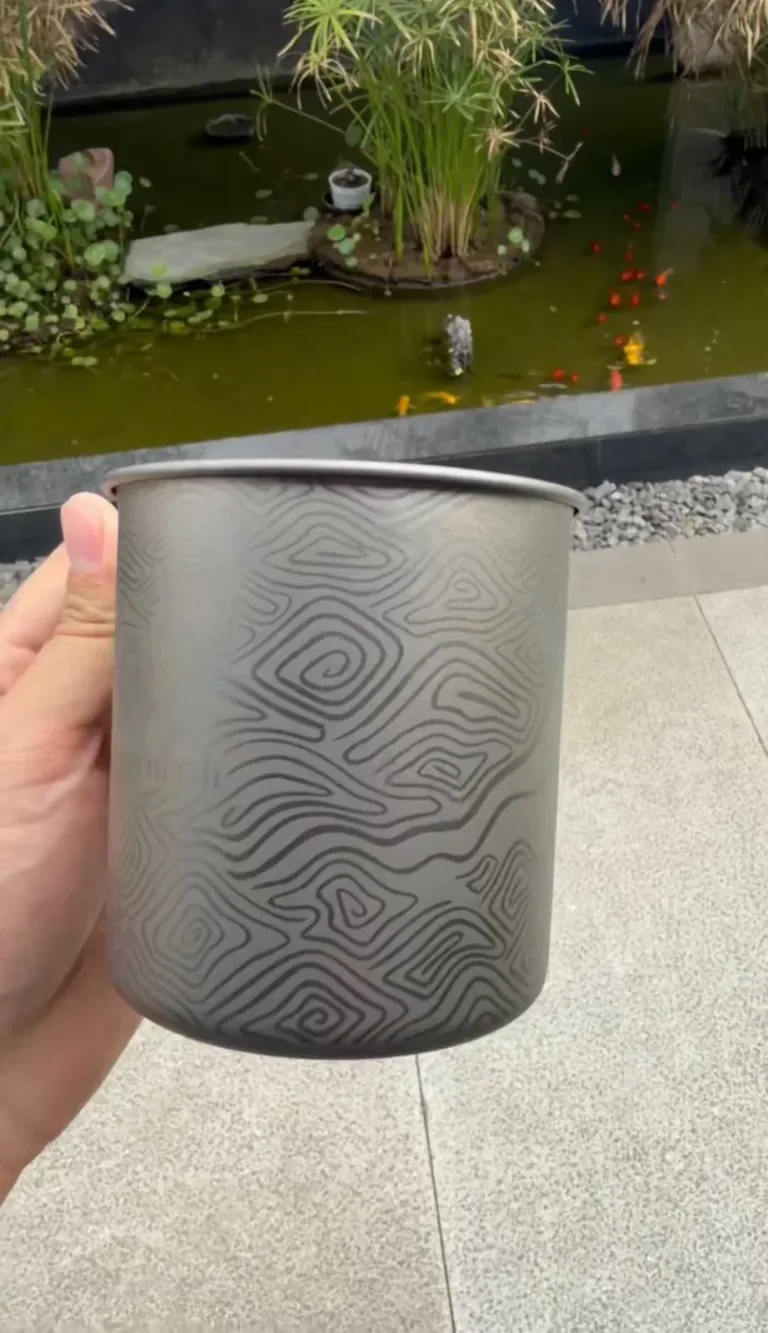
An existing model can still look distinctive through the finish and decoration. Our guide to laser engravable tumblers shows how much the coating changes a logo, and powder coating covers colour and texture options.
When is new tooling worth it?
When the shape is part of what customers buy, and the expected volume over the product's life can carry the tooling cost. A distinctive silhouette, a capacity no existing model offers or a new lid mechanism are the usual reasons. Without one of these, an existing model is usually the safer choice.
The shape is the brand
If customers should recognise the product without the logo, a common body will not do it.
A capacity or fit is missing
For example a size or base diameter your market needs that no existing model offers.
A new lid function
A lid that works differently usually needs new moulds, even on an existing body.
The range will run for years
Tooling is mostly a one-off cost, though moulds need maintenance, so it makes more sense across repeat orders than for a single run.
What changes when you choose new development?
Tooling, sample rounds and testing. Each new part needs a mould, each structure change needs a sample to prove it, and a new vacuum body needs its insulation tested before bulk. Together these add cost and time compared with an existing model, so plan the launch date around them.
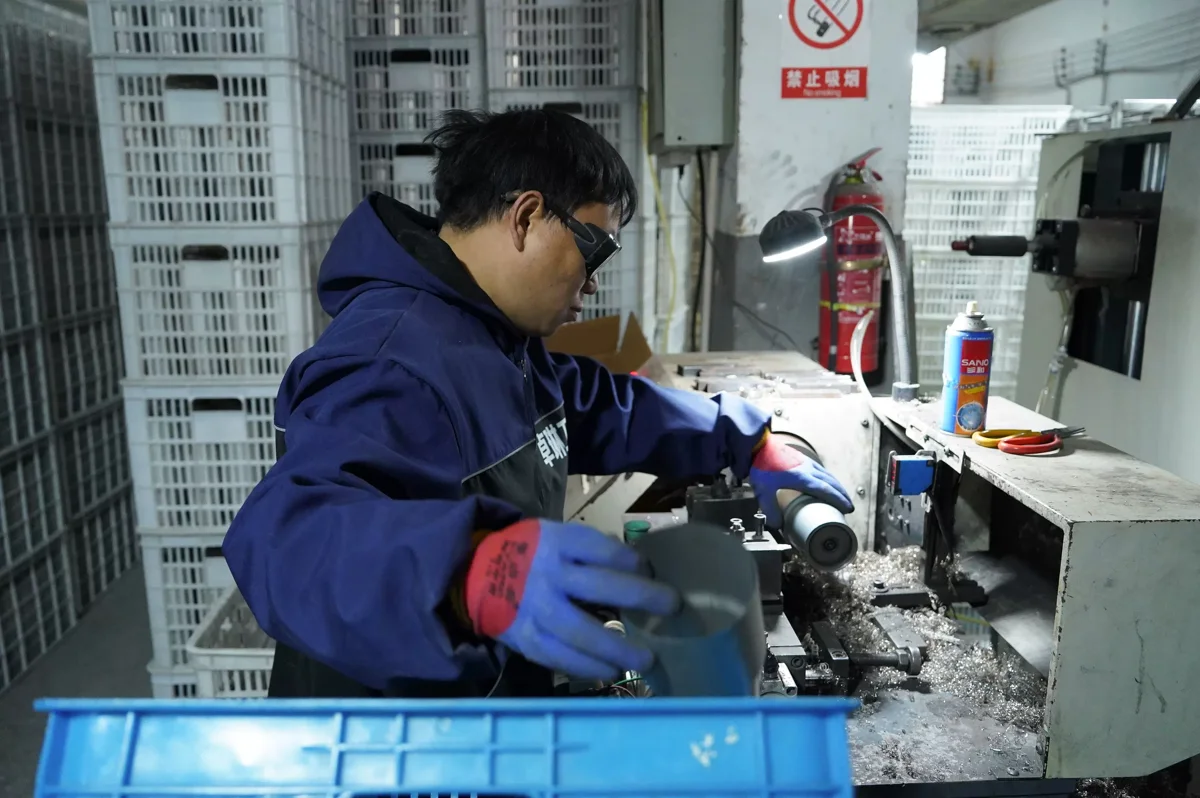
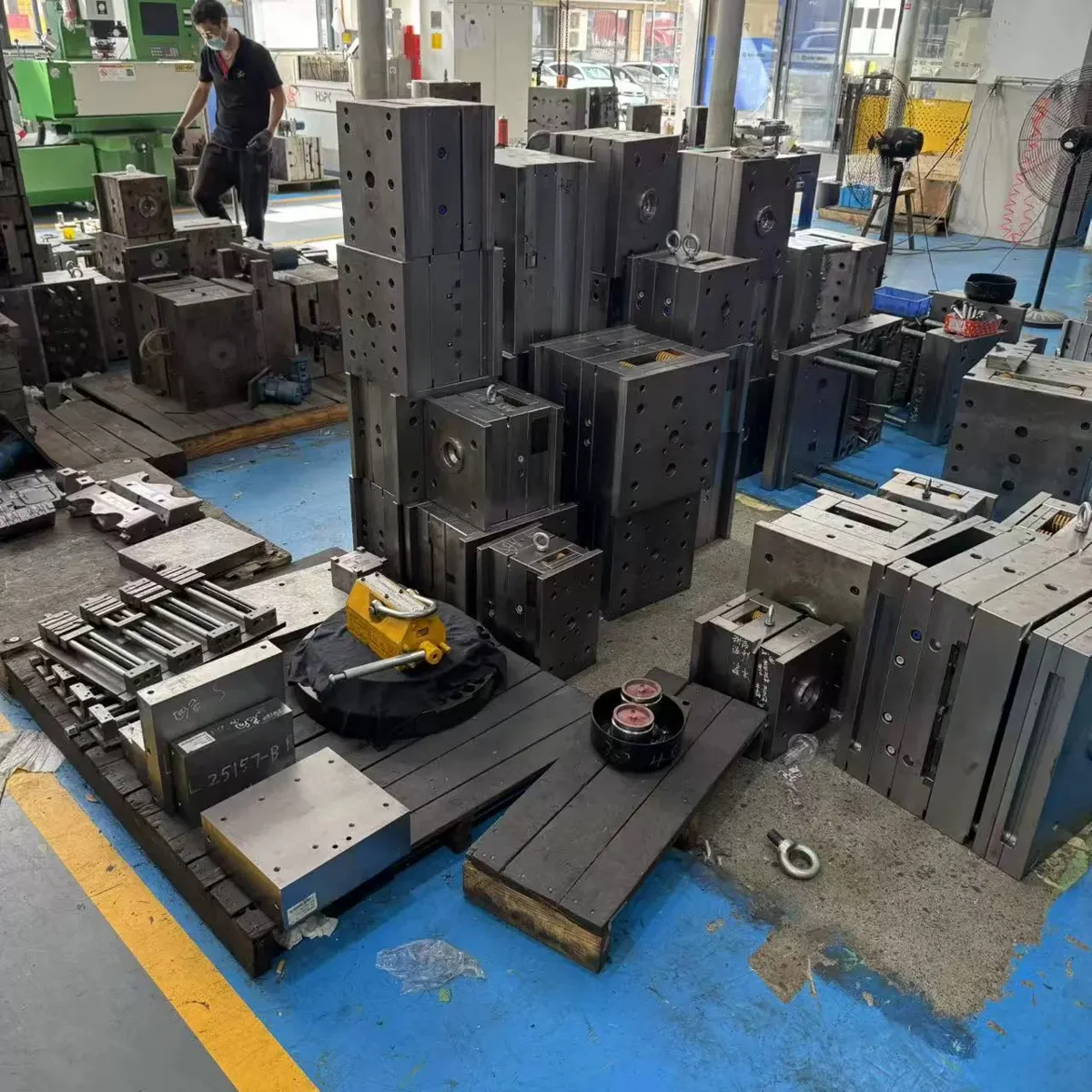
- ToolingMoulds for the new body, lid or parts. Ask for the cost, who owns the moulds and where they are kept.
- Forming routeA new body may be formed by stretching or hydroforming; the choice affects weight and vacuum performance, as our guide to tumbler pricing explains.
- Sample roundsExpect more than one sample, each with a clear question to answer, such as fit, feel or insulation.
- TestingEvery BG Drinkware vacuum bottle is temperature-tested before shipping; a new body also needs its design proven on samples first.
- Design protectionIf the shape matters to your brand, ask an IP adviser whether to register it as an industrial design in your markets, and file before the design is shown publicly, because showing it first can affect whether it can be registered.
What should you ask before paying for tooling?
Ask the questions that decide total cost and control, not only the mould price. Get the answers written into the quotation or contract, so both sides refer to the same terms later and you can compare quotes from different suppliers on the same basis before any tooling is paid for.
- What does the tooling cost, and is it charged once or spread across orders?
- Who owns the moulds, and can they be used for anyone else's products?
- How many sample rounds are included in the price?
- Which tests will the new structure go through before bulk?
- What is the minimum order for the new model once tooling is done?
- How will a design change after the first sample be priced?
The more of these you answer in writing, the easier it is to compare quotes and to plan repeat orders. A golden sample then locks the approved result for bulk.
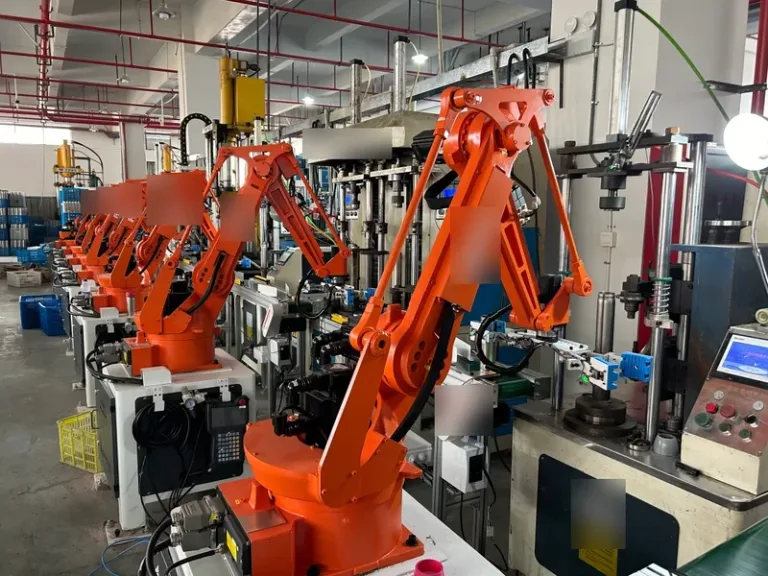
To see how forming, welding, vacuum sealing and testing are done in our own factory, see manufacturing.
OEM vs ODM drinkware FAQ
What is the difference between OEM and ODM drinkware?
The terms are used loosely. Usually OEM means the manufacturer produces to the buyer's brand and specification, and ODM means the manufacturer's own design is adapted for the buyer. It is clearer to state the route: an existing model with your branding, an adapted model, or a new development with new tooling, because that decides cost, timing and minimum order.
What is the minimum order for branded existing models at BG Drinkware?
The standard minimum order on existing models is 500 pieces and negotiable, and some models start from 100 pieces per colour. A sample of an existing model takes up to 7 days, and bulk production takes 7–12 days after the sample is approved. For new development, timing and cost depend on the tooling and sample rounds the design needs.
When should a brand pay for new tooling?
When the shape itself is part of what customers buy, when a needed capacity or lid function is not available on an existing model, and when expected volume over several orders can carry the tooling cost. For a first launch or a one-off campaign, an existing model with your colour, finish and logo is usually the lower-risk route.
Who owns the moulds for a custom drinkware design?
That depends on the agreement, so it should be written into the quotation before tooling starts. Ask who owns the moulds, where they are stored, whether they can be used for other customers, and what happens to them if orders stop. Clear terms make repeat orders and any later supplier change easier to manage.
Can an existing model be changed without new tooling?
Often, yes. Colour, finish, logo, packaging and some accessories can change without new moulds. A different lid or part may need tooling for that part only. Ask the supplier to state in the quotation which changes need tooling, so you can see the cost of each change before deciding.
Sources
Existing model or new design?
Send the product idea, target capacity, quantity and launch date, and BG Drinkware will suggest a route and reply with a quotation.