Private label coffee cups: define the scope of your first project
For private label coffee cups, decide what your brand needs to change before asking for a production quotation. Branding an existing cup, changing a component and developing a new shape are different project scopes. Identify the chosen cup, the requested changes and the approvals needed for each. A logo file alone does not define the finished product.
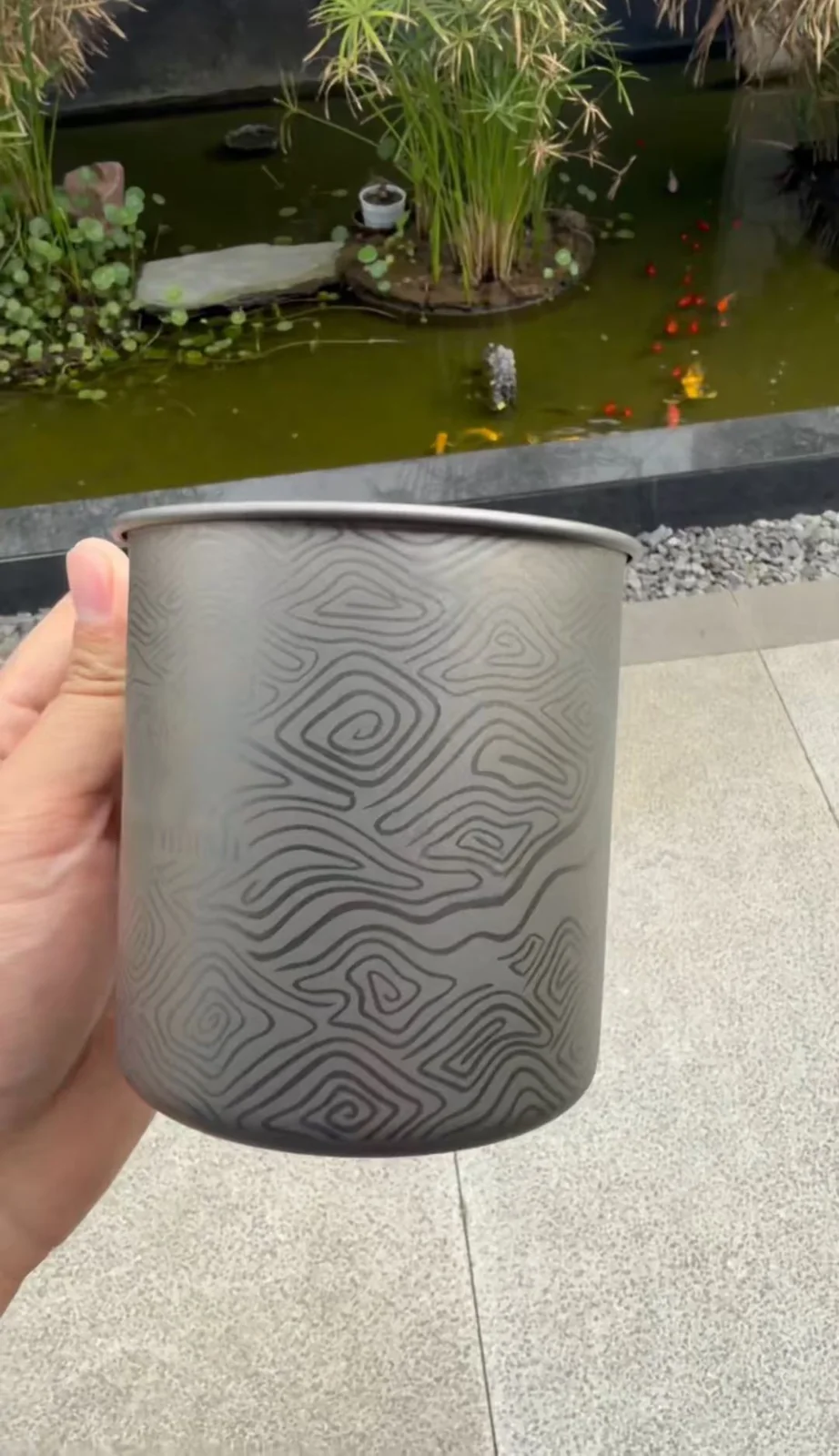
Private label coffee cups start with deciding what your brand needs to change before asking for a production quotation. Branding an existing cup with your colour and logo, changing a component such as the lid or handle, and developing a new shape are different scopes, each with its own assessment and approvals. Record the exact model, lid and accessories, fix functional requirements separately from visual preferences, and give each sample a defined purpose. Ask the quotation to separate development, sampling, decoration, packaging and any tooling, and clarify ownership and exclusivity in writing. BG Drinkware, a drinkware manufacturer in Yongkang, China, does not need a new mould for a colour change, an existing lid or an added logo, while a new cup shape or component requires mould development. The standard MOQ is 500 pieces per model and colour, negotiable, and samples of existing models take up to 7 days. Lower minimums for some start-up teams need an order-specific quotation.
This guide is for buyers developing reusable coffee drinkware for a brand or retail range. At BG Drinkware, a drinkware manufacturer in Yongkang, China, you can start a private label drinkware discussion with the intended use and a proposed configuration. The checklist below helps separate decisions your team can make now from items the supplier needs to assess.
Which parts of the cup need to be different?
Start with the changes customers must notice or use, then separate them from features you can accept from an existing model. A brand colour and logo may meet the brief. A different lid, handle or body shape requires a separate assessment. Describe the requirement before choosing how to manufacture it.
Review the available coffee cups and mugs as possible starting points. Record the exact model and configuration, including its lid and any accessories. An image showing several options does not establish which parts are included in the quotation.
Use a scope table to keep branding and product changes separate:
| Proposed route | What the buyer needs to define | What to ask the supplier to confirm |
|---|---|---|
| Existing model with brand decoration | Model, colour reference, artwork and individual pack | Available finishes, artwork placement and approval sample |
| Existing model with a changed component | Function of the new lid, handle or accessory and its required fit | Compatibility, development work and checks for the assembled cup |
| New shape or construction | Intended use, dimensions, functional requirements and design files available | Feasibility, tooling scope, sample stages and production requirements |
Swipe or scroll to view the full table.
These are planning routes, not fixed service packages or price tiers. A small-looking change may need more review than a visibly different logo. Ask for the supplier's assessment against the actual configuration rather than assigning a route from a photograph.
What should stay fixed during development?
Fix the requirements that determine whether the cup can do its job. Keep visual preferences separate from requirements such as the drinking method, included parts and pack configuration. When a proposal changes, your team should be able to identify which requirement it still meets and which one needs a new decision.
For example, if the brief calls for a cup that is carried with the drinking opening closed, describe the expected use and ask how that configuration will be checked. Do not use “travel cup” as a substitute for agreed closure behaviour. Similarly, list the intended cleaning method for review rather than assuming that a decoration process supports it.
Choose who can approve product function, appearance and packaging. They may be different people. A marketing approval of the logo should not silently become approval of the lid or the carton layout. Keep one current revision of the specification, with unresolved items visible.
Bring proposed structural changes to the product development discussion. State the requirement behind the change. “The lid should be easier to operate” is a starting problem; it still needs an agreed operating condition and a way to judge the proposed solution.
What does the sample need to demonstrate?
Give each sample a defined purpose. A decoration sample may be useful for reviewing artwork, while an assembled sample is needed to discuss how the selected parts work together. Confirm what each sample represents, what remains provisional and which production decisions can follow its approval.
Prepare the review instructions before the sample arrives. Identify the model, material specification, finish, artwork revision, lid, accessories and packaging that your team expects to receive. If a temporary component is used, record it rather than allowing its approval to become ambiguous later.
Use the sampling process to agree the next step for open items. A photograph can help discuss colour or placement, but your team should decide which decisions require a physical sample. Connect the approved configuration to the production inspection requirements. Do not treat approval of the cup body as automatic approval of a later lid substitution or revised gift box.
How should the quotation separate the work?
Ask for the quotation to identify the product configuration and any separately charged development, sampling, decoration or packaging work. The useful distinction is between what belongs to this project stage and what will be supplied in the production order. Confirm the assumptions behind each line before comparing totals.
For proposed tooling, ask what the charge covers and what the written arrangement says about ownership, access, maintenance and future use. Do not infer exclusive rights from a tooling charge or from the phrase “private label”. Any exclusivity requirement needs a specific discussion and agreement.
Record the quantity by version and ask for the applicable minimums. Separate the desired launch date from the supplier's confirmed schedule. A quotation should make clear which approvals or unresolved development tasks affect the start of production; this article does not set a standard lead time or fee for your project.
Questions before starting a branded cup range
Brands planning a first branded coffee cup range usually ask these questions about moulds, exclusivity, packaging approval, minimum quantities and timing.
Does private label always mean a new mould?
No. Your brief may be met by branding an existing configuration. If the required appearance or function cannot be achieved with the available model, ask for a separate development assessment. Choose the scope from the actual requirements rather than assuming that private label means new tooling. At BG Drinkware, changing colour, choosing an existing lid or adding a logo does not require a new mould.
Is an existing model exclusive to my brand?
Do not assume so. Ask what is available to other buyers and what, if anything, would be reserved for your brand. Define the product, territory, duration and other relevant terms in the actual agreement rather than treating decoration or a development payment as proof of exclusivity.
Can the packaging be approved after the cup?
It can be reviewed as a separate item, but its status should remain visible. Confirm whether the selected cup, lid and accessories fit the proposed pack and which packing decisions must be final before production or dispatch. A cup approval does not settle those packaging requirements.
What MOQ and timing apply to private label coffee cups?
At BG Drinkware the standard MOQ is 500 pieces per model and colour and it is negotiable; lower quantities for some start-up teams need individual approval. Samples of existing models take up to 7 days, and bulk production takes a reference 7–12 days from receipt of the deposit, subject to timely approvals. A new shape or component adds mould development, so confirm that schedule separately before setting a launch date.