How Do You Know If Your Insulated Bottle Has Lost Its Vacuum?
A vacuum bottle that stops keeping drinks hot or cold usually has one problem: air has entered the gap between its walls. Here is how to check at home, what causes it, and what a brand should do when customers complain.
By Feng, Head of After-Sales Service & Online Marketing Lead
The quickest way to tell if an insulated bottle has lost its vacuum is the hot water test. Fill the bottle with hot water, close the lid, wait a few minutes, then touch the middle of the outer wall. If the outside feels warm or hot, heat is crossing the gap between the walls and the vacuum is lost. If it stays at room temperature, the vacuum is probably working. BG Drinkware, a drinkware manufacturer in Yongkang, China, builds its standard vacuum bottles with a 304 stainless steel inner wall and a 201 outer wall. A vacuum gap between the two walls greatly slows heat transfer. The most common causes of a lost vacuum are freezing the bottle and dropping it hard enough to break the vacuum seal. A bottle that has lost its vacuum cannot be repaired. BG Drinkware tests the insulation of every vacuum bottle on a temperature-testing machine before shipping, and sends replacement units to brand customers when a bottle fails.
What does a lost vacuum feel like?
Check the outer wall. On a working vacuum bottle, the middle of the body stays close to room temperature, whatever is inside. A bottle with a lost vacuum feels warm or hot on the outside.
Heat moves by conduction, convection and radiation, as the U.S. Department of Energy explains. The vacuum slows the heat moving between the inner wall and the outer wall. Once air gets into that gap, heat crosses it much more easily, so hot coffee warms the outside of the bottle and cools down quickly. Our guide to how insulated water bottles work explains the gap in more detail.
Vacuum working
Hot drink inside, outer wall stays cool. The drink keeps its temperature far longer.
Vacuum lost
Air has filled the gap. Heat reaches the outer wall, so the bottle feels hot and the drink cools fast. For how vacuum bottles are tested before shipping, see how long a thermos keeps coffee hot.
How do you test an insulated bottle at home?
Use hot water and your hand. The test takes a few minutes and needs no tools.
- Fill it with hot waterPour hot water into the bottle. Take care with freshly boiled water.
- Close the lid and waitLeave the bottle closed for a few minutes so the heat has time to reach the outer wall if the vacuum is gone.
- Touch the middle of the bodyHold the outer wall halfway down, away from the lid and the neck.
Do not judge by the neck or lid. Heat can pass through the neck and the lid even on a bottle with a working vacuum, so the top may feel slightly warm. The middle of the body is the reliable spot.
What usually causes a bottle to lose its vacuum?
In BG Drinkware’s after-sales experience, the two main causes are freezing and hard drops. Understanding stainless steel vacuum bottle construction helps explain why the sealed wall gap matters.
Putting it in the freezer
The temperature difference can damage the vacuum layer, harden the lid seal and, in the worst case, deform the inner wall. BG Drinkware tells customers not to put vacuum bottles in the freezer or the fridge.
A hard drop
A hard drop may cause the vacuum to leak. Air then enters the gap and the bottle stops insulating. Check with the hot water test after any hard fall.
If the bottle also rattles, see insulated bottle rattling.
Can a bottle that lost its vacuum be repaired?
No. Once the vacuum is lost, the bottle cannot be repaired.
The vacuum is created and sealed inside the wall at the factory, and it cannot be restored afterwards. The bottle can still hold drinks, but it no longer insulates like a vacuum bottle. If insulation matters, the bottle needs replacing.
How does the factory check insulation before shipping?
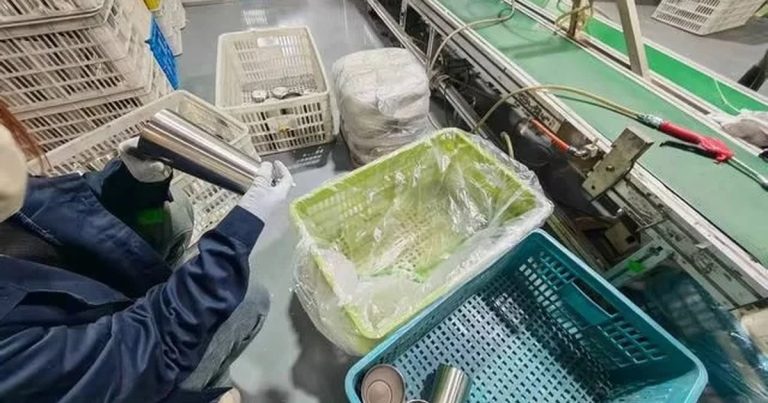
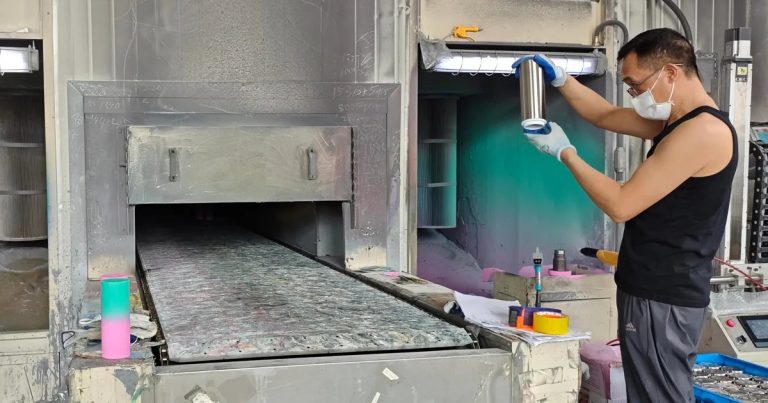
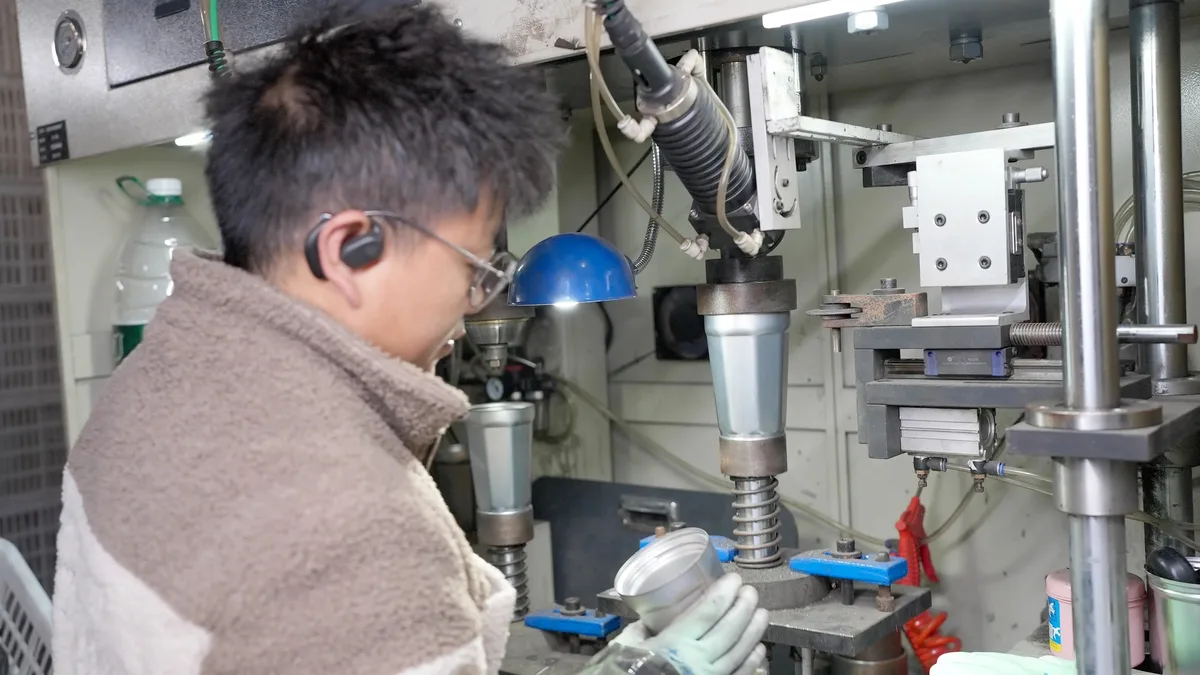
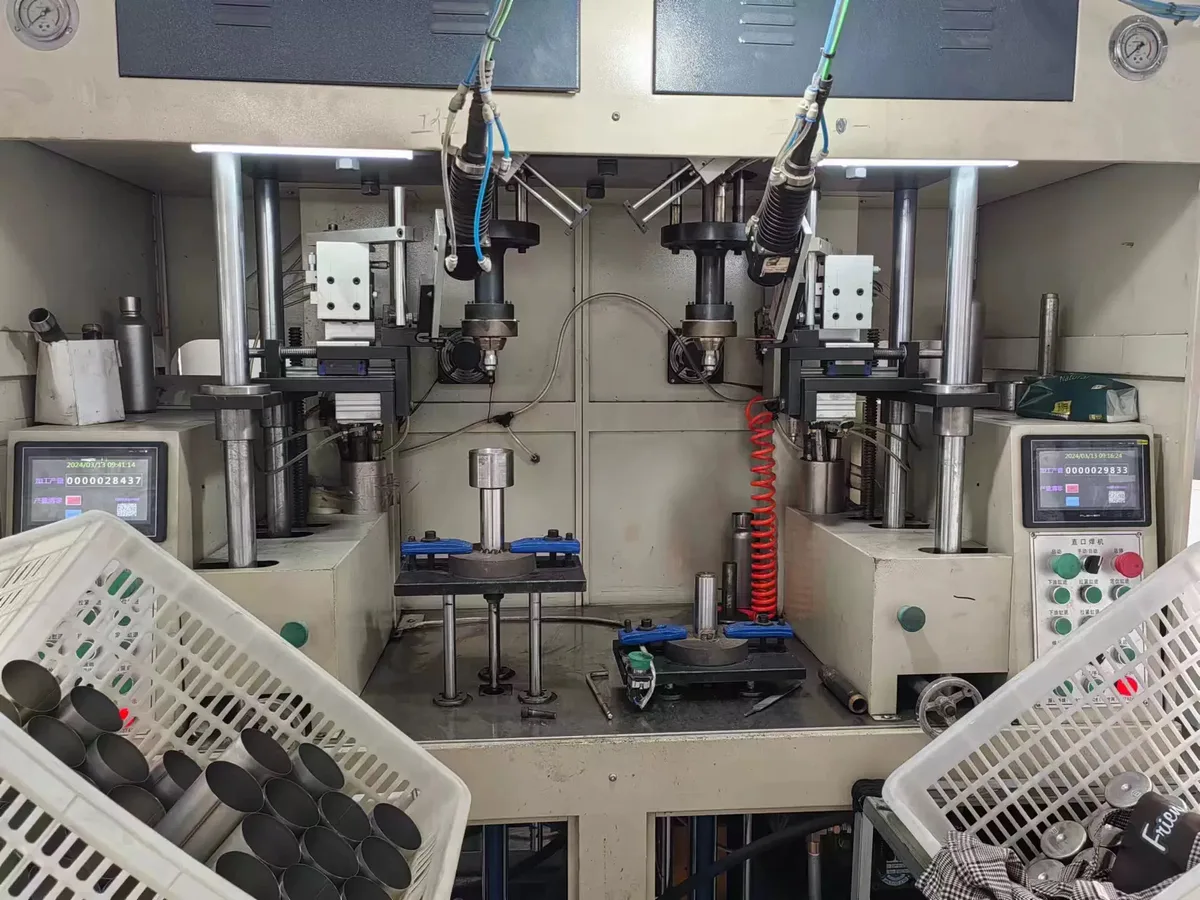
BG Drinkware tests every vacuum bottle, not a sample, on a temperature-testing machine. See how the factory inspects insulation before shipping in the broader QC workflow.
Because every bottle is insulation-tested before shipping, a bottle that stops insulating later is most often affected by freezing or a hard drop. A leaking lid is a different problem from a lost vacuum; see our guide to leak-proof water bottles for lid and seal checks.
What should a brand do when customers say a bottle stopped keeping cold?
Ask for the hot water test first, then replace bottles that fail it.
- 1. CheckAsk the customer to run the hot water test and describe what the outer wall feels like.
- 2. ConfirmA warm outer wall means a lost vacuum. A cool wall with a cooling drink means the problem is probably the lid or lid seal.
- 3. ReplaceFor confirmed failures, BG Drinkware sends replacement units to its brand customers. Terms are agreed per order.
Adding care notes helps prevent the most common cause. BG Drinkware can add a no-freeze or no-microwave mark, or a printed care note such as “Do not put in the freezer or fridge”, to an order.
Lost vacuum FAQ
Why is the outside of my insulated bottle hot?
Because the vacuum between the two walls is gone. Without the vacuum, heat from the drink crosses the gap and warms the outer wall. A working vacuum bottle stays at room temperature on the outside, apart from a little warmth near the neck and lid. A hot outer wall means the bottle will not insulate again.
Can you fix a vacuum insulated bottle?
No. The vacuum is sealed inside the wall during manufacturing, so it cannot be restored afterwards. The bottle can still hold drinks, but it will no longer keep them hot or cold the way it did. Replacing the bottle is the only way to get insulation back, because the vacuum is created and sealed during manufacturing.
Can dropping an insulated bottle break the vacuum?
It can. According to BG Drinkware’s after-sales team, a hard drop may cause the vacuum to leak, letting air into the gap between the walls. Run the hot water test after any hard fall, even if the bottle looks fine. If the middle of the outer wall turns warm within a few minutes, the vacuum has been lost.
Does freezing ruin an insulated bottle?
It can. BG Drinkware advises against putting vacuum bottles in the freezer or the fridge. The temperature difference can damage the vacuum layer, harden the lid seal and, in the worst case, deform the inner wall. BG Drinkware tells its customers about this in advance and can add a care note to each bottle.
My bottle feels cool outside but drinks still cool down. Why?
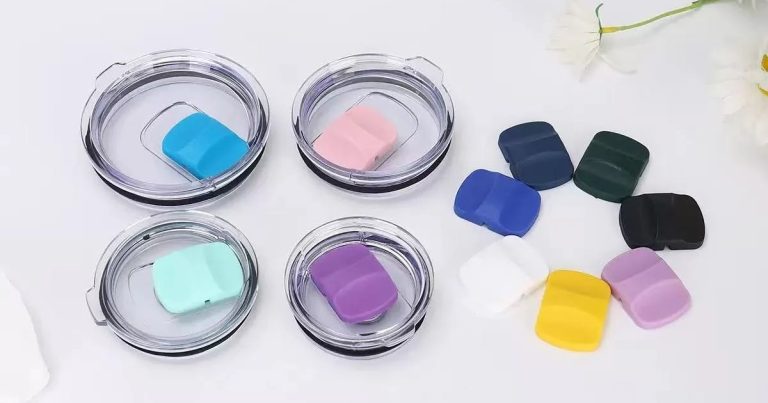
If the outer wall stays cool during the hot water test, the vacuum is probably fine. The next thing to check is the lid: a worn or missing seal, or a lid that is not fully closed, lets heat escape through the top. BG Drinkware supplies lids and removable silicone seals separately, so a worn seal can be replaced.
Sources
Sourcing vacuum bottles for your brand?
Every BG Drinkware vacuum bottle is insulation-tested before shipping. Tell us the style and quantity, and we will quote it with the care marks your market needs.