Mold in Your Water Bottle: How to Get It Out and Stop It Coming Back
Mold in water bottle lids usually shows up as black specks or a musty smell. Here is where it hides, whether it can make you sick, how to clean it out step by step, and which bottle designs make it easier to keep away.
To get mold out of a water bottle, stop drinking from it, take apart the removable lid, straw and seal according to the maker's instructions, scrub every part with warm water and dish soap, rinse thoroughly and let each part dry completely. Cleveland Clinic cites a 2015 study suggesting vinegar can help stop mold growth (general information, not medical advice). Clean the bottle daily and give removable parts a thorough clean at least once a week. A few sips may cause nothing, but drinking contaminated water may cause stomach upset, cramps or diarrhoea, and airborne spores can trigger allergy symptoms or worsen breathing problems in susceptible people. These symptoms alone cannot identify mold as the cause; if they don't go away, talk to a doctor. If visible growth or a musty smell remains after cleaning, ask the manufacturer about replacing the affected part; a stain alone does not confirm active mold. For BG Drinkware bottles, replacement lids, straws and silicone seals are sold separately, depending on the model.
Can mold in a water bottle make you sick?
Mold in a water bottle can make you sick. A few sips may cause nothing, but people react differently, and some people are more at risk than others.
According to Cleveland Clinic internist Dr. Marianne Sumego, you might get "a very mild case or something a bit more severe." Repeated exposure matters more for people who are more vulnerable.
Possible effects of exposure
- Drinking contaminated water may cause stomach upset, cramps or diarrhoea.
- Airborne mold spores can trigger allergy symptoms or worsen breathing problems in susceptible people.
- Effects vary with the person and exposure; these symptoms alone cannot identify mold as the cause.
Higher risk
- People with a weakened immune system
- People who are sensitive to mold
- People with asthma or other lung conditions
If symptoms don't go away, talk to a doctor. For everyday cleaning, see how to clean a stainless steel water bottle.
Where does mold hide in a water bottle?
Mold hides in the places that stay wet after you rinse: the rubber seal, the lid's crevices, the straw and the mouthpiece.
- Mouthpiece and spout. Every sip leaves saliva and drink behind, and spouts are hard to scrub.
- Silicone seal and its groove. The seal traps moisture against the lid. UAB biologist Benjamin Turner singles out rubber sealing parts, straws and lids with crevices.
- Push buttons and flip hinges. Small gaps in the lid's moving parts stay damp.
- Threads. Water sits in the screw threads of the bottle and lid.
- Straw. It is narrow and dark inside, and hard to dry without a brush.
How do you get rid of mold in a water bottle?
Take everything apart, scrub each piece with hot soapy water, soak if you need a deeper clean, rinse, and dry completely.
- Stop using it and empty itDon't drink from it again until it's clean.
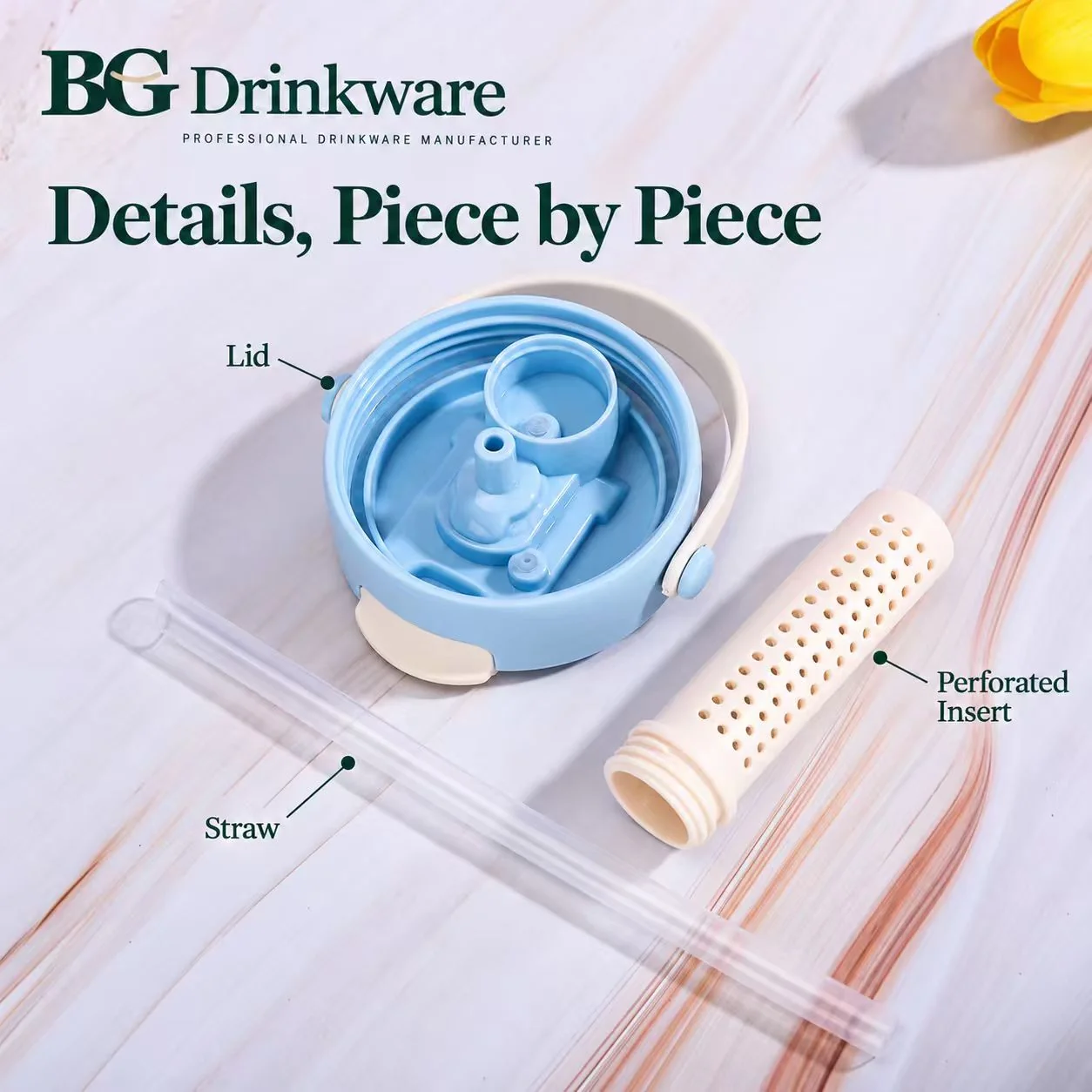
- Take it apartRemove the lid, straw and silicone seal, following the maker's instructions.
- Rinse with warm waterRinse out loose residue from every part.
- Scrub with dish soapUse a few drops of liquid dish soap and a bottle brush. Spend the most time on the cap, mouthpiece, seal groove and straw.
- Soak for a deeper cleanOptional
If the bottle maker permits it, use equal parts vinegar and water for a few minutes, then rinse thoroughly. For a separate sanitising step, use only a product approved for food-contact surfaces and follow its label and the bottle maker's material guidance. Never mix bleach with vinegar or other cleaners. - Rinse with hot waterRinse until no soap or vinegar smell is left.
- Air dry completely, apartLeave the parts separate and open until they are fully dry. Trapped moisture is what brings mold back.
Steps from Cleveland Clinic and UAB. Cleveland Clinic cites a 2015 study suggesting vinegar can help stop mold growth. If your bottle is dishwasher safe, a weekly run through the dishwasher also reaches tight spaces. See what to check in our guide to easy-to-clean water bottles.
How often should you clean a water bottle to prevent mold?
Wash your bottle daily with dish soap and water, and thoroughly clean removable lid parts, seals and straws at least weekly. Follow the maker's care instructions and clean promptly after drinks leave residue.
Rinse with warm water, or wash with dish soap.
UAB recommends cleaning drinking cups regularly, ideally every day.
Take the lid, seal and straw apart and scrub them, as Cleveland Clinic advises.
Should you replace the seal or the whole bottle?
Usually the seal. If the mold is in a removable silicone seal and stains or smells remain after a deep clean, replacing the seal usually costs less than replacing the bottle.
Removable seals
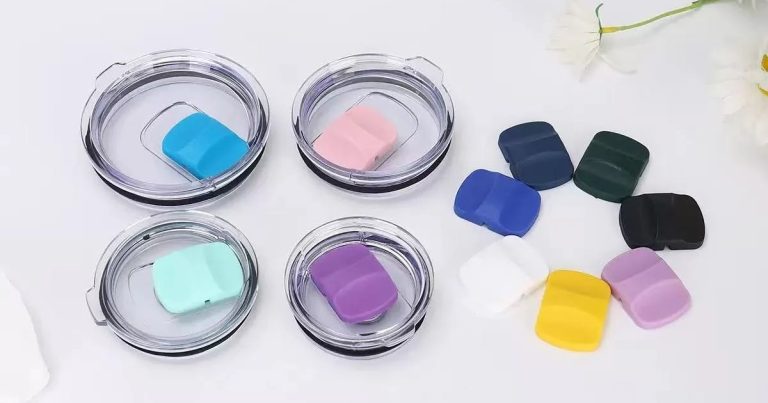
On BG Drinkware lids, the silicone seals can be taken out for cleaning.
Food-grade silicone
The seals that touch your drink are made of food-grade silicone.
Sold separately
Seals can be supplied on their own, like our lids and straws.
Match the model
A seal only works on the lid it was made for. Keep a note of the bottle model when you reorder.
A replacement only works if it fits. Our guide on why replacement lids fail to fit covers what to confirm with the supplier.
What makes a water bottle easier to keep mold-free?
A lid that comes completely apart and has few hidden corners. No bottle is mold-proof, but some are much easier to clean properly.
Seal that comes out
So the groove behind it can be scrubbed and dried.
Few dead corners
Fewer gaps where water can sit after rinsing.
Parts that come apart
Buttons, spouts and straws that can be removed.
Wide mouth
Room for a brush and enough airflow to dry.
For brands, the lid is where this gets decided. BG Drinkware can build easy-to-clean lids on request, and with a custom lid mould the design can be built to your specification, from how the seal sits to how the button comes apart.
Planning a branded run?
For brands, a lid that comes fully apart and a care card in the box are the simplest ways to reduce mould complaints. See custom water bottles and how lids and seals are checked in quality control.
Mold in water bottle FAQ
What are the symptoms of drinking from a moldy water bottle?
Stomach upset, cramps or diarrhoea may occur after drinking contaminated water. Breathing airborne mold spores is a separate exposure that may cause allergy symptoms or worsen lung conditions. Symptoms alone do not establish a cause. Seek medical advice for persistent symptoms, and urgent help for difficulty breathing.
Does vinegar kill mold in a water bottle?
Cleveland Clinic suggests an equal-parts vinegar and water soak as a cleaning step. Use it only if the bottle maker permits it; it is not a guarantee of sanitisation. Scrub first, rinse thoroughly and dry completely. If sanitising is needed, follow a food-contact sanitiser's label and the maker's material guidance. Never mix bleach with vinegar.
How do you clean mold out of a straw?
Take the straw out, scrub inside with a straw brush and hot soapy water, rinse, and let it dry completely before you put it back.
Can you get mold out of the rubber seal?
Where the design permits removal, take out the seal and clean it and its groove according to the maker's instructions. Persistent visible growth or a musty smell after cleaning is a reason to ask about replacement; staining alone does not confirm active mold. Replacement availability depends on the model.
Is there such a thing as a mold-proof water bottle?
No bottle stops mold by itself. A bottle whose lid and seal come completely apart and dry quickly is much easier to keep clean.
When choosing a drinkware range, compare the lid construction in our tumbler options and discuss model-specific checks through our quality-control process. Find related inspection topics in Quality & Testing.
Sources
- Cleveland Clinic: Your water bottle may be growing mold (Aug 2024)
- UAB News: Drink water, not mold. Five steps for a cleaner water bottle (Mar 2024)
General information, not medical advice.
Designing a lid that is easy to clean?
Send us your bottle and lid requirements. BG Drinkware can make removable food-grade silicone seals, lids that come apart, and a custom lid mould built to your design.