Shaker bottles in bulk: plan a gym or fitness brand order
To order shaker bottles in bulk for a gym or fitness brand, define the sales or giveaway route first. Then specify a complete set, split the quantity by capacity and color, and compare the cost of getting those sets to the agreed destination. Approve the sample configuration before committing the order.
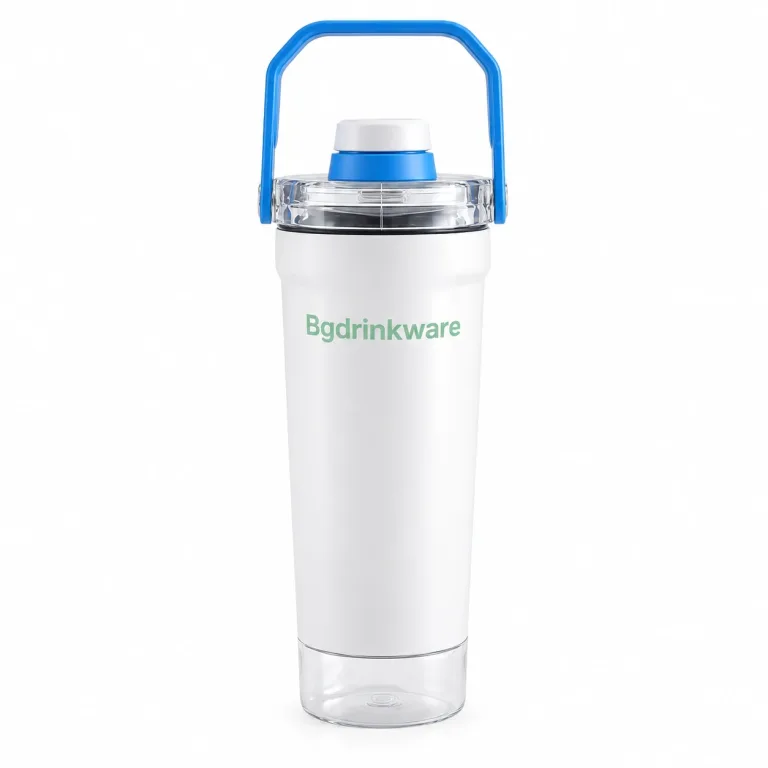
Shaker bottles in bulk for a gym or fitness brand should be planned from the sales or giveaway route first, because retail stock, a new-member kit and an event giveaway each need a different quantity basis. Then define one complete set, covering the bottle, lid, mixing ball and any other accessory, and quote each capacity, colour, lid or artwork version as its own order line. Keep the first range small, and allocate colours from member requests or past sales rather than an equal split. Compare quotations for the same complete set and delivery scope, including decoration, packaging, samples and freight. Approve a sample that matches the intended configuration before committing. BG Drinkware, a drinkware manufacturer in Yongkang, China, quotes a standard MOQ of 500 pieces, negotiable, with some models from 100 per colour. Samples of existing models take up to 7 days and bulk production 7–12 days after approval.
A gym shop needs stock it can sell; a membership campaign needs enough complete kits for its recipients. Treating both as “bottles with a logo” leaves too many decisions inside the quotation. Use the order brief to settle what you are buying and how your team will use it.
Start with retail, membership kits or event giveaways
Choose the order quantity around the channel that will use the bottles. For retail, estimate demand and the cash tied up in unsold colors. For a membership kit, count eligible members and decide when they receive it. For an event, confirm recipients, distribution dates and any reserve your team wants to hold.
| Order route | Quantity basis to prepare | Main commercial decision | Detail to include in the brief |
|---|---|---|---|
| Gym shop or fitness brand retail | Forecast sales, display units and a chosen service reserve | How many variants can the first order support? | Planned retail price, capacity, colors and what the customer receives |
| New-member kit | Eligible members during a defined campaign | Is the bottle included in the membership price or sold as an upgrade? | Kit contents, allocation period and who approves the final set |
| Event giveaway | Confirmed recipients and an explicitly budgeted reserve | What is the budget per recipient? | Required arrival date, total sets and essential branding |
Swipe or scroll to view the full table.
Retail presentation may justify spending that a short campaign cannot support. A giveaway still needs a clear parts list and sample approval. Set the budget and distribution plan before choosing optional extras.
For a branded retail line, review the private label drinkware route. For an event brief, use the promotional drinkware route. If you are still choosing the bottle material, the existing stainless steel shaker bottle guide addresses that earlier decision.
Keep the first SKU and color split manageable
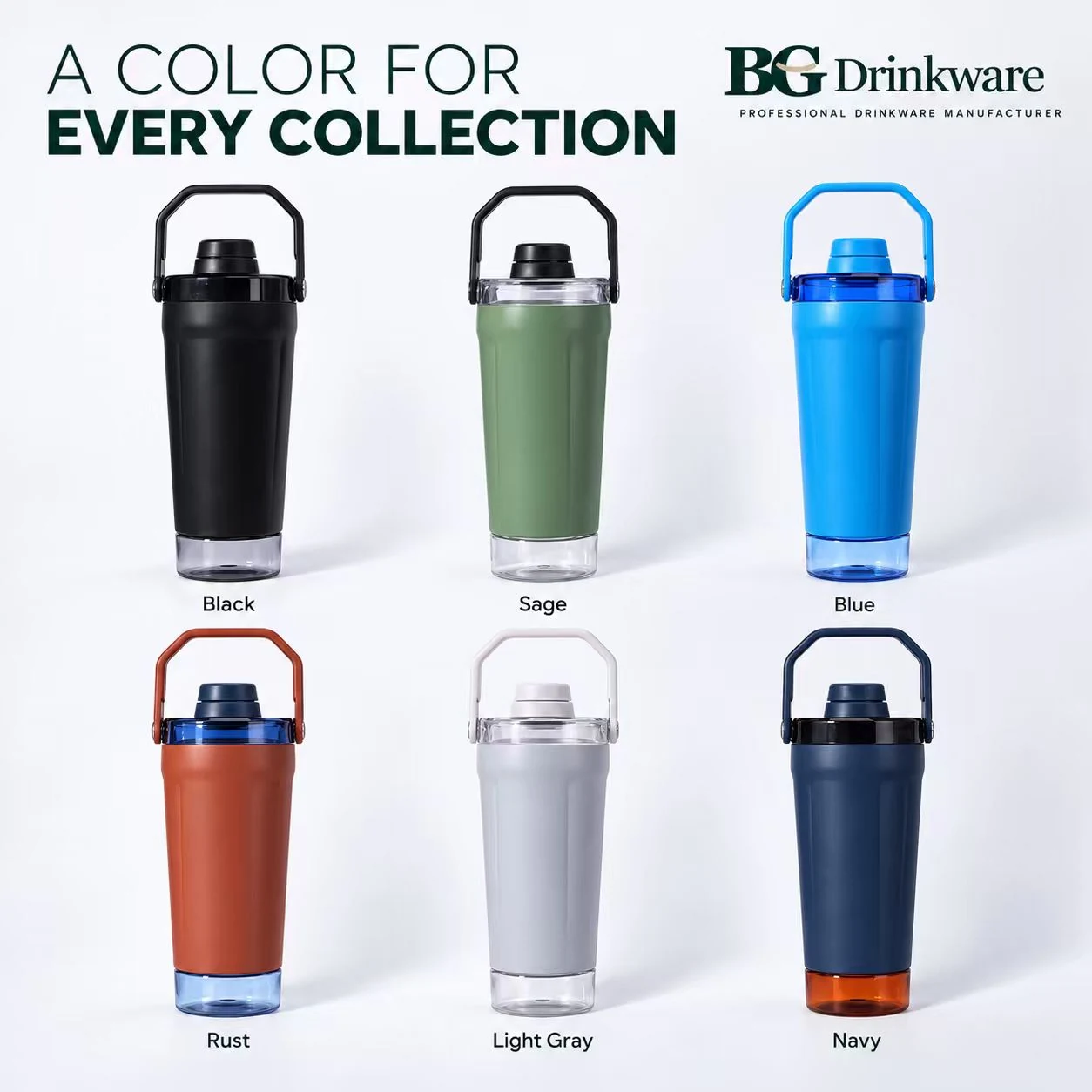
Quote every sellable configuration as a separate order line. One capacity in two colors creates two variants; two capacities in those same colors creates four. A different lid, accessory combination or artwork version may need another line. More choice gives the launch flexibility, but it also divides stock and adds approvals.
For a first order, start with the smallest range that meets a real customer need. Add a second capacity only if your sales plan explains who buys it. Allocate colors using member requests, previous merchandise sales or retailer feedback where available. An equal split is a planning choice, not proof of equal demand.
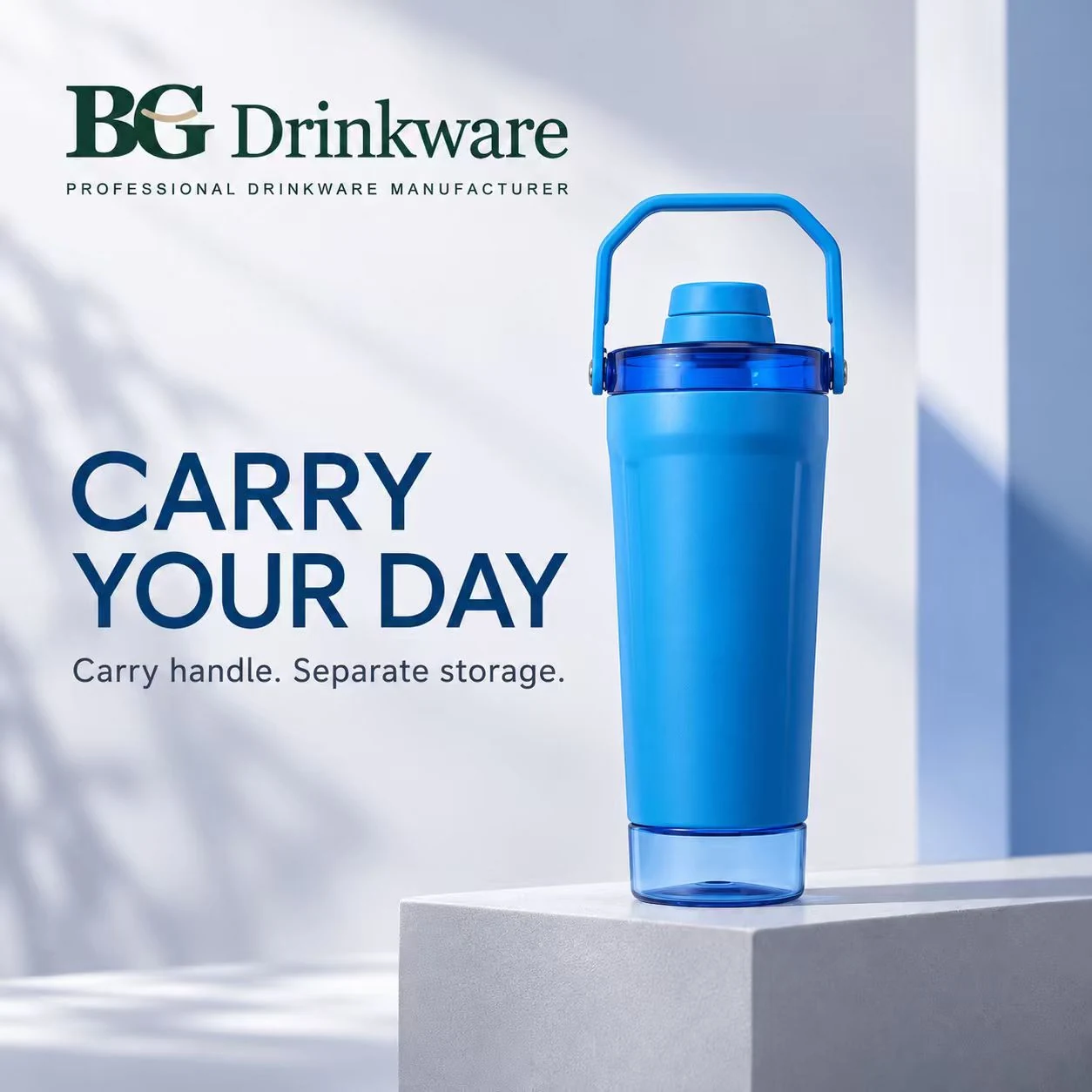
Give each line an internal code and record its quantity, bottle configuration, color reference and artwork version. Check that the line quantities add up to the total. Ask which minimum quantities apply by model, capacity, color and decoration; do not assume a headline total allows any split.
If your range also needs ordinary drinking bottles, browse the water bottles category separately. Keep those quantities distinct from the shaker order so the quotation remains comparable.
Compare the cost of a complete set
Compare quotations for the same complete configuration at the same delivery scope. A bottle-only price can exclude the mixing ball, another requested part, decoration or individual packaging. Ask each supplier to identify what is included, what is optional and what is charged once for the project.
Your cost sheet should account for:
- Bottle, lid and every agreed accessory in one customer set.
- Logo application and any separately quoted artwork, setup or development work.
- Individual presentation, labels and other agreed packaging.
- Samples, sample delivery and any separately agreed review work.
- Freight and destination costs assigned to you under the quoted delivery terms.
For planning, divide the total project budget by the planned number of complete sets. After receipt, reconcile actual spending against the complete sets accepted. Use the same currency, destination and delivery terms when comparing offers; otherwise, a difference in scope can look like a price saving.
For retail, work back from your planned selling price and selling costs to decide what purchasing budget remains. For a giveaway, start with the approved budget per recipient. Keep one-time charges visible so finance can assess the first order without assuming those charges automatically disappear on a repeat order.
Approve the configuration and hand over one order record
Approve a sample that represents the configuration you intend to buy, and record any differences still awaiting confirmation. A sample with a different ball, lid or optional part does not settle the final set. Ask the supplier to identify those differences before your team signs off. The sampling page is the next step for a sample brief.
Include any requested mixing-ball size in both the quotation and the sample record. Confirm suitability for the selected configuration and any cost or timing implications before approval; do not treat a size change as an automatic result guarantee.
Once approved, attach the final line list, artwork version, sample reference, complete-set contents and agreed delivery scope to the purchase order. Name one buyer-side contact who can authorize changes. Procurement, the supplier and the receiving team should work from the same dated revision. Use the quality control page to discuss the order checks your team needs.
Prepare your quotation brief: send BG Drinkware the order route, total sets, proposed capacity and color split, parts list, artwork, destination and required arrival date. Request a shaker bottle quotation with optional costs and unresolved items listed separately.
Frequently asked questions
Gym owners and fitness brands usually ask these questions when planning a first branded shaker order, from quantities and specifications to approval, minimums and timing.
How many shaker bottles should a gym order first?
Base the first quantity on a defined sales or membership period, then add only the display, staff or reserve units your team has chosen to fund. Ask the supplier to confirm minimums for each proposed configuration and color. A larger total should not replace a demand plan for the individual variants.
Should retail bottles and giveaway bottles use different specifications?
They can use the same configuration if it suits both audiences and budgets. The buyer should decide whether retail presentation or extra accessories justify their cost for each channel. If the contents differ, give the retail and giveaway sets separate order lines so a shared logo does not hide a different specification.
What must be settled before approving the bulk order?
Settle the line quantities, capacity and color split, complete-set contents, artwork version, sample configuration, total cost scope and delivery responsibilities. Mark any unresolved item explicitly and obtain written agreement before approval. Include the mixing-ball size where specified; a photograph of the bottle alone does not define every part of the order.
What MOQ and lead time apply to branded shaker bottles?
At BG Drinkware the standard MOQ is 500 pieces and it is negotiable, and some models can be ordered from 100 pieces per colour. Samples of existing models take up to 7 days, and bulk production takes 7–12 days after the sample is approved. Add artwork sign-off and freight time when working back from a launch or event date.