Drinkware batch traceability: connect the order, production records and cartons
Drinkware batch traceability should let a buyer connect received goods to the relevant order, product version and production records. Agree what identifies a batch and how it relates to the shipment before dispatch. A date-stamped photograph is useful, but the buyer also needs to know which goods and production stage it represents.
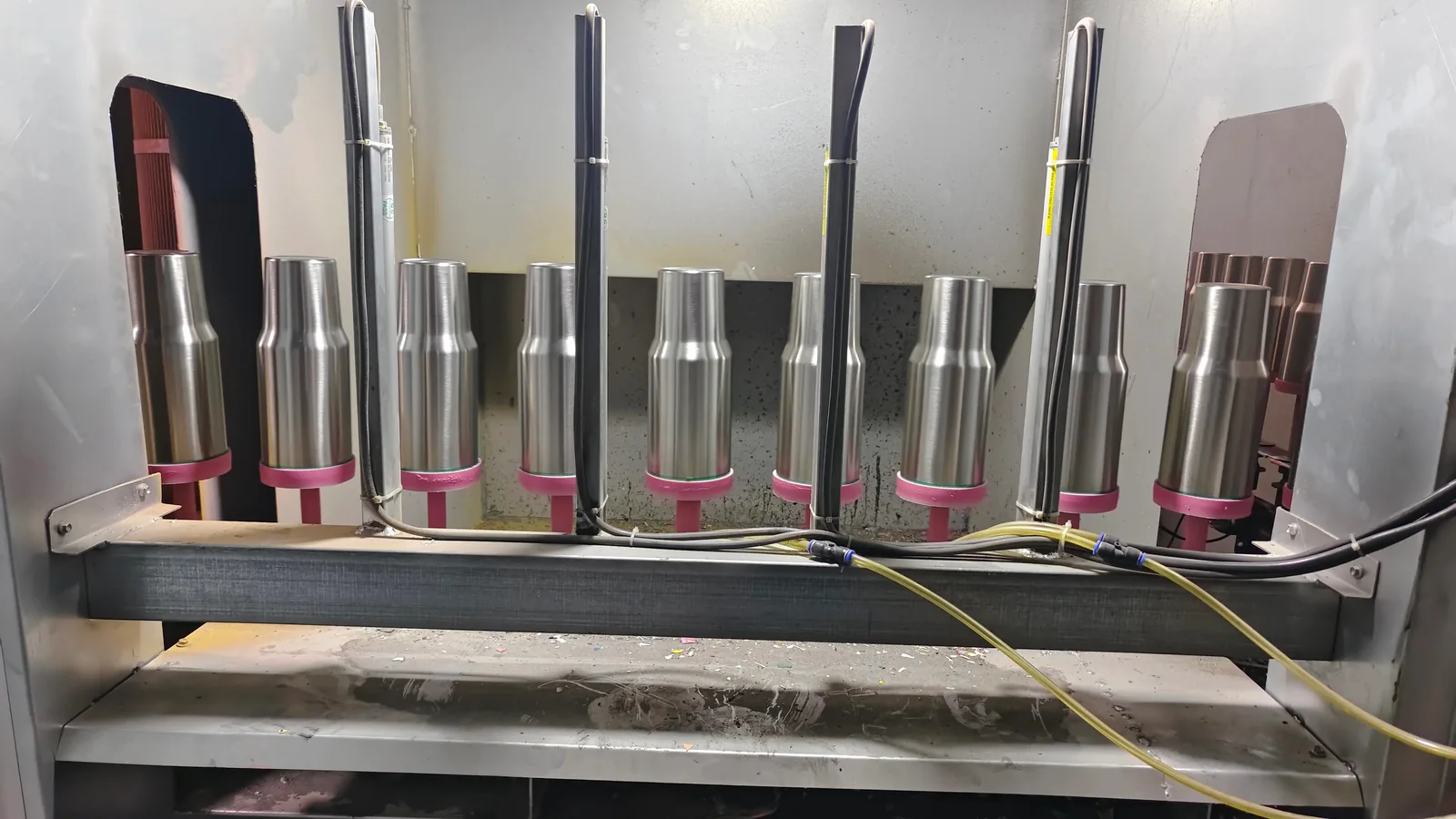
Drinkware batch traceability should let a buyer connect received goods to the order, the product version and the production records behind them. Give the product revision, purchase order line, production batch, inspection record, carton and shipment their own references, and agree before dispatch how each one relates to the next. Do not assume one purchase order is one batch, or that one shipment holds only one batch; ask how mixed packing will be recorded. Tie each production photograph to an order or batch reference, its date and the stage shown. If a problem is reported, start from the identifiers on the goods and cartons and ask for the matching records. BG Drinkware, a drinkware manufacturer in Yongkang, China, uses a CRM system and dated production photographs for its records, so confirm which references your order will carry and how records can be requested.
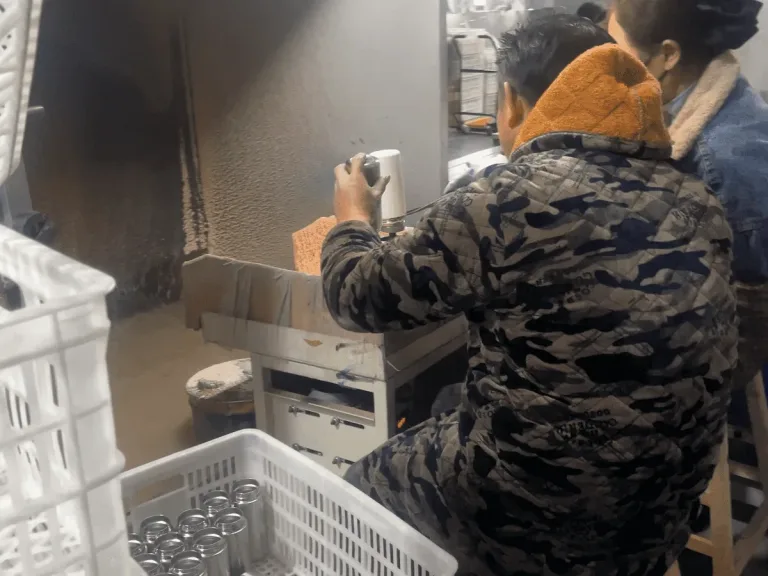
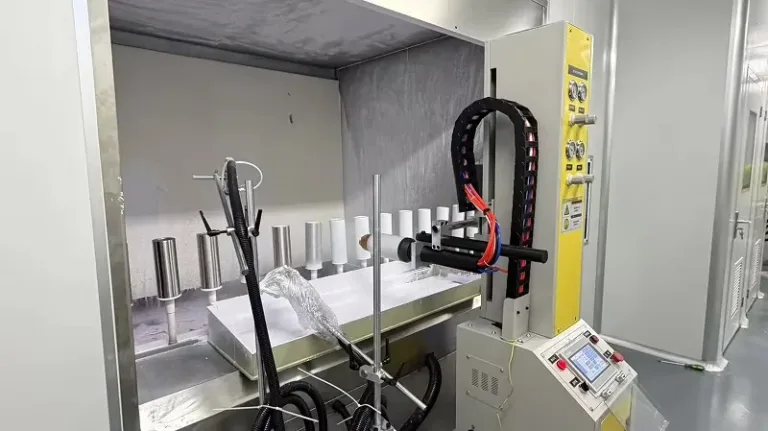
BG Drinkware uses a CRM system and photographs production information for its records, including the date. That is a practical starting point for discussing an order's history. Buyers should still confirm the references used for their particular order and how available records will be connected to the goods they receive; no automatic carton linkage or individual-cup serialisation is assumed here.
What needs its own reference?
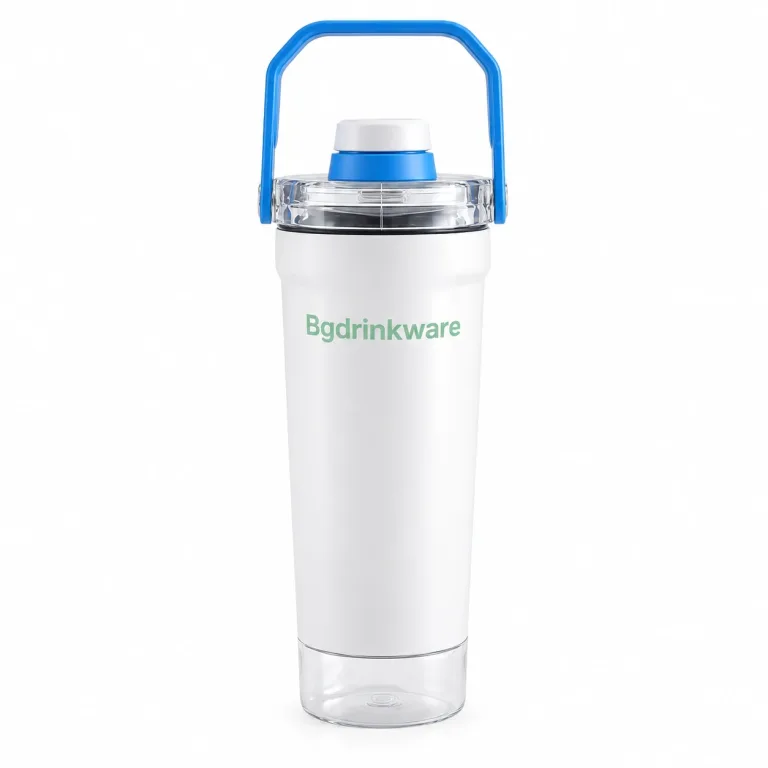
Distinguish the product version, purchase order, production batch and shipping carton. They answer different questions: what was ordered, which transaction it belongs to, which production group it came from and how it was packed. For a model selected from the drinkware product range, record its exact configuration rather than only its category name. Ask how those references connect rather than expecting one number to explain the whole history.
The GS1 traceability framework distinguishes tracking events, such as packing and shipping, from the data describing those events. For a drinkware order, use that distinction to discuss what happened to the goods and what information allows it to be retrieved. The table below is a suggested buyer record, not a claim of GS1 certification or a mandatory format.
| Reference | What the buyer wants to identify | Relationship to confirm |
|---|---|---|
| Product and revision | The cup, lid, finish and artwork configuration | Which specification applied to the goods? |
| Purchase order and line | The commercial order and selected version | Which ordered quantity does this record concern? |
| Production batch reference | The supplier-defined group of goods | What does the grouping cover, and when does it change? |
| Inspection record | The goods and checks covered by a review | Which batch or order lines were examined? |
| Carton or packing reference | The goods placed in a shipping unit | Which versions and batches are inside? |
| Shipment reference | The dispatch being received | Which cartons or packing entries went with it? |
Swipe or scroll to view the full table.
Do not assume that one purchase order is one production batch, or that one shipment contains only one batch. Ask the supplier to describe its actual grouping and how mixed packing will be recorded.
What should a production photograph tell the buyer?
Connect a production photograph to an order or batch reference, its date and the stage shown. Add enough context to explain what is visible and what the image was taken to record. A photograph of several cup bodies does not, by itself, identify their order, establish their materials or show that every unit passed inspection.
BG's dated photo records can support a discussion about production progress. When requesting a record for your order, specify the information you need: for example, the approved decoration version being used or the packing arrangement under review. Confirm what the available photograph can show rather than treating any workshop image as proof of the entire order.
If a photo records a check, ask for the related check record and result where applicable. Keep the product identification and scope together with the image. A close-up of one acceptable unit should not be described as a complete batch inspection.
How should production records connect to the cartons?
Agree a packing record that maps the goods to the relevant cartons or other shipping units. If a carton contains mixed versions or production batches, record that mixture explicitly. The aim is to let receiving identify the contents and retrieve the relevant records without relying on a supplier's memory of the shipment.
Ask where the agreed reference will appear and who will verify it against the packing record. Discuss readable text as well as any barcode requirement with your receiving team. A barcode is a way to carry information; your team still needs access to the record that explains it.
Use the packaging discussion to settle placement and packing details for the actual order. Keep labels and records aligned if cartons are repacked, split or combined. Where a new carton reference is assigned, preserve the relationship to the goods' earlier references rather than losing their history during the packing change.
What happens when a buyer reports a problem?
Start with the identifiers available on the affected goods, packaging and receiving records. Share those references with photographs of the issue and the quantity observed. Ask the supplier to retrieve the corresponding production and inspection information. Keep the extent of the issue separate from assumptions about its cause.
Your quality control discussion can define which records would help investigate the kinds of problems relevant to the product. For a decoration concern, the useful records may differ from those needed for a lid or packing concern. Agree the scope rather than asking for a generic folder of factory photos.
Traceability helps identify which goods and records to examine; it does not establish the cause of a defect or automatically decide a remedy. Record the investigation and agreed action against the same references. Do not exclude other goods from review solely because they are in a different carton if the production relationship is still unclear.
What should be agreed before placing the order?
Ask for the available record types, the references used, how a record can be requested and the agreed retention period. Confirm which information can be shared with your team and how confidential details will be handled. A CRM system is useful only to the buyer's investigation if the relevant records can be located and understood.
As a practical check, ask whether a selected packing entry can be followed back to its product revision and available production records. Note any gaps before dispatch. This is a suggested review exercise, not a claim that BG already offers a particular audit, portal or retrieval-time guarantee.
For an ongoing private label drinkware programme, include these record requirements in the purchasing discussion. Revisit them when the product, packing route or receiving process changes so the references remain useful to both parties.
Batch record questions
Buyers setting up order records with a drinkware supplier usually ask these questions about serial numbers, dates, photographs and reporting a problem.
Does every cup need an individual serial number?
That depends on the identification required for the project. Agree whether batch-level records meet your receiving and investigation needs or whether individual identification is required. Do not infer serialisation from the presence of a CRM system or dated production photos. Where individual identification is needed, raise it before the order so marking, packing and records can be planned together.
Can a production date replace a batch reference?
Only if the agreed records make the relevant goods unambiguous. A date alone may not distinguish different products or production groups. Ask what additional identifiers are used and verify that your receiving team can retrieve the correct records from the information it will actually have.
Do production photos replace inspection records?
No. Photos can show visible conditions at a particular stage. The inspection record should identify what was checked, which goods were covered and the result. Keep the two connected when a photograph documents a check, without treating the image alone as a batch-wide conclusion. Ask for the related check record whenever a photo is offered as evidence of inspection.
What should we send when reporting a problem with a batch?
Share the identifiers printed on the affected goods, cartons and receiving records, with photographs of the issue and the quantity observed. Ask the supplier to retrieve the matching production and inspection information. Keep the extent of the issue separate from assumptions about its cause, and record the agreed action against the same references used in the investigation.