Soft-Touch Water Bottles: What Buyers Should Know About Rubber Paint
A soft-touch finish gives a bottle a velvety, rubber-like feel and a premium look. It is also the finish buyers worry about most, because a poor coating can turn sticky. Here is how soft-touch works, what causes stickiness, and how to specify it.
By Feng, Head of After-Sales Service & Online Marketing Lead
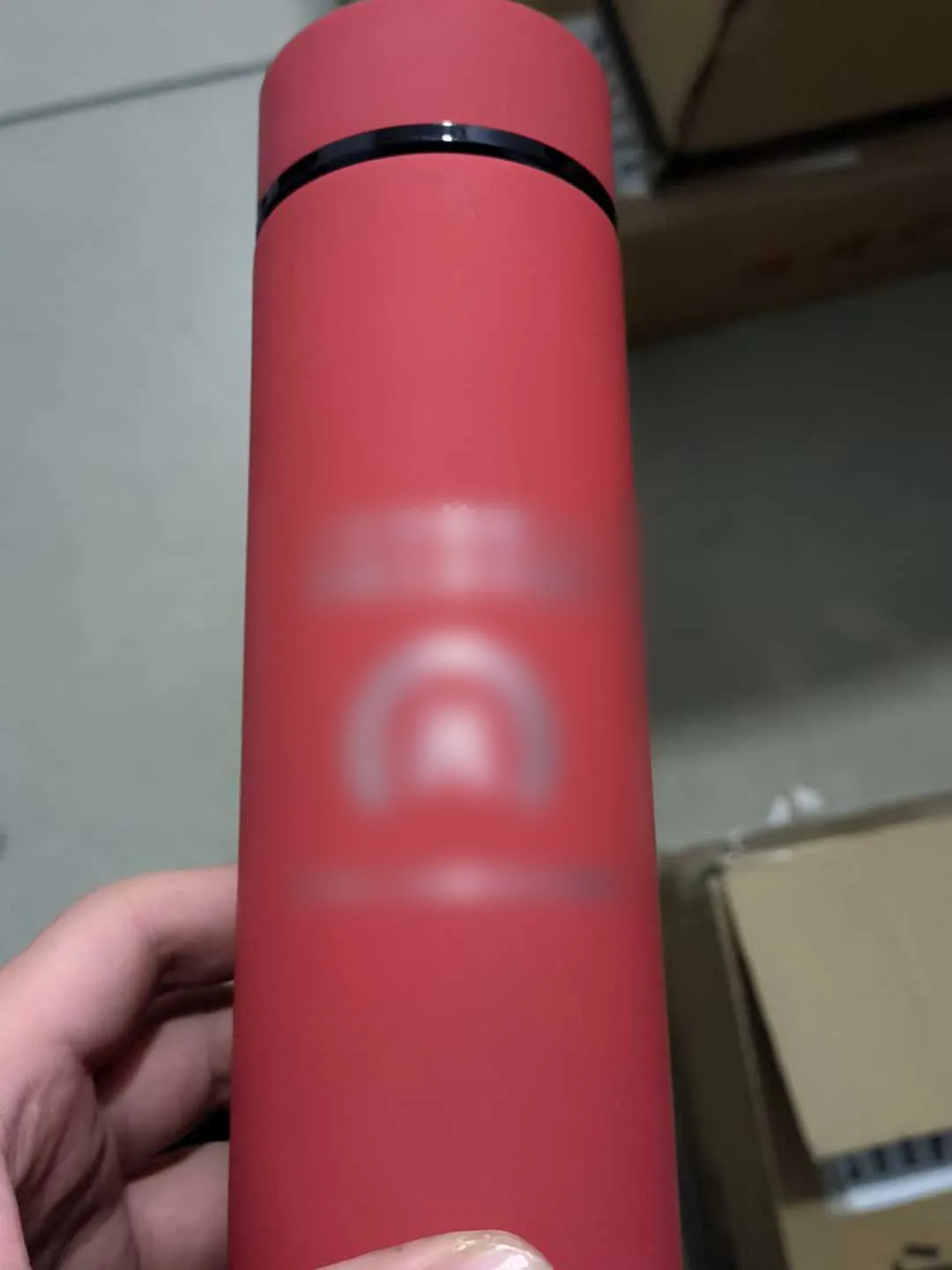
A soft-touch water bottle has a rubber-feel paint, often called rubber paint, sprayed over the steel body to give a matt, velvety grip. It suits corporate gifts and premium ranges, and a logo can be UV printed, screen printed or laser marked on it. The main risk is stickiness, which is usually a problem with the paint's quality rather than the bottle. BG Drinkware, a drinkware manufacturer in Yongkang, China, has soft-touch coating applied by an outside coating partner and has not encountered a sticky coating on its orders. As with any coating, colour and feel can vary slightly between batches, and cross-cut adhesion and dishwasher tests can be done to the buyer's requirements. Bare steel cannot be UV printed, but a soft-touch coated bottle can be UV printed, screen printed or laser marked. The standard minimum order is 500 pieces, negotiable, and a sample of an existing model takes up to 7 days.
What is a soft-touch finish?
Soft-touch is a paint, not a sleeve. A rubber-feel coating is sprayed onto the bottle body and cured, giving a matt surface with a slightly soft, grippy feel. It looks and feels different from powder coat or gloss spray paint, and it is often used where the bottle is meant to feel premium in the hand.
| Finish | Feel | At BG Drinkware |
|---|---|---|
| Soft-touch (rubber paint) | Matt, velvety, grippy | Applied by an outside coating partner |
| Powder coat | Even, often matt or textured | Applied in-house |
| Spray paint | Smooth, often gloss | Applied by an outside coating partner |
See soft-touch coating for the process and our soft-touch water bottle for an example model.
Why do soft-touch bottles turn sticky?
Stickiness is usually a paint quality problem, rather than something the buyer did or a fault in the bottle. BG Drinkware has not encountered stickiness on its own orders. That is why the paint specification and the sample matter most.
Because the cause is the coating material, the best protection is in the specification and the sample: agree the paint supplier's quality level, test the approved sample, and keep a reference unit. Ask how the finish should be cleaned and include that on your care card. For general coating durability, see why printed logos rub off.
Which logo methods work on soft-touch bottles?
UV printing, screen printing and laser marking all work on a soft-touch bottle. UV and screen printing add colour on top of the coating; laser marking removes the coating and leaves a metallic mark, as on the red bottle above. Whatever the method, approve the logo on a soft-touch sample.
Laser results depend on the coating and machine settings; in a 2026 corporate gift order on white spray-painted bottles, the same logo file gave three different results until the settings were tuned. See laser engravable tumblers and tumbler logo placement.
How should a soft-touch finish be tested?
Agree the tests before approving the sample. A cross-cut adhesion test shows whether the coating stays bonded, and a dishwasher test shows whether it survives washing, if you plan to make that claim. BG Drinkware can run cross-cut and dishwasher tests to the buyer's requirements.
- Adhesion. Cross-cut test on the coating, to an agreed method and grade.
- Washing. Dishwasher cycles, only if you will claim dishwasher use.
- Feel and colour. Compare against the approved reference unit.
- Storage. Check a sample after warm storage if goods will sit in a hot warehouse.
For what a dishwasher claim needs, see dishwasher-safe water bottles, and for batch-to-batch variation, coating batch differences.
How do you order soft-touch bottles in bulk?
Send the model, capacity, colour, logo method, packaging and terms, and name the finish as soft-touch. The standard minimum order is 500 pieces and negotiable, with some models from 100 pieces per colour. A sample of an existing model takes up to 7 days, and samples are charged.
Bulk production takes 7–12 days after the sample is approved. Colour and feel can vary slightly between coating batches, which is normal, and a repeat order cannot be guaranteed to come from the same batch, so keep the approved sample as your reference. Browse our water bottles.
Soft-touch bottle FAQ
Short answers to the questions buyers ask most about soft-touch water bottles: why some turn sticky, which logo method works, whether they can go in a dishwasher and how to order. Each answer uses BG Drinkware's own experience and the testing options set out above.
Why does a soft-touch bottle become sticky?
Stickiness is usually a paint quality problem rather than a fault in the bottle, so the choice of rubber paint matters most. Agree the paint quality in the specification, test the approved sample, and keep a reference unit for comparing bulk.
Which logo methods work on a soft-touch bottle?
UV printing, screen printing and laser marking all work. Printing adds colour on top of the coating, while the laser removes the coating and leaves a crisp metallic mark against the matt colour. Results depend on the coating and machine settings, so approve the logo on a soft-touch sample before bulk production starts.
Are soft-touch bottles dishwasher safe?
Do not assume so. Rubber-feel coatings vary, and a dishwasher claim needs a test on the finished bottle. BG Drinkware can run dishwasher and cross-cut adhesion tests to the buyer's requirements. If you do not test, recommend hand washing on the care card.
Who applies the soft-touch coating?
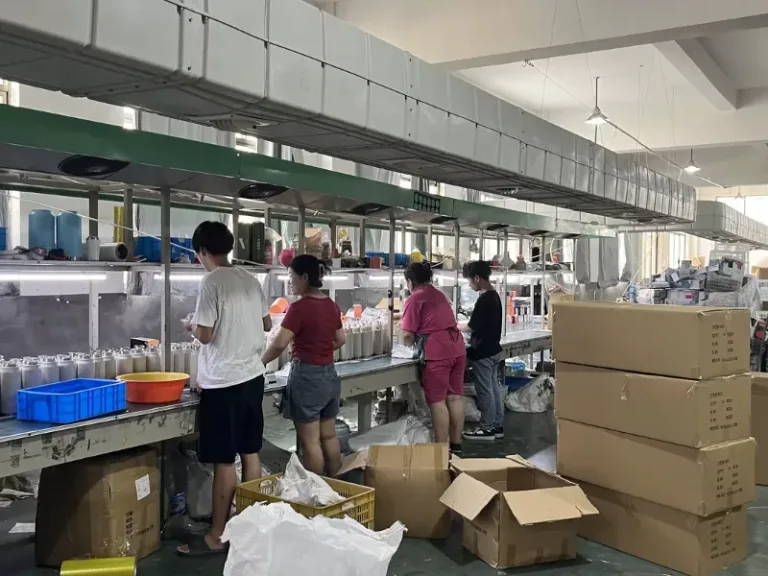
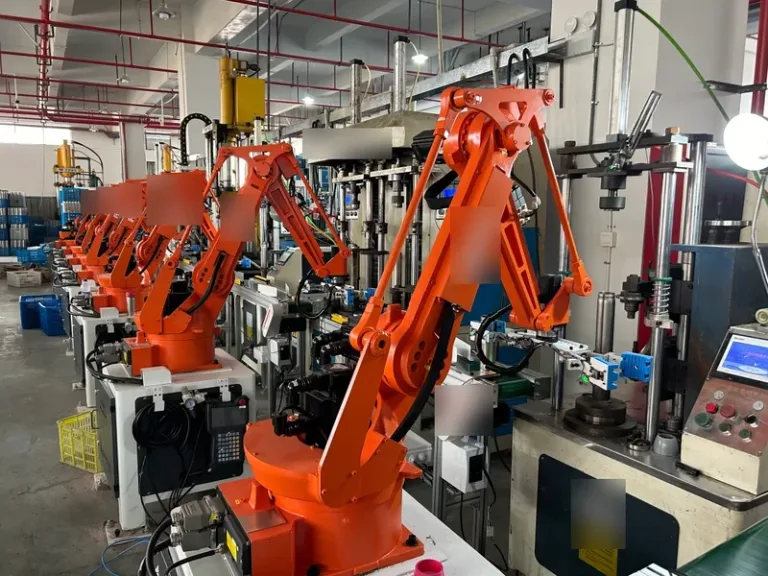
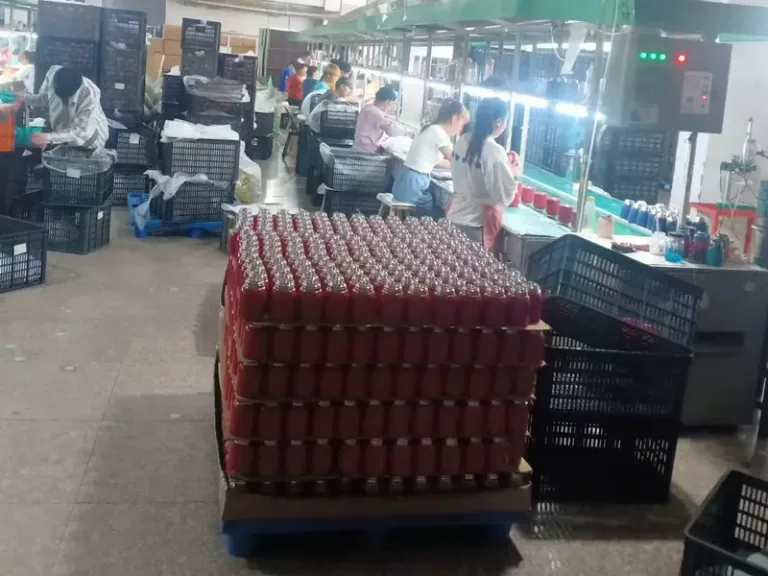
At BG Drinkware, soft-touch coating is applied by an outside coating partner, as is spray paint, while powder coating is done in-house. Coated bodies are then decorated, tested and packed in BG's own production. Keep the approved sample as the reference for colour and feel on reorders.
Specifying a soft-touch finish?
Send the capacity, quantity, model, colour, logo method, packaging, payment terms and trade terms for a quotation.