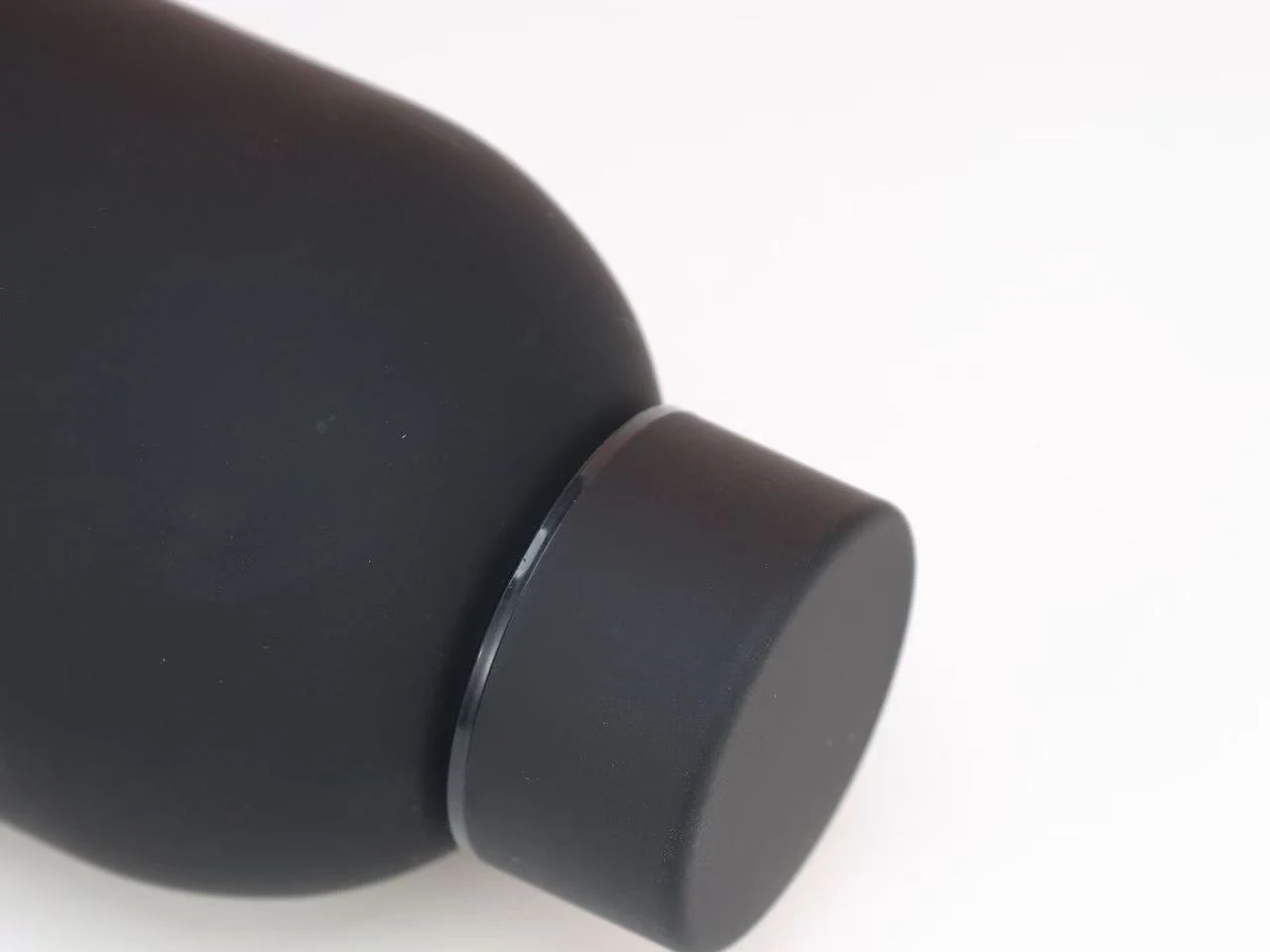
Define one physical reference.
For a rubberized coating for tumblers, words such as soft, rubberized or matte are not precise enough for production control. Send a reference cup, or judge the feel on a BG Drinkware sample.
Custom drinkware finish
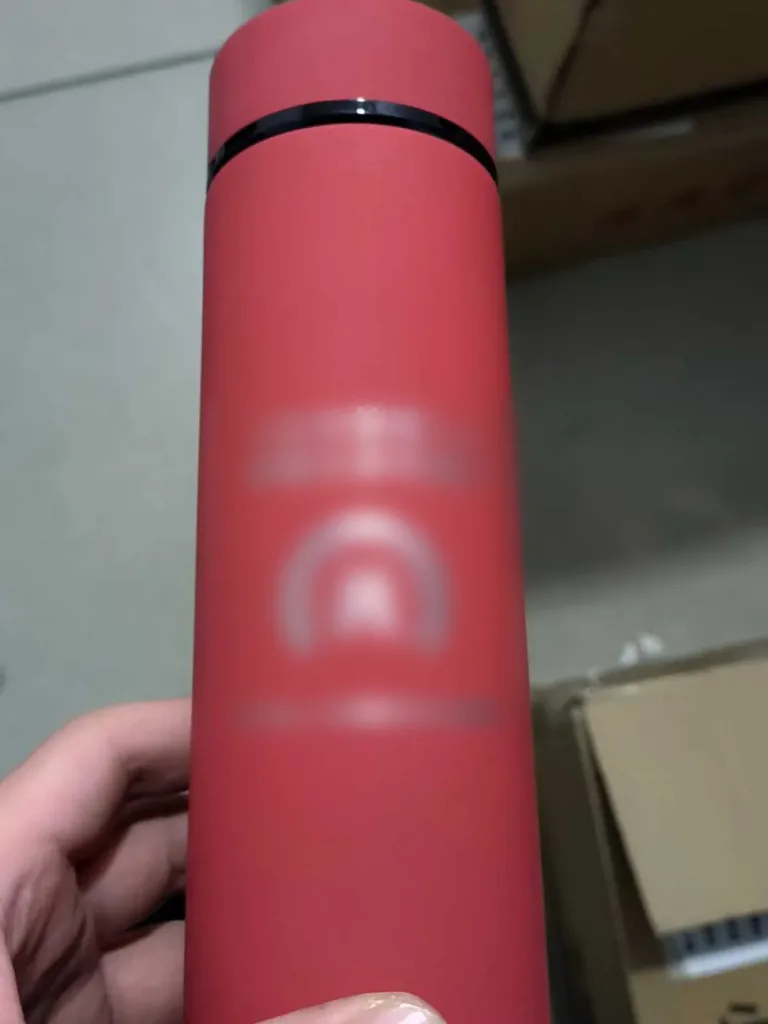
Soft-touch coating is a rubber paint that gives a bottle or tumbler a soft, matte, slightly grippy feel. BG Drinkware, a drinkware manufacturer in Yongkang, China, offers it on stainless steel bottles, tumblers and food jars, with the logo screen printed, UV printed or laser engraved.

Soft-touch is chosen for how the cup feels in the hand, so the colour, the feel and the logo are all judged on one coated sample. The same applies to soft-touch bottles, tumblers and food jars.
For a rubberized coating for tumblers, words such as soft, rubberized or matte are not precise enough for production control. Send a reference cup, or judge the feel on a BG Drinkware sample.
Review the metal body, previous finish, lid contact areas, rim, base and masked zones before sampling the coating route.
A colour match does not prove hand feel. Evaluate shade, gloss, evenness and touch after the sample reaches room condition.
Cleaning, rubbing, retail packing and shipping contact can affect the finish. Put those conditions into the sample brief.
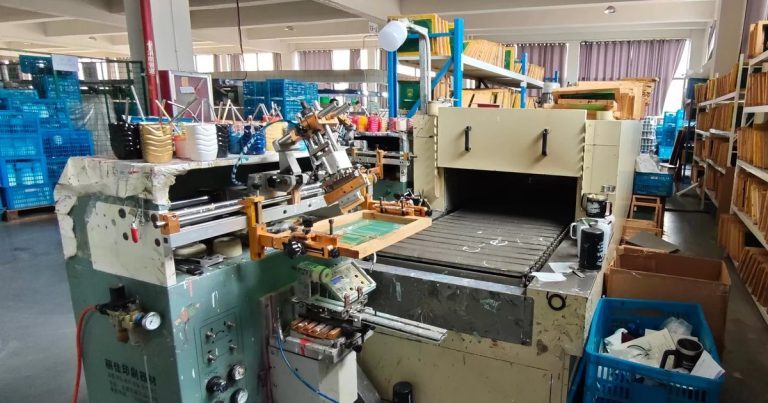
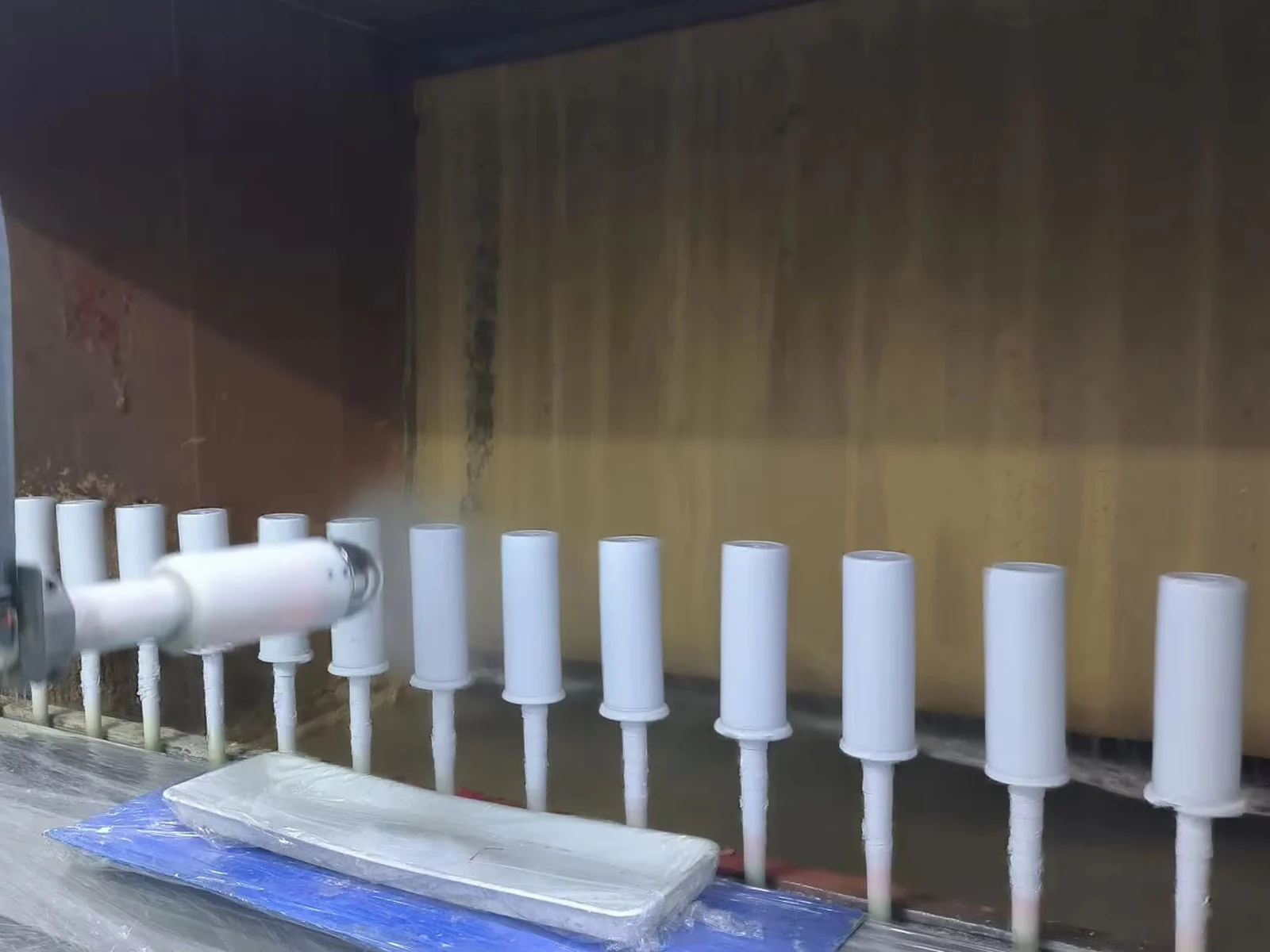
Soft-touch rubber paint goes on after the body is formed, sealed, polished and temperature-tested, and before the logo is printed. A colour chip cannot show the final feel, so the sample is coated on the cup you will order.
Use Left and Right Arrow keys, Home or End to change stage. If scripts are unavailable, every stage remains readable below.
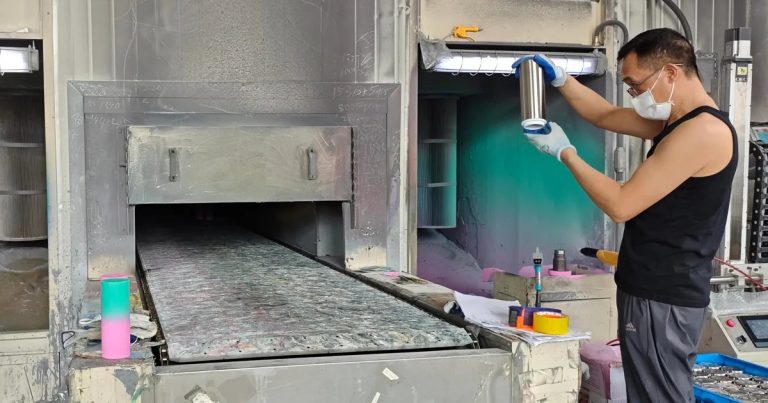
The finished stainless steel body is cleaned, and the threads, rim and base are masked so the paint stays off the parts that touch the lid, the drinker and the table.
Soft-touch rubber paint is applied by BG Drinkware's outside coating partner. The colour is matched to a Pantone reference or a physical colour card and checked on the sample.
The coated bodies are dried and sent back to BG Drinkware, where they are checked before the logo goes on. Shade can vary slightly from one coating batch to the next; this is normal, so a repeat order cannot be guaranteed to come from the same batch.
The logo is added and the sample is sent for approval. A sample of an existing model takes up to 7 days, and bulk production takes 7–12 days after the sample is approved. For how samples are approved, see sampling.
Soft-touch coating, spray painting and powder coating solve different purchase needs. Compare the decision and the evidence required for each route.
Does the buyer need a rubberized hand feel on this cup?
Applied by the outside coating partner; logo by screen printing, UV printing or laser engraving.
Is the project mainly about colour, gradient or a liquid paint finish?
Applied by the outside coating partner; colour matched to a Pantone reference or a colour card.
Does the cup suit a powder route and oven curing process?
Applied in-house; in BG Drinkware's experience it gives fewer finish problems than spray paint.
This comparison supports buyer preparation. It does not establish that one route is always more durable. Match the route to the cup body, logo method and use condition.
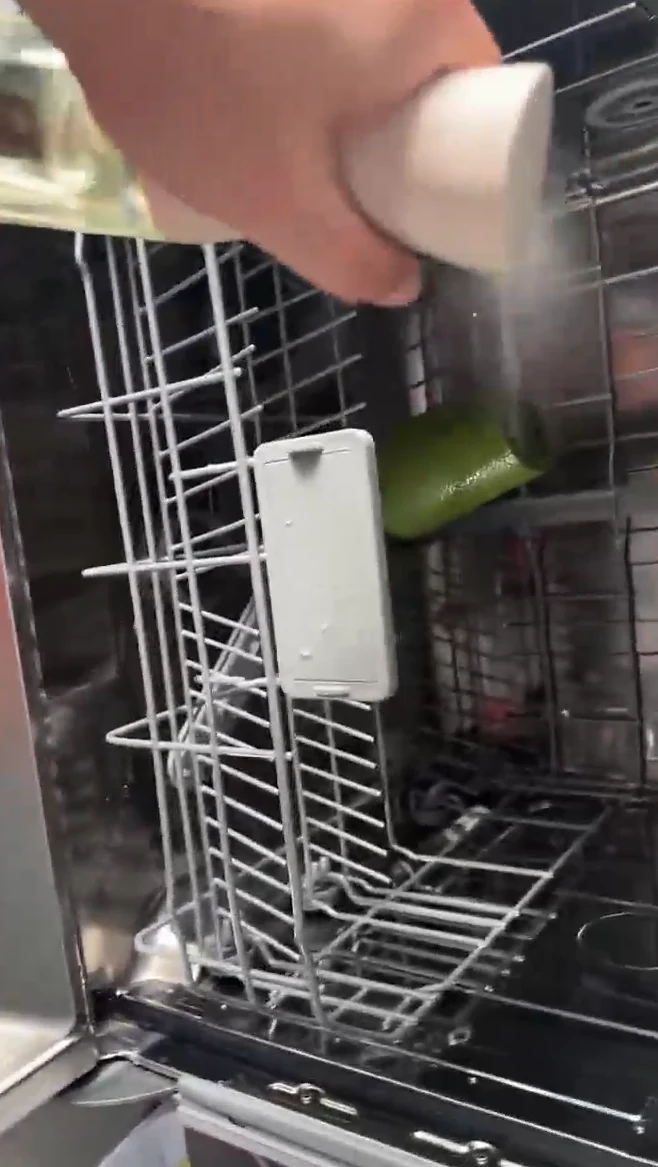
Internal wash-resistance record
The recorded test used two soft-touch coated samples from different batches. Both remained free of visible coating damage after the defined exposure.
A sticky surface is a paint-quality problem. Soft-touch paint that turns tacky is usually caused by poor-quality paint; BG Drinkware has not had this on its own orders. Cross-cut and dishwasher tests can be run on your sample on request.
The 80°C, 30-cycle, one-hour test passed on the two tested batches. The test can be repeated on your own sample on request.
Light blade contact left no visible trace in the reported check. This observation does not claim a standardized cross-cut adhesion grade because spacing, tape pull and grading data were not supplied.
Review sleeves, bags, cartons and inserts that may touch the coated surface during shipping.
Two samples from different batches completed the same test with the same result. Slight shade differences between coating batches are normal.
For inspection planning beyond the finish sample, review BG Drinkware's quality control process and define the checks that apply to the order.
For another soft-touch retail example, see the High Sierra food jar set.
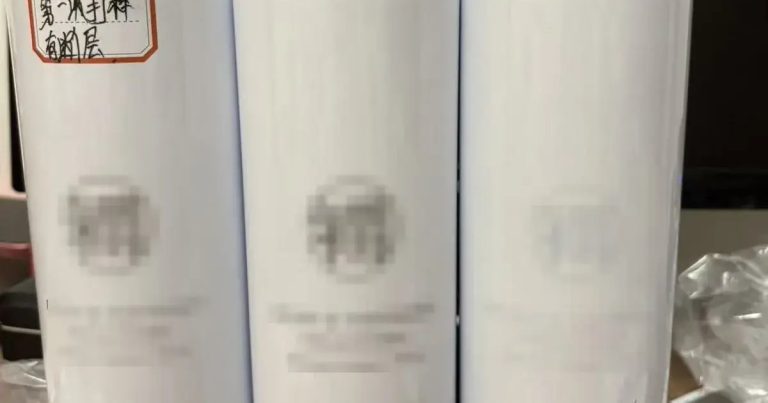
BG Drinkware can screen print, UV print or laser engrave a logo on soft-touch coated drinkware. Ink and laser results change with the coating colour, so the logo is checked on the coated sample.
Use Left and Right Arrow keys, Home or End to change method. If scripts are unavailable, every method check remains readable below.
Best for logos in one or a few spot colours. From about USD 0.035 per piece, depending on the logo design.
Best for full-colour artwork and gradients; most of BG Drinkware's finished printed designs are UV printed. From about USD 0.20 per piece, depending on the design.
The laser removes the soft-touch paint to show the steel underneath, so the mark is the colour of the metal and adds no ink. From about USD 0.035 per piece.
Mark undecided details clearly. BG Drinkware can review the finish route and the sample checks that still need to be defined.
Rubber paint, stickiness, logos and tests
How print method and surface affect durability
How the coating decides what a laser logo looks like
What a dishwasher claim needs behind it
It is a finish selected for a rubberized tactile feel on a cup or bottle. Matte appearance alone does not define it, so approve the physical coated sample together with the intended handling and cleaning checks.
Photos can show colour, gloss and visible surface evenness, but hand feel is subjective. If touch matters, judge it on a physical sample. Durability is checked separately, for example with a cross-cut or dishwasher test on request.
No. Matte appearance and soft-touch feel are different decisions. A matte spray finish may look similar in a photo, but the rubberized hand feel, surface response and cleaning behaviour need separate confirmation.
BG Drinkware supports screen printing, UV printing and laser marking on soft-touch coated drinkware. Choose between them by artwork detail, contrast and the intended effect, then approve the selected route on the actual coated cup.
Two soft-touch coated samples from different batches were tested at a recorded 80°C for one hour across 30 recorded cycles, with food-grade cooking oil included as an influencing agent. BG Drinkware reported no visible coating damage on either sample. The result applies to the tested batches and does not create an unlimited dishwasher-safe claim for every construction.
Check the colour, the feel, the evenness of the surface and the logo on the coated sample. A sample of an existing model takes up to 7 days, and bulk production takes 7–12 days after the sample is approved.
Yes. Send the cup model, target finish, colour, artwork, quantity and use condition. BG Drinkware can review whether soft-touch coating is suitable and what sample checks should be confirmed first.
Search BG Drinkware
Add us on WeChat

WeChat ID: +86 151 5891 9004
Open WeChat, tap + then Scan, and point it at the code.