Are Owala Bottles Dishwasher Safe? What Each Part Can Take
Owala's answer depends on the part: the lid, the straw, the steel cup and the Tritan bottle each have their own rule. Here is what Owala says, why the steel body is treated differently, and what decides whether any bottle can go in the dishwasher.
By Feng, Head of After-Sales Service & Online Marketing Lead
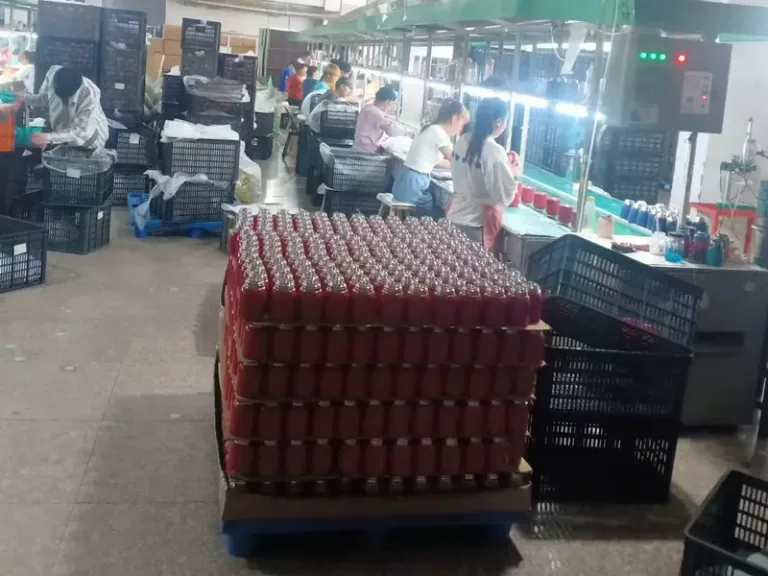
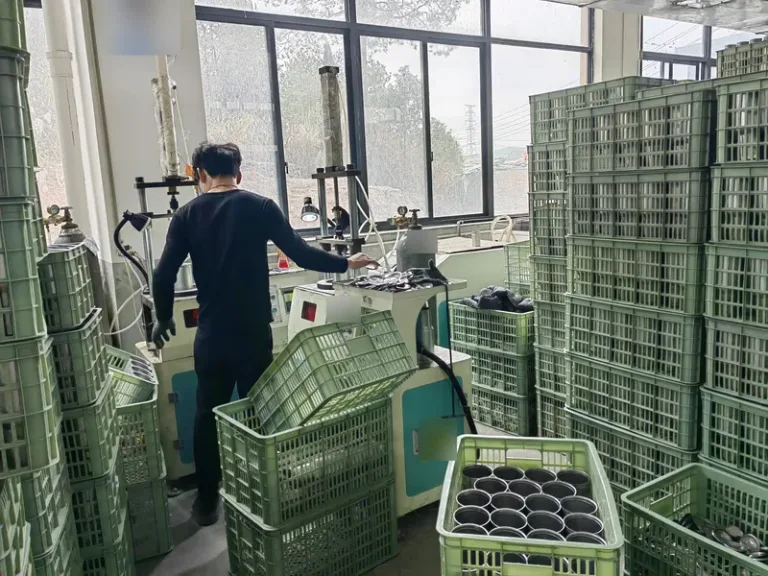
Partly. Owala says the lids of its stainless steel bottles are top-rack dishwasher safe and the straws can go in the silverware basket. The stainless steel cups are technically dishwasher safe too, but Owala strongly recommends washing them by hand to protect the finish. Owala's Tritan plastic bottles are top-rack dishwasher safe in all parts. The spout gasket should be pulled out with its tab and cleaned separately, and Owala suggests a vinegar soak for buildup in hard-to-reach places. From a factory's point of view, the steel itself is rarely the problem: stainless steel and most surface coatings can take a dishwasher, but any part held by glue, or a body built from steel outside and plastic inside, can come loose. BG Drinkware, a drinkware manufacturer in Yongkang, China, which is not affiliated with Owala, reviews these points for each bottle a brand orders.
What does Owala say about each part?
Owala treats the lid, straw, steel cup, gasket and Tritan bottle separately. The lids and straws can go in the dishwasher, the steel cup should preferably be washed by hand, and the spout gasket comes out for separate cleaning. This table sums up Owala's official FAQ.
| Part | Owala's guidance |
|---|---|
| Lids of stainless steel bottles | Top-rack dishwasher safe |
| Straws | Can go in the silverware basket |
| Stainless steel cups | Technically dishwasher safe, but hand-wash strongly recommended to protect the finish; wash with warm, soapy water |
| Spout gasket | Remove with the pull tab and clean separately |
| Tritan plastic bottles | All parts top-rack dishwasher safe |
Owala also suggests soaking parts in distilled white vinegar to break up buildup in places that are hard to reach. BG Drinkware is not affiliated with Owala, and Owala is a trademark of its owner; check Owala's own site for the current guidance on a specific model.
Why is the steel cup treated differently from the lid?
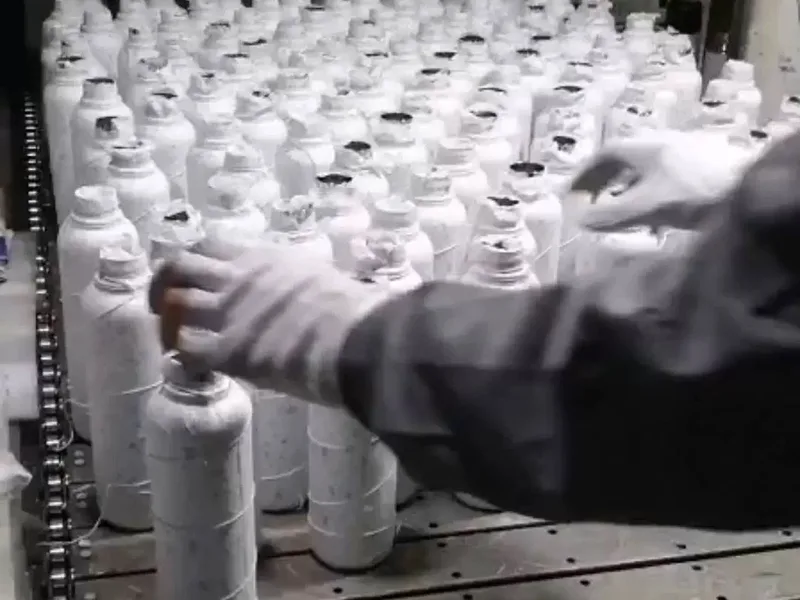
Because of the outside finish, not the steel. Owala's own reason for recommending hand-washing is to protect the finish. Hot water, strong detergent and repeated cycles act on the coloured coating and any print, while the stainless steel underneath is far less affected.
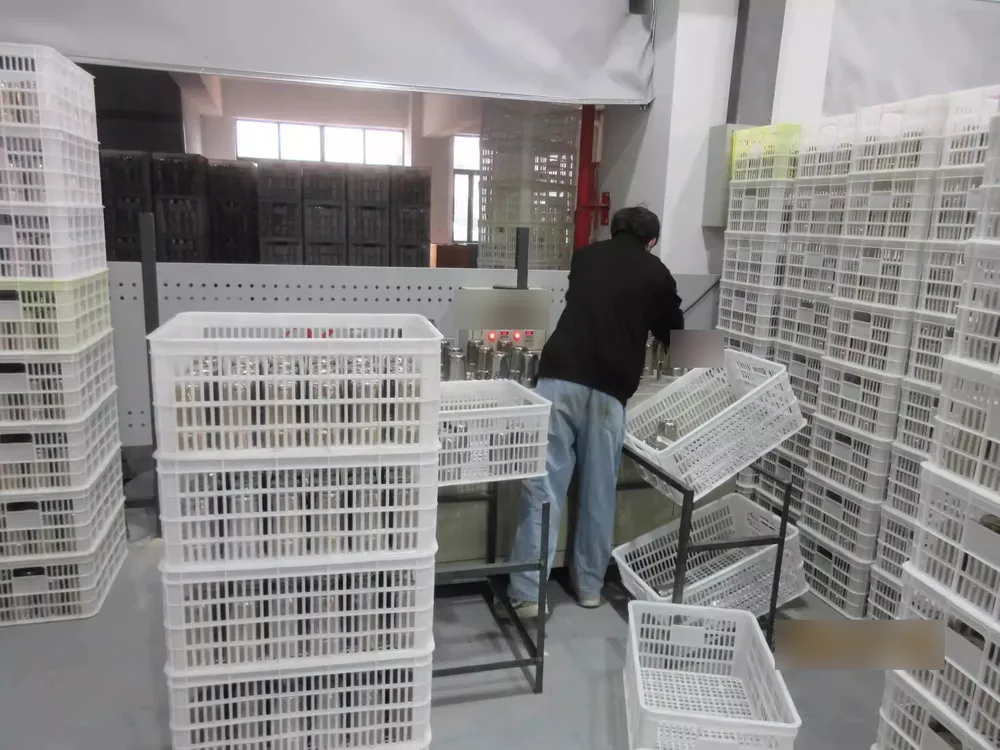
That is why a brand can make the same body "dishwasher safe" in one finish and "hand wash recommended" in another. A metal body may come through the cycles unharmed while its coating fades, dulls or changes colour. For how coatings and prints hold up, see why printed logos rub off and powder-coated tumblers.
Which bottle designs should stay out of the dishwasher?
Designs that rely on glue or mix materials in the body. In BG Drinkware's experience, stainless steel and most surface coatings can go in a dishwasher, but parts fixed with glue, and bodies built with steel outside and plastic inside, can come loose with the heat and water.
- Glued parts: a base pad, a decorative band or a sleeve fixed with adhesive can lift or fall off.
- Steel outside, plastic inside: the joint between the two materials can loosen with heat and water.
- Gaskets and seals: take them out to wash, as Owala advises, so water does not sit behind them.
- Vacuum bottles: keep them out of the freezer and the fridge; the dishwasher is a separate question.
For the cleaning side, see how to clean a stainless steel bottle and easy-to-clean bottles.
What does a "dishwasher safe" claim really cover?
One named bottle configuration under stated cleaning conditions. It is not a property of stainless steel in general. Two lids with the same mouth size can have different care limits, and the same body can pass in one finish and fail in another, so the claim has to name the parts it covers.
| Step | What is agreed |
|---|---|
| 1. Define the assembly | Body, finish, lid revision, gasket, straw, handle and other removable parts |
| 2. Compare the finishes | Which coating and print the claim covers |
| 3. Check the parts separately | Body, lid and accessories, each against the same test |
| 4. Set the test plan | Machine programme, temperature, detergent, number of cycles and pass criteria |
For the full approach, see dishwasher-safe bottles in bulk.
What should a brand specify for a dishwasher-safe bottle?
Say which parts the claim covers, which finish the body has, and how the claim will be tested. If the body has a coloured finish, decide whether the label says "dishwasher safe" or "hand wash recommended", and approve the sample after the agreed number of cycles.
BG Drinkware's standard build is a 304 stainless steel inner wall and, on most models, a spray- or powder-coated outer wall. The standard minimum order is 500 pieces, negotiable; a sample of an existing model takes up to 7 days, and bulk production takes 7–12 days after the sample is approved. See water bottles for the range.
Owala dishwasher FAQ
Short answers to the questions people ask most about putting Owala bottles in the dishwasher, washing the gasket and choosing a dishwasher-safe bottle. The Owala details come from Owala's official FAQ; the factory points come from BG Drinkware's own production experience.
Can I put my Owala in the dishwasher?
Owala says the lids of its stainless steel bottles are top-rack dishwasher safe and the straws can go in the silverware basket. The stainless steel cup is technically dishwasher safe, but Owala strongly recommends washing it by hand to protect the finish. Its Tritan bottles are top-rack safe in all parts.
Why does Owala recommend hand-washing the steel cup?
To protect the finish. The stainless steel itself is rarely the problem; repeated hot cycles and strong detergent act on the coloured coating and any print on the outside. Washing by hand with warm, soapy water keeps the outside looking new for longer.
How do I clean the Owala spout gasket?
Owala says to pull the spout gasket out using its tab and clean it separately. For buildup in hard-to-reach places, it suggests soaking the parts in distilled white vinegar first. Put the gasket back before using the bottle, so the lid seals properly.
Are stainless steel bottles generally dishwasher safe?
The steel usually is, and most surface coatings can take a dishwasher too. The risk is in the construction: parts fixed with glue, and bodies with steel outside and plastic inside, can come loose. A dishwasher-safe claim should name the exact bottle, finish and lid it covers.
Sources
Owala is a trademark of Trove Brands, LLC. Tritan is a trademark of Eastman Chemical Company. BG Drinkware is not affiliated with Owala.
Planning a dishwasher-safe bottle?
Send the capacity, quantity, model, finish, logo method, packaging, payment terms and trade terms, and say which parts the claim must cover.