Titanium vs Stainless Steel Water Bottle: Weight, Cost and When Each Makes Sense
Titanium is the lighter metal; stainless steel is the lower-cost choice with the wider range. Here is how they compare and how to choose.
By Feng, Head of After-Sales Service & Online Marketing Lead
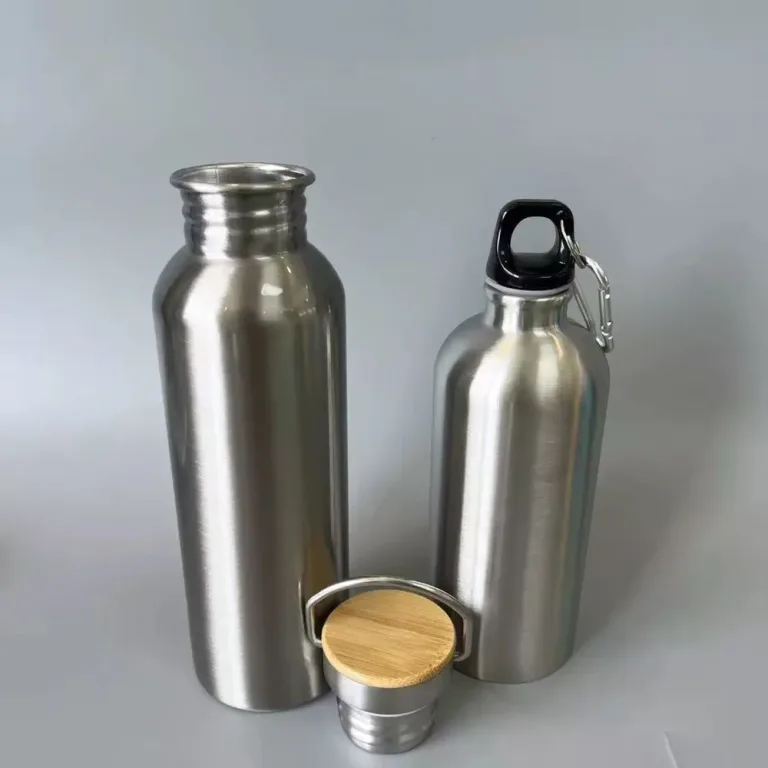
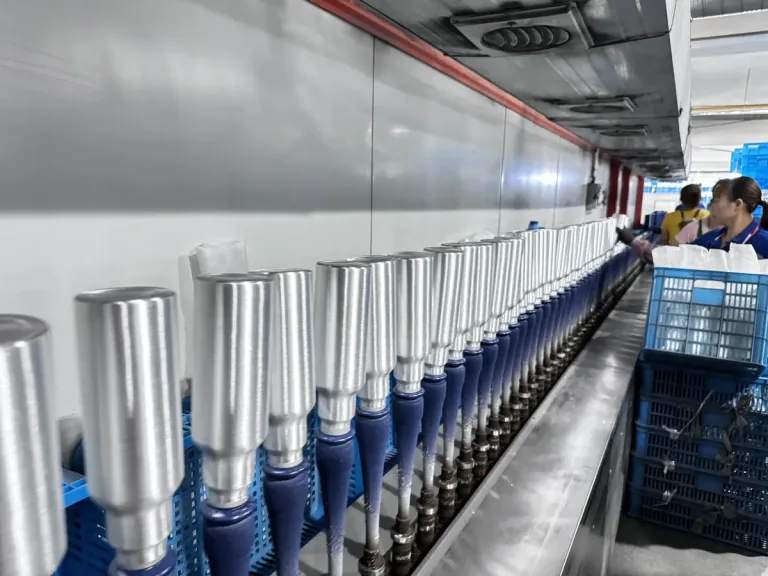
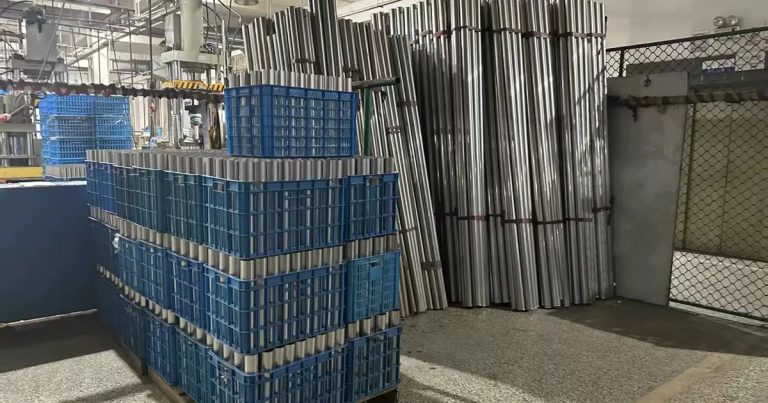
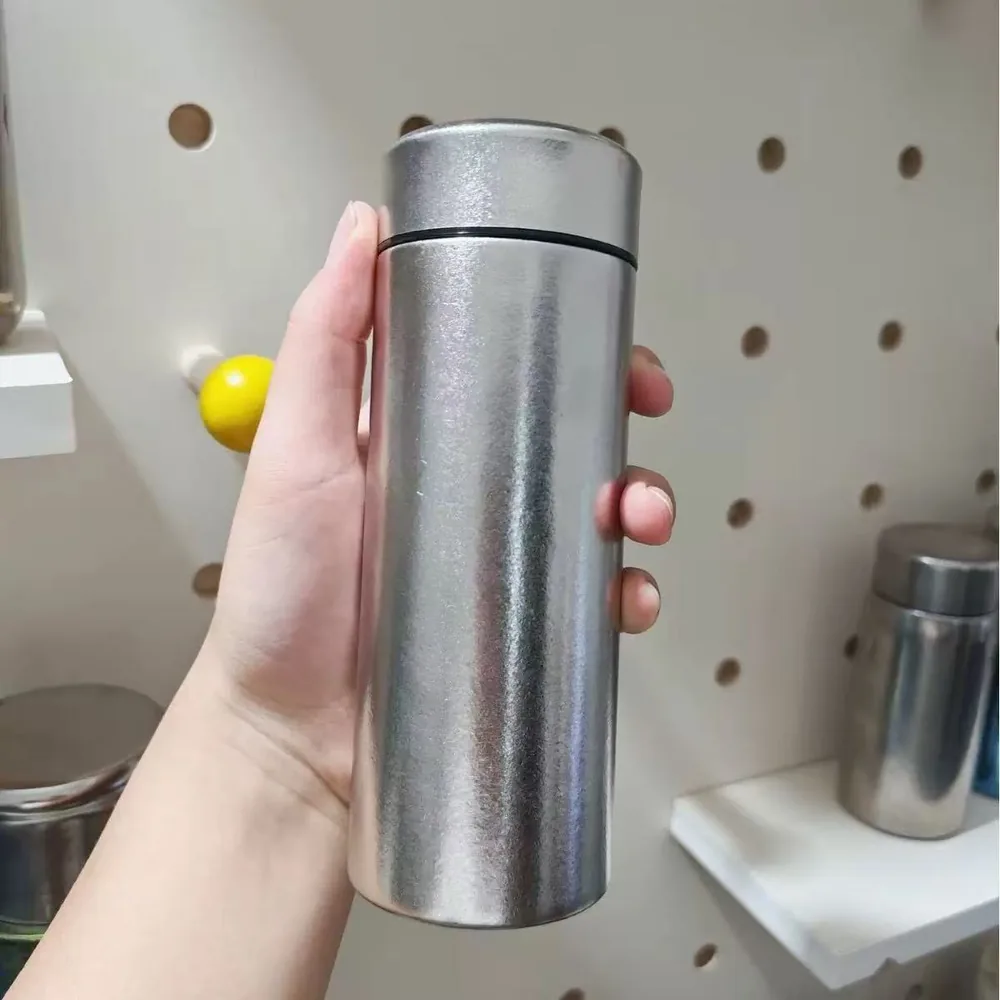
Titanium and stainless steel are both durable, corrosion-resistant metals for water bottles; the main differences are weight and cost. Titanium's density is about 4.5 g/cm³, according to the Royal Society of Chemistry, while 304 stainless steel is about 7.9 g/cm³, so the same volume of titanium weighs over 40% less. A finished bottle's weight still depends on wall thickness, lid and accessories. Titanium costs more and is usually chosen for premium, lightweight or outdoor lines; stainless steel suits most ranges at a lower price and offers more models and capacities. BG Drinkware, a drinkware manufacturer in Yongkang, China, makes pure titanium drinkware in single wall and double wall builds, with a titanium range from 150 mL cups to an 800 mL jug, alongside stainless steel bottles with a 304 inner wall. BG Drinkware's double wall titanium cups have a vacuum layer, so, like stainless vacuum bottles, they should not go in the freezer.
What is the difference between titanium and stainless steel water bottles?
Weight and cost are the main differences; both metals resist corrosion.
| Feature | Pure titanium | Stainless steel (304 inner) |
|---|---|---|
| Density of the metal | About 4.5 g/cm³ | About 7.9 g/cm³ |
| Weight of the bottle | Lighter for the same wall thickness | Heavier, but wall thickness and lid matter too |
| Corrosion resistance | High | High; 316 improves resistance to chlorides |
| Cost | Higher | Lower |
| Builds at BG Drinkware | Single wall and double wall | Single wall, double wall and vacuum insulated |
| BG Drinkware range | 10 titanium models, 150–800 mL | Drinkware from 120 mL to 4,000 mL |
| Freezer | Not for double wall (vacuum) models | Not for vacuum bottles |
Both metals can hold the drink directly, without a plastic liner. With either one, check the lid, seal and straw separately, because those parts are often plastic or silicone; see BPA free water bottles in bulk.
Is titanium lighter than stainless steel?
The metal is over 40% lighter for the same volume, but what matters is the weight of the finished bottle.
Density compares equal volumes of metal. A real bottle also has a lid, seal, base and sometimes a second wall, and wall thickness can differ from model to model. The titanium material page on our site advises asking for the weight of the complete model with its accessories. When comparing, use samples of the same capacity and construction.
What titanium drinkware does BG Drinkware make?
Pure titanium, in single wall and double wall builds.
The range runs from 150 mL cups to an 800 mL jug and includes a 360 mL titanium vacuum flask. See every model on the titanium drinkware page.
A double wall titanium bottle should not go in the freezer, for the same reason as a stainless vacuum bottle: the vacuum layer blocks the cold, and the temperature difference may harden the seal, damage the vacuum layer or deform the liner. See can you freeze a stainless steel water bottle.
Should you choose titanium or stainless steel?
Choose by weight target, price point and the size of the range.
Choose titanium when
- A lighter metal body is the selling point
- The line is premium or outdoor
- A smaller model range is acceptable
- The price point allows a higher unit cost
Choose stainless steel when
- Price matters more than grams
- You need many capacities and lid styles
- You need vacuum insulation in larger sizes
- You want the widest choice of capacities and lids
For stainless steel, write the grade of each wall into the order; our guide to 18/8 vs 304 vs 316 explains how. For titanium, ask which parts are titanium: a lid may combine metal, plastic and silicone parts.
What should a titanium bottle order specify?
The usual quote details, plus the wall build and which parts are titanium.
Send the capacity, quantity, model, colour, logo method, packaging, payment terms and trade terms, and add the wall build (single or double wall) and the parts that must be titanium. For titanium, BG Drinkware's minimum order is 500 pieces per colour, negotiable; a sample of an existing model takes up to 7 days, and bulk production takes 7–12 days after sample approval. For small titanium cups, see titanium mugs and cups.
For titanium bottles and cups you can customise, see titanium drinkware; for steel models, see custom water bottles.
Titanium vs stainless steel FAQ
Is titanium better than stainless steel for a water bottle?
Not in every way. Titanium is lighter for the same volume of metal and is chosen for premium and outdoor lines, but it costs more and the model range is smaller. Stainless steel is heavier but less expensive, and it comes in more capacities, lids, finishes and vacuum insulated builds. The better choice depends on the weight target and the price point.
Is pure titanium safe for drinking?
Pure titanium is used for drinkware because it is highly resistant to corrosion. As with steel, the safety of the finished bottle also depends on the lid, seal and any coating, so ask for the material declaration and food-contact documents for the parts that touch the drink. In the US, FDA status depends on each component and its conditions of use.
Can titanium drinkware be vacuum insulated?
Yes. A double wall titanium bottle can be vacuum insulated, and BG Drinkware's titanium range includes a 360 mL titanium vacuum flask. A single wall titanium bottle does not insulate. Do not put a double wall titanium bottle in the freezer.
How much lighter is a titanium bottle?
The metal is over 40% lighter for the same volume: about 4.5 g/cm³ for titanium against about 7.9 g/cm³ for 304 stainless steel. The finished bottle's saving depends on wall thickness, lid, seal and accessories, so compare the complete weight of samples with the same capacity and construction rather than relying on the metal figure alone.
Does BG Drinkware make titanium alloy bottles?
No. BG Drinkware makes its titanium drinkware in pure titanium, not a titanium alloy, in single wall and double wall builds. The range runs from 150 mL cups to an 800 mL jug. In the request, list the parts that must be titanium, because a lid can combine metal, plastic and silicone parts.
Sources
Comparing titanium and steel for a range?
Send the capacity, wall build and weight target, and we will quote the matching titanium or stainless steel models.