Titanium Mugs and Cups: What Buyers Should Know
A titanium mug is light, does not rust and is known for not adding a metallic taste, which is why it is popular for tea, coffee and premium gifts. It also costs more than stainless steel. Here is how titanium cups compare, which sizes and lids exist, and what to specify for a custom order.
By Feng, Head of After-Sales Service & Online Marketing Lead
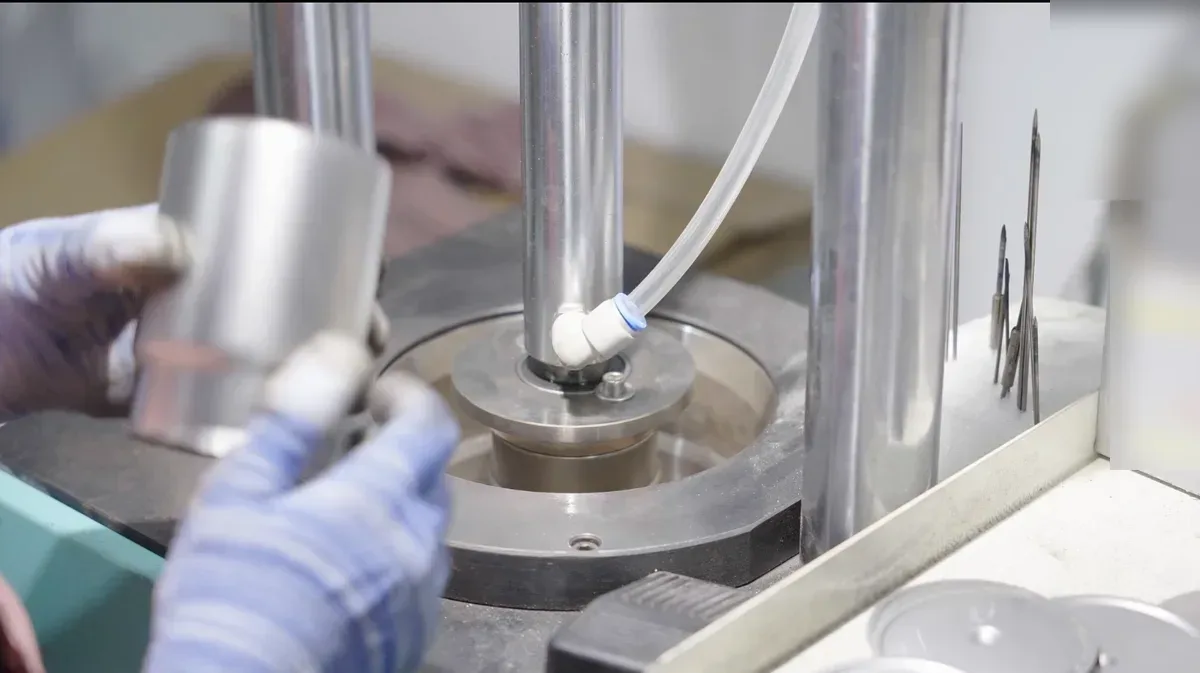
A titanium mug or cup is made from pure titanium, a metal that is lighter than stainless steel, resists corrosion and is known for not adding a metallic taste to tea or coffee. It costs more than stainless steel, so it is usually chosen for premium gifts, tea programmes and outdoor ranges. BG Drinkware, a drinkware manufacturer in Yongkang, China, makes small titanium cups with pure titanium inside and out: a coffee cup in 150 ml, 200 ml and 260 ml, a 180 ml mini cup with a removable stopper and a 300 ml tea cup with a removable strainer, alongside a 360 ml titanium vacuum flask and an 800 ml titanium jug. The coffee cup and tea cup lids are leak-resistant when correctly fitted and fully closed. Colour-box or gift-box packaging is available, the 300 ml cup packs 30 to a carton, and most models start at 500 pieces per colour. A sample of an existing model takes up to 7 days.
Titanium or stainless steel for a mug?
Titanium is lighter and does not rust, and many tea drinkers choose it because it does not change the taste. Stainless steel is cheaper, widely available in many shapes and easy to coat and print. For daily office use, steel is usually enough; for a premium gift or tea set, titanium stands out.
For a full comparison of the two metals, see titanium vs stainless steel water bottles; for steel grades, see 18/8 vs 304 vs 316 stainless steel.
Which titanium cups are available?
Mostly small cups for tea and coffee, from about 150 ml to 300 ml, plus bottles and flasks for carrying. BG Drinkware's titanium cups have lids or stoppers for carrying, and several can be packed in a gift box for corporate and tea gifts.
| Model | Capacity | Details |
|---|---|---|
| Pure titanium coffee cup | 150 / 200 / 260 ml | Lid; colour-box or gift-box packaging |
| Mini titanium coffee cup | 180 ml | Removable direct-drink stopper; 5.1 cm base |
| Titanium tea cup | 300 ml | Removable tea strainer; gift box available; 30 pcs per carton |
| Titanium vacuum flask | 360 ml | Ball lid |
For tea bottles with infusers, see tea infuser bottles; for a larger container, the 800 ml titanium jug has a mechanical temperature gauge.
Are titanium mugs insulated?
Some are and some are not. A single-wall titanium mug is light and can be used for camping, while a double-wall vacuum flask keeps drinks hot or cold. Check each model: BG Drinkware lists its 360 ml titanium flask as a vacuum flask, so ask about the construction of the cups.
A single-wall metal mug gets hot to hold with a hot drink, so a double-wall cup or a mug with a handle is more comfortable for coffee. See double wall vs single wall.
Why are titanium cups popular as gifts?
They feel premium, they are light, and the bare metal looks distinctive in a gift box. Corporate and tea gifts often pair a titanium cup or flask with a matching piece. BG Drinkware offers gift-box packaging on several titanium models and has made a titanium flask and teapot set.
For pairing pieces and boxes, see custom drinkware gift sets. Laser marking suits the bare metallic finish; see laser engraving.
How do you order custom titanium cups?
Send the model, capacity, finish, logo method, packaging, quantity and terms. Most of BG Drinkware's titanium cups start at 500 pieces per colour. A sample of an existing model takes up to 7 days, and bulk production takes 7–12 days after the sample is approved.
Titanium costs more than stainless steel, so ask for the quote with the gift box included. For the full material range, see customisation and gift cups and sets.
Titanium mug FAQ
Short answers to the questions buyers ask most about titanium mugs and cups: how they compare with steel, whether they are insulated, why they cost more and how many to order. Where an answer names BG Drinkware, it uses the details on its product pages.
Is titanium better than stainless steel for a mug?
It is lighter, does not rust and is known for not adding a taste, which tea drinkers value. Stainless steel is cheaper and comes in more shapes and finishes. Choose titanium for premium gifts and tea ranges, and stainless steel for everyday volume orders.
Are titanium cups safe for hot drinks?
Pure titanium cups are used for hot tea and coffee. A single-wall cup gets hot to hold, so check whether the model is double-walled or has a handle. BG Drinkware's titanium cups use pure titanium for both the inner and outer body.
Why do titanium mugs cost more?
Titanium costs more as a raw material than stainless steel and is harder to form and finish, so a titanium cup is priced well above a steel cup of the same size. That is why titanium is usually positioned as a premium or gift product.
What is the minimum order for custom titanium cups?
Most of BG Drinkware's titanium cups start at 500 pieces per colour. A sample of an existing model takes up to 7 days, and bulk production takes 7–12 days after the sample is approved. Gift-box packaging can be quoted with the order.
Planning titanium cups or gifts?
Send the capacity, quantity, model, colour, logo method, packaging, payment terms and trade terms for a quotation.