How Do Insulated Water Bottles Work? What Bulk Buyers Should Verify
By Feng, Head of After-Sales Service & Online Marketing Lead
“Double wall” describes a shape, not a finished performance result. See how a vacuum-insulated bottle limits heat transfer, where heat can still escape, and which production and test records a bulk buyer should approve.
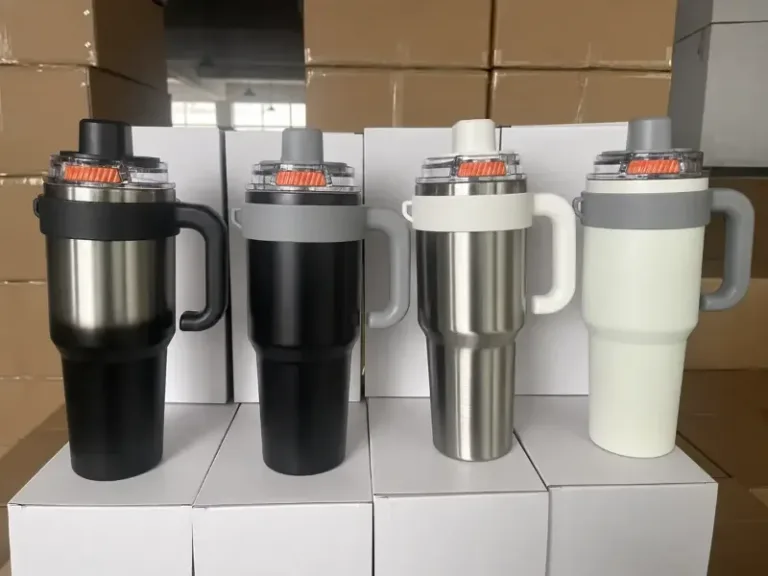
A vacuum-insulated bottle keeps drinks hot or cold because most of the air has been removed from the sealed gap between its 2 stainless steel walls (inner and outer), which sharply limits heat transfer by gas conduction and convection across that gap. The vacuum does not make the whole bottle thermally perfect: radiant heat can still cross the gap, and the neck, base connections and lid create solid paths for heat. NIST describes these three heat-transfer modes. A single-wall bottle, an air-gap double wall and a sealed vacuum double wall are therefore different constructions, and a buyer should confirm which one was quoted. In one anonymized co-branded order of 20,000 pieces, BG Drinkware's QC staff checked temperature after vacuum processing, again after polishing and again after spray painting, and reported a 99.8% final acceptance rate; that figure is factory-reported and order-specific. Bulk buyers should approve the exact bottle-and-lid sample and a repeatable temperature-test method rather than rely on a universal hours-hot promise.
How this guide was prepared: Manufacturing and inspection details below were supplied by BG Drinkware for this article. The 20,000-piece case and its 99.8% final acceptance rate are factory-reported and order-specific. The photos illustrate the work area; they do not independently establish the numeric result.
What does the vacuum do inside an insulated bottle?
It reduces heat transfer through the space between the inner and outer walls. Removing most gas from that sealed space sharply limits gas conduction and convection there. It does not make the whole bottle thermally perfect: radiant heat can still cross the gap, and the neck, base connections and lid create other paths.
Heat can still move through solid contact points, particularly around the opening and closure.
With far less gas in the wall gap, there is much less gas movement to carry heat across it.
Radiant energy can cross a vacuum; surface design and the complete product still matter.
The three heat-transfer modes are described in NIST's heat-transfer explanation; Thermos describes the evacuated wall gap in a vacuum bottle. A single-wall bottle, an air-gap double wall and a sealed vacuum double wall are different constructions. Ask which one the supplier has actually quoted, then test the complete selected configuration.
For how a double-wall bottle compares with a single-wall one, see double wall vs single wall water bottles. For how heat retention is tested, see how long a thermos keeps coffee hot.
Which production steps should a bulk buyer ask about?
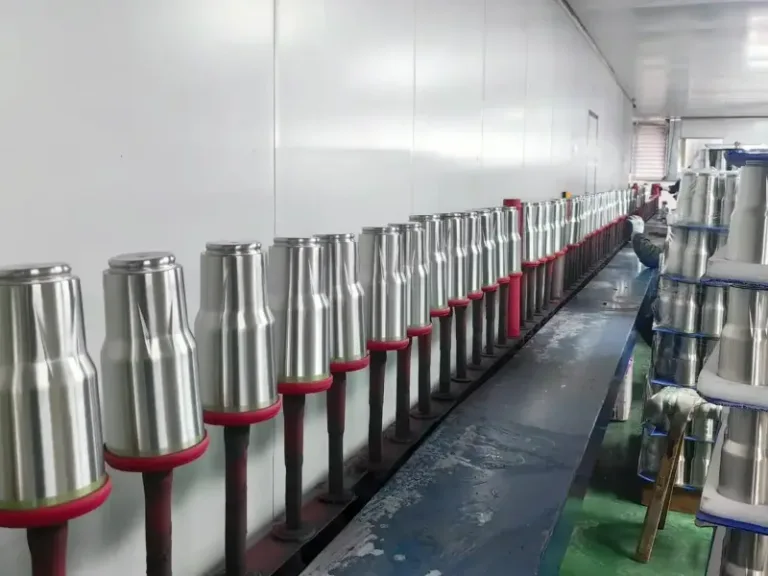
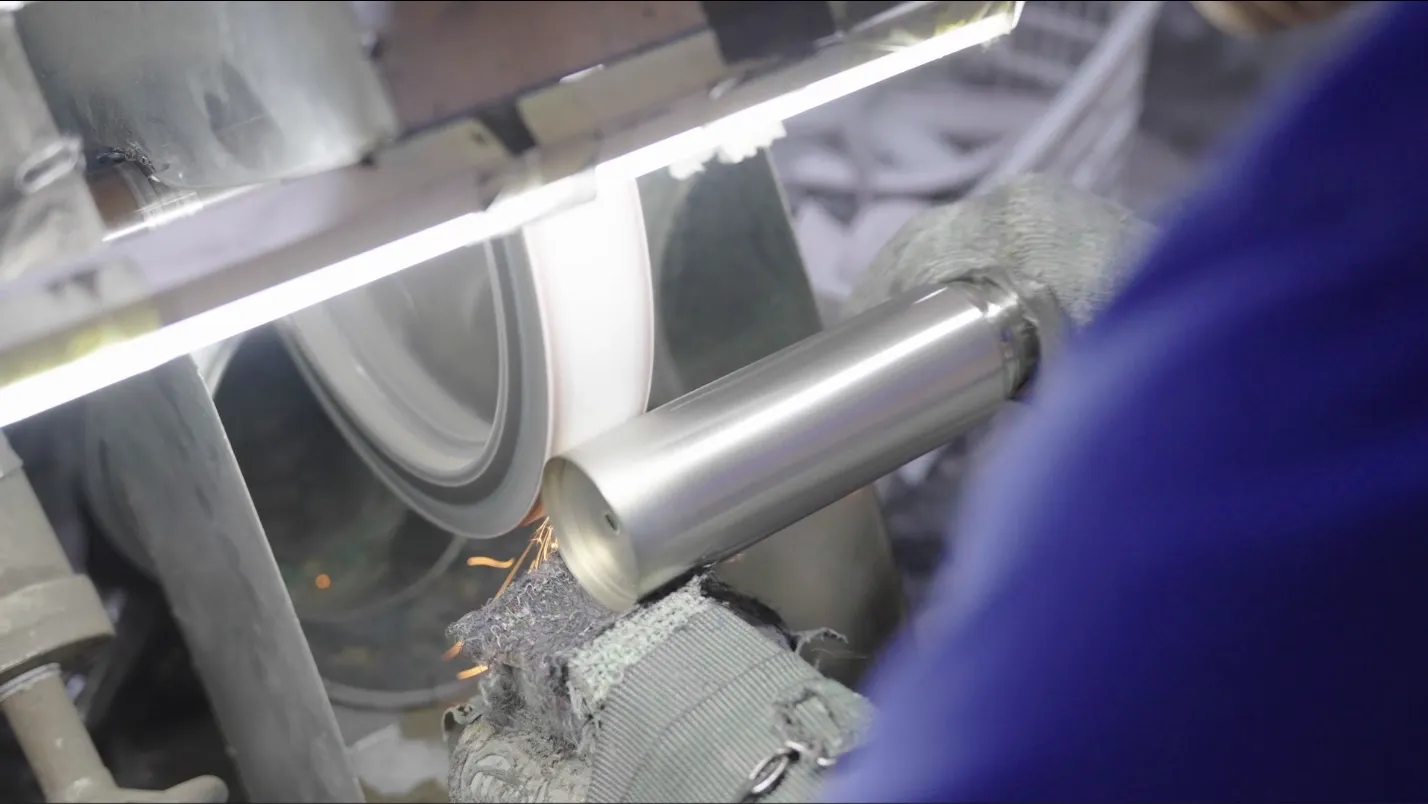
Review the body construction and how the insulated space is made and retained. BG Drinkware says it carries out the forming, welding, vacuum processing and bottom sealing for the projects discussed here in-house. The exact production route is model-dependent; the list below identifies the scope to discuss, not a universal process diagram for every bottle.
Identify the inner and outer body configuration approved for the model.
Review the joints and the production controls relevant to the selected design.
Confirm that the specified construction receives the agreed vacuum process.
Check how the insulated space is closed and how failures are segregated.
When an unexpected result appears, BG Drinkware considers vacuum time and the forming process among possible factors. In its experience, drawn and hydroformed bodies can perform differently. That observation is not a universal claim that one forming method always insulates better; compare actual models under the same agreed test conditions before treating it as a purchasing rule.
How should temperature performance be checked?
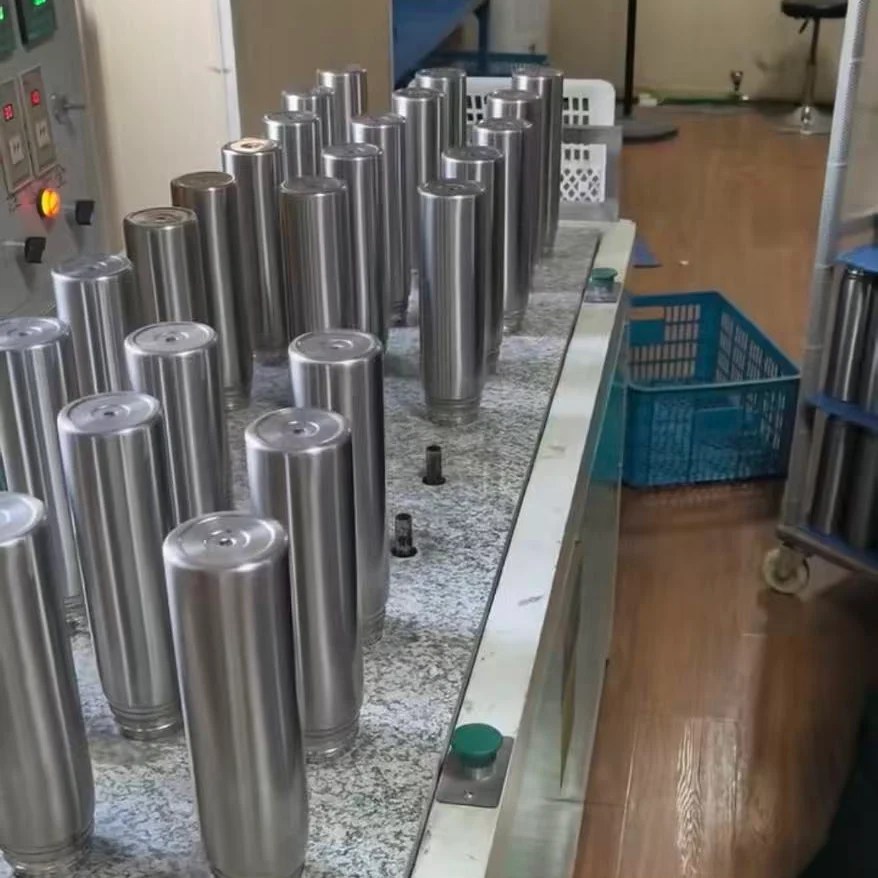
Use one agreed method for the approved sample and the production lot. BG Drinkware reports temperature checks after vacuum processing and after polishing. For one co-branded order, the factory also checked again after spray painting. That third checkpoint was specific to the decorated order, not a promise that every product has a paint step or three checks.
The factory says it records fill volume, starting water temperature, ambient temperature, test duration, lid state and the results. Sample and mass-production checks use the same agreed standard, while the sampling plan and acceptance criteria are set for each order. Buyers may request the relevant order records or report.
| Agree and record | Why it matters |
|---|---|
| Exact bottle and lid version | Connects the result to the product that will actually be shipped. |
| Fill and starting temperature | Different starting conditions cannot be compared as though they were the same test. |
| Ambient conditions and duration | Defines the surroundings and time over which performance is assessed. |
| Lid state and handling | An open, closed or repeatedly used bottle is a different scenario. |
| Measurement point and pass rule | Makes the reported number and acceptance decision reproducible. |
| Sample plan and order reference | Shows how the check relates to the batch; it does not imply every unit was tested. |
That is why BG Drinkware does not publish one universal insulation-hours promise across all products. The approved sample, test conditions and acceptable result should be written into the order. The quality-control workflow can frame the record, but the buyer and factory must set the actual criterion for the selected model.
What happens when a vacuum-insulated body fails?
BG Drinkware removes and scraps bodies with a vacuum defect. The factory says these units cannot be reworked through its process. That is different from a surface-finish issue that may have another correction route; the decision should follow the diagnosed cause and the order's agreed nonconformance procedure.
Buyers should ask how failing units are identified and segregated, which results are recorded, and whether the affected lot requires additional checking. A passing sample before finishing does not, by itself, document the finished decorated bottle. That was the reason for the extra post-paint checkpoint in the order below.
What did three temperature checkpoints show on one order?
They provided an order-specific control sequence, including a check after the decorated finish. BG Drinkware supplied the following anonymized case from a co-branded order. The result is a final acceptance figure for that order, not a future-production guarantee or an insulation-hours rating.
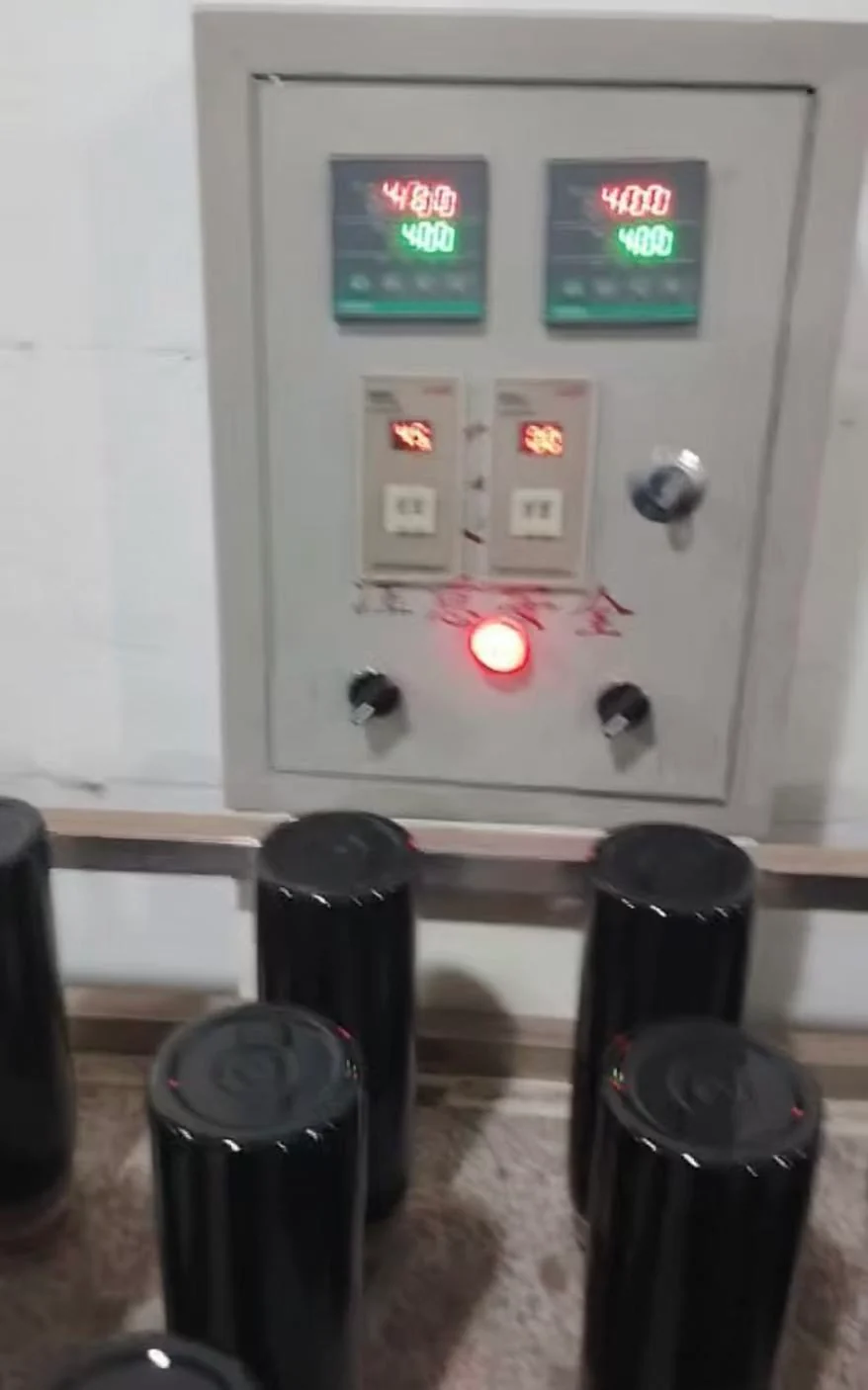
Temperature checks continued after spray painting
BG Drinkware reports that QC personnel checked temperature after vacuum processing, again after polishing and again after spray painting. The order shipped after inspection. These are three process checkpoints, but the account does not state that every single unit was temperature-tested at each one; sampling followed the order requirements.
The buyer lesson is to decide in advance whether a post-finish check belongs in the inspection plan, especially when the approved selling claim refers to the completed decorated product.
What should an insulated bottle request for quotation include?
Name the exact product, use conditions and acceptance method. Include capacity, body construction, lid, intended hot or cold use, finish and artwork, order quantity, packaging, destination market, required documents and any stated temperature-performance requirement. If a detail is open, mark it for sample review instead of letting a generic “vacuum insulated” label settle the specification.
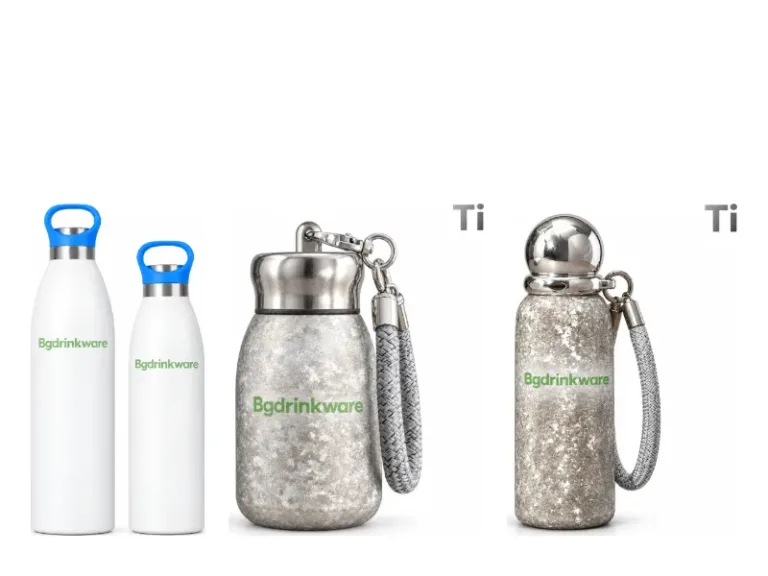
Start with the BG Drinkware product range and a named bottle configuration. A listing such as the 500ml tea-infuser bottle can help identify the intended model, but its listing alone is not evidence of vacuum construction or temperature performance; confirm those separately. Then review the manufacturing process and the selected model's sample and inspection records. The order—not this article—should establish any numeric retention claim.
Planning a branded run?
For a branded vacuum bottle order, ask for the heat-retention test method and record it with the approved sample. At BG Drinkware every vacuum bottle is temperature-tested before shipping. See custom water bottles and our quality control steps.
Insulated water bottle FAQ: double wall, vacuum and repairs
Does double-wall always mean vacuum insulated?
No. Two walls describe construction; the gap may contain air or be evacuated and sealed. Confirm the actual quoted version and its sample test.
Does a vacuum stop all heat transfer?
No. It greatly reduces gas-mediated transfer across the wall gap, but radiation and solid paths through the neck, base and lid remain.
Are sample and bulk tests performed to different standards?
BG Drinkware says the same agreed test standard is used. Sampling quantities and pass criteria are set by order, so request the actual records.
Can a bottle with a failed vacuum be repaired?
BG Drinkware says vacuum-defective bodies cannot be reworked through its process; they are removed and scrapped.
Make the temperature claim measurable before production.
Send the bottle model, lid, finish, target market, quantity and intended temperature-test conditions. BG Drinkware can review the sample, process checkpoints and order-specific inspection plan with you.