18/8 vs 304 vs 316: Which Stainless Steel Should Your Water Bottle Use?
An 18/8 stainless steel water bottle, a 304 bottle and a 316 bottle can look identical. What differs is how much chromium, nickel and molybdenum is in the steel, and which wall of the bottle it is used for. Here is what the numbers mean and how to write them into an order.
On a stainless steel water bottle, 18/8 describes the steel’s chromium and nickel content, about 18% chromium and 8% nickel, and it is a description rather than a grade. SSINA says 18/8 is often used to describe Type 304, which contains 18–20% chromium and 8–10.5% nickel, and warns that such designations should never be used for buying raw materials. Type 316 adds 2–3% molybdenum, which helps where the steel meets chlorides, and Type 201 partly replaces nickel with manganese. At BG Drinkware the standard build is a 304 inner wall, which touches the drink, and a 201 outer wall; the inner wall can be upgraded to 316 and the outer wall made in 304. Existing material and food-contact reports can be shared, or new tests run for an order. On a purchase order, write the grade for each wall, such as 304 or 316, rather than 18/8.
What does 18/8 mean on a stainless steel water bottle?
On an 18/8 stainless steel water bottle, 18/8 describes the steel’s chromium and nickel content: about 18% chromium and 8% nickel. It is a description rather than a grade. SSINA says 18/8 is often used to describe Type 304 or other 300-series steels, which generally contain 17–20% chromium and 8–10.5% nickel.
- 18: the first number is the chromium content.
- 8: the second number is the nickel content.
- 18/10: implies about 10% nickel, but SSINA notes the term is sometimes used just for marketing.
What is the difference between 304 and 316 stainless steel?
316 contains 2–3% molybdenum and more nickel than 304. SSINA says molybdenum improves corrosion resistance and is particularly helpful where the steel is exposed to chlorides.
Each bar spans the range on a 0–20% scale. 304 and 316 Cr/Ni/Mo ranges are from SSINA; 201 and the 304 manganese limit are from ASSDA. *No manganese value is given in the cited sources for 316; check it on the mill certificate.
Swipe the table sideways to see every column →
| Grade | What it is | Typical place in a bottle | BG Drinkware |
|---|---|---|---|
| 304 | Chromium-nickel, the “18/8” family | Inner wall, which touches the drink | Standard inner wall; outer wall on request |
| 316 | 304-type with 2–3% molybdenum | Inner wall, when extra chloride resistance is wanted | Inner-wall upgrade, at a higher price |
| 201 | Chromium-manganese, lower nickel | Outer wall, which doesn’t touch the drink | BG standard outer wall |
Is a 316 stainless steel water bottle worth the extra cost?
A 316 inner wall is worth it when the bottle will meet chlorides, such as coastal air or de-icing salts, or when your brand wants to sell the higher grade. For everyday use, 304 is BG Drinkware’s standard inner wall.
SSINA notes that corrosion resistance increases with molybdenum, and that molybdenum is especially useful where there are chlorides, giving coastal or de-icing salts as examples. At BG Drinkware a 316 inner wall costs more than 304, so it is usually chosen on purpose, for example for a premium line, rather than as a default.
Why does BG Drinkware use 201 stainless steel for the outer wall?
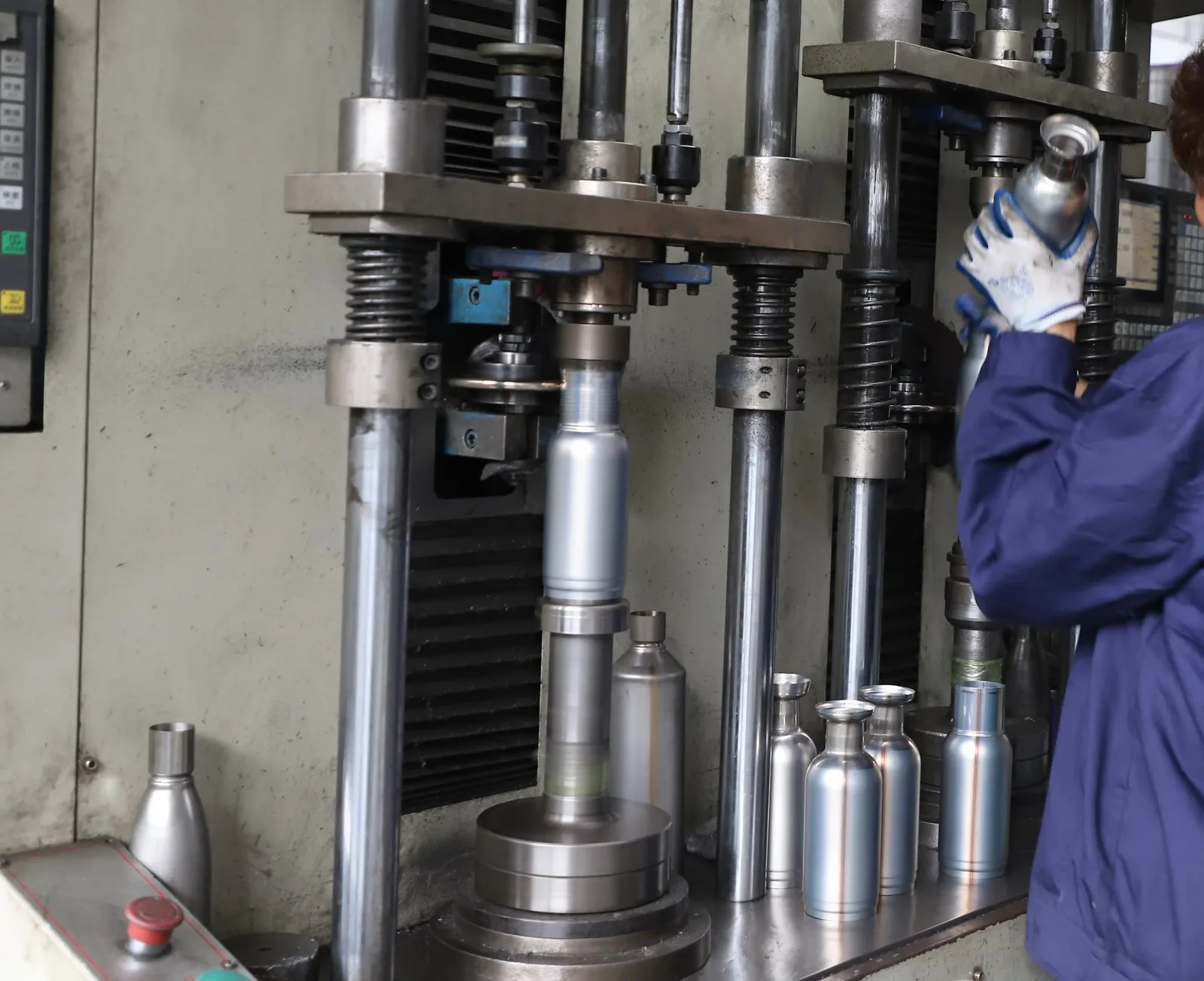
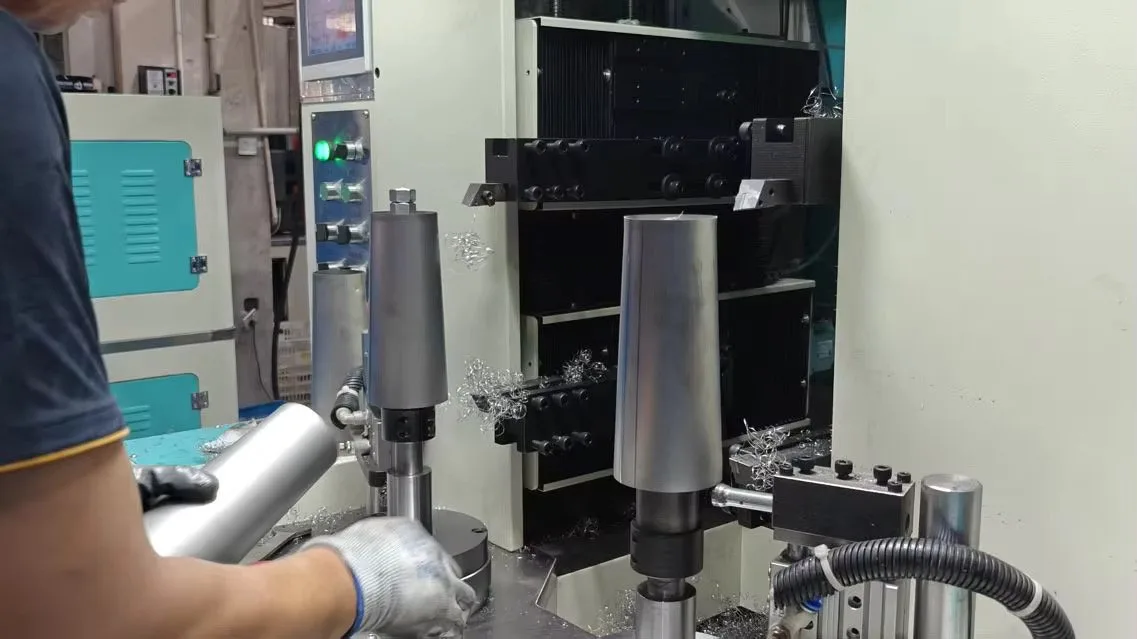
The outer wall of an insulated bottle never touches the drink, so BG Drinkware’s standard build uses 201 there and keeps 304 or 316 for the inner wall. 201 uses manganese and nitrogen in place of part of the nickel.
- Inner wall: 304, or 316
- Touches the drink. This is the grade to specify and test.
- Vacuum gap
- Slows heat moving between the two walls, which keeps the drink hot or cold.
- Outer wall: 201, or 304 on request
- Touches your hand, not the drink. On coated bottles it sits under the coating.
The Australian Stainless Steel Development Association (ASSDA) states that the corrosion resistance of chromium-manganese grades is “generally inferior to similar CrNi grades”. ASSDA notes that sensitisation during welding is one reason chromium-manganese grades are generally not used for fabricated items, and that welded parts need thin sections or rapid cooling. On BG Drinkware outer walls, the seams are laser welded and then ground or polished, and most outer walls are covered by a spray or powder coating. A salt spray test can be run for an order, and if a buyer wants the outer wall to match the inner wall, for example for uncoated bottles or humid, coastal markets, BG Drinkware can make it in 304. Our explainer on how insulated water bottles work covers the double-wall build in more detail.
Can you tell 304 from 201 with a magnet?
No. Both are usually non-magnetic, and ASSDA states that “magnetism has no relationship to corrosion resistance”. The grade is confirmed with paperwork and testing, not a magnet.
ASSDA warns that 200-series grades are often assumed to be 304 or even 316 because they are non-magnetic, and that mix-ups have led to corrosion problems. SSINA adds that high levels of cold work can make 300-series steels somewhat magnetic, so a magnet can’t confirm the grade. Ask for the mill material certificate and, if you need it, a food-contact test report. BG Drinkware can share existing material and food-contact reports, such as FDA or LFGB, or run new tests for an order.
For rust spots and tea stains inside a bottle, see rust spots or tea stains in a stainless steel bottle.
How do you specify stainless steel grades on a water bottle order?
State the grade for each wall separately, plus the reports you need. Words like “food-grade” or “18/8” alone are not a specification.
Spec line builder
The stainless steel drinkware range on our stainless steel materials page shows which bottles and tumblers these options apply to.
For whether a stainless steel bottle is safe to drink from, see non-toxic water bottles.
For steel grades by product, see stainless steel drinkware and our custom water bottles.
What else do buyers ask about stainless steel grades?
Is 18/8 stainless steel the same as 304?
Often, but not by definition. SSINA says 18/8 is often used to describe Type 304, but it is a description, not a formal grade, and SSINA advises against using it to buy materials. Specify 304 on the order.
Is 316 stainless steel better than 304 for a water bottle?
316 has better resistance to chlorides because of its 2–3% molybdenum. 304 is BG Drinkware’s standard inner wall; 316 suits coastal use, exposure to salts or a premium line, and costs more.
What is 201 stainless steel used for in a water bottle?
On BG Drinkware’s standard insulated bottles, 201 is used for the outer wall, which doesn’t touch the drink. The inner wall is 304, or 316 as an upgrade, and the outer wall can be 304 on request.
How can I check which stainless steel a bottle is made of?
Ask for the mill material certificate and, if needed, a food-contact test report from a lab. A magnet test can’t tell 304 from 201.
What does 18/10 stainless steel mean?
It implies about 18% chromium and 10% nickel, but SSINA notes the term is sometimes used just for marketing. Like 18/8, it is a description rather than a grade, so ask which grade it corresponds to.
Sources
Choosing the steel for your bottles?
Tell us the bottle style and where it will be sold. BG Drinkware will quote a 304 or 316 inner wall, a 201 or 304 outer wall, and the reports your market needs.