Plan custom drinkware production from the approved brief through sampling, body forming and thermal processing, components, surface finish and decoration, assembly and in-process inspection, then packing to the approved order. Confirm the product route, acceptance criteria and release records before the bulk run. Sampling · Quality control · Request a quote.
Production stages described on this page (buyer approvals in the right column).
Stage
What happens
Buyer freezes
Production brief
Define vessel, use case, material, construction and checkpoints
Open decisions before tooling or bulk
Body forming & thermal processing
Single-wall vs vacuum routes; joining, evacuation and temperature checks where specified
Construction route and related checks
Components
Lid, seal, handle, straw and base to approved part specs
Fit, closure and function of the set
Surface finish & decoration
Finish chosen with body material, artwork coverage and use
Colour, texture, logo position and durability checks on sample
Assembly & inspection
Combine approved body and components; in-process checks
Hold mismatches for a recorded decision
Pack to approved order
Individual pack, inserts, labels, master carton and marks
Packing specification before the packing run
In brief
Custom drinkware manufacturing takes an approved sample through forming, welding, vacuum sealing, finishing, decoration and packing. BG Drinkware, a drinkware manufacturer in Yongkang, China, forms stainless steel bodies by stretching or hydroforming, welds the inner and outer walls at the rim and seals the vacuum by brazing in a vacuum furnace with lead-free sealing material. Every vacuum product is then temperature-tested unit by unit. Powder coating is done in-house, while spray paint, sublimation coating and soft-touch rubber paint are applied by coating partners, and coated bodies are checked when they return. Logos are laser engraved, screen printed or UV printed. Typical bulk production is 7–12 days from the deposit, plus 2–3 days for a ceramic lining, and inspection follows ISO 2859-1 Level II, AQL 2.5 and 4.0. Goods usually ship EXW from Ningbo.
Process in one view
From approved brief to packed order
The exact route changes with the vessel, material, lid system, decoration and destination market.
A custom drinkware manufacturing process turns an approved specification into a finished, packed order. It covers material and construction choices, sample approval, the applicable forming and finishing operations, component assembly, inspection and packing. Each stage needs a confirmed input, an agreed checkpoint and a recorded decision before the order moves forward.
BG Drinkware confirms the route for the selected model. Plastic cups, single-wall metal bottles and vacuum-insulated vessels do not share one production sequence. Product, purchasing and quality teams should work from the same approved specification, sample reference and change log.
Define the production brief
A production brief should define the vessel, material, component set, order quantity, destination market and packing needs. Identify open decisions, approval owners and the required delivery date before planning the run. These inputs determine which engineering, sampling, production and inspection stages apply.
Define the vessel and use case
Choose the starting format from the drinkware product range, then state capacity, intended use, temperature requirement and any compatibility expectations.
Confirm material and construction
Use the material guide to compare stainless steel, plastic and other relevant routes. Confirm the body construction, contact parts and finish before artwork is finalized.
Lock functional details
Record lid type, handle, straw, seal, base, drinking interface and packaging format. A component change can affect fit, assembly, testing and carton dimensions.
Set approval checkpoints
Agree which drawings, samples, colors, decoration positions, inspection points and packing details require signoff before the next production stage.
Body forming and thermal processing
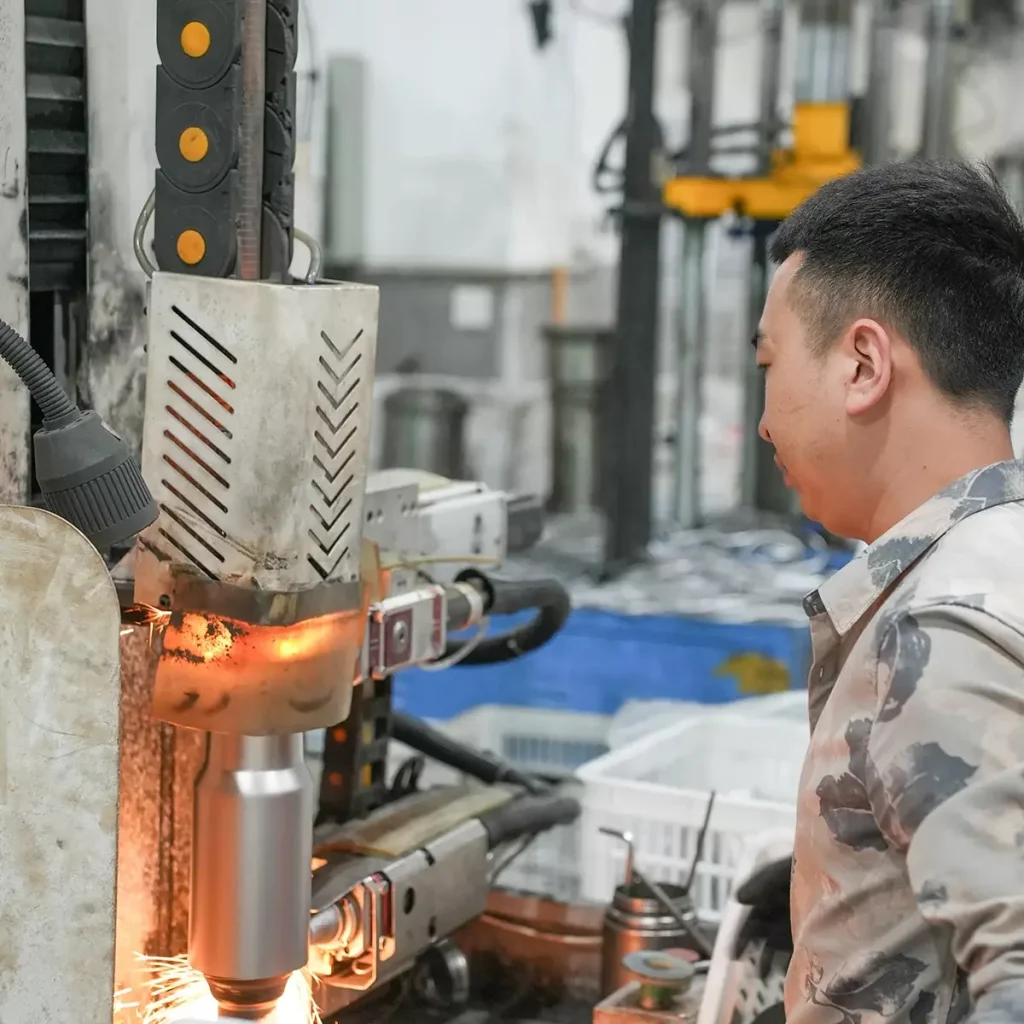
Stainless steel drinkware production follows the selected body design and construction. Single-wall and vacuum-insulated vessels require different operations and checks; any thermal-processing step must be specified for that route. For a vacuum model, confirm the joining, evacuation and temperature-check requirements rather than treating heat processing alone as proof of insulation performance.
Input
Confirmed material, body dimensions and construction route.
Operation
Form the vessel body and carry out any specified thermal-processing step.
Checkpoint
Check agreed dimensions, surface condition and the recorded decision to proceed or hold.
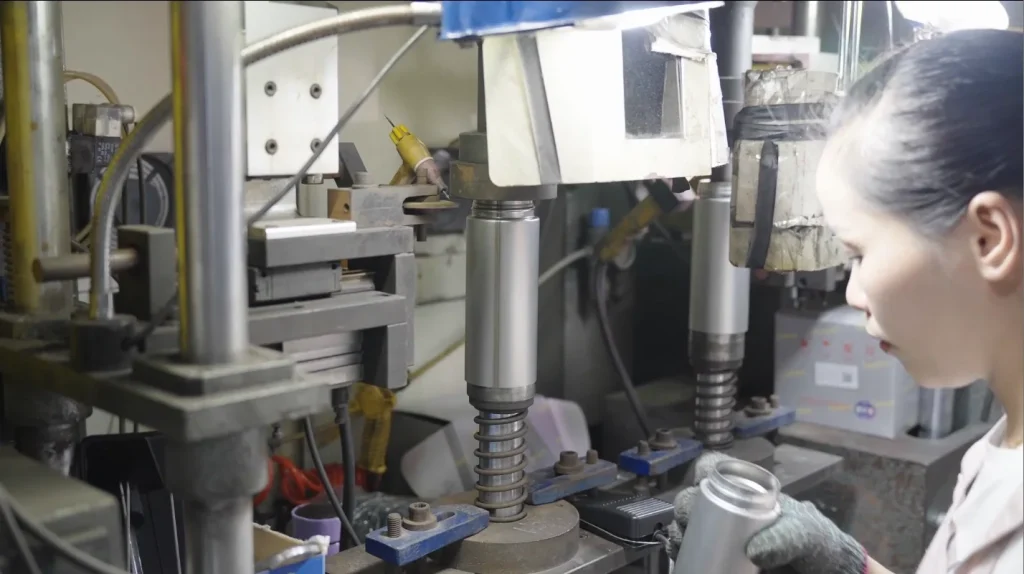
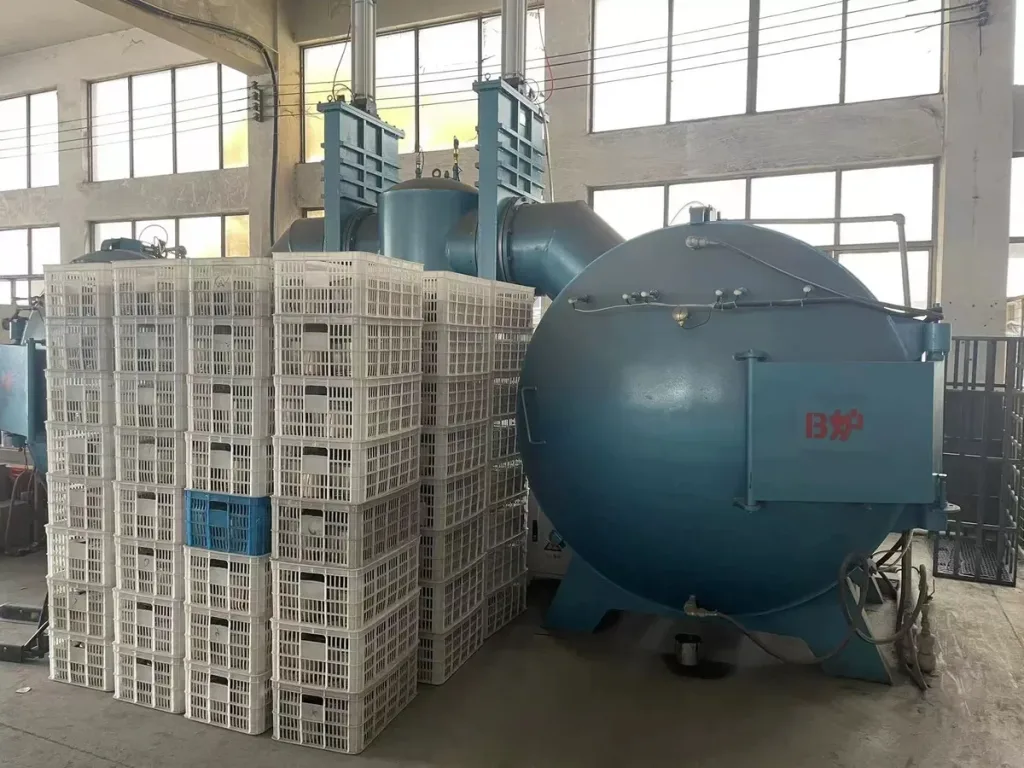
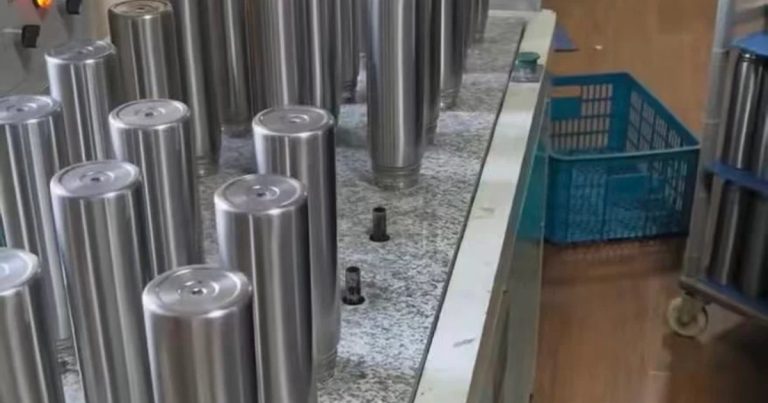
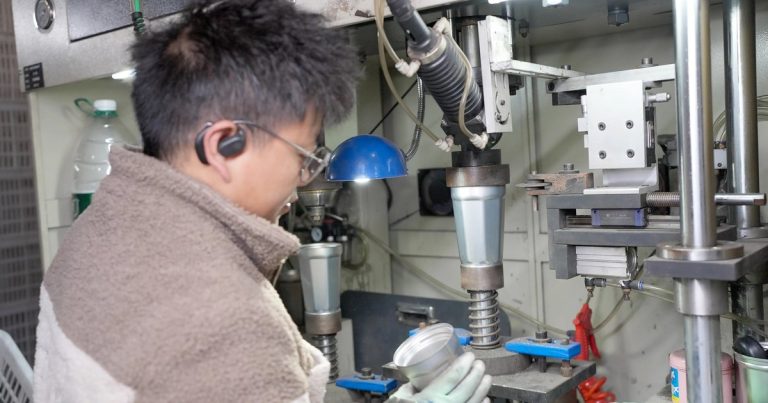
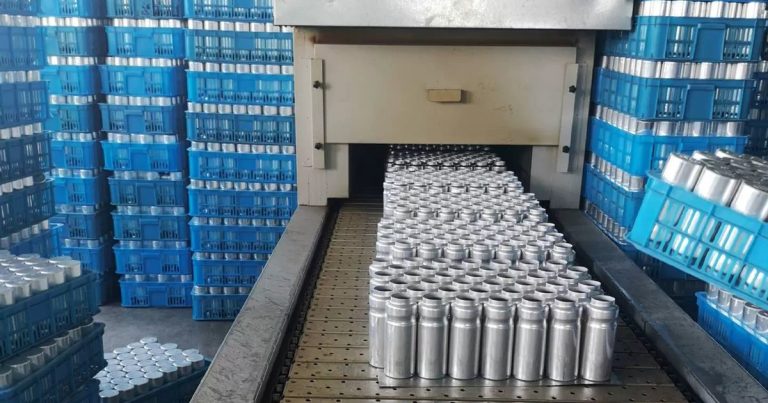
Heat processing Monitoring a defined thermal step for a stainless steel bodyBody forming Forming a stainless steel vessel body
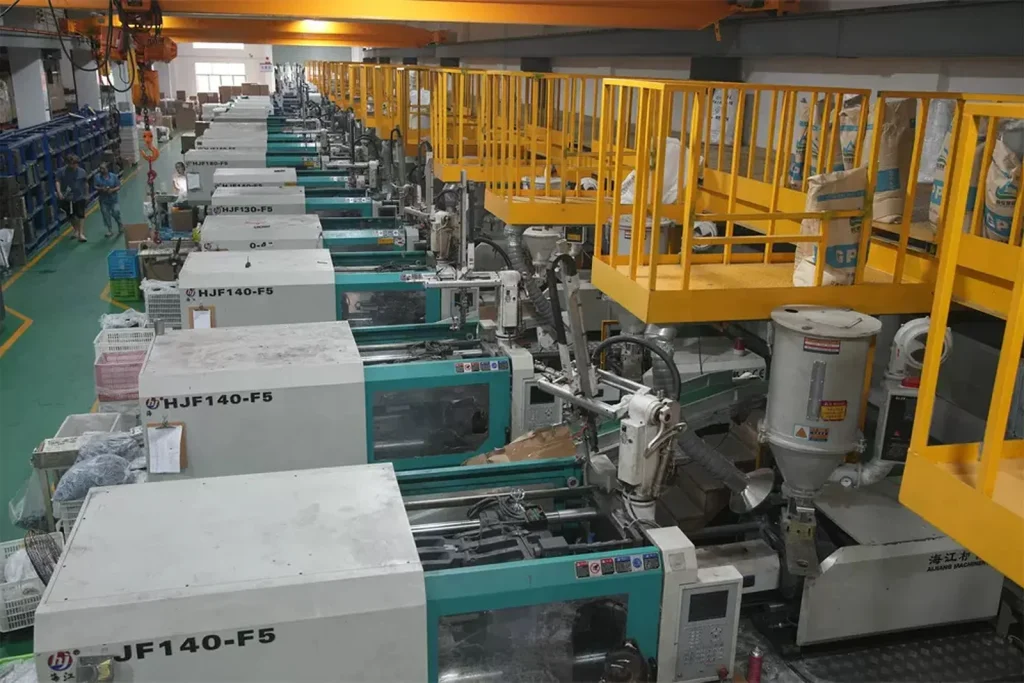
Component route Automated molding line for drinkware parts
Produce and fit the components
Bodies are formed by stretching or hydroforming, depending on the model. The inner and outer bodies are welded together at the mouth, and the air between them is removed in a vacuum brazing furnace, which melts a lead-free sealing material over a vacuum hole in the base. Bodies are then polished, and every vacuum bottle is temperature-tested before any ceramic lining, outer coating, logo and packing.
Surface finish and decoration
Select the surface finish and decoration together with the body material, artwork coverage and intended use. Approve the color, texture, logo position and agreed durability checks on a sample before the run. If the finish changes, review the artwork, processing route and acceptance reference again.
Confirm the finish system and approved color reference.
Verify artwork scale, position, orientation and print method.
Use an approved sample or signed reference for comparison.
Agree acceptable color and finish variation against the signed sample.
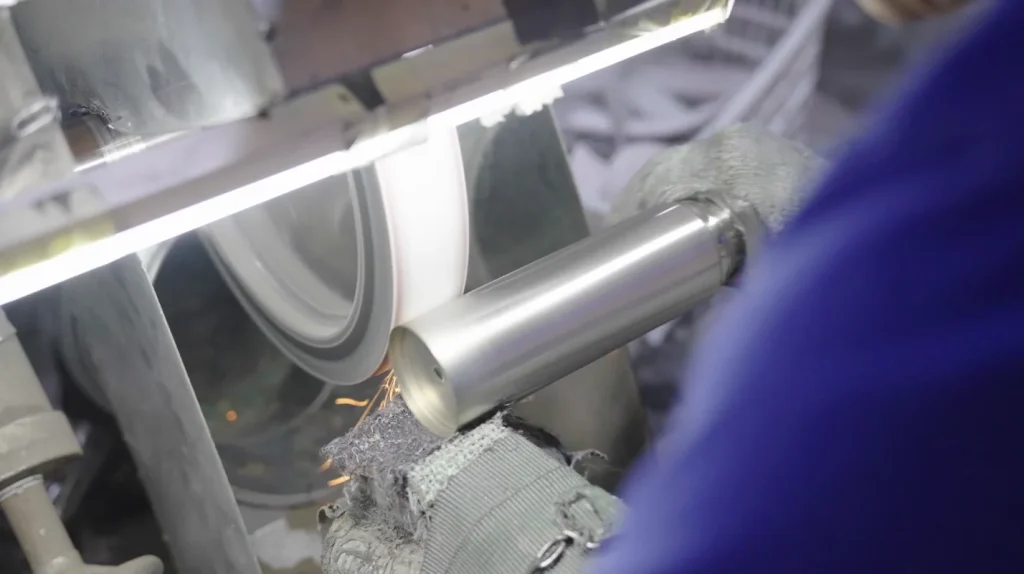
Surface preparation Polishing a stainless steel body before the approved finish
Before the run
Lock the finish system, color reference, artwork version and approved comparison sample.
During production
Check surface condition, coverage, placement and visible variation before assembly continues.
Release record
Record the accepted reference, inspection result and disposition of any separated units.
Assembly and in-process inspection
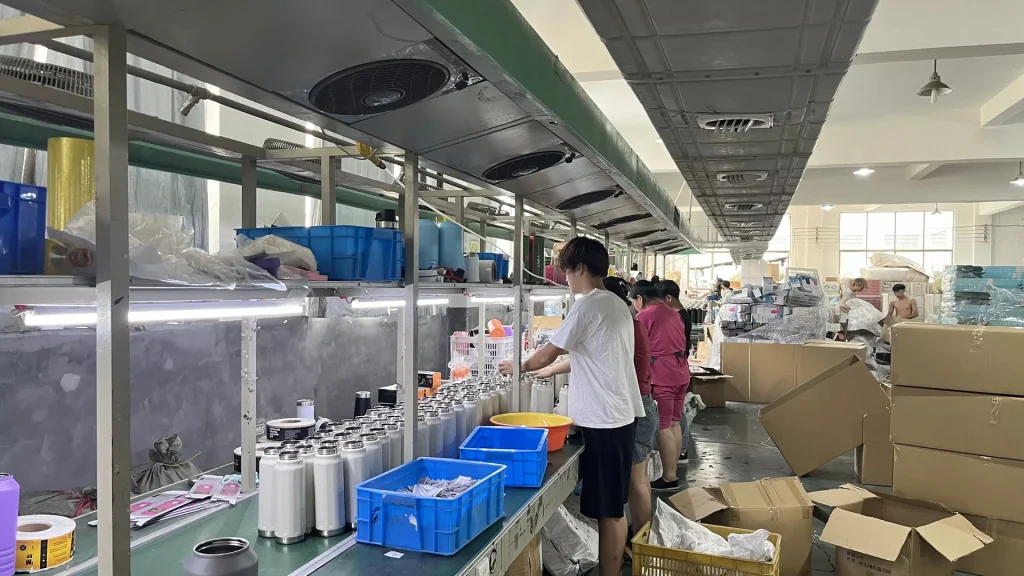
Assembly combines the approved body and component set. Check fit and function at the agreed production stages, then review the finished configuration before packing. A mismatch should be held for a recorded decision rather than passed forward because an earlier component or unfinished body was accepted.
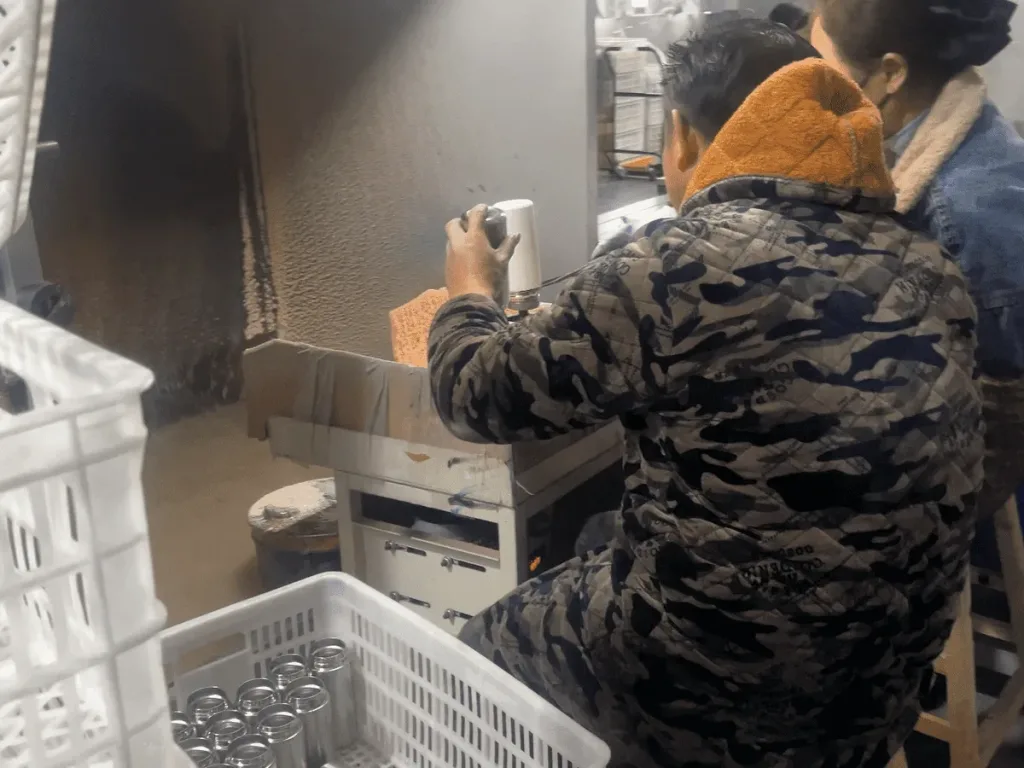
Component preparation Processing a stainless steel part before assembly
Assembly readiness
Processed parts should match the confirmed bill of materials, geometry and visible condition before they are joined. This checkpoint helps keep an incorrect or visibly damaged component out of the assembly route and gives operators a clear reference for the approved product configuration.
Inspection output
Agree the inspection stage, sampling plan, method and acceptance criteria for the selected model. Record the result, sample or batch reference, inspector and disposition of nonconforming items. Follow the drinkware quality control process; for vacuum models, agree temperature-check conditions on the finished configuration.
Pack to the approved order
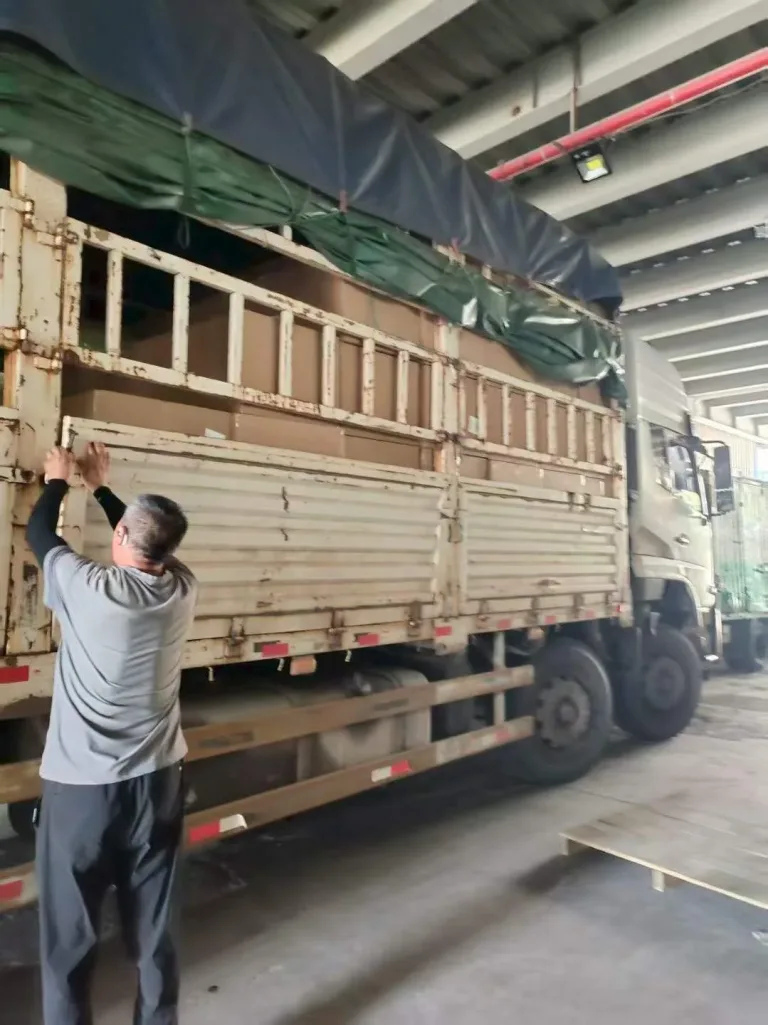
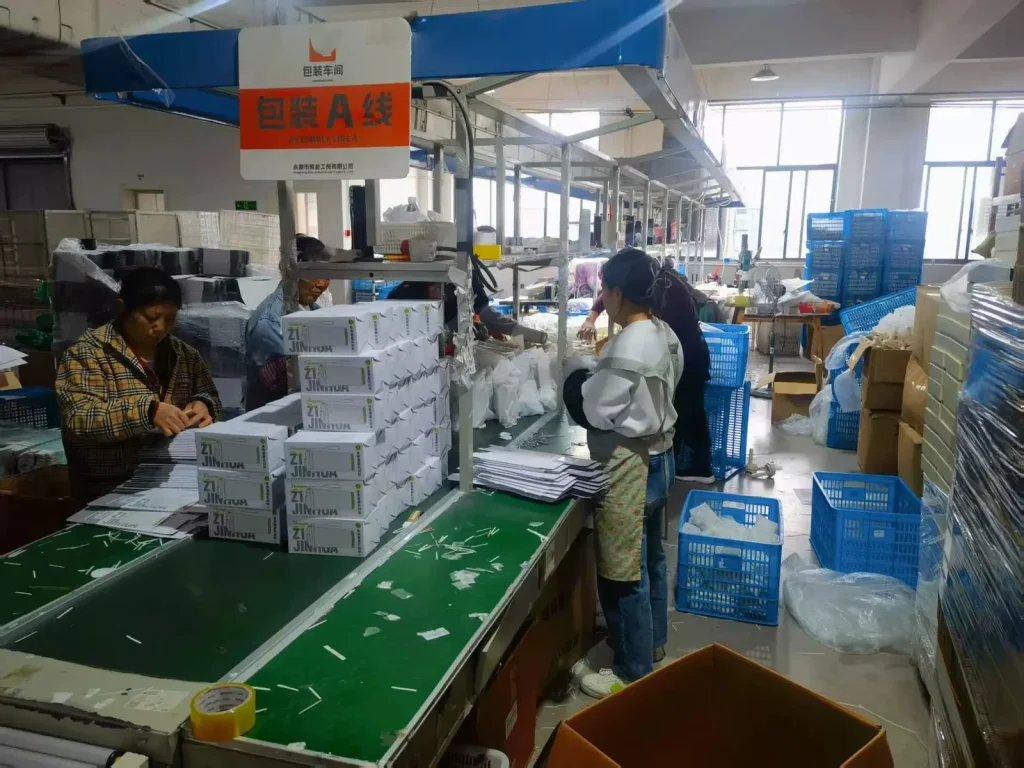
Packing is part of the manufacturing specification because it affects presentation, protection, labeling and shipment handling. Confirm the individual pack, accessories, insert, barcode or label position, master carton and shipping marks before the packing run.
Input
Approved unit pack, carton plan and shipping marks.
Operation
Pack the confirmed product and accessory configuration.
Checkpoint
Verify count, presentation, labels, carton condition and records.
How much does it cost to make a water bottle?
There is no single manufacturing price for every water bottle. Cost depends on material and construction, order quantity, tooling, components, finish, decoration, testing and packaging. Compare quotations against the same specification and confirm what is included. A design or packing change can alter both the production route and the quoted cost.
01 · Scale
Quantity and tooling
Order volume, existing-model availability and any new molds or fixtures shape setup and unit-cost assumptions.
02 · Vessel
Material and construction
Material grade, wall construction, capacity and body geometry determine the applicable forming and processing route.
03 · Specification
Components and finish
Lids, seals, handles, straws, coatings, color targets and decoration coverage affect parts, operations and approvals.
04 · Release
Testing and packaging
Agree inspection scope, required documentation, unit packs, inserts, labels and cartons. Confirm whether tooling, samples and shipping are included or quoted separately.
For a comparable quotation, send one brief that identifies the product, estimated quantity, customization, target market and packing expectations.
Laser engraving, screen or UV printing, approved on the sample
Inspection
ISO 2859-1 Level II, AQL 2.5 / 4.0; third-party inspection welcome
Order facts
Minimum order
Usually 500 per model and colour. Different logos have separate minimums.
Sample
Up to 7 days for an existing model
Bulk production
Typically 7–12 days from the deposit. Late approvals and artwork changes can affect timing.
Standard construction
304 stainless inner wall, 201 outer wall; 316 inner or 304 outer on request
Capacity
120 ml to 4,000 ml
Testing
Every vacuum bottle temperature-tested before shipping
To quote, send the capacity, quantity, model, colour, logo method, packaging, payment terms and trade terms. BG Drinkware is a drinkware manufacturer in Yongkang, China.
Practical answers for planning a custom drinkware project before requesting a quotation.
What information is needed to plan a custom drinkware manufacturing process?
Start with the product type, capacity, material, lid or accessory set, intended use, finish, artwork, target market, packing format and estimated quantity. Also identify which samples or documents require approval. BG Drinkware can then review the inputs, flag missing decisions and map the applicable production and inspection stages before a quotation is finalized.
Does every tumbler or water bottle follow the same production route?
No. A stainless steel vacuum tumbler, a single-wall bottle and a plastic cup use different forming, component and finishing operations. Lid geometry, handles, straws, decoration coverage and packaging can also change the route. The manufacturing plan should therefore be based on the approved product specification rather than a generic sequence applied to every drinkware category.
When should a production sample be approved?
Approve the relevant sample before committing its structure, finish, artwork and component choices to bulk production. Record the sample version, color reference, decoration position, function, packing details and required checks in writing. If any of those choices change later, review the effect on cost, timing and inspection, then confirm whether a revised sample is needed.
How is quality control connected to manufacturing?
Place quality checkpoints at the production stages where a defect can be found and corrected before it moves forward. Materials, formed bodies, components, finishes, assemblies and packed units may need different checks. Agree the sampling plan, method, acceptance criteria and records for the order; hold identified nonconforming goods until their disposition and any required recheck are recorded.
How can a buyer reduce production misunderstandings?
Use one controlled specification and keep approvals in writing. Confirm the current drawing, material, color reference, artwork version, component set, inspection requirement and packing configuration before production. Assign an owner for each approval and avoid sending conflicting instructions across separate channels. A clear change log helps both teams understand which version governs the order.
Is every bottle tested?
Every vacuum product is temperature-tested unit by unit before shipping, with the number of test rounds set by the buyer. The 6-hour heat-retention check at 95°C is run on samples and spot-checked on bulk. Units that have lost their vacuum are caught before shipping.
Will coating colour be the same on a reorder?
Coating colour can vary slightly between batches, which is normal, and a reorder cannot be guaranteed to come from the same batch. Keep the approved sample as the reference for colour and finish. Approve the colour against a Pantone reference or a physical sample.
Plan your production route
Share the vessel, material, quantity, finish, target market, packing requirements and required delivery date. Mark any undecided items. The first review identifies missing inputs, the proposed production route and the samples or records to approve before quotation and production planning.