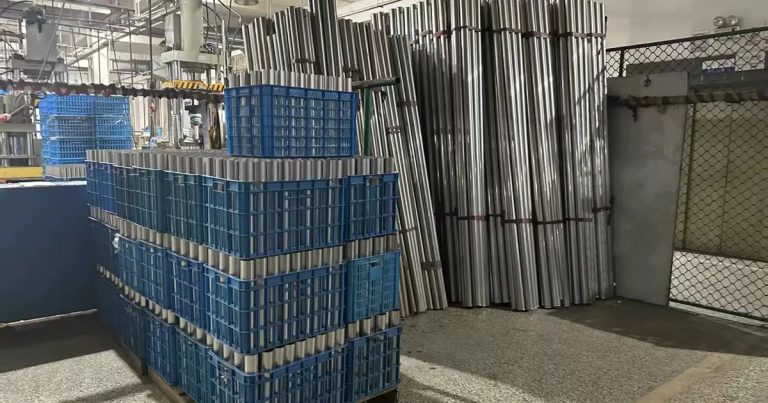
Product and use
State the user, drink type, capacity, handling, cleaning and sales environment. These requirements guide the body, lid, seal and accessory choices.
From idea to an approvable brief
BG Drinkware turns your product idea into a defined development brief. That brief is not a product certificate. The brief links use and structure decisions, sample evidence and the production handoff for bottles, tumblers and related formats. Name must-keep features early; quote new tooling only when an existing route cannot meet form or function. Sampling · Customization · Request a quote.
The direct answer
Drinkware product development converts buyer intent into controlled decisions. It shows what is fixed and what can change. It also states what the sample must prove before a custom made water bottle or tumbler moves toward production.
Custom drinkware development outputs: a controlled product brief, an open-point list and the current approval record. An open point is a decision that is not final yet. These planning inputs are not a production release, test report or market-compliance certificate.
State the user, drink type, capacity, handling, cleaning and sales environment. These requirements guide the body, lid, seal and accessory choices.
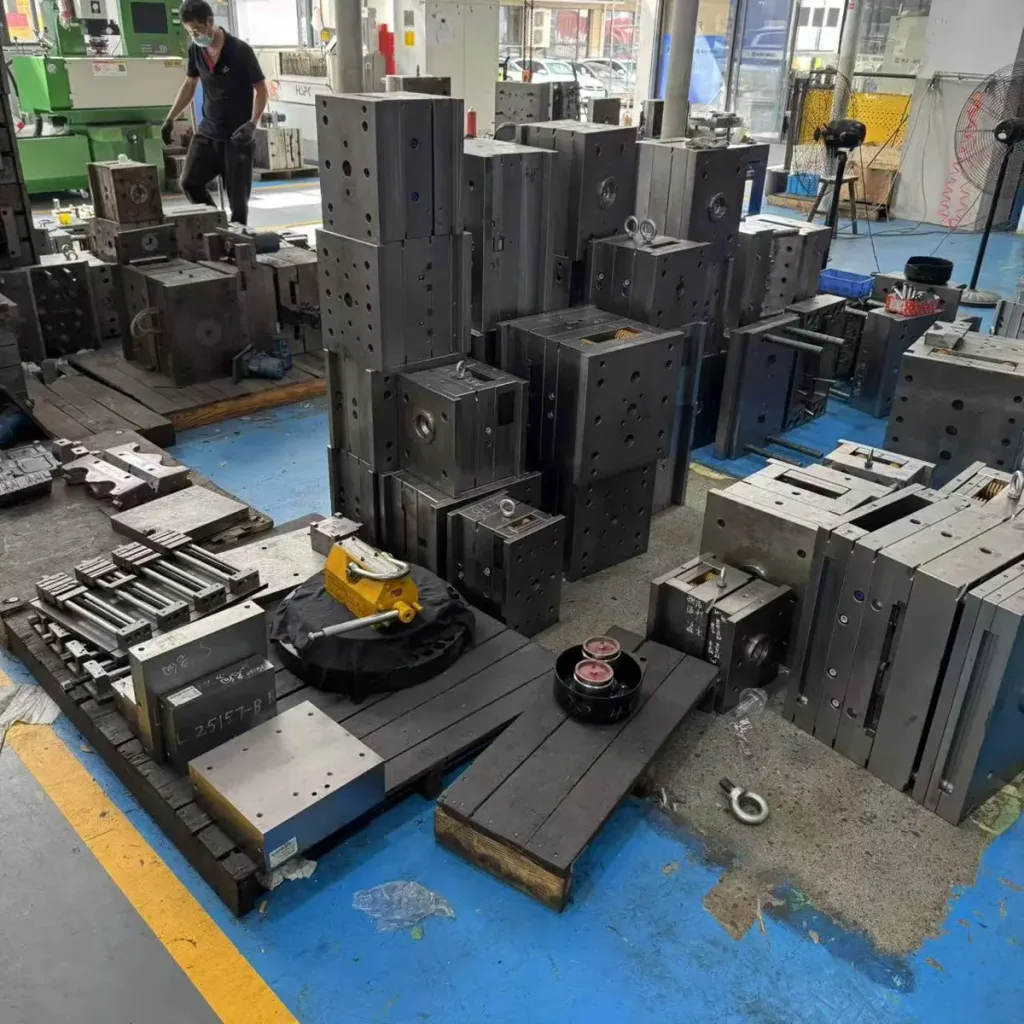
Separate preferred features from mandatory ones. Custom metal water bottles may require different body, insulation and attachment decisions from a lightweight single-wall format. Use the material guide to compare the relevant routes.
Put colour, logo, finish, packaging and destination-market needs in one product brief. Each review can then refer to the same product direction.
| Step | What happens |
|---|---|
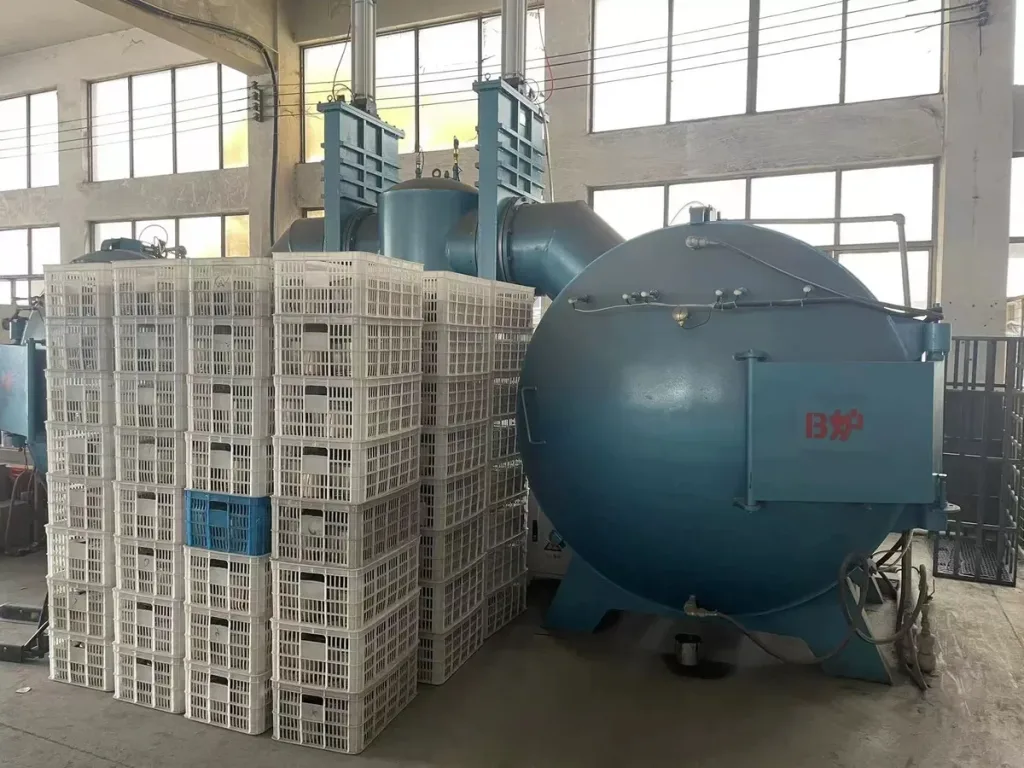
| Forming | Inner and outer bodies are formed by stretching or hydroforming |
| Rim welding | Inner and outer walls are welded at the rim |
| Vacuum sealing | The body is sealed by brazing in a vacuum furnace, with lead-free sealing material |
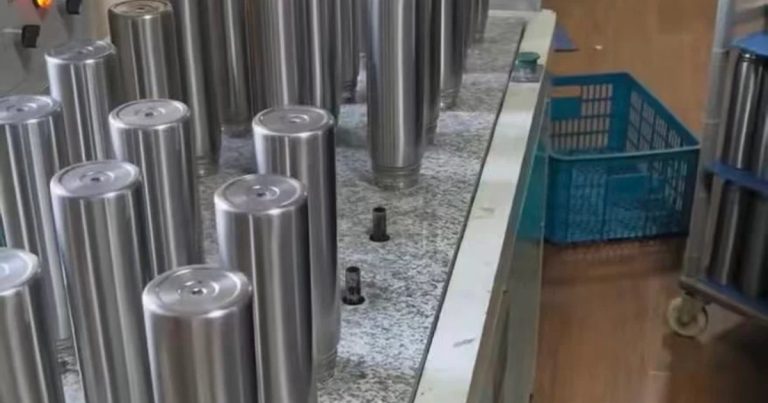
| Polishing | Bodies are polished before finishing |
| Temperature test | Every vacuum body is temperature-tested unit by unit |
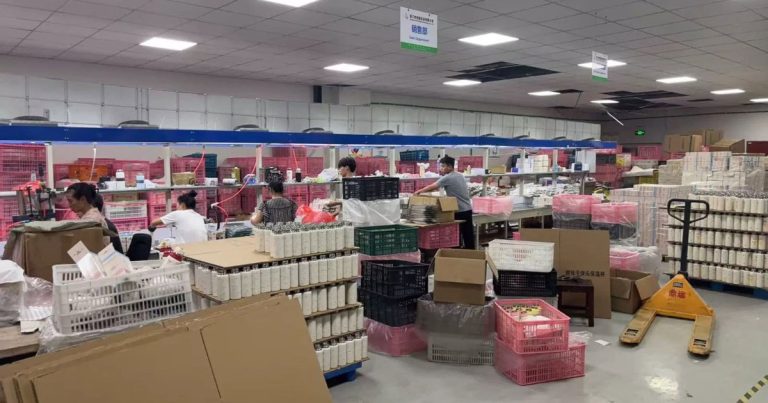
| Finishing | Optional ceramic lining, coating, logo printing and packing |
To quote, send the capacity, quantity, model, colour, logo method, packaging, payment terms and trade terms. BG Drinkware is a drinkware manufacturer in Yongkang, China.
A shared decision record
Not every detail has to be final at the first enquiry. Mark uncertainty clearly and assign it to a review stage. Keep the current decision visible to purchasing, product, artwork and quality teams.
Swipe horizontally to compare all four columns.
| Area | Buyer provides | Development confirms | Record to retain |
|---|---|---|---|
| Product direction | Use case, reference, capacity and must-keep features | Candidate body, lid and construction route | Selected direction and open alternatives |
| Structure | Handling, sealing and accessory expectations | Part interfaces, tolerances to review and assembly concerns | Drawing, sample notes or agreed reference |
| Appearance | Colour target, artwork and desired tactile feel | Compatible base finish, decoration method and placement | Artwork version, colour reference and approved sample |
| Market | Destination, channel, packaging and required documents | Applicable review plan and information gaps | Project-specific compliance and packaging requirements |
| Approval | Named approver and acceptance priorities | What the sample proves and what it does not | Dated approval plus unresolved items |
An anonymized project example
The right change was defined by one buyer’s tactile standard—not by a universal process rule.
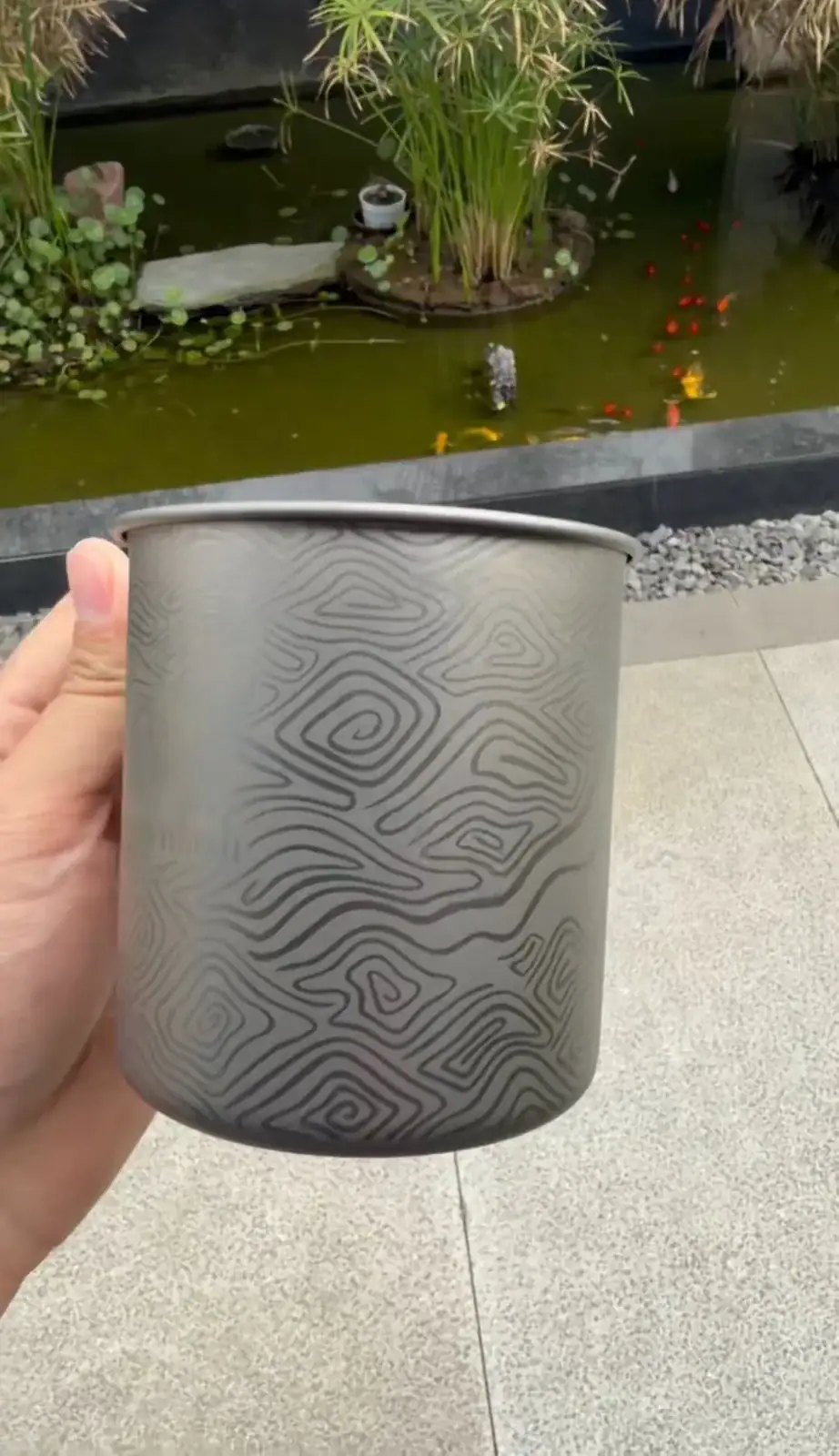
This example comes from an account provided by the BG Drinkware team. No client identity or approval record is published here. It does not mean spray painting and UV printing are generally incompatible. Suitability depends on the substrate, finish system, artwork, use and buyer-defined acceptance criteria.
For how samples are approved and recorded, see our sampling process; for inspection points, see quality control.
When an existing model is enough and when tooling is worth it
The 10 production steps, from forming to packing
What changes a quote and how to compare two suppliers fairly
Why the vacuum layer keeps drinks hot or cold
Which steel grade to specify
For mould costs and how they are paid, see custom drinkware costs.
Buyer questions
Start with the intended user, use, product reference, capacity and estimated quantity. Add the destination market, must-keep features, artwork direction, packaging needs and target timing. Mark unknowns clearly; the first brief can contain open points.
No. A clear reference product, annotated images or a structured requirement list can begin the discussion. The team still needs to confirm which dimensions, interfaces and performance expectations must be translated into a controlled specification.
No. Some projects can use an existing body or component direction with changes to colour, decoration, packaging or selected parts. Discuss a new or modified tool only when an available route cannot meet the required form or function.
Each sample should answer named questions. These may cover body profile, component fit, sealing, tactile feel, colour, logo size or artwork position. The approval record should also state what the sample was not intended to prove.
The salesperson responsible for the order coordinates these reviews with the buyer and the relevant internal teams. The buyer should name its product, artwork and sample approvers. This prevents conflicting versions from entering the project.
Manufacturing can begin when the approved product, material, components, finish, artwork and packaging point to the same version. Required open points must be closed. Manufacturing and quality teams must be able to identify that version.
Only for a new shape or part. Changing the colour, finish or logo, or choosing an existing lid option, needs no tooling. A new body or a new lid design needs tooling and development time before the first sample, which is quoted per project.
It depends on the design. Development time comes before the first sample; once the sample is approved, bulk production takes 7–12 days. An existing model needs no development and its sample takes up to 7 days. Samples are charged, so settle the design brief before the first sample.

Start with what you know
Send what you have, even if some decisions are still open. The salesperson responsible for your order will organize the first scope review and record open points. The review will also define what the first sample needs to prove.
What happens next: scope check → open-point list → sample purpose.
Search BG Drinkware
Add us on WeChat

WeChat ID: +86 151 5891 9004
Open WeChat, tap + then Scan, and point it at the code.