Insulated Food Jars: What Brands Should Specify Before a Bulk Order
An insulated food jar is judged on three things: how well it holds heat, whether it stays sealed in a bag, and how easy it is to clean. Here is how to choose the size, lid and accessories, and what to confirm on the sample.
By Feng, Head of After-Sales Service & Online Marketing Lead
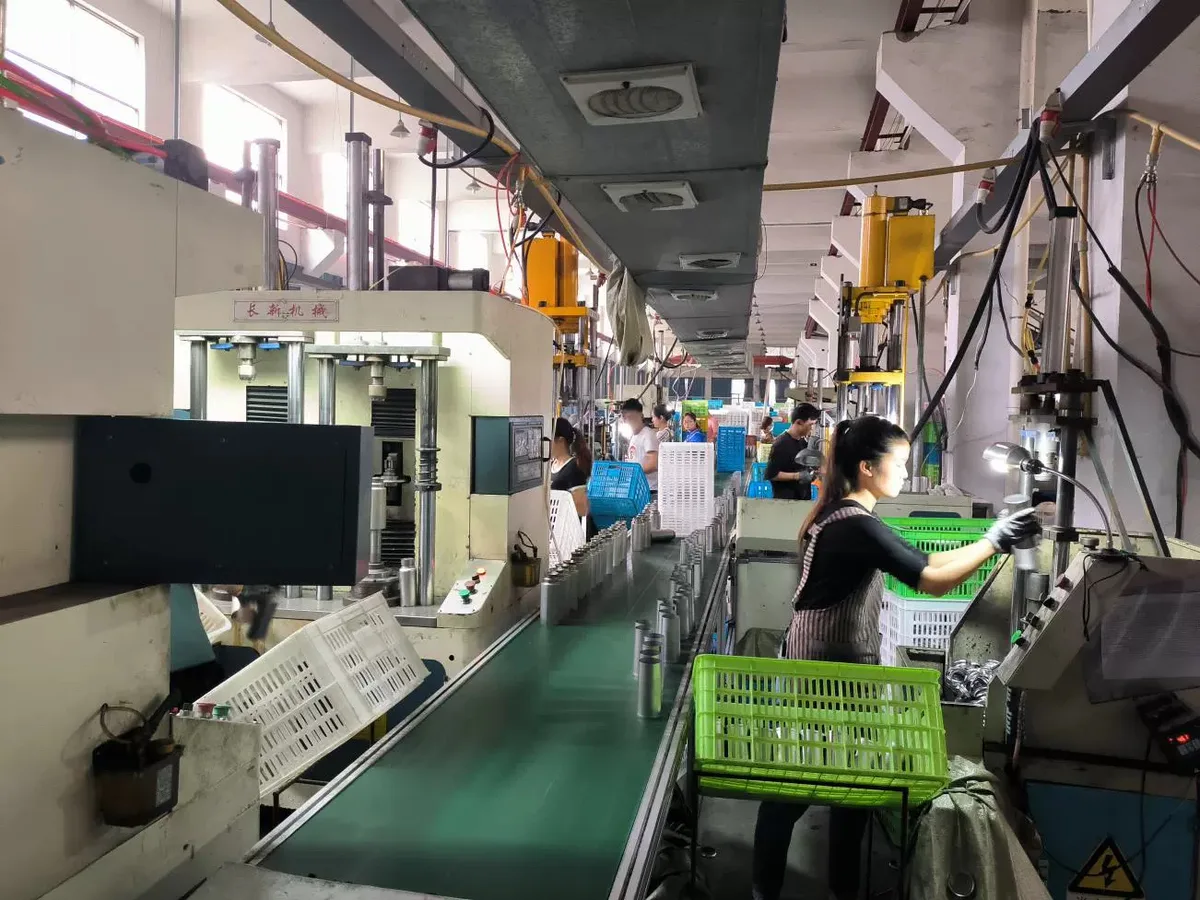
An insulated food jar is a double-wall vacuum container with a wide mouth, built to keep soup, porridge or a hot meal warm, or a salad cold, until lunchtime. For a bulk order, specify the capacity, the lid system, the accessories, the steel grades and how heat retention and leakage will be tested on the sample. BG Drinkware, a drinkware manufacturer in Yongkang, China, makes insulated food jars from 300 ml to 1,050 ml with a 304 stainless steel inner wall and a 201 outer wall, including models with a folding spoon, a removable inner compartment, a carry strap or a lid that doubles as a bowl. The closures are leak-resistant when every part is fitted and fully closed. Most models start at 500 pieces per colour, and the 300 ml jar at 1,000 pieces. A sample of an existing model takes up to 7 days, and bulk production takes 7–12 days after approval.
What size insulated food jar should you choose?
Match the capacity to the meal and the user. A 300–500 ml jar suits a child's lunch, a snack or a side; 650–750 ml suits an adult's main meal; and 850 ml to over a litre suits large portions or sharing. A jar that is filled to the top holds heat better than a half-empty one.
| Capacity | Typical use | Example BG model |
|---|---|---|
| 300 ml | Child's lunch, snack, side dish | 300 ml food jar with fork |
| 450–650 ml | Everyday lunch | 450 ml and 650 ml jar with folding spoon |
| 500–750 ml | Meal with a separate side | 500 ml and 750 ml jar with inner compartment |
| 850–1,050 ml | Large portions, sharing | 850 ml and 1,050 ml jar with folding spoon |
Capacity is listed brim-full, and some designs are calculated to the thread position, so ask which method a figure uses before you print it on packaging.
Which lid and accessories matter most?
The lid system decides whether the jar travels well. Most food jars use a separate inner stopper and an outer lid, and the outer lid often doubles as a bowl. Accessories such as a folding spoon, a fork stored in the lid, an inner compartment or a carry strap make a jar easier to sell as a complete lunch kit.
- Inner stopper and outer lid. Two seals; both must be fitted and fully closed for the jar to resist leaks.
- Bowl lid. The outer lid serves as a small bowl on several models.
- Utensil. A folding spoon or a fork stored in the lid.
- Inner compartment. A removable tray with its own cover, for a side dish.
- Carry. A silicone strap, a flip-up handle or a hidden handle.
Each extra part is something to check on the sample and something customers may ask to replace. See replacement lids and parts for how to plan spares.
What should an insulated food jar be made of?
The part that touches food should be stainless steel suited to food contact, with an insulated double wall around it. BG Drinkware's food jars use a 304 stainless steel inner wall and a 201 outer wall as standard, with a 316 inner wall or 304 outer wall available on request.
The vacuum between the walls is what keeps food hot or cold, so treat the jar like any vacuum vessel. Every vacuum vessel is temperature-tested unit by unit before shipping, with the number of test rounds set by the buyer. Stainless steel jars should not go in a microwave; see can stainless steel go in the microwave. For the steel grades, see 18/8 vs 304 vs 316 stainless steel.
How should heat retention and leaks be checked?
Agree the test before you approve the sample. Heat retention depends on the starting temperature, the food, the fill level and the room, so a claim like "hot for 6 hours" means nothing without the conditions. Write the method down, test the approved sample, and use the same method on bulk.
BG Drinkware's standard heat-retention check uses 95°C water, measured after 6 hours; a buyer can set a different method. See how vacuum bottles are tested for heat retention.
| Check | What to write down |
|---|---|
| Heat retention | Starting temperature, fill level, room temperature, time, and the temperature you will accept |
| Leakage | How the jar is closed, its position (upright, on its side) and for how long |
| Lid and parts | Seal seated, compartment cover fits, utensil stored securely |
| Finish and logo | Coating colour against the approved sample; logo position and durability |
BG Drinkware's product pages do not list a time-and-temperature figure for its food jars, so agree the target conditions and record the result on the approved sample. See quality control and how insulated bottles work.
How do you order insulated food jars in bulk?
Send the capacity, quantity, model, colour, logo method, packaging and terms, plus the accessories you want included. Most of BG Drinkware's food jars start at 500 pieces per colour, and the 300 ml jar at 1,000 pieces. A sample of an existing model takes up to 7 days.
Bulk production takes 7–12 days after the sample is approved. As an example of packing, the 500 ml food jar with hidden handle ships 50 pieces per carton in a 49 × 49 × 42 cm carton. See the full range on our insulated food jars page.
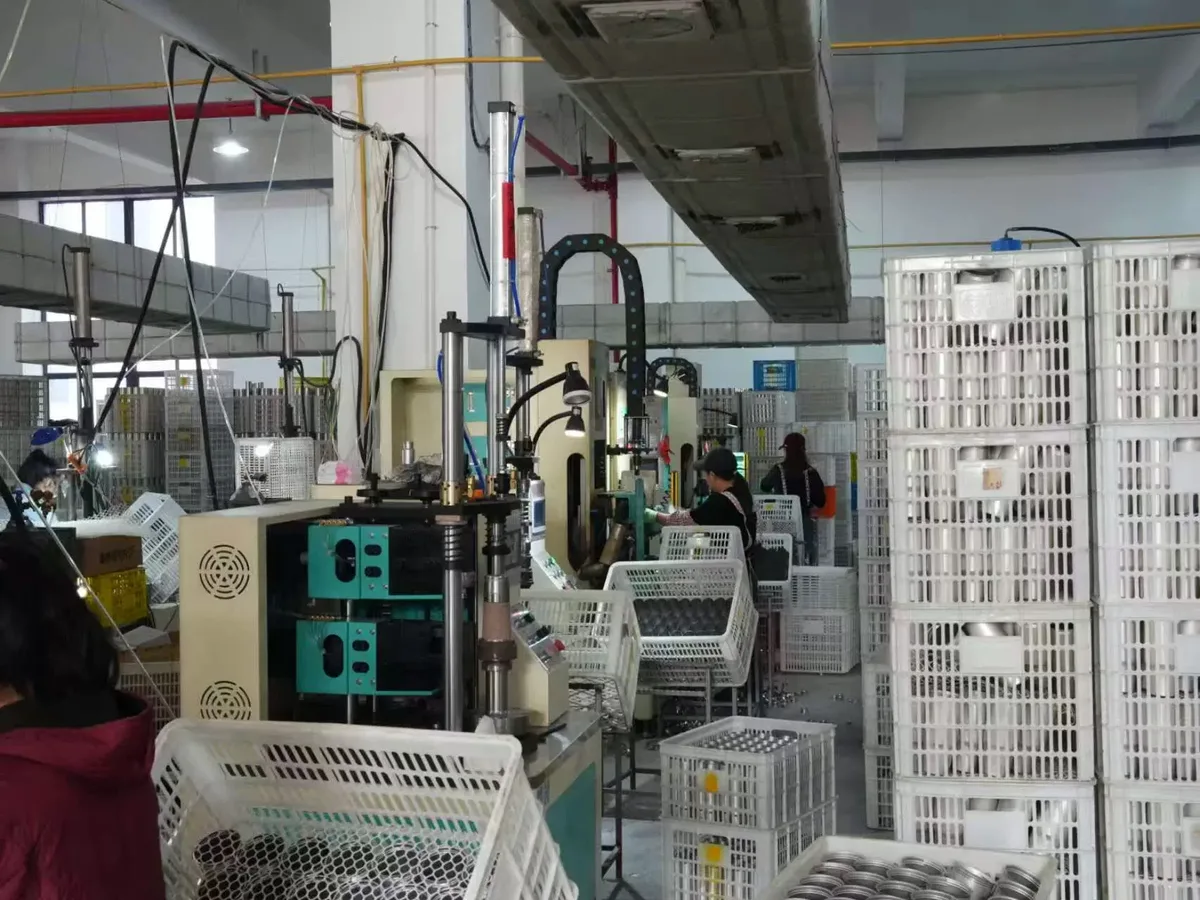
Insulated food jar FAQ
Short answers to the questions brands and retailers ask most about insulated food jars: how long they keep food hot, whether they leak, whether they can go in a microwave, which size to choose and how many to order. Each answer uses the product details set out in this guide.
How long does an insulated food jar keep food hot?
It depends on the starting temperature, the food, how full the jar is and the room temperature, so there is no single figure. BG Drinkware's standard check fills a vessel with 95°C water and measures the temperature after 6 hours, or follows the buyer's own method. Test the approved sample that way and use that result in your product claims.
Are insulated food jars leakproof?
BG Drinkware's food jars are leak-resistant when every part is fitted and fully closed, including the inner stopper and outer lid. Agree a leakage test on the sample, such as holding the closed jar on its side for a set time, and use the same check on the bulk order.
Can a stainless steel food jar go in the microwave?
No. Stainless steel should not go in a microwave. Heat the food in a microwave-safe dish, then transfer it to a jar that has been warmed with hot water for a few minutes first, so the food stays hot for longer. Put that tip on your care card.
What is the minimum order for custom food jars?
Most of BG Drinkware's insulated food jars start at 500 pieces per colour, and some at 500 pieces per colour per capacity. The 300 ml jar with fork starts at 1,000 pieces. A sample of an existing model takes up to 7 days, and bulk production takes 7–12 days after approval.
Planning a food jar range?
Send the capacity, quantity, model, colour, logo method, packaging, payment terms and trade terms for a quotation.