

A contrasting mark
Check the result against the selected body colour in normal viewing conditions and close-up.
LASER LOGO CUSTOMIZATION
Custom laser engraved tumblers create a contrasting logo without adding printed ink. The cup body and coating determine the visible mark, contrast and usable artwork area. Confirm the result on a physical sample before approving the batch.
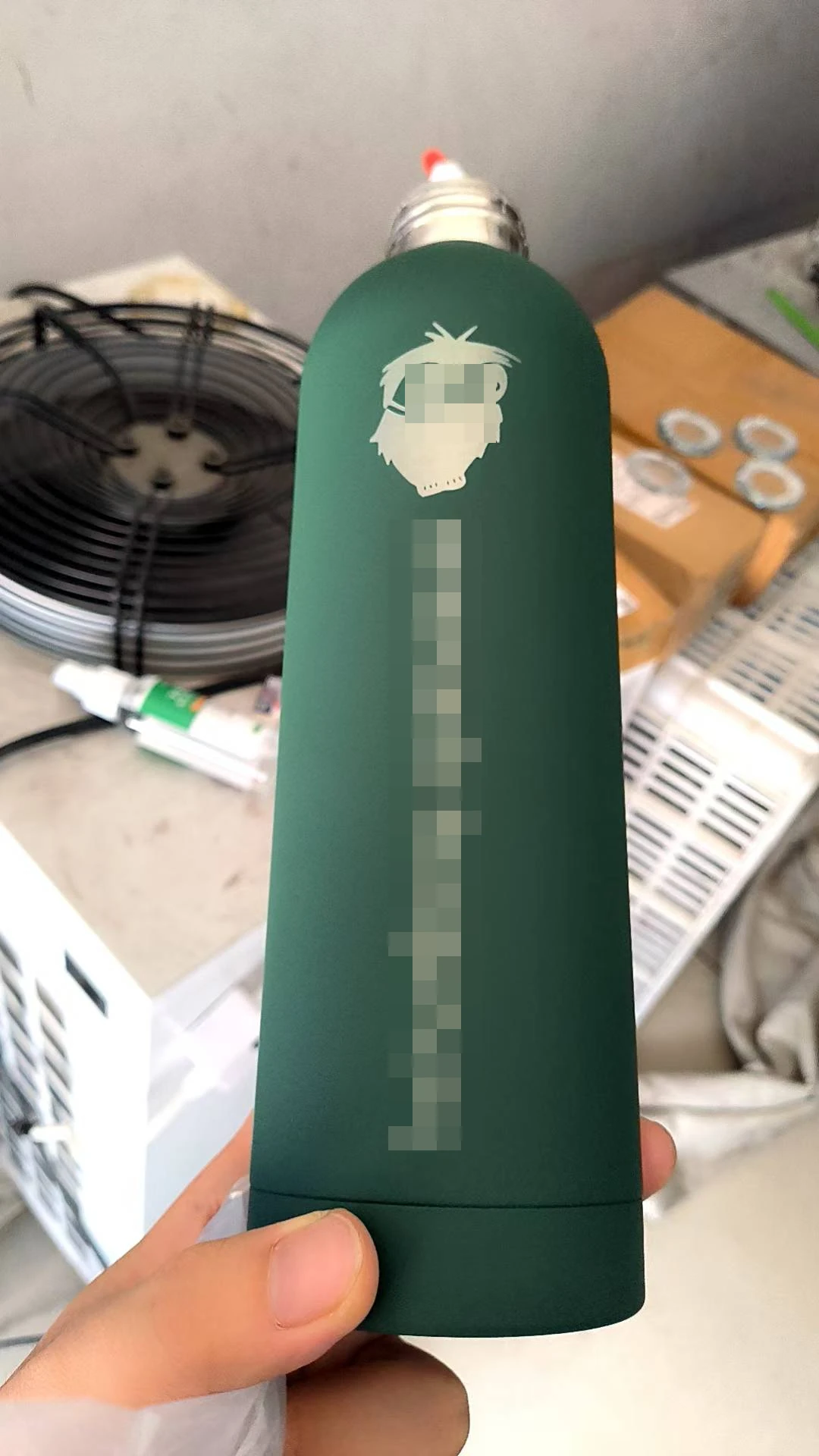
BG Drinkware coordinates artwork review, process selection and sampling for cup and bottle projects. Send the body, finish and logo to define a practical starting point.
START WITH THE FINISHED LOOK
Choose laser marking when a revealed, contrasting mark suits the brand. Use a printing route when the logo needs an exact colour or full-colour artwork. Decide with the actual finish, logo detail and handling requirements.
Before sampling, decide what is fixed: logo proportions, body colour or marking route. This keeps the review focused on the right result.
Check the result against the selected body colour in normal viewing conditions and close-up.
Verify that small letters, thin strokes and open spaces remain clear at the intended size.
Agree the expected feel on the sample; a photograph cannot confirm it.
WHAT CHANGES AT THE SURFACE
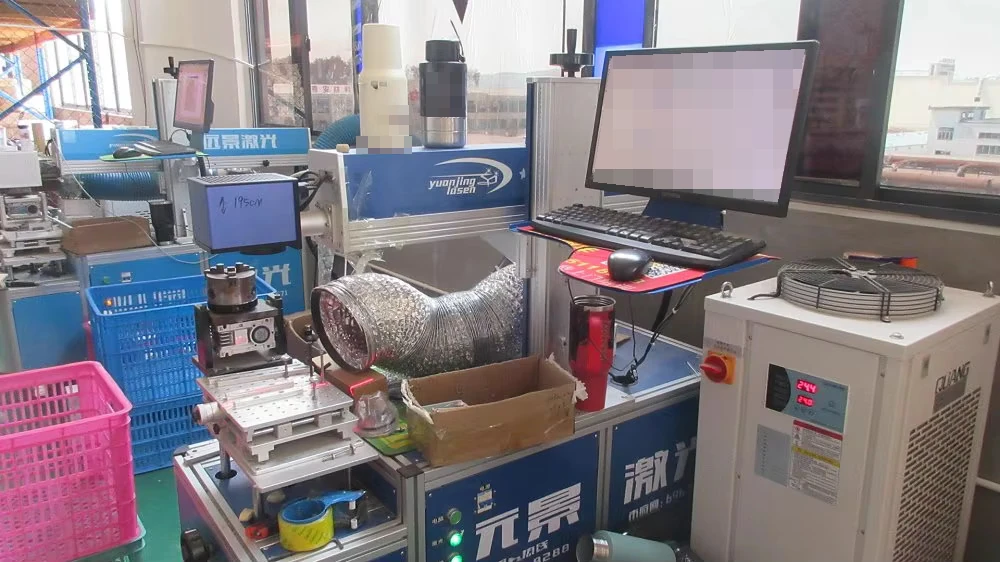
On suitable coated drinkware, laser marking can remove the coating and reveal the layer beneath. This is often sold as laser engraving, but coating removal is not necessarily a deep groove in the metal. Confirm the method on the selected finish.
Bare, coated and differently treated metals may need different laser routes. Approval on one finish does not transfer automatically to another; record the body material and coating with the logo result.
Material references: Trotec’s coated-bottle example (opens in a new tab) and Epilog’s compatibility guide (opens in a new tab). They explain general processes, not BG Drinkware equipment.
MAKE THE ARTWORK UNAMBIGUOUS
Define logo width, height, vessel face, orientation and a fixed positioning reference. A flat drawing records the intention; the physical sample confirms how the artwork reads on the curved body.
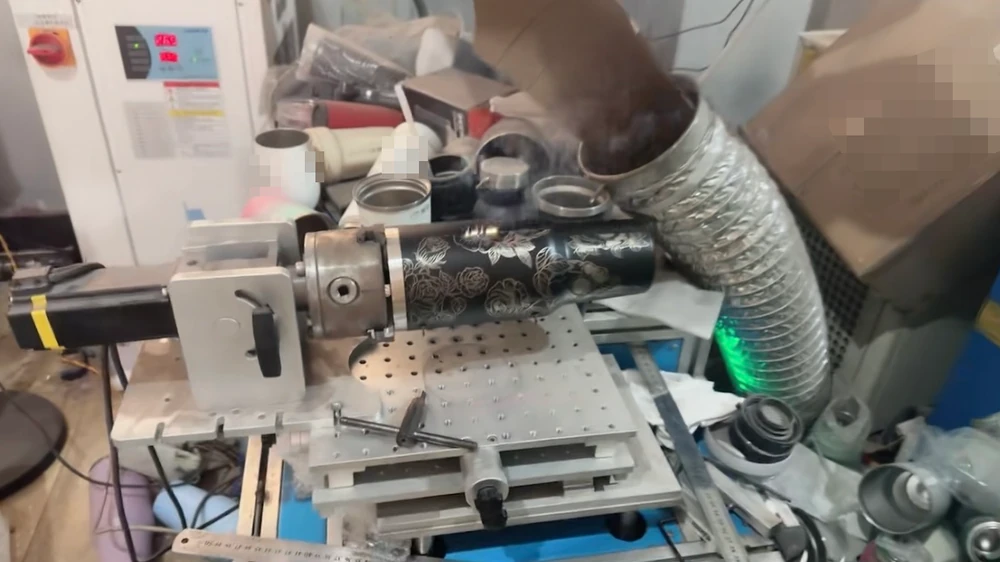
Send editable vector artwork when available and convert text to outlines. If only raster artwork exists, provide the best original and flag details that must remain. Approve any adjustment before sampling.
Measure from a fixed feature such as the rim. For handled cups, state how the logo faces the handle.
Label front, back, second logo and variable details. Use one revision name on the artwork and sample record.
Identify small type, close spacing and filled areas. Review them at the proposed size instead of assuming one universal minimum.
Still choosing the vessel? Start with the drinkware product range, then define the logo layout for that body.
WHEN ANOTHER ROUTE FITS BETTER
Laser engraving tumblers, UV printing and screen printing solve different logo needs. Compare them on the same body and finish, then review colour, edges, placement, surface feel and sample checks.
Choose a revealed laser mark when its contrast fits the collection. If added colour is essential, assess printing on the selected coating. When options are close, compare physical samples against the same written checks.
Scroll sideways to compare all columns
| Method | When to consider it | What to confirm on the sample |
|---|---|---|
| Laser marking | A contrasting mark formed by changing or removing the selected surface, without adding logo ink. | Revealed appearance, small details, placement and compatibility with the actual finish. |
| UV printing | Artwork requiring added colours or detailed printed graphics, subject to the body and finish. | Colour result, surface feel, adhesion and agreed cleaning or handling requirements. |
| Screen printing | Defined printed logo colours, with the proposed design and coverage reviewed for the vessel. | Colour matching, alignment between colours, print position and performance on the selected surface. |
Compare on the same body and finish. These are selection priorities, not guaranteed performance.
Explore all decoration and surface finishesAPPROVE MORE THAN A PHOTOGRAPH
For custom laser engraved tumblers, approval should identify the body, finish, artwork revision and acceptable result. Photos confirm spelling and general placement, not surface feel or agreed handling performance.
Review samples under consistent light. If a result differs from the brief, identify the revision, mark the area in a photo and name the issue: contrast, placement, edge definition or feel.
When the artwork, finish or method changes, repeat the affected checks and record the accepted revision before batch approval.
Plan the sample approval steps and define the checks for the complete drinkware product.
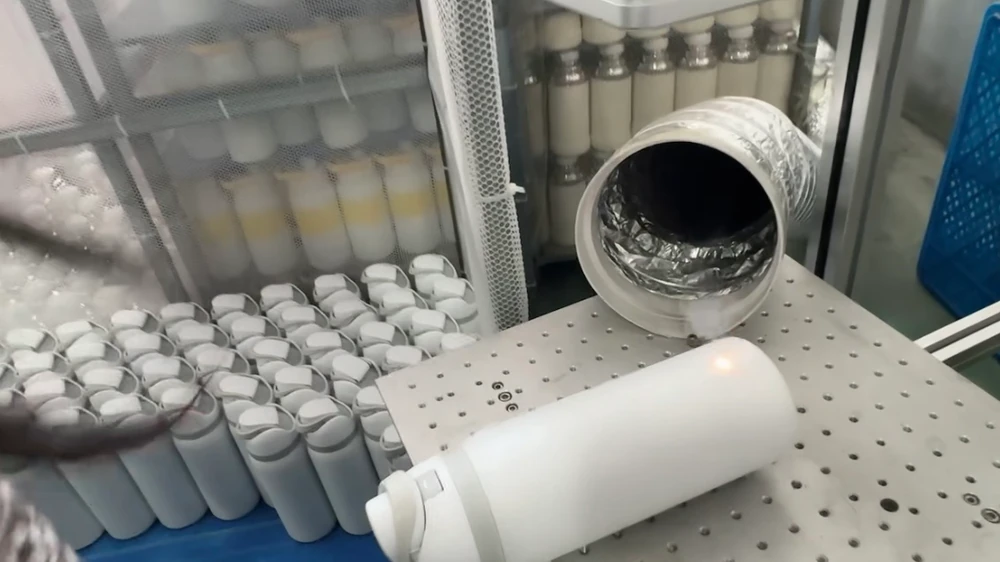
Check spelling, orientation, proportions, visible edges, unwanted marks and the agreed position.
State the intended conditions, then agree the check and acceptance criteria. Appearance alone is not a pass.
Record the sample, artwork revision and accepted changes, plus the photographs or notes kept with the order.
FROM ONE SAMPLE TO AN ORDER
Connect the approved sample to the ordered body, coating and artwork revision. For bulk engraved tumblers, split quantities by finish, design and individual marking; include packing needs.
The salesperson responsible for a BG Drinkware order coordinates artwork, process and sample follow-up. The customer approves the required appearance and sample; keep all changes with that order contact.
Before production, define what will be compared with the sample and what happens if it differs. For repeat orders, reconfirm the body, finish, artwork and available reference record.
Review the wider drinkware manufacturing process when planning decoration, assembly and packing together.
BEFORE YOU CONFIRM A DESIGN
Start with the actual product and finish. Then agree how the artwork, appearance and intended use will be checked.
Not through coating removal alone. It reveals the surface beneath instead of depositing a chosen ink colour. If an exact brand colour is essential, assess a printing option on the selected finish. Other materials require a separate marking review.
The artwork can be a starting point, but placement must be reviewed for each body. Laser engraved water bottles may have different shoulders, tapers and usable areas. Specify dimensions and orientation, then assess the physical sample.
There is no universal minimum across artwork, coatings and vessel shapes. Send the intended dimensions and original file, identify details that must remain readable, and approve any spacing or line-weight adjustment on the sample.
No. The marking method alone does not establish dishwasher suitability for the complete product. State the cleaning requirement and agree what must be checked across the body finish, lid and seals.
The body, finish, quantity, artwork coverage, design count, individual markings, packing and sample requirements can affect the quote. Compare custom engraved tumblers against the same specification and confirm what each price includes.
Photos can confirm spelling, general appearance and placement, but not surface feel or handling performance. Decide which approvals can be remote and which need a physical sample. Keep the approved artwork, sample reference and exceptions with the order.
PREPARE A QUOTE THAT CAN BE REVIEWED
Include the product, finish, artwork, marking size, position and quantity in the quotation request. Add destination, timing, packing and unresolved choices so the decoration is reviewed as part of the complete order.
MOQ, sampling and lead time depend on the body, coating, artwork coverage, design count and packing. Mark fixed requirements and acceptable alternatives.
Your order contact coordinates the review. Confirm any revised artwork and sample before production.
Fill in what you know, then copy it into your quote request. This box does not submit or store your details.
Not sure laser is the right fit? Compare the other customization options before preparing the sample.