


OEM & ODM · Global wholesale
From product idea to bulk-ready—your custom drinkware manufacturer.
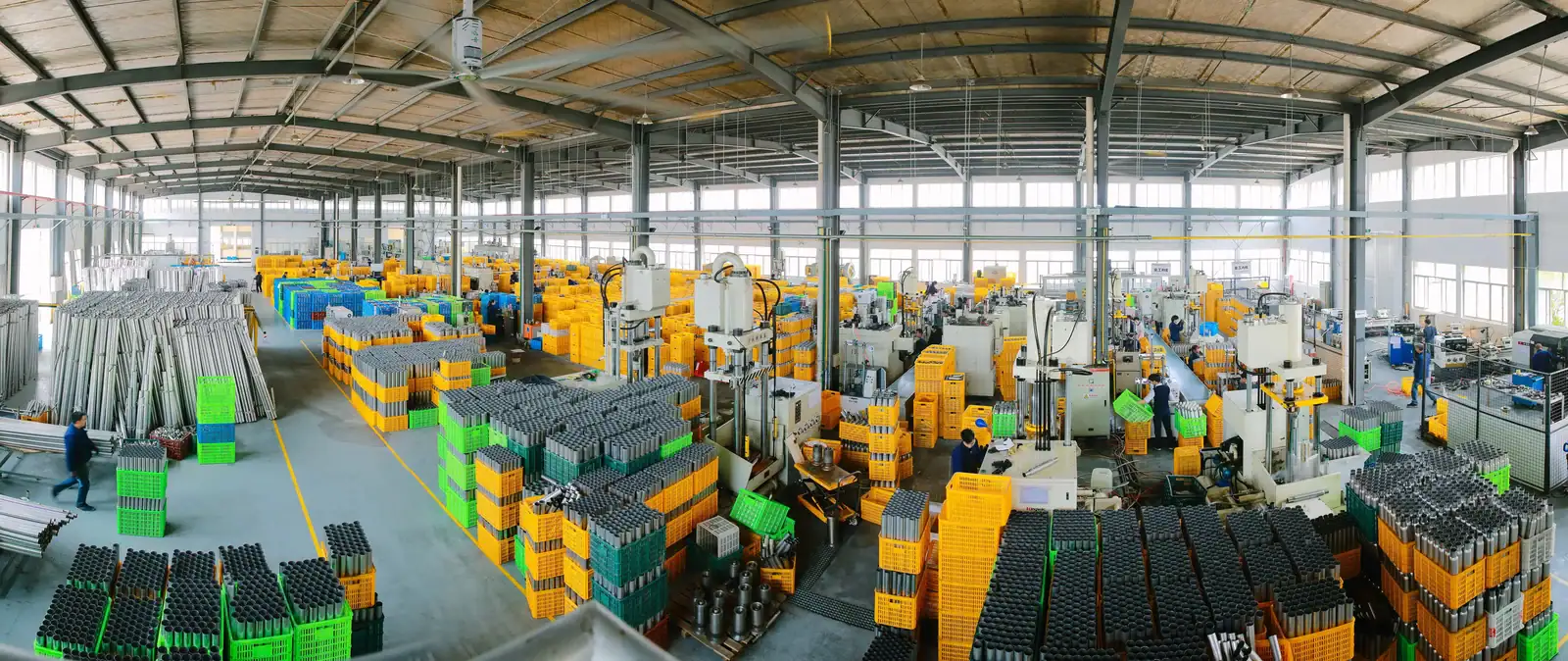
BG Drinkware manufactures custom stainless steel, titanium and plastic drinkware for brands, importers and wholesale teams. Support spans product selection, customization, inspection, packing and delivery planning.
OEM / ODM
Sample Development
Inspection Planning
10+Years
Manufacturing experience
20,000m2Facility
Production base
150+Staff
R&D, production and QC teams
3Material platforms
Stainless steel, titanium and plastic
Browse by product type
Drinkware ranges for different use cases.
Choose the functional family first. Then define the material, capacity, lid system, finish, branding and packaging for the final range.


Browse by material
Choose the material that fits the project.
Stainless steel, titanium and plastic serve different product positions. Material selection affects weight, insulation structure, finish options, component choices, pricing and available documents. Define it before finalizing decoration and packaging.

Stainless Steel Drinkware
Vacuum-insulated bottles, cups, jugs and food-container formats.
Explore stainless steel

Three ways to start
Choose the development approach that matches your starting point.
Start with an existing model, a coordinated private-label range or a differentiated product concept. The best fit depends on what is already fixed, what still needs sampling and how much development support your team expects.
Customize Existing Models
Select an established structure, then define finish, logo, lid, accessories and packaging around the intended market.
Discuss this optionPrivate Label Program
Build a coordinated range around your brand system, sales channel, packaging hierarchy and repeat-order plan.
Discuss this optionNew Product Development
Translate a differentiated concept into a reviewable product direction with project-based development and tooling support.
Discuss this optionOEM / ODM workflow
A clear path from inquiry to shipment.
Each handoff makes the next decision visible before production moves forward.
- 1
Inquiry
Product, quantity and target-market requirements.
- 2
Design & Quotation
Structure, customization scope and costing.
- 3
Sample Development
A physical direction for review and approval.
- 4
Production
Confirmed specifications move into managed production.
- 5
Inspection & Packing
Appearance, function and export packing checks.
- 6
Delivery
Shipment documents and destination requirements.
Build the range your way
Define each customization choice before sampling.
A useful customization brief connects the product body, capacity, lid, finish, artwork, accessories and packaging. Recording these choices before sampling keeps product, procurement and quality teams working from the same specification.
Shape & Capacity
Body profiles, volume ranges and functional structures.
Lids & Accessories
Straw, handle, carry and accessory configurations.
Colors & Finishes
Coating, polishing and market-ready finish systems.
Logo & Branding
Decoration methods matched to artwork and surface.
Packaging
Retail box, gift set, master carton and labeling support.
Private Mold
Project-based product development and tooling support.
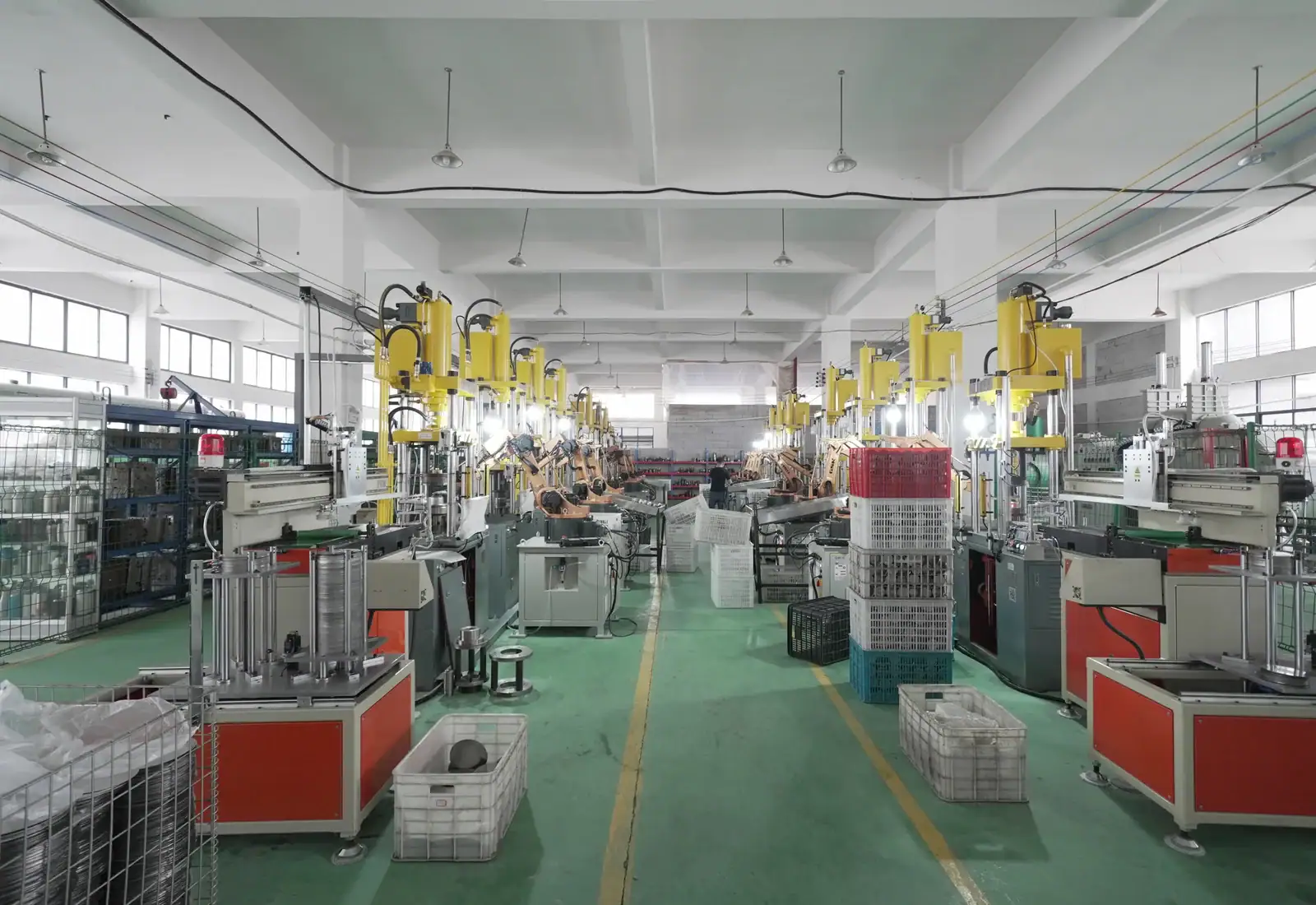
Production flowEach material follows a process checked against the confirmed product and specification.
Factory and quality
Manufacturing decisions need visible checkpoints.
BG Drinkware coordinates product development, production, inspection and export packing around each project's confirmed specification. Buyers should define the product, finish, function and packing points they want checked. Available records, photos and reports depend on the material, process and destination-market request.
- 01
Incoming material checks
Confirm the material choice and project-specific acceptance points.
- 02
In-process checks
Check the agreed appearance and assembly points during production.
- 03
Function and appearance checks
Compare available inspection records, product photos or reports with the confirmed specification.
- 04
Pre-shipment and packing checks
Confirm packing details, marks and requested shipment documents.
Documentation support
Organized around product, market and shipment.
Available documents depend on the product, material, destination market and current verification status. Confirm the required document list at the RFQ stage.
Commercial documents
Packing information
Market requirement check
Available test reports on request
Built around your buying model
Different channels. Different sourcing decisions.
Choose the option that best matches how your organization buys, launches and replenishes products.
Brands & Private Labels
Range consistency, controlled specifications and brand-ready packaging.
Plan the rangeImporters & Wholesalers
Assortment planning, documentation and repeat-order continuity.
Plan the assortmentE-commerce Sellers
Channel-aware differentiation, packaging and replenishment choices.
Plan the launchPromotional Gift Buyers
Logo methods, presentation, packing and project-timeline alignment.
Plan the campaignProject decision records
A useful project record shows what was confirmed and when.
Until verified customer case studies are available, these planning examples show what a sourcing team can document without making claims about customer results.
Decision example 01
Private-label range coordination
Record which models belong in the range, the confirmed finish and logo placement, the packaging hierarchy, the inspection points and the version information needed for future replenishment.
- Range architecture
- Artwork and finish approval
- Packing and repeat-order control
Decision example 02
Promotional gift program planning
Capture the product and quantity, artwork method, presentation packaging, destination, approval sequence and required delivery window before the project moves into production planning.
- Product and decoration method
- Gift presentation and labeling
- Approval and delivery milestones
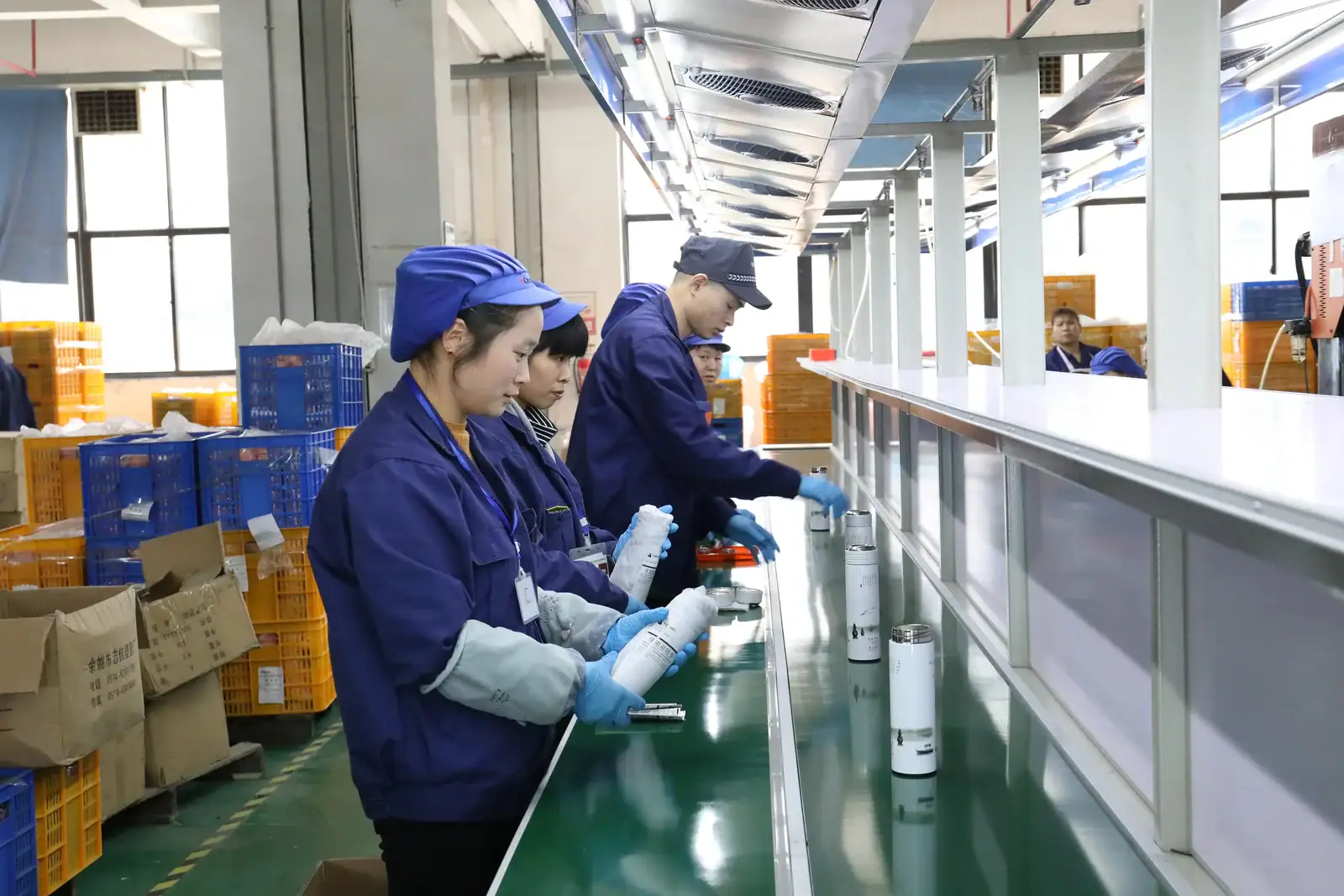
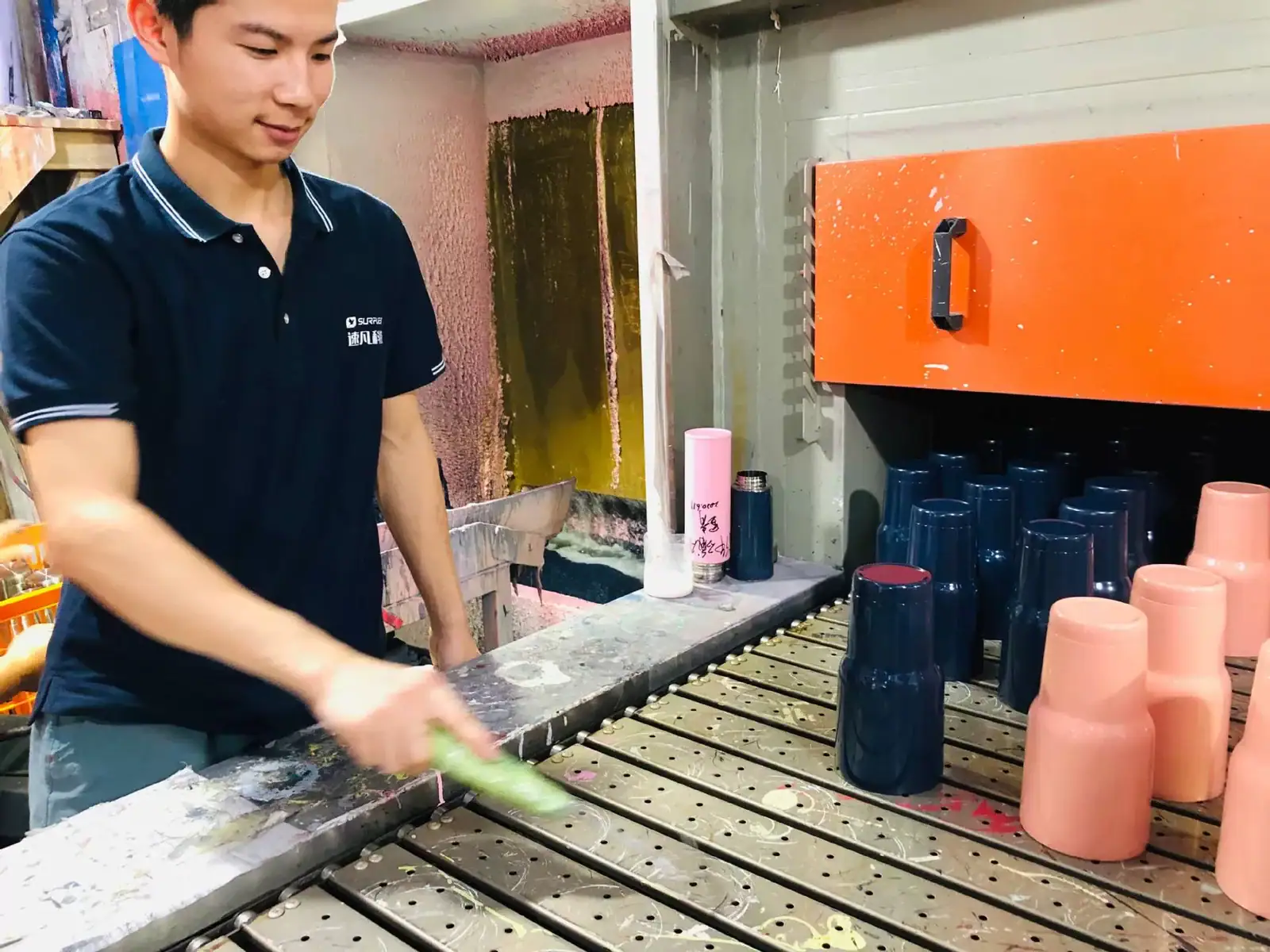
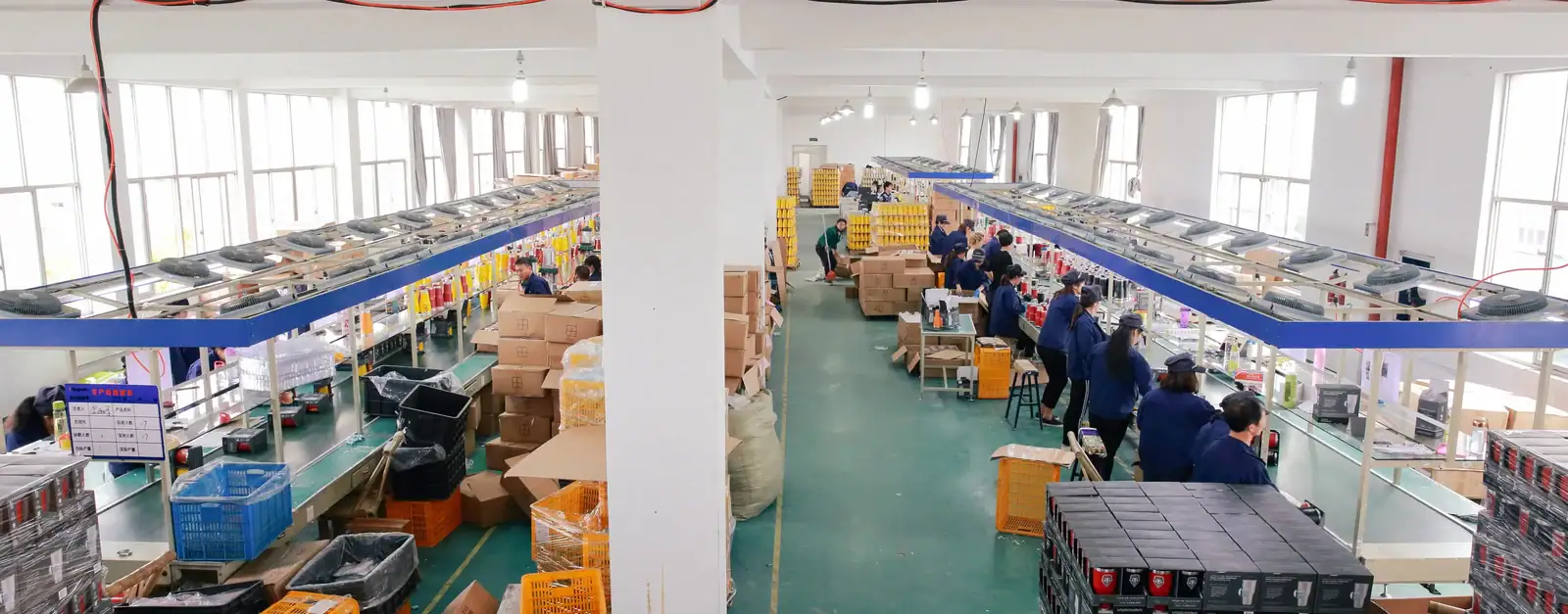
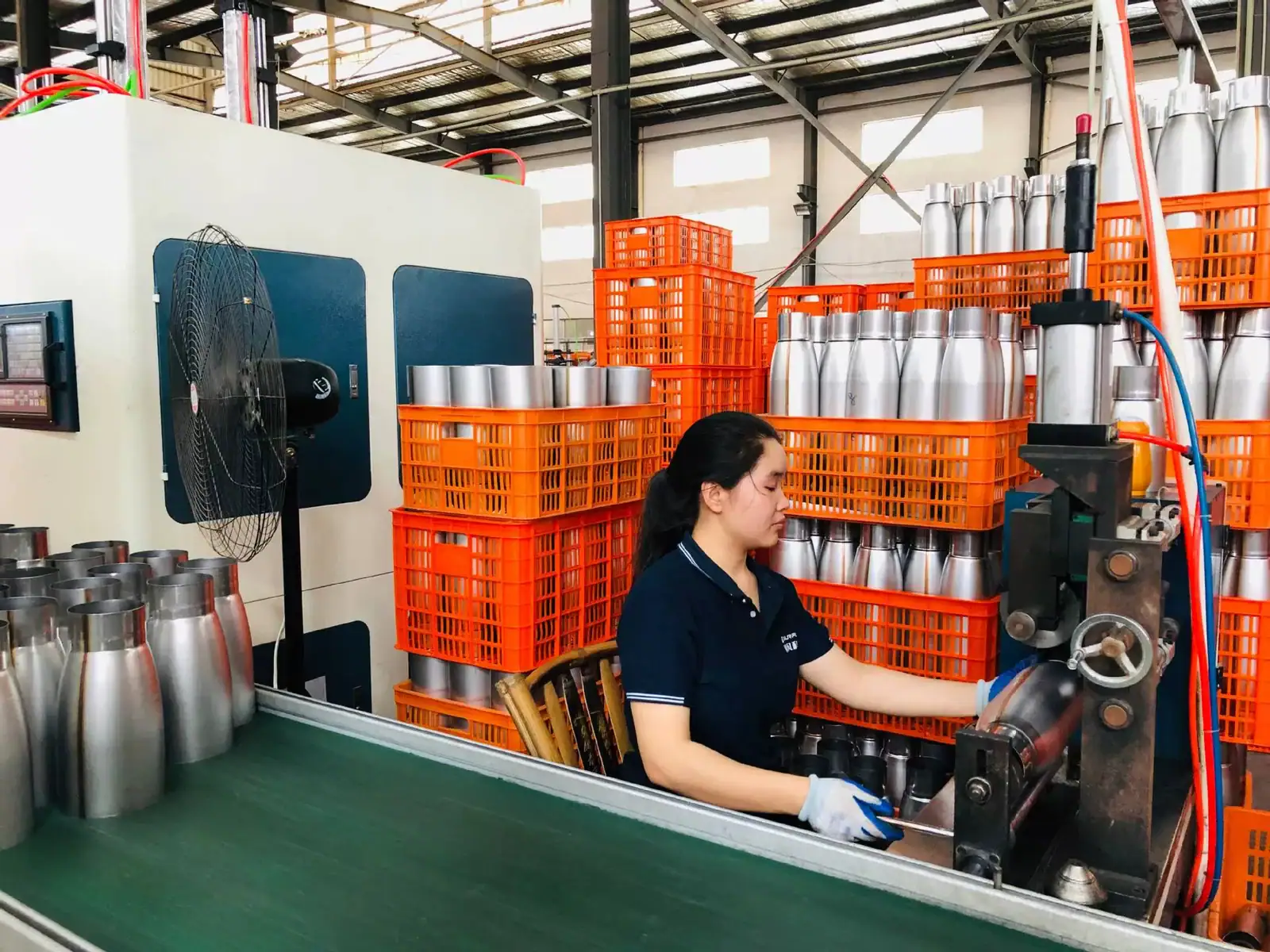
Inside the production flow
Finishing and packing, seen on the factory floor.
These factory photographs show two practical stages that buyers may want to align with artwork, color, labeling and packing requirements.
A practical first conversation
Your vision. A manufacturing path the team can assess.
- Product and material choice
- Customization and packing scope
- Destination and target timing
Buyer guidance
Answers for the decisions that slow a project down.
Use these prompts to prepare a clearer brief before sampling and quotation.
Frequently asked questions
Questions buyers often ask.
What determines the order quantity for a custom drinkware project?
Order quantity depends on the selected product structure, material, finish, decoration method, packaging and production setup. Share the target quantity early so the quotation can separate practical existing-model options from concepts that require additional development or tooling.
Can I request a sample before a bulk order?
Sample availability and timing are confirmed against the selected model and customization scope. A useful sample brief should identify the product, color or finish, logo method, lid or accessory choice, packaging expectations and the decisions your team needs the sample to validate.
How is production lead time confirmed?
Production timing should be confirmed only after specifications, quantity, customization, packaging, approval steps and destination requirements are defined. Changes to artwork, components or packing after approval can alter the schedule, so the final quotation should state the assumptions used for planning.
What customization options can be discussed?
Depending on the product route, a project may cover body shape and capacity, colors and finishes, logo methods, lids, handles, straws, accessories, retail or gift packaging and project-based tooling. The feasible combination is confirmed against the chosen material and model.
How should quality requirements be documented?
Agree the inspection points and acceptance criteria before production. The project brief should identify the product specification, visible finish expectations, function checks, packing requirements and any destination-market documents the buyer expects to receive, subject to current availability and verification status.