How Many Water Bottles Should I Drink a Day? Bottle-by-Bottle Answer
The official daily water figures are given in litres, and most people drink from a bottle. This guide turns those figures into bottles of the size you actually carry, with a calculator and a table.
About 80% of the 2.7 L and 3.7 L total-water averages from the National Academies, rounded.
As a rough conversion of population averages, daily beverages amount to about 4 to 6 standard 500 ml (16.9 oz) water bottles: about 4 to 5 for an average woman and about 6 for an average man. The figures come from the National Academies' adequate intakes for total water, about 2.7 litres a day for women and 3.7 litres for men, of which roughly 80% typically comes from drinking water and other beverages and the rest from food. For women, 80% of 2.7 litres is about 2.16 litres from drinks, or 4.3 bottles of 500 ml. These are average intakes of healthy people, not personal targets: the National Academies panel found that most people meet their needs by letting thirst guide them, and very active people and people in hot climates may need more. In BG Drinkware's bottle-by-bottle conversion, a 40 oz tumbler holds about 1.18 litres, so the same drinks total is about 2 tumblers for an average woman.
Where does the daily water amount come from?
The daily water amount comes from the National Academies' reference intakes for water, which describe average intakes of healthy people. They are not a target everyone must hit.
Average total daily water for women and men who appear adequately hydrated (91 and 125 oz).
Share of total water that comes from drinking water and beverages. The rest comes from food.
Total fluid a day for women and for men, from all sources.
Eight glasses a day is an easy, reasonable goal. Some people need less and others more.
The National Academies panel didn't set a number of glasses. It found that most people meet their needs by letting thirst guide them, and that very active people and people in hot climates may need more. The bottle counts below simply translate those averages into bottles.
How many bottles is that for your bottle size?
Divide the drinks part of the reference amount by your bottle's capacity. The calculator does the arithmetic, using sizes from BG Drinkware's own range.
Bottle refill calculator
The population references use an estimated 80% beverage share. A custom amount means beverages only. This calculator converts volume; it does not determine how much you should drink.
bottles a day: 2.16 L from drinks ÷ 500 ml
This is general information based on population averages, not personal medical advice.
| Bottle size | Women · 2.2 L | Men · 3.0 L |
|---|---|---|
| 350 ml (11.8 oz) | 6.2 | 8.5 |
| 500 ml (16.9 oz) | 4.3 | 5.9 |
| 20 oz (591 ml) | 3.7 | 5.0 |
| 600 ml (20.3 oz) | 3.6 | 4.9 |
| 750 ml (25.4 oz) | 2.9 | 3.9 |
| 30 oz (887 ml) | 2.4 | 3.3 |
| 1 litre (33.8 oz) | 2.2 | 3.0 |
| 40 oz (1,183 ml) | 1.8 | 2.5 |
2.16 L and 2.96 L are 80% of 2.7 L and 3.7 L. Each figure is that amount divided by the bottle's capacity, rounded to one decimal place.
For a closer look at one popular size, see 32 oz water bottles.
When do you need more water than that?
When you lose more fluid than usual: through sweat, heat or illness, and during pregnancy or breastfeeding.
Exercise
Drink extra to replace what you sweat out, before, during and after a workout.
Heat & altitude
Hot or humid weather makes you sweat more, and high altitude can raise the risk of dehydration.
Illness
Vomiting, fever and diarrhoea all cause fluid loss.
Pregnancy
You may need more fluid while pregnant or breastfeeding.
If you have a health condition, or a doctor has told you to limit or increase fluids, follow their advice rather than these averages.
How do you know if you're drinking enough water?
According to Mayo Clinic, you are probably drinking enough if you rarely feel thirsty and your urine is colourless or light yellow.
Colourless or light yellow: a sign of enough fluid.
Thirst: drink when you feel thirsty. It is the guide the National Academies panel pointed to.
Which bottle size makes your daily water easiest to track?
Pick a size you will actually carry, then count refills. A larger bottle means fewer refills, and a smaller one is lighter and fits more bags and cup holders.
Counting refills is simpler than counting glasses. If you're choosing sizes for a range, our guide to choosing water bottle sizes for your product line covers the trade-offs between capacity, height and weight. For the biggest tumblers, see 40 oz in litres and cups.
A volume comparison for all beverages, including the first fill.
A rough volume comparison, not a personal daily target.
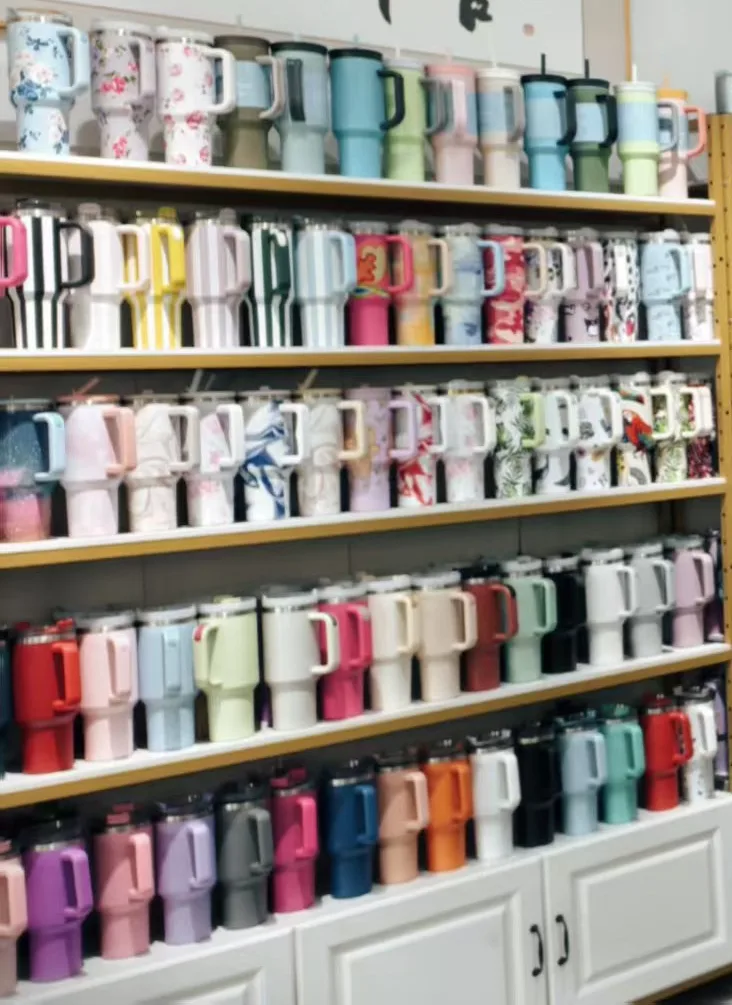
Planning a branded run?
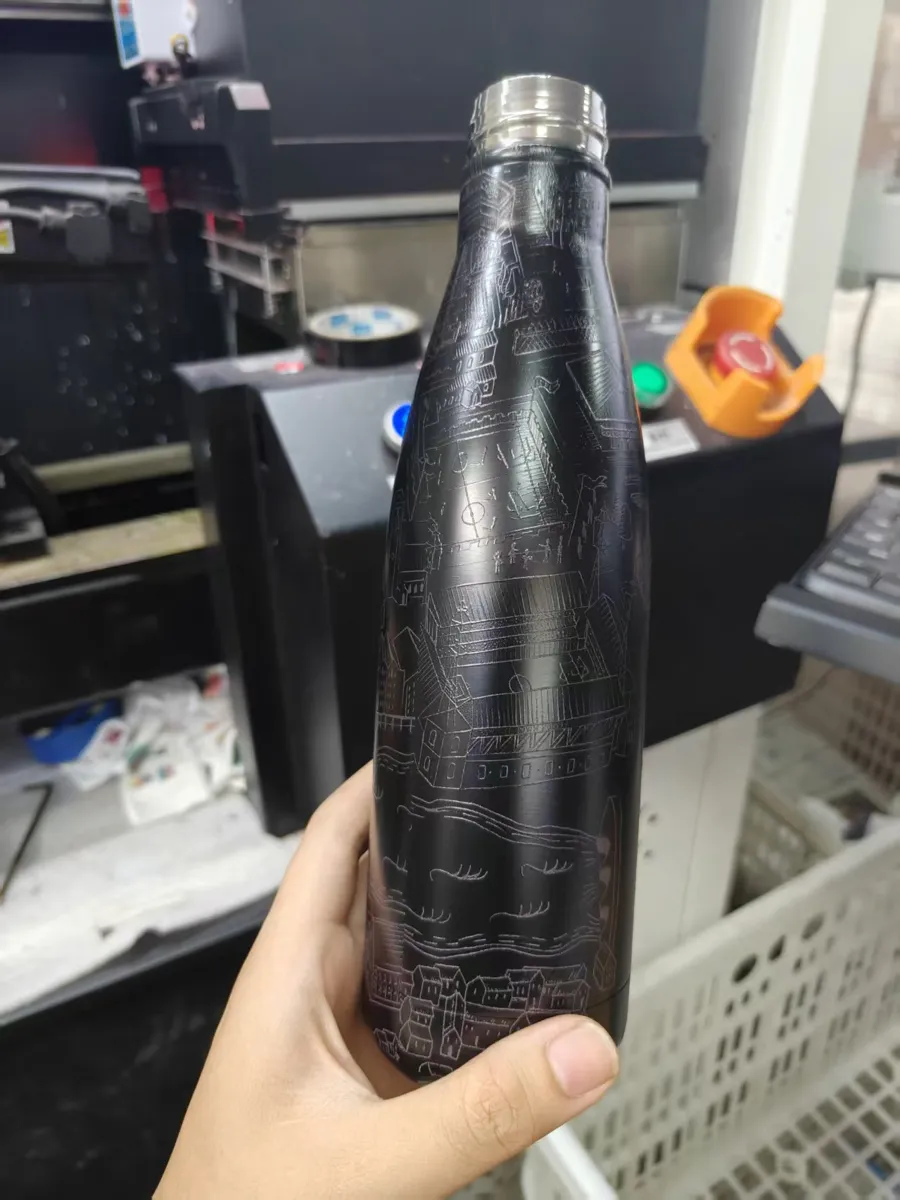
Planning large-capacity bottles for a wellness programme or a retail line? See custom water bottles; capacities across the range run from 120 to 4,000 ml. The standard minimum order is 500 pieces, negotiable.
Daily water and bottle size FAQ
How many 16.9 oz water bottles should I drink a day?
A population-average conversion is about 4 to 5 bottles for women and about 6 for men, counting all beverages rather than plain water alone. It comes from roughly 80% of the National Academies' 2.7 and 3.7 litre adequate intakes for total water. It is not an individual prescription; needs vary with health, heat and activity.
Is 4 bottles of water a day enough?
Four 500 ml bottles is 2 litres, close to the average woman's intake from drinks, about 2.2 litres. Many men drink more. Thirst and pale urine are better day-to-day guides than a fixed count.
How many 40 oz tumblers of water a day?
About 2 for an average woman and 2 to 3 for an average man, counting drinks only. A 40 oz tumbler holds about 1.18 litres.
Does coffee or tea count toward daily water?
The National Academies figures cover drinking water and other beverages together, which supply about 80% of total water. Food supplies the rest.
Is the 8 glasses a day rule right?
Mayo Clinic calls it an easy, reasonable goal. Some people need less and others need more, depending on activity, climate and health.
For a product range, compare our tumbler options and review how samples are checked through quality control. See more selection topics in Buyer Guides.
Sources
- National Academies: Report sets dietary intake levels for water, salt and potassium (2004)
- Mayo Clinic: Water, how much should you drink every day?
This article is general information, not medical advice.
Choosing bottle sizes for a hydration range?
Tell us who the bottles are for and how they will be used. BG Drinkware will suggest capacities and lids from our range.