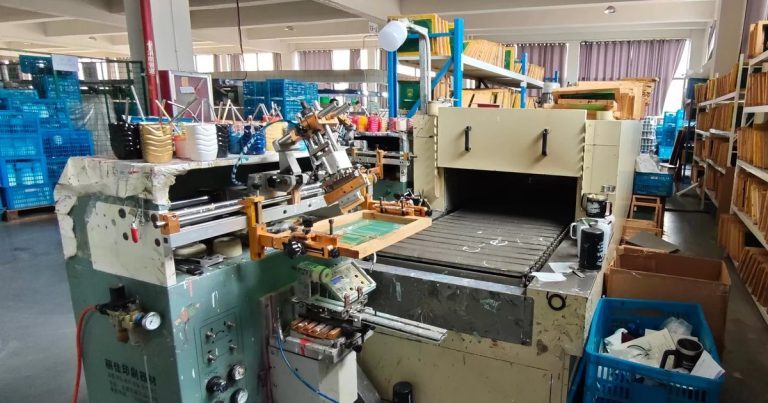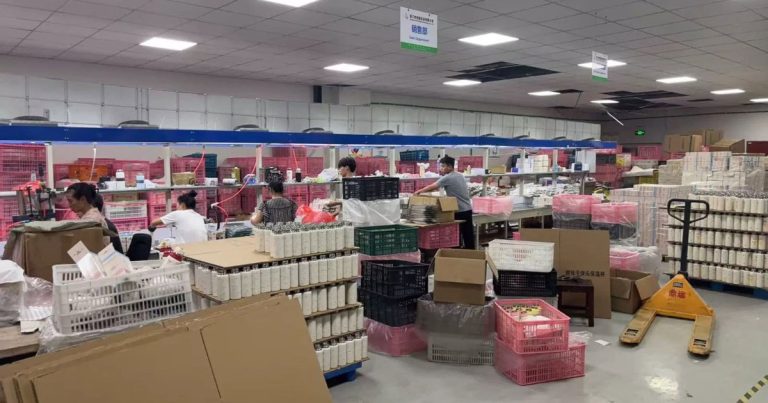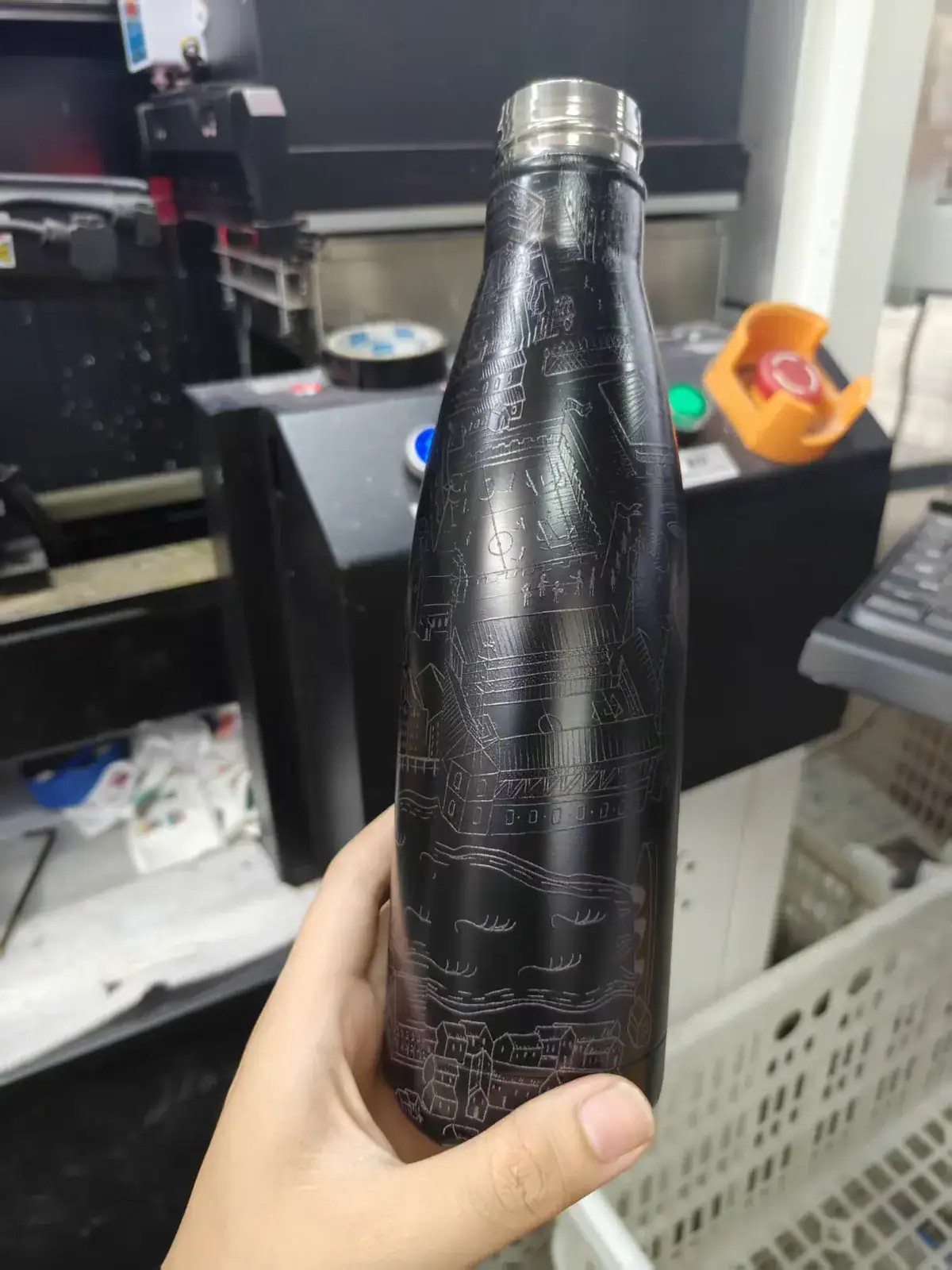
Reference product sample
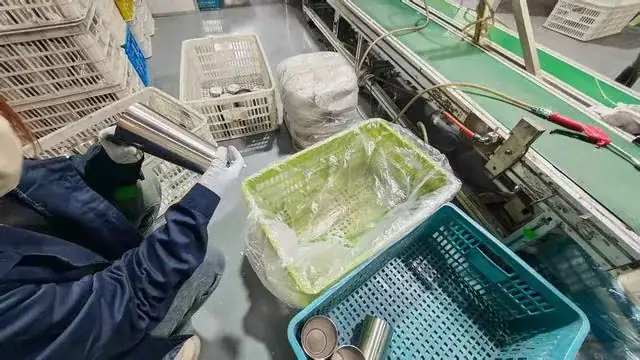
For custom stainless steel tumblers, an existing sample helps buyers assess size, grip, lid operation and finish. Its decoration may differ from the planned design.
Sampling before production
Custom drinkware sampling checks product fit, decoration and packaging before bulk production. BG Drinkware works with four sample types on this page—reference product, decoration and colour, packaging, and prototype or pre-production—so buyers define the type, review criteria and written approval scope first. Request a sample plan, review decoration options, or open inspection approach.
| Sample type | What it checks | Buyer note |
|---|---|---|
| Reference product sample | Size, grip, lid operation and finish on an existing model | Decoration may differ from the planned design |
| Decoration and colour sample | Artwork size, position, print clarity and coating finish | Compare against agreed colour and artwork references |
| Packaging sample | Box structure, inserts, labels and presentation with the product | A mockup confirms fit; it does not replace agreed production packing |
| Prototype or pre-production sample | Structure, fit, function; closer match to intended production methods | Record differences from bulk; new structures go through development |
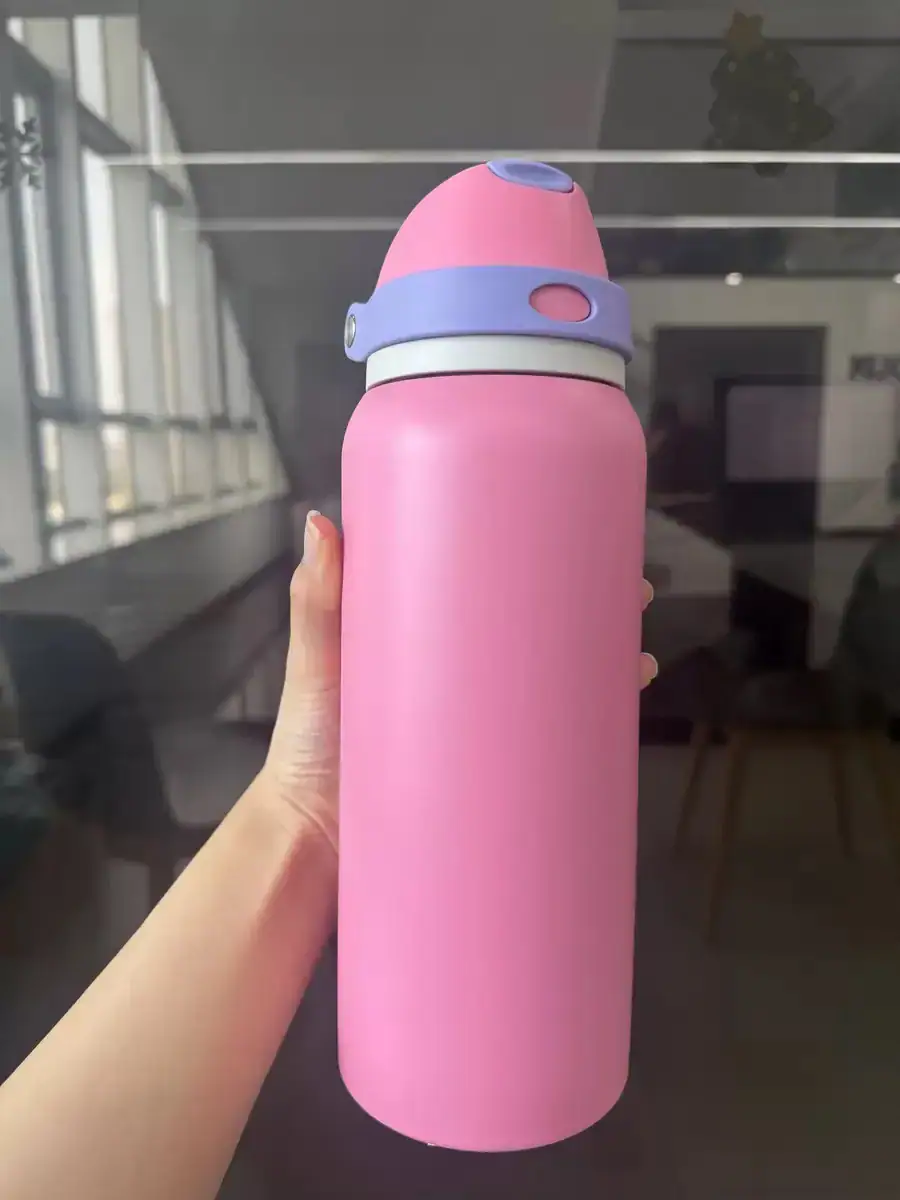
Custom drinkware sampling makes one or more pieces to confirm the model, colour, finish, logo and packaging before bulk production. BG Drinkware, a drinkware manufacturer in Yongkang, China, makes a sample of an existing model in up to 7 days. Samples are charged, including decorated samples, and a blank sample's charge is credited against the bulk order. New designs need development time before the first sample. Send final artwork in PDF or AI format, a colour reference, the exact model and lid, and any packaging that should be included, so the first sample can be approved without a second round. The approved sample becomes the golden sample: the reference for colour, finish, logo and fit on bulk and on reorders. After approval and the 30% deposit, bulk production takes 7–12 days. Logo placement and size are confirmed on the sample.
Custom drinkware sampling is the preparation and review of physical product, decoration or packaging samples before bulk production. It helps buyers confirm lid fit, coating texture, print quality and other details a digital mockup cannot establish. The outcome is a named sample version and a written record of accepted requirements.
For BG Drinkware bottle and tumbler projects, choose the sample type around the details that remain uncertain. Resolve changes that affect production before release, then carry the sample version, accepted features and agreed deviations into the order specification and quality control.
Start with the uncertainty that must be resolved. One project can require more than one sample type.
For custom stainless steel tumblers, an existing sample helps buyers assess size, grip, lid operation and finish. Its decoration may differ from the planned design.
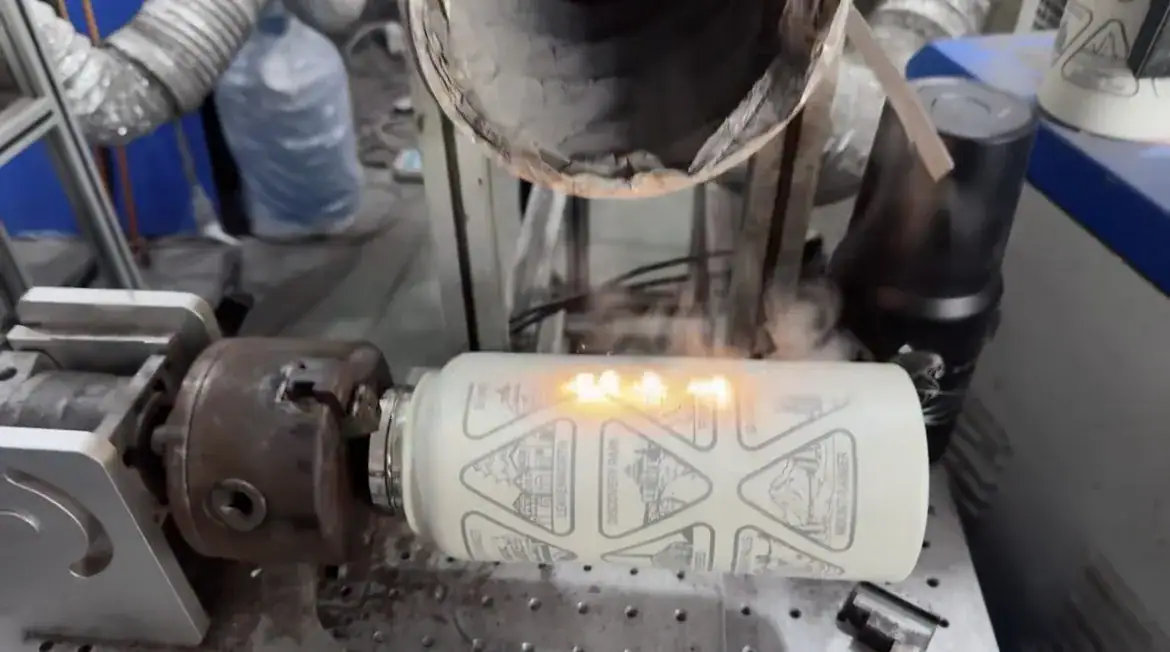
For custom tumblers with a logo, check artwork size, position, print clarity and coating finish against agreed references. For bottle projects, explore water bottle customization options before selecting a sample.
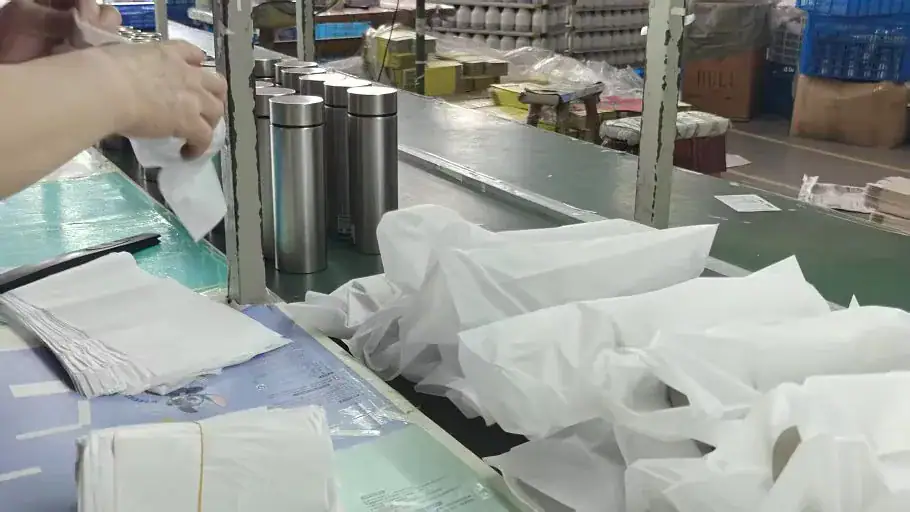
Check the box structure, inserts, labels, protective materials and presentation with the intended product. A packaging mockup confirms fit and layout; it does not replace any agreed transport testing.
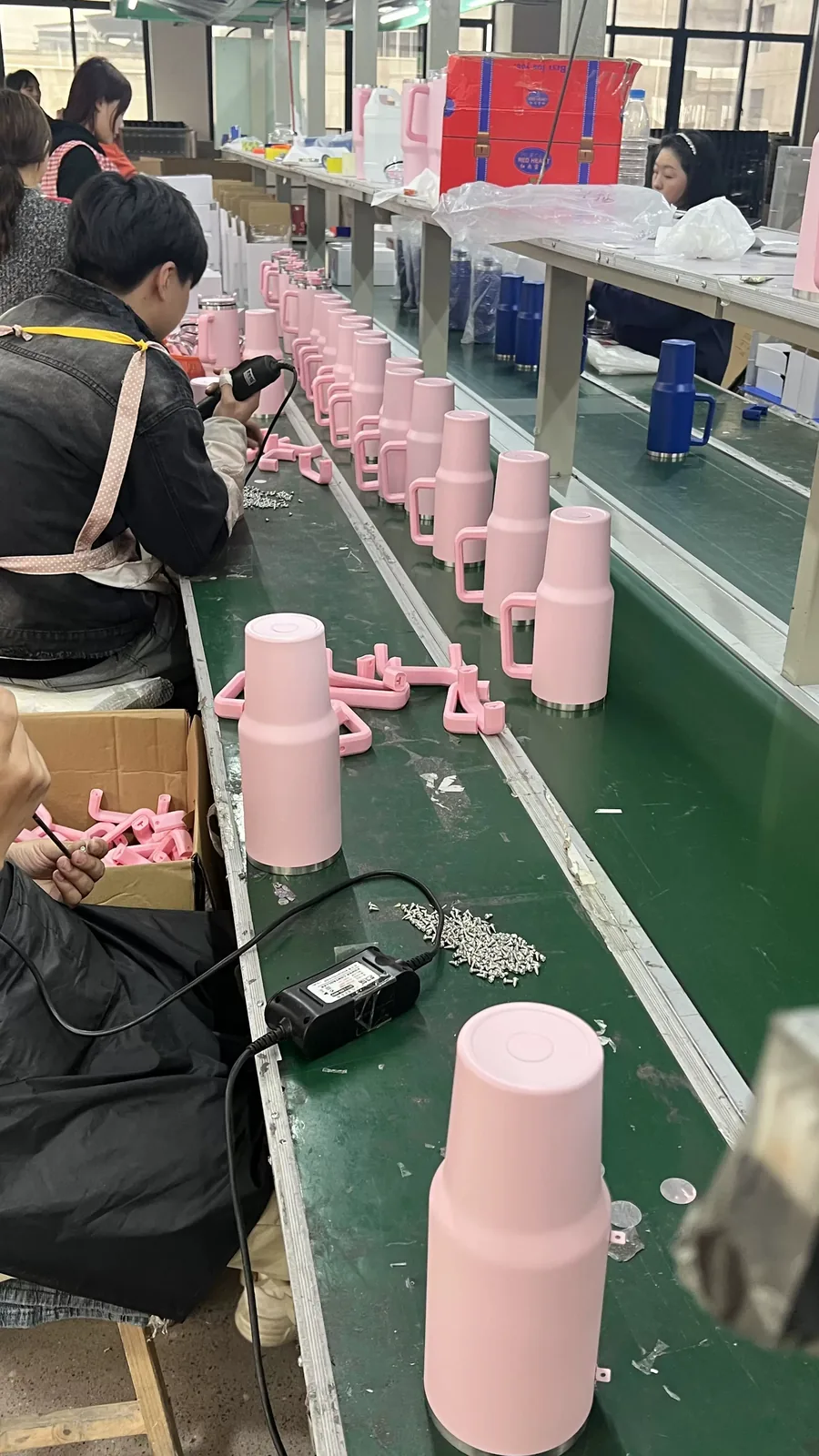
A prototype explores structure, fit or function. A pre-production sample represents the intended production methods and materials more closely. Record any differences from bulk production; plan new structures through custom drinkware development.
Define the requirements, build a sample, review it, revise open points, record approval and release the agreed specification to production. Select a stage for details.
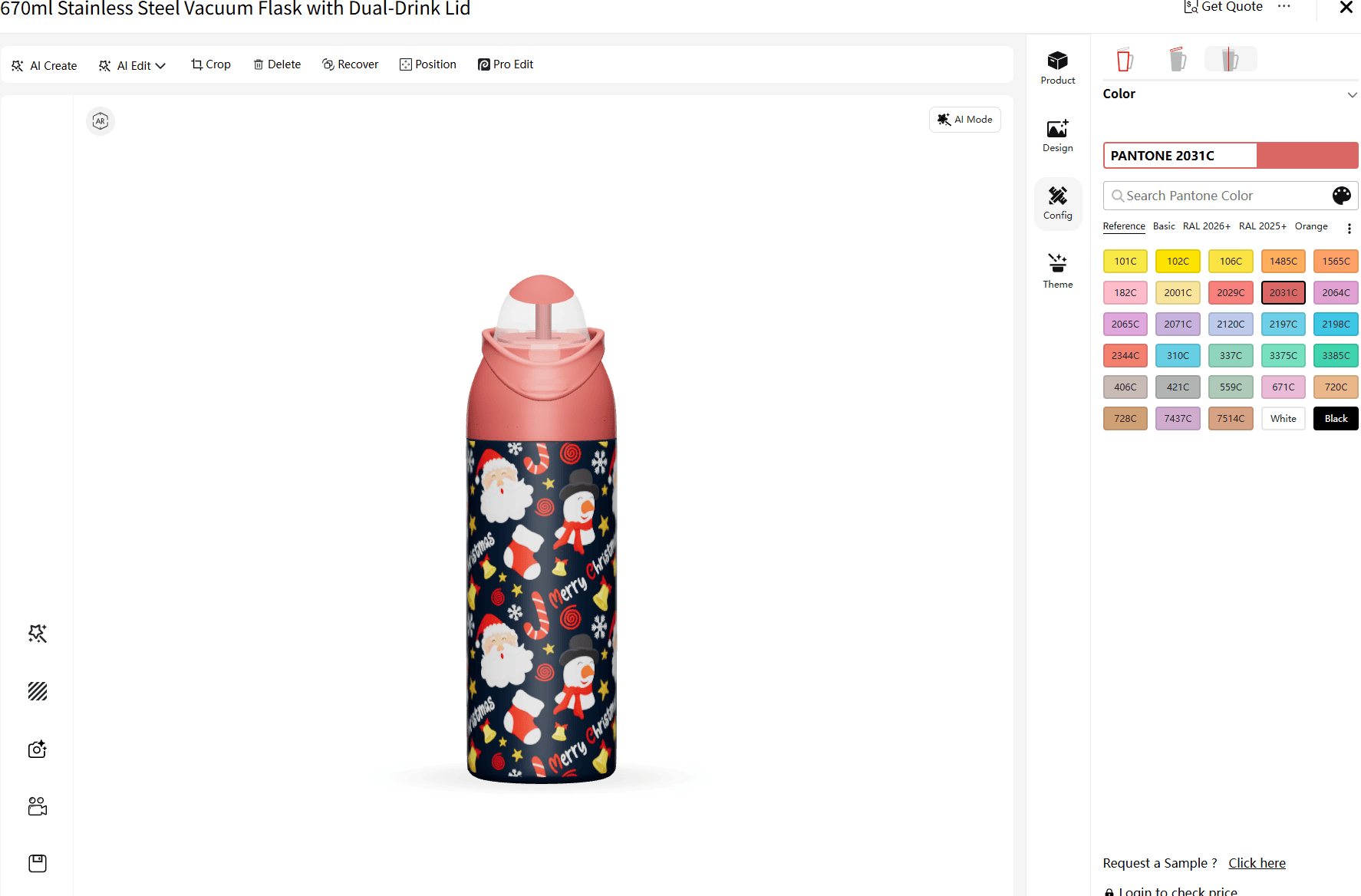
Start with the base product, intended use, colour reference and artwork location. Mark choices that are fixed and those needing a recommendation. Agree which physical features the sample must confirm and which tests or documents need a separate review.
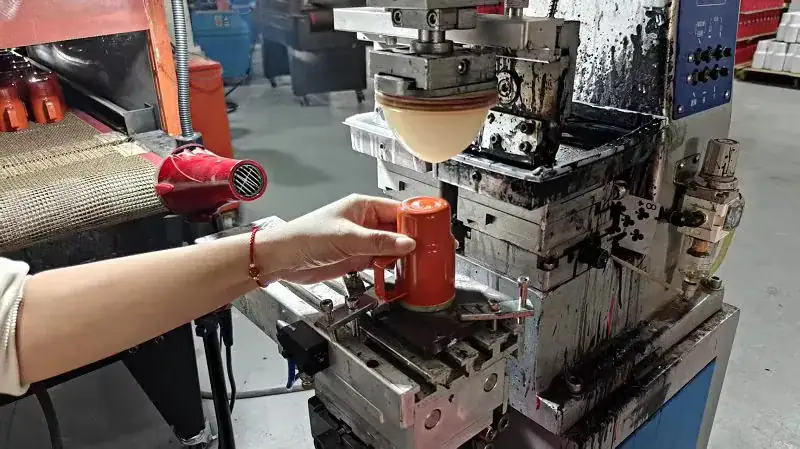
Prepare the sample using the agreed components, artwork files and decoration method. Give it a version identifier. Record any substitute material, component or process so the buyer knows which features represent the planned production route and which still need confirmation.
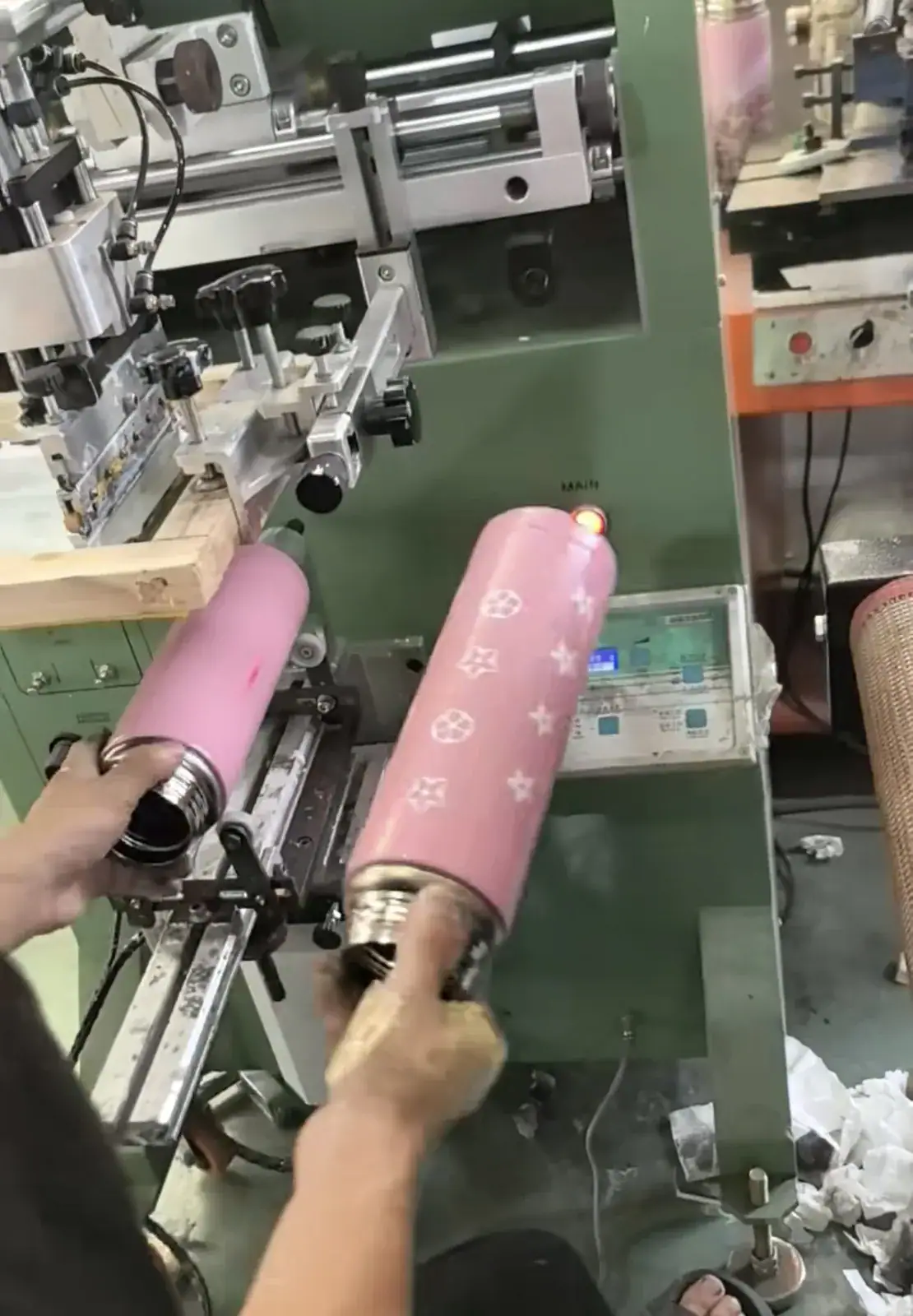
Compare colour, print quality and finish with the agreed references under suitable lighting. Check relevant functions, such as lid operation and sealing, on the physical sample. Photograph details that need clarification.

For a logo-position change, specify the distance from a fixed point, such as the bottle base, rather than asking to move it slightly. Identify the version being revised, consolidate comments and list the features that must stay unchanged.

Approve a named sample version with a written scope, dated photographs and accepted deviations. Identify anything outside that scope, including tests still required. Resolve issues that affect the planned production before release; a signed label alone is not a complete approval record.

Use the approved sample and current specification as production references. Before bulk work begins, check that artwork, components, packaging files and accepted deviations match the order record. If a requirement changes after approval, record the change and agree whether another sample is needed.
Review the sample against the intended use and written order requirements. Do not approve from photographs alone when physical details matter.
Capacity, dimensions, handling, lid fit, seals, threads, accessories and assembly.
Coating coverage, gloss or texture, visible marks, edges and touch points.
Compare physical references under agreed lighting. Screen colour is not a final production standard.
Logo position, scale, orientation, line clarity, registration and the limits of the chosen process.
Open, close, pour, carry and clean the sample in ways relevant to its intended use.
Product fit, inserts, protective materials, barcode position, carton information and presentation.
Sample code, date, photographs, revision notes, approved files and documented deviations.
| Item | Why it matters |
|---|---|
| Exact model, capacity and lid | The sample must match what will be produced |
| Final artwork (PDF or AI) | Changes after sampling mean another round |
| Colour reference | A Pantone number or a physical sample |
| Logo method and position | Different methods look different on the same finish |
| Packaging | Include it if the box is part of approval |
To quote, send the capacity, quantity, model, colour, logo method, packaging, payment terms and trade terms. BG Drinkware is a drinkware manufacturer in Yongkang, China.
Sampling time and cost depend on the base product, tooling, decoration, packaging and revision scope. A sample of an existing model takes up to 7 days at BG Drinkware; bulk production takes 7–12 days after the sample is approved. Send BG Drinkware the planned changes, available files and delivery destination. Request separate sample, tooling and courier charges, preparation and transit estimates, and the terms for revisions or any sample-fee credit before proceeding.
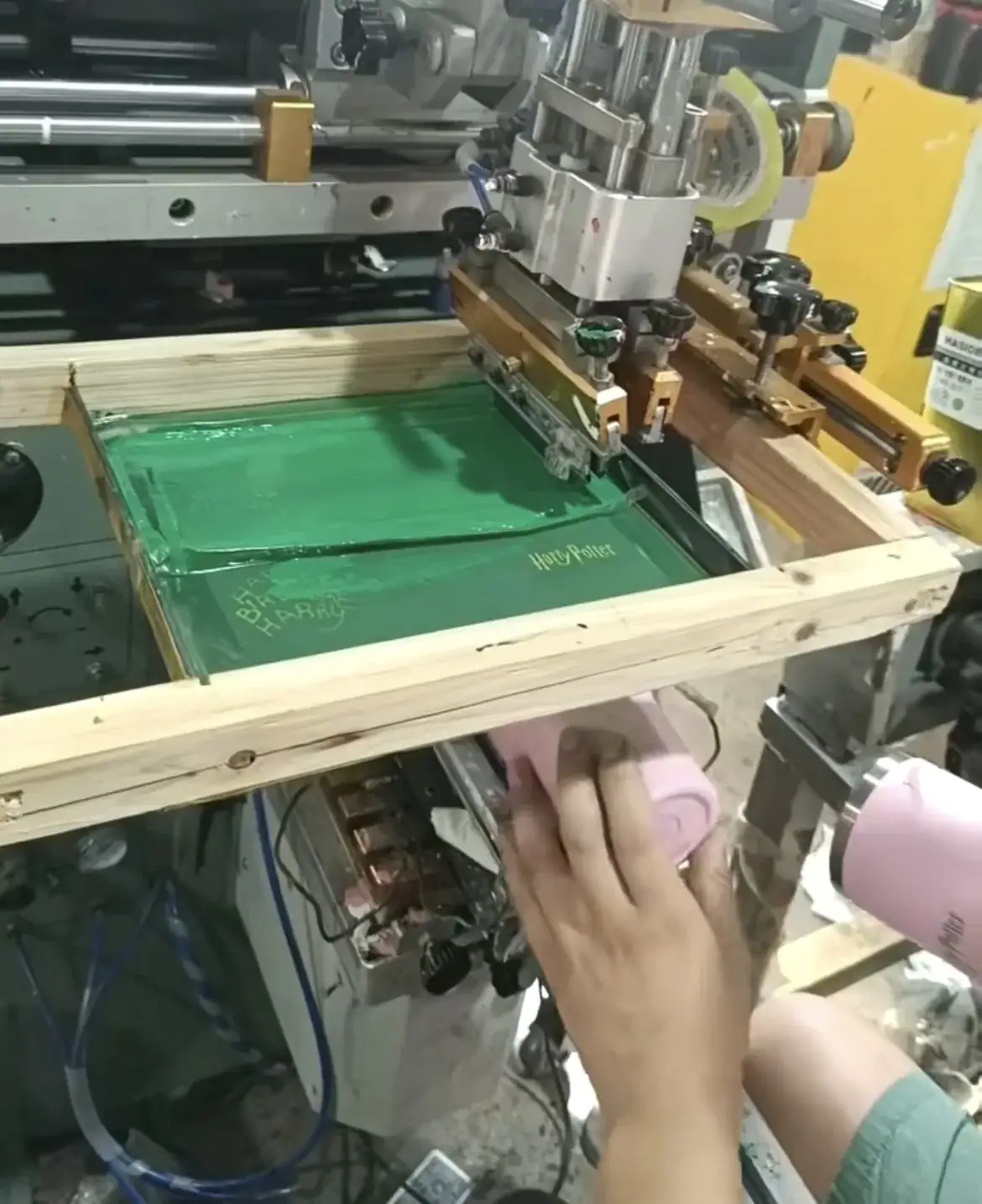
Sampling lead times differ for existing components and newly developed structures.
New parts, moulds, fit checks and assembly trials require additional development and review steps.
Coverage, surface shape, artwork detail and process choice affect preparation.
Physical references, substrate and coating process influence review rounds.
Custom boxes, inserts, labels and protective tests require their own files and approval.
There is no fixed number of review rounds. Consolidated feedback can reduce avoidable revisions; the delivery address and courier service also affect the schedule.
A sample approval record links the reference item to the files used by purchasing, production, packaging and inspection teams. Keep the sample ID, date and accepted requirements together. Name the reviewer authorised to approve the version and retain a reference sample when physical comparison is required.
Agree the production inspection points before bulk work starts. See how these checks fit into the wider drinkware manufacturing process.
Sample, bulk, shipment and the Chinese New Year break
What to lock on the approved sample before bulk
Matching body, lid and repeat orders to a colour reference
How the coating decides what a laser logo looks like
How print method and surface affect durability
What changes a quote and how to compare two suppliers fairly
Samples are charged, and the charge is credited against the bulk order; see custom drinkware costs.
Answers for planning a practical review before bulk production.
Provide the intended product or use, target capacity, material preference, artwork in a usable vector format, physical colour references when colour is important, decoration location, lid and accessory needs, packaging direction and destination market. Also state which choices are fixed and which remain open. A clear brief helps the supplier recommend the appropriate reference, decoration, packaging or pre-production sample.
Check the sample against the current written brief. Review product dimensions, capacity, lid fit, seals, handling, surface finish, colour, logo size and position, print clarity and appearance, accessories, packaging fit and label information. Test functions relevant to the intended use. Record the sample version, photograph important details and list accepted deviations so production teams do not rely on memory.
A digital mockup is useful for checking layout, approximate scale and artwork direction, but it cannot confirm physical colour, coating texture, print behaviour on a curved surface, lid fit or packaging performance. An existing product with a simple artwork change may need fewer checks. Projects with critical colour, fit or new-structure requirements usually need a physical sample or prototype before release.
Not necessarily. A prototype is often used to explore structure, fit or function and may use non-production materials or methods. A pre-production sample is intended to represent the approved production route more closely. The name alone is not enough. The supplier and buyer should record how the sample was made, what it represents and which characteristics still require confirmation.
A sample of an existing model takes up to 7 days and is charged; for a blank sample, the charge is credited against the bulk order. Bulk production takes 7–12 days after the sample is approved. The standard minimum order is 500 pieces and negotiable, and some models start from 100 pieces per colour.
No. An approved sample is a reference for the agreed product, appearance or packaging, but bulk production still depends on the complete specification, controlled materials and processes, in-process checks and final order review. The order should state applicable acceptance criteria and inspection requirements. Any sample limitations or accepted deviations should remain visible to production and quality teams.
No. Samples are charged, including decorated samples. For a blank sample without a logo, the charge is credited against the bulk order once you go ahead. A sample of an existing model takes up to 7 days. New designs need development time before the first sample, which is quoted per project.
PDF and AI files are accepted. There is no standard template; send the logo with the size and position you want, and confirm the placement on the sample. Vector files keep the logo sharp at any size. Approve the logo on a sample of the exact model and finish, because different surfaces take a logo differently.
Plan your sample
Send BG Drinkware your product reference, estimated order quantity, artwork, packaging needs and delivery destination. Identify the details you need a sample to confirm so we can discuss a suitable sample plan.
Search BG Drinkware
Add us on WeChat
WeChat ID: +86 151 5891 9004
Open WeChat, tap + then Scan, and point it at the code.