Sustainable Water Bottles: What Makes Them Sustainable, and What You Can Legally Claim
A water bottle is only “sustainable” when you can prove reusable life, material recyclability and truthful claims under US FTC and EU green-marketing rules—not when the label merely says “eco-friendly.” Collect proof from the manufacturer first, then decide which claims you can legally make.
Stainless steel body ✓
Specific, provable claims stand up to scrutiny. Vague ones don’t.
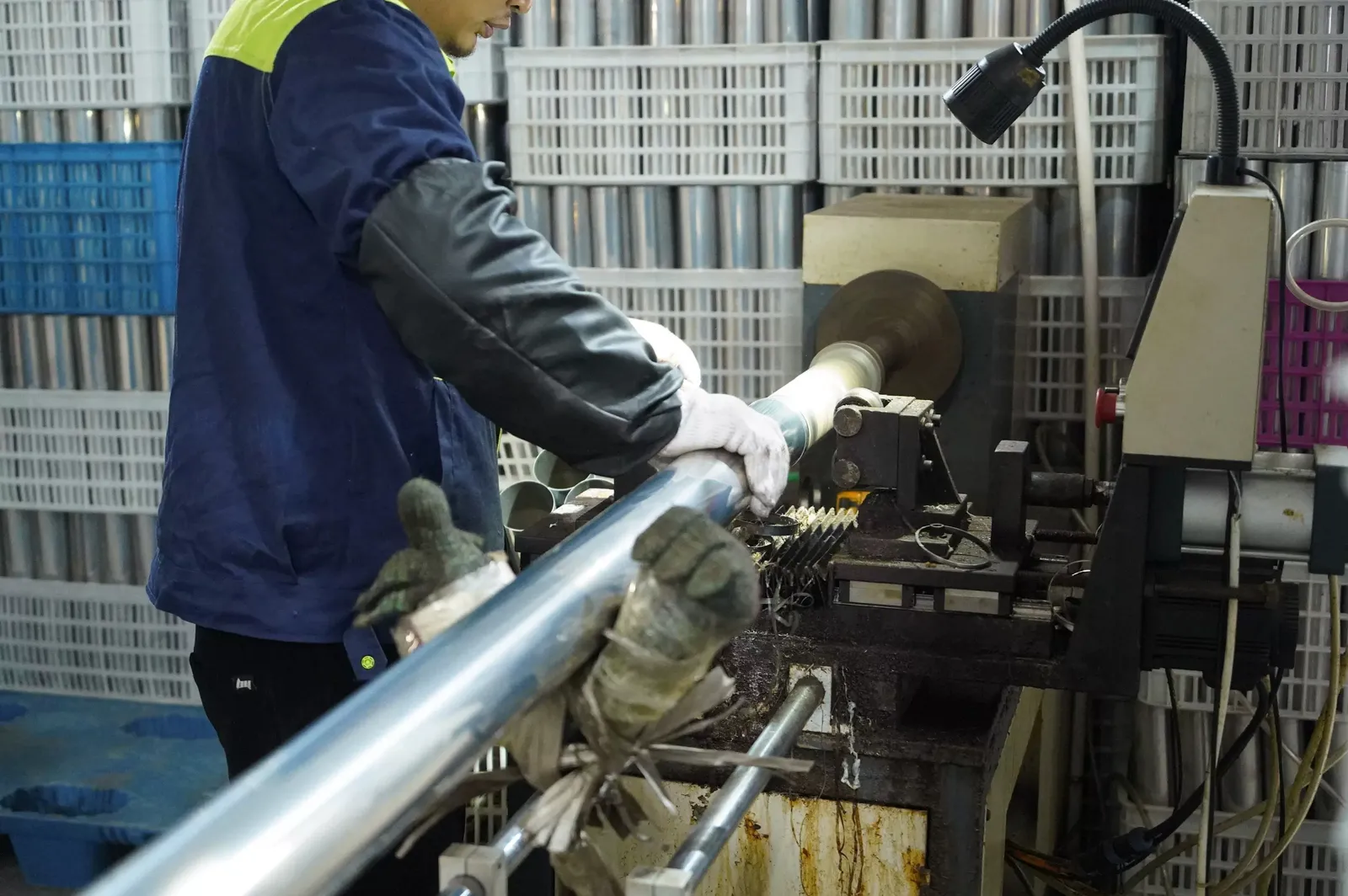
A water bottle is more sustainable when it is used for years, can be repaired instead of thrown away, and can be recycled at the end of its life. A double-wall stainless steel body is built for daily reuse, and SSINA says stainless steel is 100% recyclable without loss of quality, with average recycled content of about 60% across all stainless steel. BG Drinkware can supply lids, straws and silicone seals separately, so a worn part does not end the bottle’s life. BG Drinkware ships in corrugated master cartons, can pack without plastic on request, and confirms FSC-certified paper gift boxes per order. How the bottle is described matters as much as how it is made. The US FTC Green Guides say marketers should not make unqualified general claims such as eco-friendly, and in the EU, generic environmental claims without recognised excellent environmental performance are banned from 27 September 2026. Specific, provable statements, such as a 304 stainless steel inner wall, are safer than broad green labels.
What makes a water bottle sustainable?
A water bottle is more sustainable when it is used for a long time, can be repaired rather than thrown away, and can be recycled at the end of its life.
Durable body
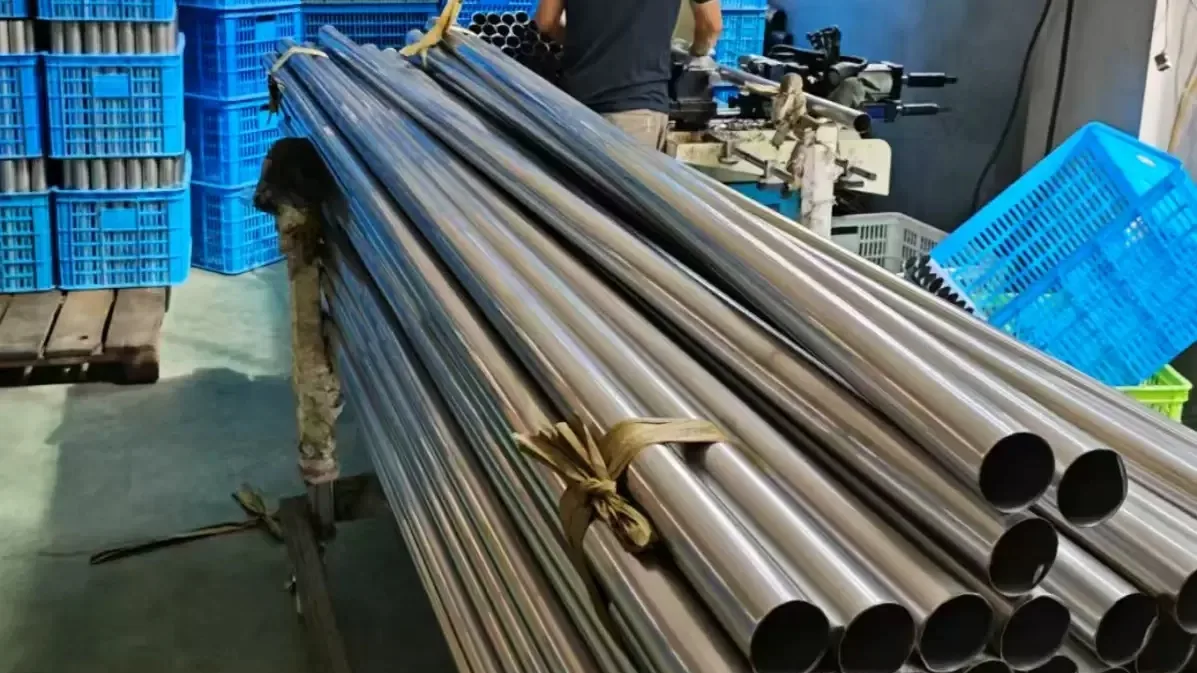
A double-wall stainless steel body is built for daily reuse rather than single use.
Spare parts
BG Drinkware can supply lids, straws and silicone seals separately, so a worn part doesn’t end the bottle’s life.
Recyclable material
Stainless steel can be recycled back into stainless steel.
Average recycled content across all stainless steel, according to SSINA, which also reports about 75–85% for 300-series grades used in building and construction. Ask for documents before you put a recycled-content figure on your own bottle.
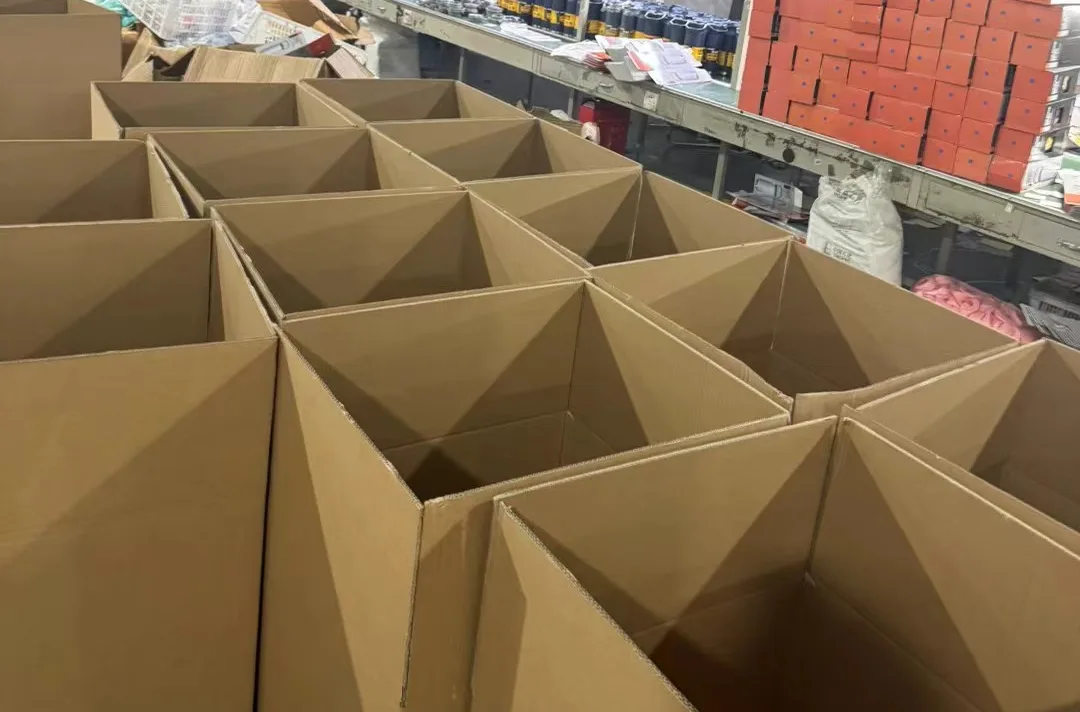
Packaging counts too for sustainable water bottles. BG Drinkware ships in corrugated cardboard master cartons, can pack without plastic bags or plastic inserts on request, and can supply FSC-certified paper gift boxes.
How a stainless bottle compares with a plastic one depends on the material and how the bottle will be used. Our stainless steel vs plastic water bottles guide compares the two for a product range.
Can you call a water bottle “eco-friendly”?
A water bottle should not be called “eco-friendly” on its own. In the US, the FTC says marketers should not make unqualified general environmental benefit claims. In the EU, a generic claim like that is banned from 27 September 2026 unless the trader can show recognised excellent environmental performance, for example through the EU Ecolabel.
The EU treats a claim as generic only when its specific benefit is not explained clearly and prominently on the same label, box or page. So “eco-friendly” with nothing behind it is the problem; a specific, accurate statement of the benefit is the safer route in both markets.
The FTC’s Green Guides (16 CFR 260.4) explain why. Broad terms are “difficult to interpret and likely convey a wide range of meanings”, so a shopper may read “eco-friendly” as “no environmental impact at all”. The fix is to tie the claim to one specific, provable benefit. The FTC’s own example is packaging advertised as “greener” when it was only 15% lighter: the claim was deceptive, while a clear statement of the 15% weight reduction could be acceptable if the change creates no other environmental trade-offs.
Green claim checker
Pick a claim you might put on a bottle, a box or a product page.
A summary of the FTC Green Guides and Directive (EU) 2024/825, not legal advice. Check claims with your own counsel for each market.
The checker needs JavaScript. The table below covers the same claims.
Swipe the table sideways to see every column →
| Claim | US (FTC) | EU (from 27 Sep 2026) | Safer wording |
|---|---|---|---|
| “Eco-friendly”, “green”, “sustainable” | Don’t use unqualified (260.4). The FTC has no specific guidance on “sustainable”, but it is likely read the same way | Banned as a generic claim unless explained on the same medium or backed by recognised excellent performance (e.g. EU Ecolabel) | Name the specific benefit and its proof |
| “Plastic-free” (whole bottle) | Likely deceptive if the lid, straw or seal contains plastic (260.9) | Misleading, and close to the new ban on whole-product claims about one aspect | “Stainless steel body”, or “plastic-free packaging” |
| “Recyclable” | Unqualified only if facilities are available to ≥60% of consumers or communities where sold and the whole item is recyclable; not if the item is not accepted because of its shape or another attribute (260.12) | Must be accurate and specific | “Stainless steel body can be recycled as scrap metal; check local options” |
| “FSC-certified box” | Fine if certified and correctly labelled | Generally allowed: FSC is a third-party certification scheme | Use FSC marks only with the right permission and label category |
| “Carbon neutral” via offsets | Needs reliable methods, no double counting, and disclosure of delayed reductions (260.5) | Banned when based on offsetting | Report measured reductions instead |
What changed for green claims in the EU on 27 September 2026?
From 27 September 2026, Directive (EU) 2024/825 adds green claims to the EU’s list of unfair commercial practices that are banned in all circumstances.
- Generic environmental claims are banned unless the trader can show recognised excellent environmental performance relevant to the claim.
- Sustainability labels must be based on a certification scheme or set up by public authorities.
- A claim about the entire product is banned when it concerns only one aspect of it.
- Claims that a product is neutral or reduced in greenhouse gas impact because of offsetting are banned.
EU member states had to adopt the rules by 27 March 2026, and they apply from 27 September 2026. BG Drinkware’s bottles do not hold the EU Ecolabel. The Ecolabel can only be awarded in product groups with published criteria, so check whether drinkware is covered before relying on it; BG can apply for an order if a suitable group exists. In practice, the safer EU route is a specific claim explained on the same label or page. If your bottles sell in the EU, review the product pages, boxes and hang tags now, not at the next reprint.
Can a stainless steel bottle be called plastic-free?
Only if every part of it, including the lid, straw and seal, is free of plastic. If the lid contains plastic, describe the part that is plastic-free instead.
Most insulated bottles combine a stainless steel body with a lid made of other materials. On BG Drinkware bottles, standard lids and straws are plastic and seals are silicone, while some designs use fully stainless steel parts. Calling the whole bottle “plastic-free” when only the body is would present a whole-product claim when only one part qualifies. That is misleading under existing EU consumer law and close to the new EU ban on whole-product claims about one aspect, and the FTC’s Green Guides treat a misleading “free-of” claim as deceptive. “Stainless steel body” or “plastic-free packaging” are honest alternatives when they are true. If you want a stronger claim, choose a design with stainless steel parts and confirm the material of every part for your order.
What proof should you get from the factory before making a green claim?
Get a document behind every word you plan to print: material, packaging, certification and test reports, all matched to your order.
- Material specificationThe steel grade of the body and the materials of the lid, straw and seal.
- Packaging specificationCarton type, inserts and whether any plastic is used. BG Drinkware can pack plastic-free on request.
- Certificates for labelsThe FSC certificate details if the gift box will carry an FSC claim. BG Drinkware confirms these, and whether your brand can print FSC marks, for each order.
- Order-specific reportsBG Drinkware supplies test and certification reports as each order requires.
- Recycled-content recordsDocuments from the steel supplier before you state any recycled-content percentage.
- Spare parts planWhich lids, straws and seals can be reordered, to back up a “repairable” message.
Replacement parts only extend a bottle’s life if they fit. Our guide on why replacement lids fail to fit covers what to confirm with the factory.
For reusable bottle models and the material records available for an order, see custom water bottles and our test reports.
Sustainable water bottle FAQ
Are stainless steel water bottles eco-friendly?
They are built for reuse, and stainless steel is 100% recyclable without loss of quality, according to SSINA. When you market one, though, describe those specific benefits rather than calling it “eco-friendly”, which the FTC says not to use unqualified and the EU bans as a generic claim unless the benefit is explained or backed by recognised excellent performance.
Can I call my water bottle plastic-free?
Only if no part of it, including the lid, straw and seal, contains plastic. Standard lids and straws, including BG Drinkware’s, are usually plastic, so choose fully stainless steel parts if you need this claim; otherwise say “stainless steel body” or, if true, “plastic-free packaging”.
Is it OK to say a water bottle is recyclable?
In the US, an unqualified “recyclable” claim needs recycling facilities available to at least 60% of the consumers or communities where it’s sold, and the whole item must be recyclable. An item not accepted by recycling programmes because of its shape or another attribute should not be marketed as recyclable. Name the part that can be recycled and how.
What is greenwashing on a water bottle?
Vague or exaggerated environmental claims, such as “eco-friendly” with no specifics, “plastic-free” when the lid is plastic, or “carbon neutral” based only on offsets.
Does the EU ban apply to products already in stock?
The Directive sets a single application date, 27 September 2026, for commercial practices, which include claims on product pages and on packaging still being sold. Check with counsel how your national authority treats existing stock.
Sources
- FTC Green Guides, 16 CFR 260.4: General environmental benefit claims
- FTC Green Guides, 16 CFR 260.5: Carbon offsets
- FTC Green Guides, 16 CFR 260.9: Free-of claims
- FTC Green Guides, 16 CFR 260.12: Recyclable claims
- Directive (EU) 2024/825 on empowering consumers for the green transition (EUR-Lex)
- European Commission: Directive 2024/825 key dates
- SSINA: Stainless steel sustainability
General information, not legal advice.
Building a range of sustainable water bottles?
Tell us the markets you sell in and the claims you want to make. BG Drinkware will match the materials, plastic-free packing, FSC boxes and order reports to back them up.