Where Are YETI Tumblers Made? And How to Check Any Cup
YETI says its Rambler drinkware is made in China. That answer raises the next questions: where in China most vacuum drinkware comes from, how to check where any cup was made, and what actually decides its quality. Here are the facts, with sources.
By Feng, Head of After-Sales Service & Online Marketing Lead
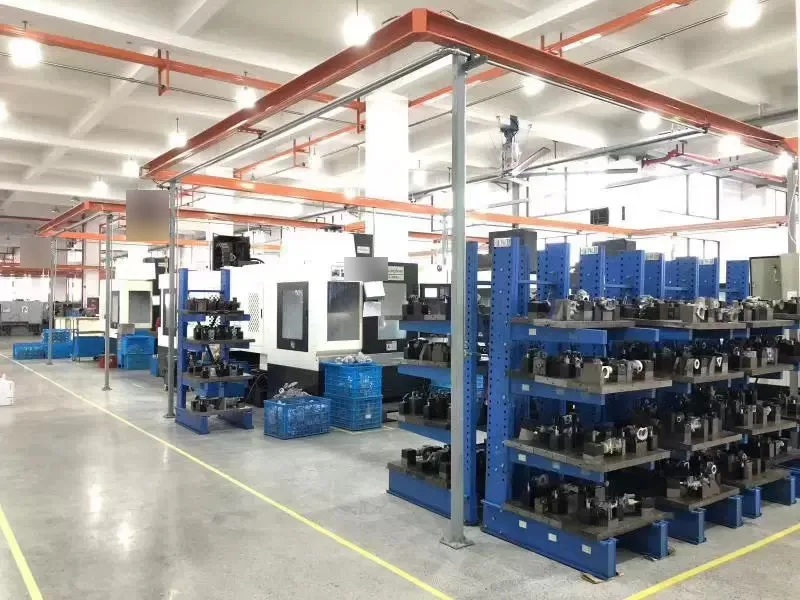
YETI states that its Rambler drinkware, which includes its tumblers and bottles, is manufactured in China. YETI does not name its factories or say where in China they are, so no particular city can be linked to YETI. Separately, a 2018 China Daily report said 80% of the world's vacuum cups were made in Yongkang, where the vacuum container industry employed nearly 100,000 people. For any imported cup, the country of origin should be marked on the product or its packaging, because US rules generally require imported goods, or their containers, to show it to the final buyer. BG Drinkware, a drinkware manufacturer in Yongkang, China, is not affiliated with YETI and does not make YETI products. In its experience, the quality of a vacuum tumbler depends on the specification and the checks, such as testing every unit's insulation, more than on the country.
Where does YETI say its tumblers are made?
In China. YETI's help centre states that its Hopper coolers and Rambler drinkware are manufactured in China. Rambler is the name of YETI's drinkware line. YETI does not publish the names or locations of the factories that make them, so the honest answer stops at the country.
BG Drinkware is not affiliated with YETI, does not make YETI products and has no knowledge of YETI's factories. YETI and Rambler are trademarks of their owner. For the current answer on a specific product, check YETI's own help centre, because sourcing can change over time.
Where in China is most vacuum drinkware made?
Much of it is made in Yongkang. China Daily reported in 2018 that 80% of the world's vacuum cups were made in Yongkang, and that the vacuum container industry, one of the city's eight pillar industries, employed nearly 100,000 people.
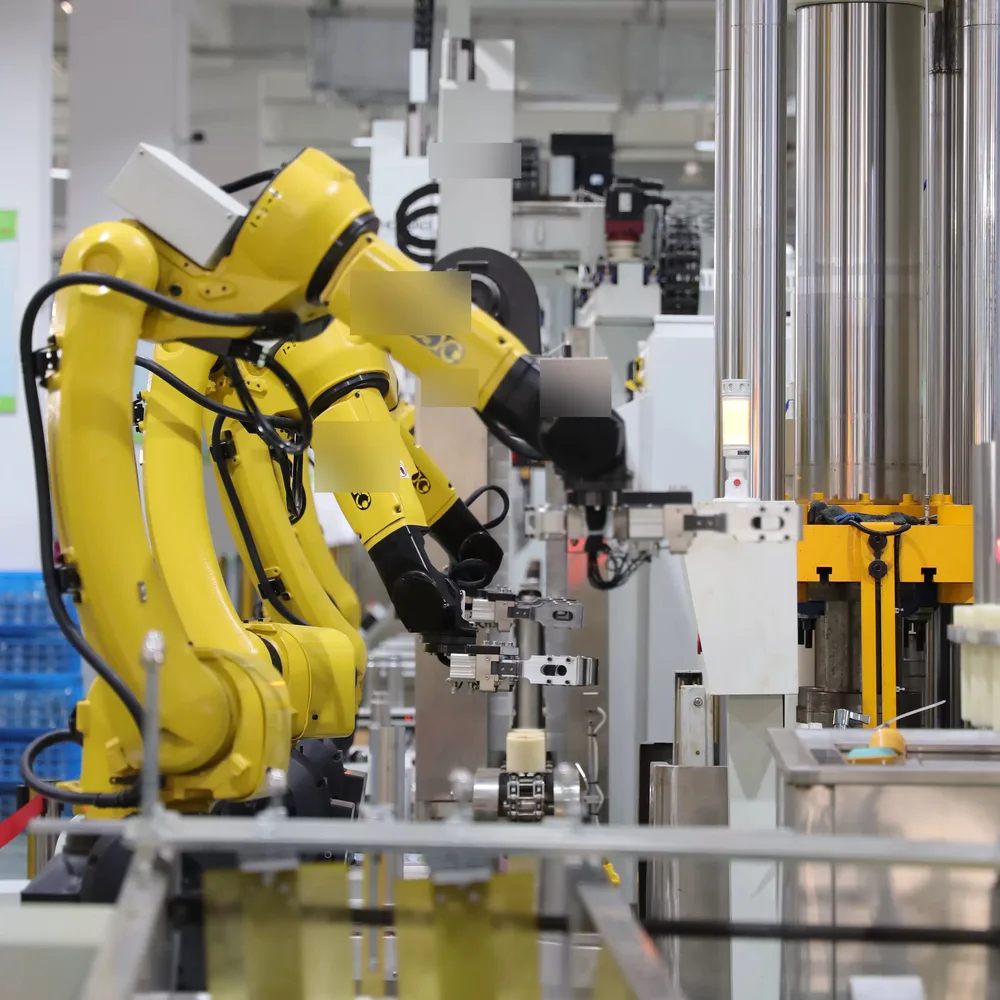
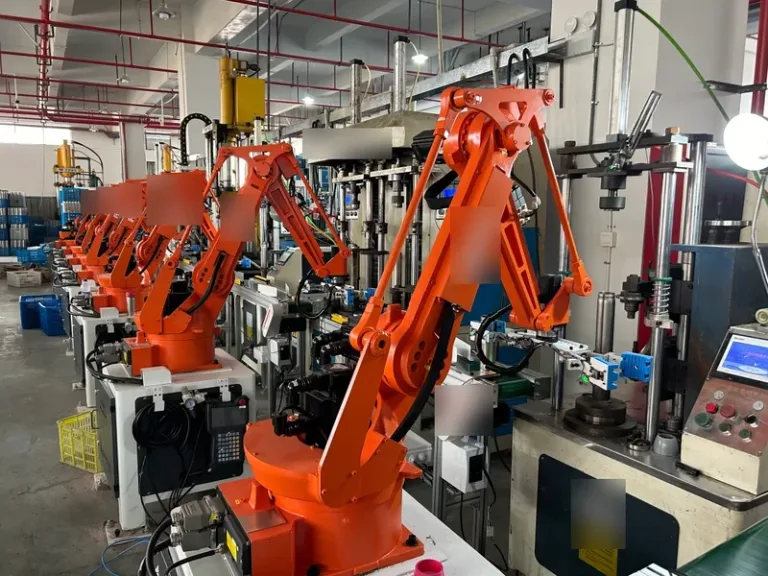
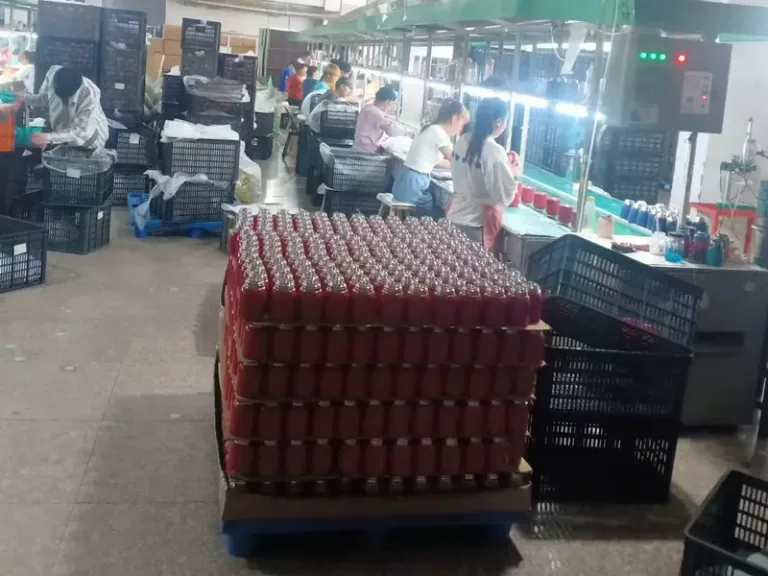
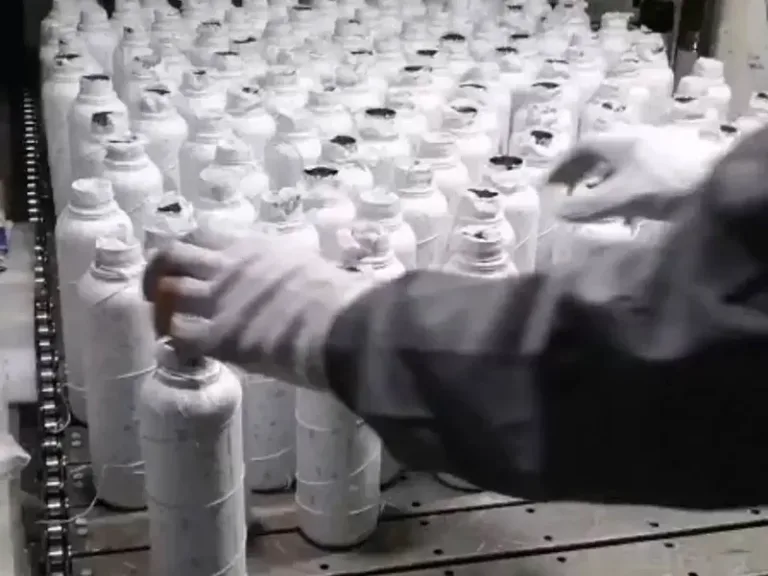
A cluster like this matters to buyers because the whole supply chain sits close together: steel tube, forming, vacuum furnaces, coating, printing, lids and packaging. That shortens sampling and makes it easier to source parts. It does not, on its own, tell you anything about a particular factory's quality, and it does not mean YETI's products are made in Yongkang. For how a vacuum bottle is built step by step, see how vacuum insulated bottles are made.
How can you tell where any tumbler was made?
Look for the country-of-origin marking. Under US rules, every imported article of foreign origin, or its container, must be marked in a conspicuous place, as legibly and permanently as the article allows, to show the final buyer where it was made. Some exceptions apply.
- On the cup: look at the base, where a stamp or laser mark often shows the country of origin.
- On the packaging: the box, label or hang tag usually repeats it.
- On the listing: many retailers show the country of origin in the product details.
- From the supplier: for a bulk order, ask the factory to state where each step is done, including coating and printing, and check it at a factory visit or audit.
For brands importing their own range, the marking is part of the order: agree where it goes and how it is applied on the sample. See HS codes for water bottles and tumblers and export packaging.
Does "made in China" tell you the quality?
No. The same city can produce a tumbler that holds its vacuum well and one that does not. What decides it is the specification and the checks: the steel for each wall, the vacuum seal, the coating, the lid parts, and how every unit is tested before it ships.
| Question | BG Drinkware's answer |
|---|---|
| Which steel for each wall? | 304 inner wall and 201 outer wall as standard; 316 inner on request |
| What seals the vacuum? | Lead-free vacuum sealing beads, in a vacuum furnace |
| Is every unit's insulation tested? | Yes, every vacuum unit is temperature-tested; samples are tested at 95°C over 6 hours |
| How is bulk inspected? | AQL 2.5 / 4.0 under ISO 2859-1, general inspection level II |
| Is there a social audit? | amfori BSCI audit, rating C, valid until 4 April 2027 |
The reports behind these answers are on BG Drinkware's test reports page. For the checks in detail, see AQL inspection and quality control.
What should a brand ask before choosing a Yongkang factory?
Ask what the factory makes in-house and what it sends out, how it tests insulation, what it seals the vacuum with, and whether it has a recent social audit. Then visit, or send an inspector, and approve a physical sample before paying for bulk production.
At BG Drinkware, powder coating is done in-house, while spray painting, sublimation coating and soft-touch coating are done by outside partners. The standard minimum order is 500 pieces, negotiable; a sample of an existing model takes up to 7 days, and bulk production takes 7–12 days after the sample is approved. See tumblers and manufacturing.
YETI manufacturing FAQ
Short answers to the questions people ask most about where YETI tumblers are made and how to judge any tumbler's origin and quality. YETI details come from YETI's help centre; the Yongkang figures come from a 2018 China Daily report.
Are YETI tumblers made in the USA?
No. YETI's help centre states that its Rambler drinkware, which includes its tumblers, is manufactured in China, as are its Hopper coolers. YETI does not name its factories. Check the base or packaging of a specific cup for its country-of-origin marking, and YETI's site for current information.
Which Chinese city makes the most vacuum cups?
Yongkang is a major centre for vacuum drinkware. A 2018 China Daily report said 80% of the world's vacuum cups were made there and that the industry employed nearly 100,000 people. Those are 2018 figures, so the share today may differ.
How do I find out where my tumbler was made?
Check the base and the packaging for a country-of-origin marking. US rules require imported goods, or their containers, to be marked so the final buyer can see where they were made. Retail listings often show it in the product details too.
Is a tumbler made in China lower quality?
Not by itself. Quality depends on the steel for each wall, the vacuum seal, the coating and the checks, such as testing every unit's insulation and inspecting bulk to an agreed AQL. Ask any factory for these details and approve a physical sample before ordering.
Sources
- YETI help centre: Where are YETI products manufactured?
- China Daily (19 December 2018): Yongkang vacuum container industry
- eCFR: 19 CFR Part 134, Country of origin marking
YETI and Rambler are trademarks of their owner. BG Drinkware is not affiliated with YETI.
Sourcing tumblers from Yongkang?
Send the capacity, quantity, model, colour, logo method, packaging, payment terms and trade terms for a quotation.