Drinkware split shipments: planning releases to several warehouses
Plan drinkware split shipments by assigning the goods to specific releases, destinations and carton groups before booking transport. Confirm whether the request means different dispatch dates, different receiving addresses or both. Then agree the cost and responsibility for each movement, including any goods held back. A single production order does not by itself establish a workable delivery plan for several warehouses.
Drinkware split shipments work when every release has a defined quantity, destination, carton group and dispatch milestone before freight is booked. First decide whether the split is by destination, by time or both, because holding part of an order raises separate questions about location, duration, charges and who authorises release. Build a release schedule that reconciles units by model, colour and version against the total order, and map each warehouse's labels to identified cartons before they are sealed. Ask for costs by release, covering picking and allocation, labels and repacking, holding, freight and documents, then compare the total with one consolidated delivery to a distribution warehouse. BG Drinkware, a drinkware manufacturer in Yongkang, China, reviews a proposed allocation before split delivery is treated as accepted. Bulk production takes a reference 7–12 days from receipt of the deposit, subject to timely approvals, so send the release plan with the purchase order rather than after packing.
For a project with BG Drinkware, a drinkware manufacturer in Yongkang, China, present the required allocation for review before treating split delivery as accepted. Confirm the destinations and release dates that can be accommodated, along with handling, storage and transport arrangements. The planning steps below are buyer checks, rather than a statement that any particular warehousing or distribution service is included.
Choose the split that solves the receiving problem
Separate a split in time from a split by destination. Sending finished goods to several addresses now is different from holding part of an order for later dispatch. Ask the supplier and freight provider to assess the actual combination. The arrangement determines which goods need segregation, which movements need booking and who holds the balance.
| Required arrangement | Decision to resolve |
|---|---|
| One completed run, several destinations | Allocate goods and cartons to each receiving address before dispatch |
| One completed run, later releases | Agree where the remaining goods stay and how later dispatch is requested |
| Separate production runs | Confirm each run's quantity, price and production approval rather than assuming one bulk run |
| One delivery to a distribution warehouse | Compare onward handling and delivery with separate shipments from the supplier |
Swipe or scroll to view the full table.
The distribution-warehouse option can be worth comparing when the destination list is still changing. Direct deliveries may remove an intermediate handover but require the final allocations earlier. Ask for both routes to be priced against the same receiving requirements; do not assume that either route is always cheaper.
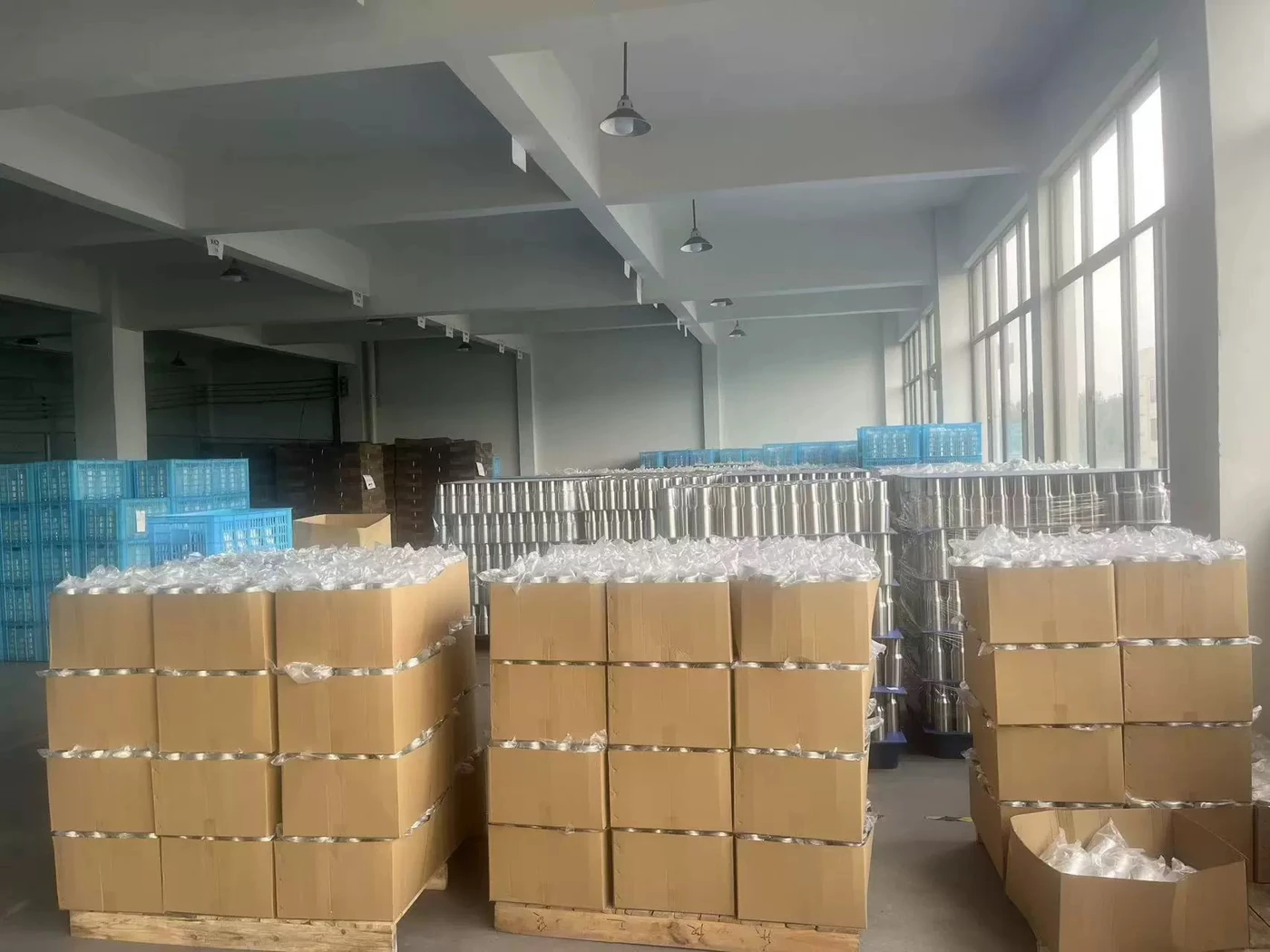
Allocate units and cartons before booking freight
Give every release an identifiable quantity and destination, then reconcile the allocations with the total order. Break the allocation down by product version, colour and any warehouse-specific pack. A total number of cartons is insufficient if the receiving teams need different contents. Record the units left unallocated rather than silently assigning them to the final shipment.
Use a release schedule with the following fields:
| Field | What the release needs |
|---|---|
| Release reference | An identifier linked to the purchase order |
| Destination | Receiving business, full address, warehouse reference and contact |
| Contents | Units by model, colour and product version |
| Carton allocation | Carton identifiers, carton count and units per carton |
| Timing | Required dispatch milestone and separately stated receiving requirement |
| Delivery conditions | Booking, unloading or label instructions supplied by the receiver |
Swipe or scroll to view the full table.
Check whether the requested units fit the agreed carton quantities. If they do not, ask about a part carton or repacking before the goods are sealed. Specify who will approve any revised allocation. A warehouse's requested quantity should not be rounded up without the buyer knowing where the extra units belong.
If the order combines different models from the water bottle range, identify each model and its carton allocation separately. Keep the packing specification tied to each release. Different warehouse labels should map to identified cartons, not to an informal instruction to change labels during loading.
Compare the extra operations as well as freight
Request a cost review by release and destination, with the charging basis shown for each operation. Freight, allocation work and holding goods answer different questions. Confirm which items are included in the quotation and which remain estimates. A carrier account supplied by the buyer does not settle what the supplier charges for preparing the shipments.
| Cost to ask about | Basis to clarify |
|---|---|
| Picking and allocation | Per order, release, destination, carton or unit |
| Labels and repacking | Materials and work required for each destination |
| Holding goods | Agreed period, charging start point and basis, if offered |
| Freight and collection | Separate movement, minimum charge and any quoted exclusions |
| Documents and booking | Who prepares them and whether extra handling is chargeable |
Swipe or scroll to view the full table.
Published supplier programmes illustrate why the wording matters. Some list drop shipments to several addresses and third-party billing as separate optional charges, while others include certain shipping arrangements without a fee. Programme terms differ, so request the charges for the actual routes, destinations and billing arrangement you need.
Compare the combined cost of all releases, including any onward distribution, against a consolidated delivery. Keep the same quantity, destination service and responsibility assumptions in both comparisons. A cheaper first dispatch can conceal costs that remain on the held balance.
Agree what happens to goods waiting for release
Holding finished drinkware needs a separate agreement about location, duration, identification and release responsibility. Confirm whether holding is available at all before scheduling later deliveries. Ask when payment is due for the balance, who may authorise its movement and what happens if the receiving warehouse cannot accept the planned delivery.
Ask how held stock will remain identifiable and separated from goods for another release. Establish the agreed checks before later dispatch and how a shortage or damage would be recorded. The earlier inspection should identify the goods it covered; it should not be treated as proof of their condition after an undefined period of handling or storage.
Discuss the relevant quality control checks for the goods actually being released. If later deliveries will instead come from a new production run, make that distinction explicit. Separate runs need their own confirmation of product and finish requirements rather than an assumption that they are held stock from the original batch.
Track each release through receipt
Close a release against the goods dispatched and the receiving record, while keeping the remaining order balance visible. A collection booking is not a dispatch record, and dispatch is not warehouse receipt. Give purchasing and receiving teams a common reference so a problem on one movement does not obscure the status of the others.
Before release, reconcile its unit allocation, carton identifiers and destination documents. Request the agreed dispatch confirmation and transport reference after collection. At receipt, record the quantities accepted and any shortage, misrouting or damage against that release, then check the supplier's remaining balance.
For a wholesale drinkware order, keep "held", "released", "dispatched" and "received" distinguishable in the schedule. When an address changes, obtain a revised allocation and confirmation of what can still be changed. A new address in an email should not be treated as proof that booked transport or sealed cartons have been updated.
Questions about split deliveries
These questions come up most often when one drinkware order has to reach several warehouses or arrive in stages, covering production runs, held stock, carton labels, timing and late changes.
Does splitting delivery mean placing separate production orders?
Confirm the proposed arrangement. One production run can be discussed separately from its dispatch allocation, but that does not guarantee the supplier accepts later releases. If production itself will be divided, request the quantities, pricing and approvals for each run. Do not assume that delivery splits preserve the original production-price basis.
Can the remaining goods stay with the supplier without charge?
Ask whether holding is offered and obtain the terms before relying on it. Confirm the period, location, charging basis, payment requirements and release process. Neither an accepted product order nor a paid deposit establishes a free storage arrangement or permission to delay collection indefinitely. Record the agreed terms with the release schedule.
Can several warehouses use the same carton labels?
Only use common labels where the receiving requirements allow them. Check the destination, booking reference and any warehouse-specific identifiers. Map different labels to the correct cartons before dispatch and request the agreed check. A valid product label alone does not identify which warehouse should receive the carton.
When should the split-delivery plan be sent?
Send it with the purchase order, before packing starts. At BG Drinkware, bulk production takes a reference 7–12 days from receipt of the deposit, subject to timely approvals, which leaves little time to rework carton allocations once goods are sealed. Include quantities by destination, product versions, requested dispatch dates and any goods to be held, so feasibility and cost can be confirmed before production finishes.
Can a release change after cartons are sealed?
Possibly, but treat it as a change request rather than an update. Ask what can still be changed, whether cartons must be reopened or relabelled, and what the extra handling costs. Obtain a revised allocation and transport confirmation in writing. A new address in an email does not prove that booked transport or sealed cartons have been updated.