Drinkware packaging transit testing: define the test scope
Drinkware packaging transit testing should assess the actual product and packing arrangement against the distribution conditions being planned. Start with the shipping unit, route and handling stages, then agree the specimen, procedure and acceptance checks. A test report for a similar carton is not enough to identify what your order's packaging can protect.
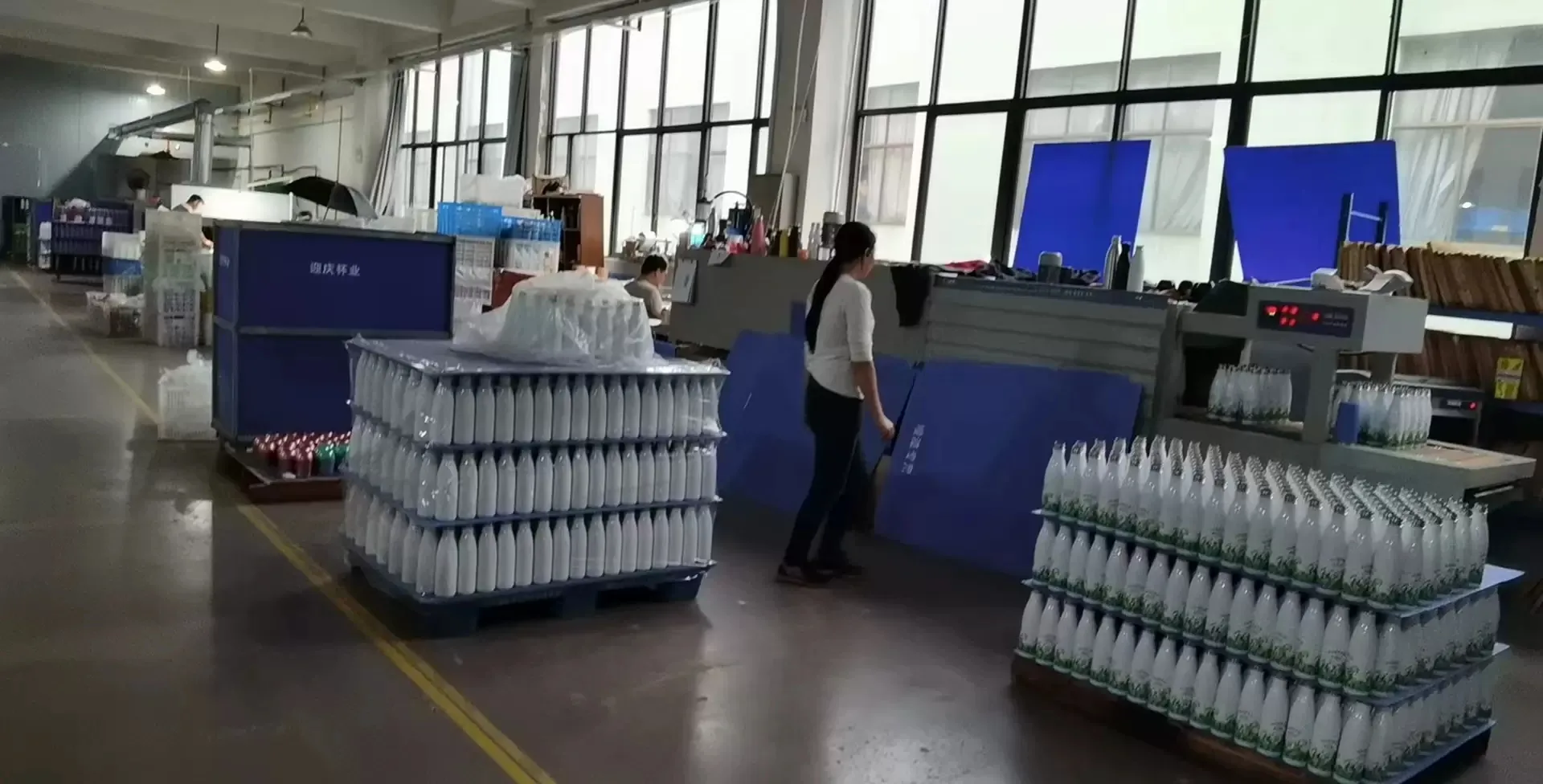
Drinkware packaging transit testing should assess the actual product and packing arrangement against the distribution route you plan to use. First identify the shipping unit, whether an individual parcel, a master carton or a palletised load, and every handling stage, including any repacking by a distributor. Then agree the specimen: the exact model, lid, accessories, individual box, inserts, carton and closure, recorded with a packaging revision. Set before-and-after checks and acceptance criteria before testing, separating product function, decoration, retail presentation and carton condition. Ask the testing provider to choose the procedure and to supply a report naming the specimen, procedure version, conditions and outcome. BG Drinkware, a drinkware manufacturer in Yongkang, China, agrees who will conduct the test, which packed configuration is included and what report will be supplied before the work is commissioned. Its routine temperature test on every vacuum bottle is a separate check and does not replace transit testing.
For an order with BG Drinkware, a drinkware manufacturer in Yongkang, China, agree who will conduct the test, which packed configuration is included and what report will be supplied before commissioning the work.
Which shipping unit and route are you testing?
Identify whether the test concerns an individual parcel, a master carton or a palletised load, and describe the planned distribution route. Include repacking and handling stages where known. Ask the testing provider to select an appropriate procedure for that purpose, rather than choosing a familiar test name without checking its scope.
The ISTA procedure guide distinguishes early design screening from general simulations of particular shipment types. That distinction matters when comparing quotations for testing: two providers may be proposing different questions to answer, even if both describe their service as transit testing.
Tell the provider how the goods will leave the manufacturer and what happens next. For example, will a carton remain intact to the retailer, or will a distributor open it and send individual boxes onwards? Identify the pack used on each leg. An export carton test does not automatically address a later parcel shipment in a different box.
Use the planned route to discuss the drinkware packaging arrangement before settling the test scope. The applicable drop height and sequence should come from the agreed procedure, not a generic cup-packing checklist.
What must the test specimen contain?
Record the selected drinkware, all included components, the individual packaging, separators, master carton and closure method as applicable. Identify the packing layout and quantity inside the tested unit. The specimen should represent the configuration under review, so the resulting report can be matched to the product and packaging proposed for production.
For a model selected from coffee mugs and travel cups, specify the actual lid, handle arrangement and accessories. A bare cup packed for a trial is a different specimen from a retail set with a lid, insert and printed box.
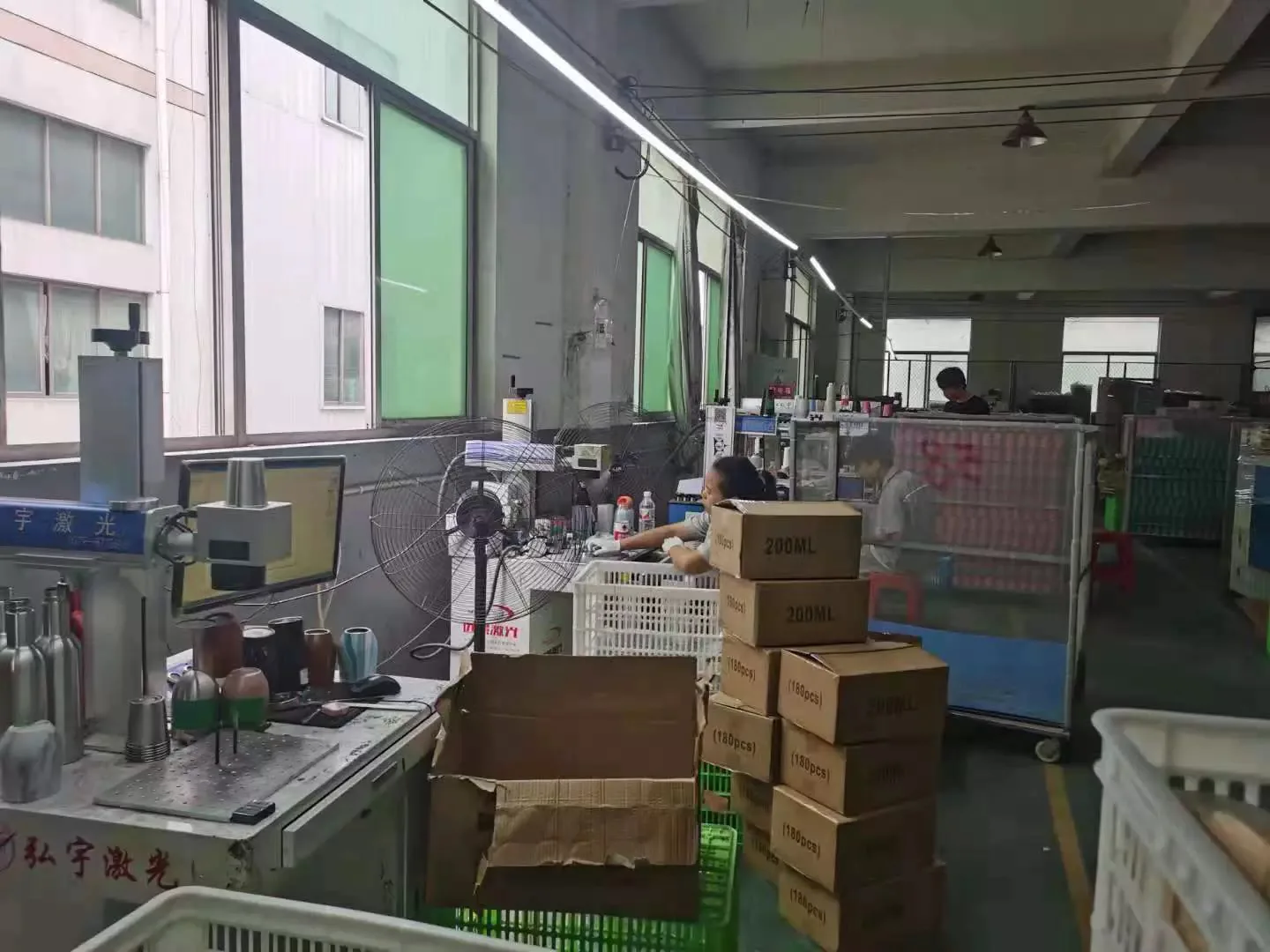
Give the test package a revision and retain its packing instructions. Identify the product against its approved sample record and record the transport packaging separately. Include material specifications, dimensions and photographs where they are needed to identify the arrangement. Ask the provider how many specimens it requires and how they must be prepared; do not substitute an arbitrary sample count.
| Specimen record | Detail to identify |
|---|---|
| Product | Model, dimensions, mass and included components |
| Individual protection | Bag, wrap, box, insert or other agreed arrangement |
| Internal layout | Product orientation, separation and units per shipping pack |
| Outer pack | Carton specification, dimensions and closure |
| Load configuration | Pallet, stacking and restraint where relevant |
| Revision | Product and packaging references used for the test |
Swipe or scroll to view the full table.
Record any difference between the specimen and intended production pack before testing. Ask whether the difference limits what can be concluded, rather than correcting the record afterwards to look like a production match.
How will damage and acceptable performance be judged?
Agree the before-and-after checks and acceptance criteria before the test starts. Separate product function, component condition, decoration, retail presentation and shipping-pack condition. Ask the provider to record the applicable observations, so a statement that the carton survived is not treated as confirmation that every product requirement was checked.
Choose checks that reflect the selected drinkware. They may include handle condition, lid operation, missing or displaced parts, surface contact marks and movement within the pack. Any functional test needs its own agreed method and conditions. Do not infer leak performance or insulation performance from an external visual inspection.
Retail presentation can also matter. Decide which changes to the individual box or decoration would make the unit unsuitable for your intended sale, and how those changes will be recorded. The acceptance criteria should distinguish the product from a shipping carton that is expected to be removed.
Connect those requirements to the order's quality control plan. Routine batch inspection and transit testing serve different tasks: checking supplied goods against specifications does not, by itself, demonstrate how a packed unit responds to transport conditions.
What should the report support, and when should you retest?
Ask for a report that identifies the specimen revision, procedure and version, test conditions, observations and outcome against the agreed criteria. Review exceptions and deviations as well as the result. If the product, package or distribution arrangement changes, assess whether the previous result still applies before relying on it for the revised order.
ISTA's retesting guidance identifies product, packaging and process changes that can affect performance. Keep a change record for a different insert, carton, closure, product component or shipping arrangement, then confirm the retesting requirement with the responsible provider. Do not assume a packaging revision is harmless because the outside dimensions stayed the same.
FedEx's Packaging Lab describes package, freight and material testing. Select the specific service with the provider and confirm the cost, scope and report supplied. If certification is required, have the provider identify that requirement separately from the testing service being quoted.
Transit testing questions
Buyers commissioning a packaging test usually ask these four questions first, about drop tests, range coverage, what a pass means and what to send for a quotation.
Is a drop test enough for every drinkware shipment?
Select the test with the testing provider after describing the packed unit and distribution route. A single handling test should not be presented as a complete simulation of every transport condition. Ask what the proposed procedure covers, what it leaves outside scope and whether the customer's channel has a specific requirement.
Can one report cover different mugs in the same range?
Do not assume that a shared range name establishes equivalence. Compare the product, mass, dimensions, components and packaging with the tested specimen. Ask the provider whether a representative configuration is appropriate and how its coverage is justified. Keep any limitation with the report so purchasing cannot apply it to an unreviewed combination.
Does passing a test guarantee damage-free delivery?
A result describes the specimen and conditions tested. Use it to assess the agreed packaging, while retaining the conditions and limits of the report. It is not a guarantee covering every handling event or later packaging change. Keep receiving records and investigate actual damage even when a previous test result was satisfactory.
What should buyers send before requesting a test quotation?
Send the product configuration, packing specification, shipping-unit dimensions and mass, route and any customer-required procedure. Include the intended acceptance checks and known differences from the proposed specimen. Ask the provider to confirm specimen requirements, work scope, report contents and costs before shipping samples or treating a quotation as a testing agreement.