
Supply Chain Security (SCS and C-TPAT) for Drinkware Imports: Container Checks and Seal Logs
For US big-box and warehouse-club importers, factory onboarding includes a third audit alongside social and quality checks: Supply Chain Security (SCS / C-TPAT). Here is what security auditors verify from packing hall to outbound container loading.
By Feng, Head of After-Sales Service & Online Marketing Lead
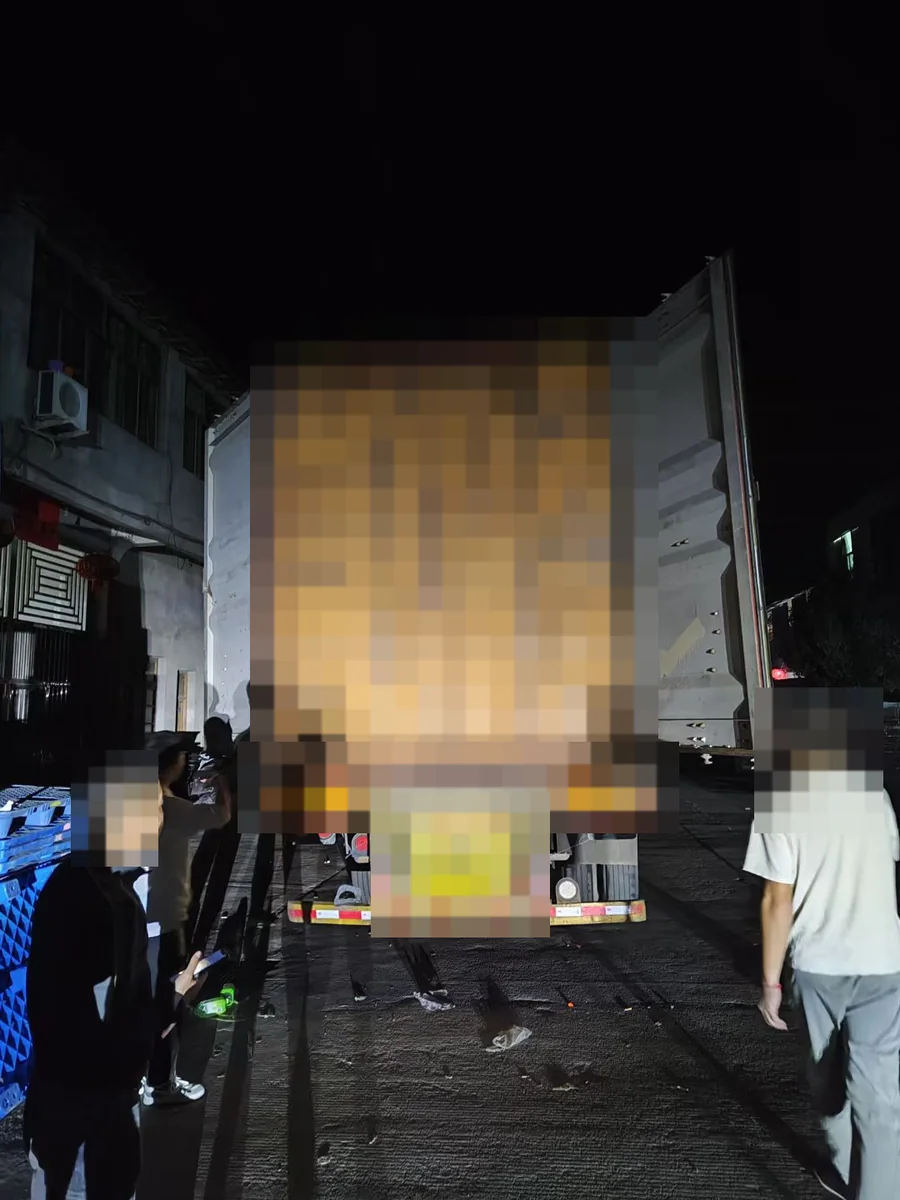
Supply Chain Security (SCS), Global Security Verification (GSV) and C-TPAT foreign-manufacturer audits verify that export cartons and ocean containers cannot be tampered with, pilfered or used to smuggle contraband or agricultural pests into destination ports. For a drinkware manufacturer shipping full-container-load (FCL) orders to US retailers, auditors inspect facility perimeter security, visitor and driver logs, restricted access to final packing and staging zones, 7-point empty container physical checks (17-point when including tractor-trailers), pest/wood-pallet cleanliness, CCTV recording retention over loading bays, and ISO 17712 high-security bolt seal logs. BG Drinkware is integrating dedicated C-TPAT/SCS access control, CCTV coverage and container-loading SOPs into its relocated Yongkang facility.
Why do US retailers audit supply chain security at a drinkware factory?
Importers enrolled in US Customs and Border Protection's C-TPAT programme enjoy reduced port-exam rates and faster green-lane clearance—only if their overseas factories prove documented physical and container security.
A single compromised container or pest-contaminated pallet can hold an entire seasonal drinkware launch in a customs intensive exam for weeks, triggering retail chargebacks for missed in-DC windows. Compare container volume planning in how many tumblers fit in a 40 ft container and trade-term responsibilities in EXW vs FOB for drinkware orders.
What does a 7-point empty container inspection check before loading cartons?
Before a single drinkware carton enters a 20 ft or 40 ft HQ container, the warehouse supervisor inspects seven structural zones for hidden compartments, false walls, light leaks, moisture, odours or insects—photographing each step with the container number visible.
| Inspection point | What the loading team checks | Drinkware-specific risk prevented |
|---|---|---|
| 1. Front wall | Check corrugations, vents and measure internal length against external length | Detects false bulkheads; prevents condensation trapped against front cartons |
| 2. Left side | Tap wall panels, inspect repairs and check for light pinholes with doors shut | Stops seawater ingress that collapses master cartons and rusts steel rims |
| 3. Right side | Inspect full length of panels, lashing rings and fresher repairs | Prevents protruding weld burrs tearing shrink-wrapped PDQ pallets |
| 4. Floor | Check level planks, nails, oil stains, chemical odours and standing dampness | Protects paper gift boxes from odour transfer and pallet forklift snagging |
| 5. Ceiling / roof | Close doors in dark to spot roof pinholes; check bow height and weld patches | Eliminates top-tier carton rain damage during trans-Pacific crossings |
| 6. Inside & outside doors | Test locking bars, hinges, rivets, rubber gaskets and tamper plates | Ensures handle rivets cannot be removed and re-pinned mid-transit without breaking the seal |
| 7. Outside / undercarriage | Inspect cross-members, chassis and sweep away soil, seeds, snails or insects | Meets C-TPAT agricultural pest prevention rules (seeds, beetles, gypsy moth) |
How ISO 17712 bolt seals, access badges and CCTV logs are audited
Security auditors look for unbroken custody from the moment cartons are taped to the moment the container truck leaves the factory gate.
ISO 17712 'H' bolt seals
High-security seals stay in a locked cabinet under one custodian's logbook; once affixed to the right-hand door locking rod, the driver/supervisor applies the VVTT (View, Verify, Tug, Twist) check and photographs the serial number.
Packing-zone access control
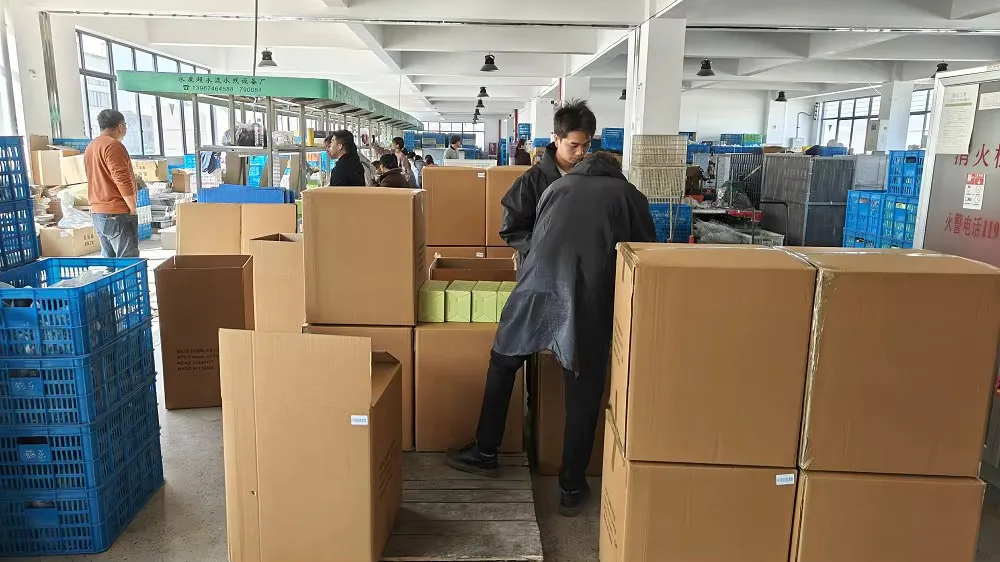
Only badged packing and QC staff enter final packing and carton staging areas; truck drivers wait in a designated zone outside the packing floor.
30–90 day CCTV retention
Infrared cameras cover factory gates, finished-goods staging and container loading doors, with timestamped recordings retained per buyer SCS policy.
ISPM 15 pallets & carton tally
Wood pallets carry legible IPPC ISPM 15 heat-treatment stamps, and tier-by-tier loading tallies reconcile exact carton counts to the packing list.
What changes when an order ships LCL or EXW via a buyer's consolidator?
C-TPAT rules differ between factory-stuffed FCL containers and less-than-container-load (LCL) or consolidator-hub shipments where cartons travel first by box truck to Ningbo or Shanghai.
- Factory-loaded FCL: The factory completes the 7-point check, loads cartons under camera, applies the ISO 17712 bolt seal at the factory dock, and records the seal number on the delivery note and bill-of-lading draft.
- Consolidator / CFS delivery: Cartons are sealed with tamper-evident tape, loaded into an enclosed box truck checked for cleanliness and pest absence, and locked or tamper-sealed between Yongkang and the buyer's nominated Ningbo/Shanghai CFS warehouse—see building a traceable shipping record.
Supply chain security infrastructure at BG Drinkware's relocated facility
Planning security layout before moving into a new plant avoids blind spots in camera angles, gate routing and finished-carton cages.
- Gated perimeter & visitor logControlled vehicle/visitor entry with ID check-in and separated truck parking away from production workshops.
- Restricted finished-goods stagingEnclosed post-inspection staging area keeping AQL-passed retail cartons isolated until container arrival.
- Standardised 7-point & VVTT photo packEvery FCL retail container receives a dated photo folder: empty container interior, half-loaded, full-loaded, right door closed, and close-up ISO 17712 seal number.
- Audit alignmentBuilt to support US big-box SCS, GSV and C-TPAT foreign-supplier questionnaires—see certifications and audit roadmap.
SCS & C-TPAT drinkware audit FAQ
Answers for logistics and compliance teams importing drinkware into North America.
Can a Chinese factory be 'C-TPAT certified' directly by US Customs?
US Customs and Border Protection (CBP) certifies eligible importers, carriers and consolidators—not non-US factories directly (outside specific bilateral programmes). Instead, US importers audit overseas factories against C-TPAT Minimum Security Criteria using retail SCS or third-party GSV audits.
Who supplies the ISO 17712 high-security bolt seal on FOB Ningbo orders?
For standard ocean bookings, the shipping line issues a carrier bolt seal with the container release; for retail programmes requiring dual verification or factory-stocked seals, we also log and photograph the seal serial number against ISO 17712 'H' markings before the truck departs.
Why did agricultural pest checks become part of C-TPAT container inspections?
Updated C-TPAT Minimum Security Criteria explicitly require foreign suppliers to inspect containers and wood packaging (ISPM 15) for soil, seeds, snails and insects so containers are not quarantined or re-exported by port agricultural inspectors.
Can BG Drinkware share container loading and seal photos before vessel departure?
Yes. Providing empty-container, tier-loading, carton-mark and locked-seal photographs per shipment is standard practice on our FCL orders and supports both security compliance and transit-damage claims.
Sources
SCS, GSV and C-TPAT criteria summarised above reflect public customs and retail supply-chain security standards. Related guides: shipping policy, EXW, FOB & CIF checklist and certifications.
Need C-TPAT / SCS container controls on your next FCL order?
Share your importer security questionnaire, trade terms (EXW or FOB Ningbo), pallet/slip-sheet spec and destination DC routing rules.