EXW vs FOB: Which Should You Choose for a Drinkware Order?
Two quotes for the same tumblers can look far apart only because one is EXW and the other FOB. The term decides who loads the cartons, who clears export, who books the ship and when the risk becomes yours. Here is what each one means and how to choose for a drinkware order.
By Feng, Head of After-Sales Service & Online Marketing Lead
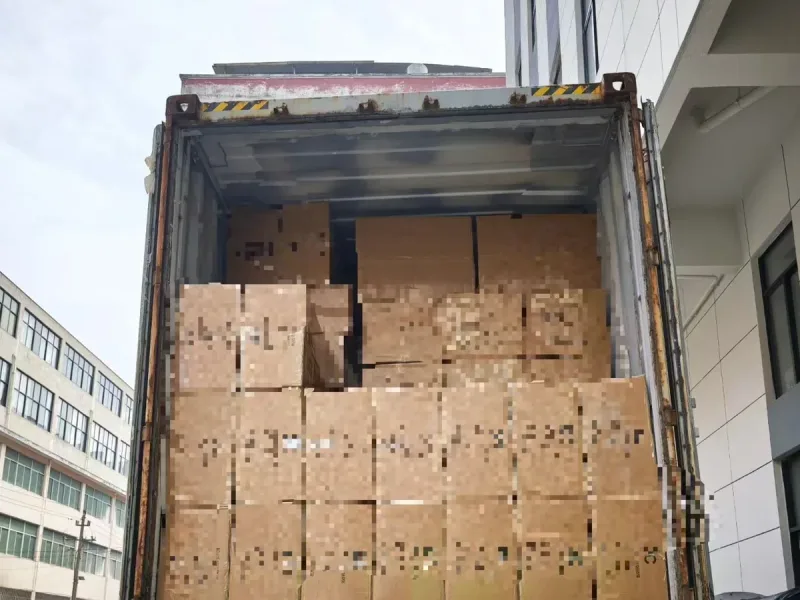
EXW (Ex Works) means the seller makes the goods available at its own premises, and the buyer arranges almost everything after that, including loading, export clearance and transport. FOB (Free On Board) means the seller clears the goods for export and loads them on board the ship the buyer has booked at the named port, and the risk passes to the buyer once they are on board. FOB is for sea and inland waterway transport only, and ICC Academy guidance recommends FCA instead for containerised goods. BG Drinkware, a drinkware manufacturer in Yongkang, China, usually quotes EXW Ningbo and confirms the shipping term, named place and Incoterms version in the accepted quotation. Choose EXW if your forwarder can load and clear export in China; choose FOB or FCA if you want the seller to handle export clearance. Compare quotes only on the same term.
What does EXW mean on a drinkware quote?
EXW means the seller makes the goods available, typically at its own premises, and its duties end there. Under Incoterms 2020 the buyer loads the goods onto its own vehicle at its own risk and cost, and handles any export clearance. Freight, insurance and import duties are the buyer’s as well.
An EXW price is usually the lowest-looking number on a comparison, because it leaves out everything after the warehouse door. ICC Academy describes EXW as most suitable for domestic trade and strongly encourages traders to consider FCA instead when goods cross a border, mainly because the buyer may not be able to complete export formalities in the seller’s country.
What does FOB mean, and when does the risk pass?
FOB means the seller delivers the goods loaded on board the vessel the buyer has nominated at the named port of shipment, and completes export formalities. The risk of loss or damage passes to the buyer once the goods are on board. The buyer books and pays for the sea freight, insurance and import clearance.
Seller under FOB
Export clearance, delivery to the port, loading on board.
Buyer under FOB
Ship booking, sea freight, insurance, import clearance and duties.
Risk
Passes to the buyer once the goods are loaded on board.
Transport
Sea and inland waterway only, port to port.
The buyer must give the vessel name and loading point in good time; late details can leave the buyer carrying storage costs.
How do EXW and FOB compare for a drinkware order?
The difference is where the seller’s job ends. Under EXW it ends at the seller’s premises, before loading. Under FOB it ends on board the ship, after export clearance and loading. Between those two points sit local trucking, export documents, terminal handling and the risk of damage in transit to the port.
| Task | EXW | FCA | FOB |
|---|---|---|---|
| Delivery point | Seller’s premises | Agreed place, such as the seller’s premises or a terminal | On board the vessel at the named port |
| Loading | Buyer | Seller, when delivery is at the seller’s premises | Seller |
| Export clearance | Buyer | Seller | Seller |
| Main transport | Buyer | Buyer | Buyer |
| Transport modes | Any | Any, including multimodal | Sea and inland waterway only |
Import clearance, duties and destination charges sit with the buyer under all three. See HS codes for water bottles and tumblers.
Why do some buyers choose FCA for container shipments?
Because container cargo is usually handed over at a container terminal, not loaded on board by the seller. An ICC Academy article recommends FCA rather than FOB when goods are containerised. Under FCA the seller clears export and delivers to the carrier at an agreed place, and the rule works for any transport mode.
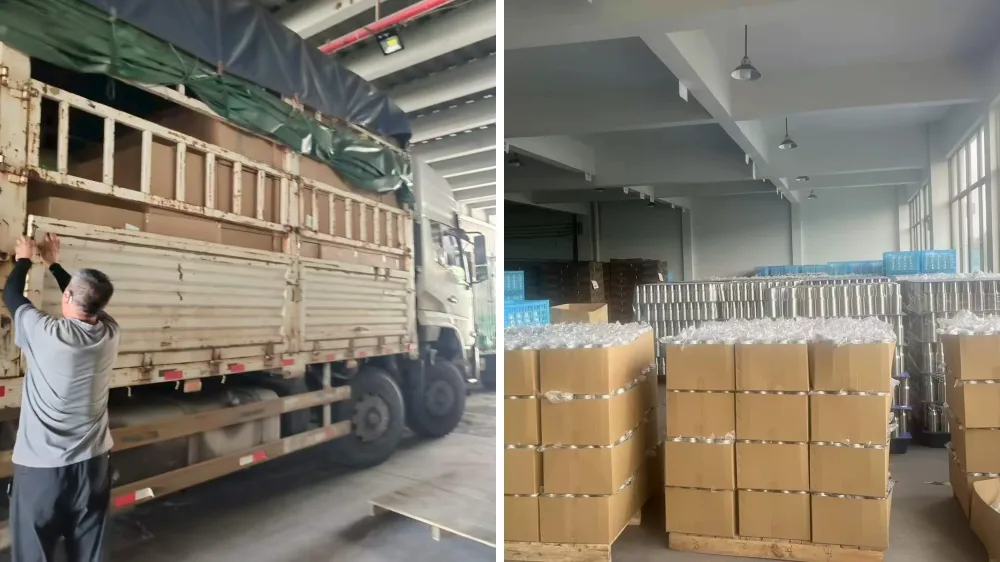
For a full-container or consolidated drinkware shipment, ask your forwarder which point it will collect from, then match the term to it. BG Drinkware’s shipping policy uses “FCA [named place], Incoterms 2020” as its example of how a term should be written. See shipping policy and export cartons and freight volume.
Which term should a drinkware buyer choose?
Choose by who is best placed to do each job. If you have a forwarder in China that can collect, load and clear export, EXW keeps your costs visible. If you want the seller to handle export clearance, ask for FCA, or FOB for break-bulk sea freight. First-time importers usually find FCA or FOB simpler.
- EXW: your forwarder collects from the seller and handles loading and export clearance.
- FCA: the seller clears export and hands the cargo to your carrier at an agreed place; suits containers and air freight.
- FOB: the seller clears export and loads on board at the port; sea freight only.
- DDP: only if agreed in writing; otherwise import clearance and duties stay with the buyer.
What should the order say about the shipping term?
Write the rule, the named place or port and the version, for example “FCA [named place], Incoterms 2020”. BG Drinkware confirms the term, named place and cost split in the accepted quotation or order confirmation, and that document controls if it differs from general terms. Dispatch dates and transit times are estimates unless a guaranteed service is agreed.
- Rule and placeThe Incoterms rule, the named place or port and “Incoterms 2020”.
- RouteExpress, air, sea or rail, and whether your forwarder collects.
- PackingCarton marks, pallets and labels agreed before production.
- DocumentsCommercial invoice, packing list, transport document and any certificates.
- PaymentUsually a 30% deposit, with the balance as agreed.
At delivery, check the cartons and report visible transport damage or shortages within 7 calendar days. See AQL inspection.
EXW vs FOB FAQ
Short answers to the questions buyers ask most about shipping terms on drinkware quotes: EXW Ningbo, FOB costs, insurance and DDP. The answers come from the ICC Academy’s Incoterms 2020 guidance and BG Drinkware’s shipping policy.
What does EXW Ningbo mean on a quote?
It means the price covers the goods made available at the named place in Ningbo, and your side arranges what happens next: loading, export clearance, freight, insurance and import. Ask exactly where the named place is, and whether your forwarder can collect from there and clear export in China.
Is FOB more expensive than EXW?
The FOB price is usually higher because it includes export clearance, local delivery to the port and loading on board. Under EXW you pay those costs to your own forwarder instead. Compare the total landed cost on the same route, not the two unit prices on their own.
Who pays for insurance under EXW and FOB?
Under both terms the seller is not obliged to insure the main transport, so the buyer usually arranges cargo insurance. Under FOB the risk passes once the goods are on board; under EXW it passes when the goods are made available, so insurance from the seller’s premises matters more.
Can BG Drinkware ship DDP?
Only if agreed in writing for the order. Unless a DDP or equivalent arrangement is written into the order, the buyer is generally responsible for import clearance, duties, taxes and local charges at the destination. Check the requirements with your customs broker before confirming the order.
Sources
This guide is based on ICC Academy guidance on Incoterms 2020 and BG Drinkware’s shipping policy; it is not legal or customs advice. Related guides: manufacturer vs trading company, purchase order requirements and water bottles in bulk.
Need a quote on your shipping term?
Send the model, quantity per colour, packaging, destination city and postal code, preferred Incoterms rule, payment terms and target delivery date.