Do Stanley Cups Have Lead? Where It Is and How to Check Any Cup
Stanley says some of its cups contain lead, sealed away at the base. What does that mean for the person drinking from one, and for a brand ordering its own tumblers? Here is where the lead sits, why it is there, and how lead-free sealing works at a factory.
By Feng, Head of After-Sales Service & Online Marketing Lead
Yes, but not where you drink. In early 2024, Stanley said that its cups use an industry-standard pellet to seal the vacuum insulation at the base, that the pellet contains some lead, and that a durable stainless steel layer covers it, so no lead is on any surface that touches the user. An environmental health professor who tested the cups in 2024 found no detectable lead on the outside and said the lead cannot reach the drink, because the vacuum gap separates the inner and outer walls. The risk he described is a broken base exposing the seal. BG Drinkware, a drinkware manufacturer in Yongkang, China, which is not affiliated with Stanley, seals its vacuum tumblers with lead-free vacuum sealing beads instead. For any tumbler, the steel grade does not tell you what the seal is made of, so ask the supplier directly.
Where is the lead in a Stanley cup?
In the seal at the bottom of the outer wall, not in the cup you drink from. Stanley has said it uses an industry-standard pellet to seal the vacuum insulation at the base, that the pellet contains some lead, and that a stainless steel layer covers that area so it cannot be reached.
According to Stanley's statement, reported by PolitiFact in February 2024, "no lead is present on the surface of any Stanley product that comes into contact with the consumer". The drink touches only the stainless steel inner wall. The lead is in a small sealing point in the outer base, hidden under the base cover.
BG Drinkware is not affiliated with Stanley. Stanley is a trademark of its owner. The details above come from Stanley's public statement, not from any knowledge of Stanley's factories.
Why does a vacuum tumbler need a seal at the base?
Because the air has to be taken out of the gap between the two walls, and the opening it leaves has to be closed. A vacuum tumbler is two steel cups, one inside the other. The air is removed through a small opening in the outer base, and a sealing material closes it.
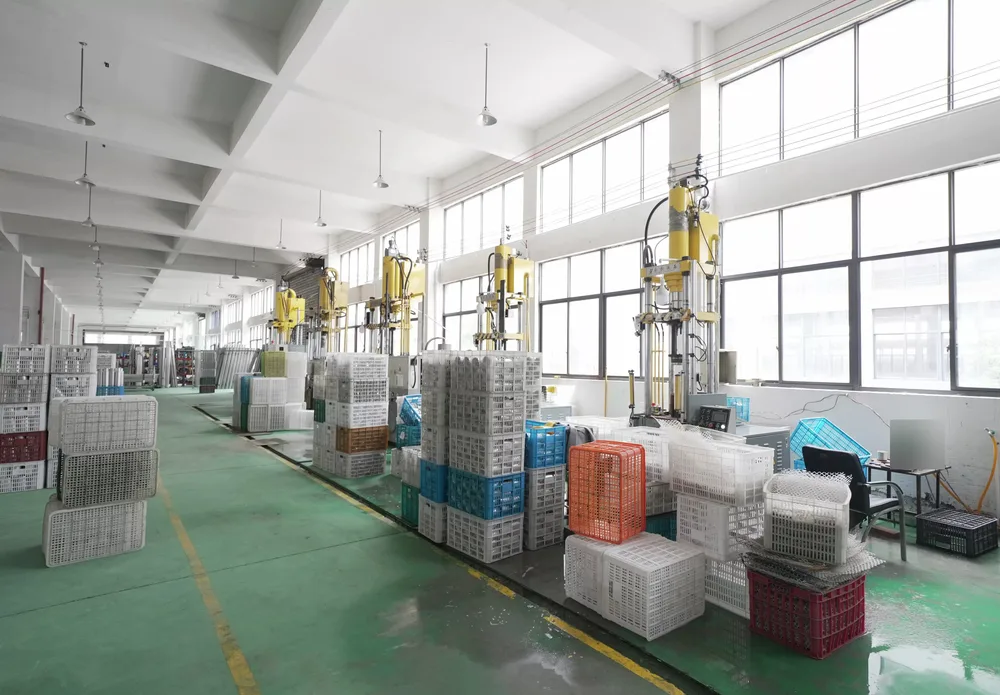
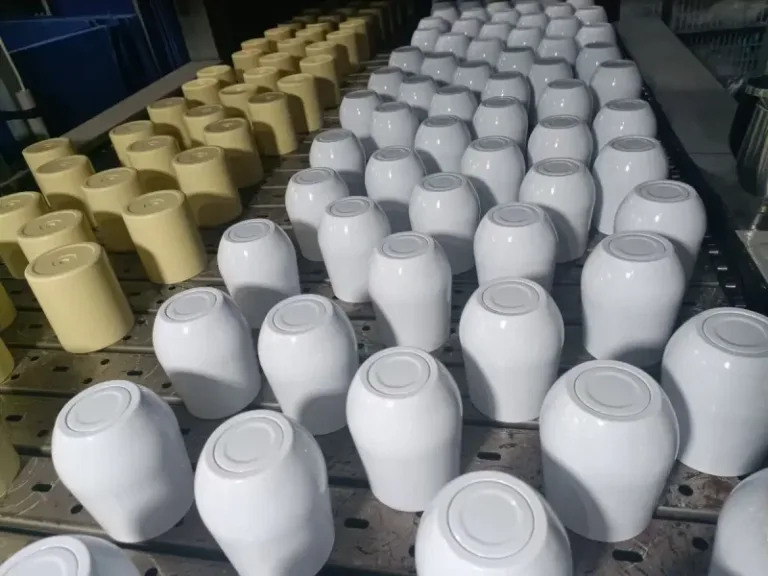
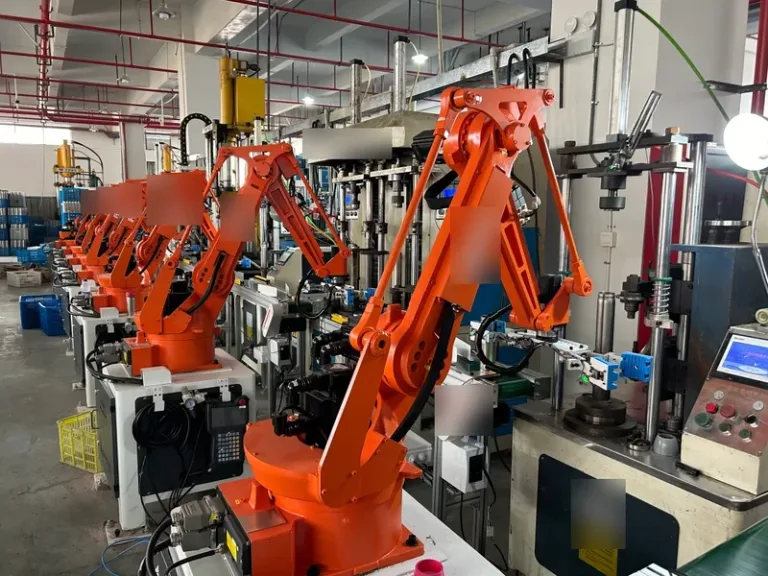
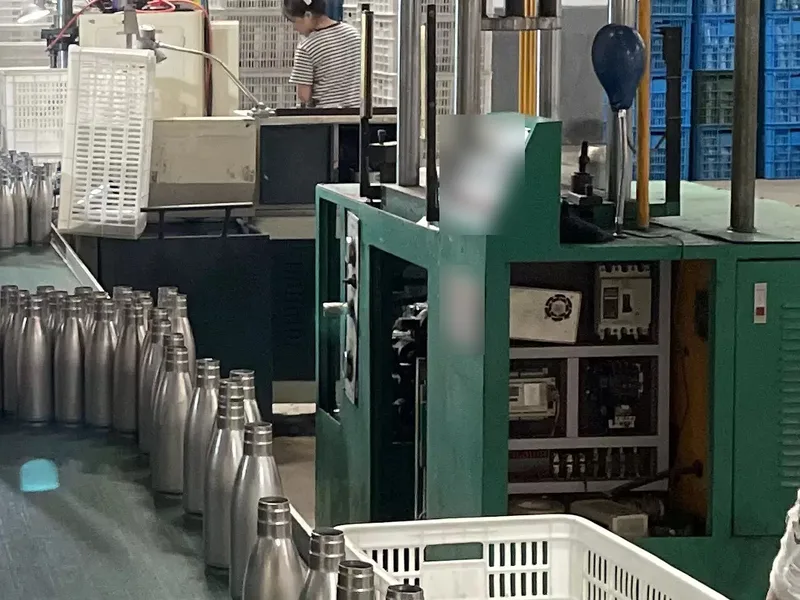
In one common method, the bodies go into a vacuum furnace, where the air is drawn out and the sealing material melts and sets to close the opening. A cover then goes over the sealing point. That sealing material can contain lead, or it can be lead-free; the steel grade on the specification says nothing about which one is used. For the full process, see how vacuum insulated bottles are made.
Can the lead get into the drink?
Not through the steel. Jack Caravanos, an environmental health professor at New York University, tested Stanley cups in 2024 with an X-ray fluorescence monitor and a home test kit. He found no detectable lead on the outside and said the lead in the base cannot reach the drinking area.
His explanation was the construction: the cup is a bottle within a bottle, with a vacuum between the walls, so there is no path from the base seal through the steel into the drink. The risk he described is different: if the base cover breaks off and exposes the seal, lead could contaminate other surfaces, such as sink or dishwasher water. Swallowing it would still be unlikely.
For a user, the practical point is simple: a cup with a damaged or missing base cover should not stay in use. For a brand, the better question is whether the seal needs to contain lead at all.
What does lead-free sealing mean at the factory?
It means the opening in the base is closed with a sealing material that contains no lead. At BG Drinkware, the vacuum is sealed in a vacuum furnace with lead-free vacuum sealing beads, so the question of a lead-bearing seal under the base does not arise.
| Point | Lead-bearing seal | Lead-free seal |
|---|---|---|
| Where it is | Sealing point in the outer base, under a cover | Same place |
| Touches the drink? | No | No |
| Risk if the base cover breaks | The seal is exposed | No lead in the seal to expose |
| Shown by the steel grade? | No | No; ask the supplier |
Every vacuum tumbler BG Drinkware makes is then temperature-tested, because a poor seal shows up as lost insulation. For more on specifying a lead-free order, see lead-free tumblers.
How can you check whether a tumbler has lead?
Ask, then test. The steel grade on a product page, such as 304 or 18/8, describes the walls, not the seal. Ask the supplier in writing what the vacuum seal is made of, and whether the coating, the printed logo and the accessories are lead-free too.
- Ask for the sealing material by name, and whether it contains lead.
- Name the coating, the print and the lid parts in the same question; they are separate materials.
- Agree the test method and the limit with the supplier before the order, and test the parts you care about.
- For children's products sold in the US, accessible components face a 100 ppm total lead limit, so the test plan must cover them.
BG Drinkware publishes its food-contact test reports for the 304 stainless steel inner wall on its test reports page. For the steel itself, see 18/8 vs 304 vs 316 stainless steel.
What should a brand write in a lead-free tumbler order?
Write lead-free as a requirement for each part, not as a general label. Name the vacuum sealing material, the coating, the decoration and the lid parts, and say how each will be tested. Then approve a sample and keep bulk on the same materials and suppliers.
BG Drinkware's standard build is a 304 stainless steel inner wall and a 201 outer wall, sealed with lead-free vacuum sealing beads. The standard minimum order is 500 pieces, negotiable; a sample of an existing model takes up to 7 days, and bulk production takes 7–12 days after the sample is approved. See tumblers for the range.
Stanley lead FAQ
Short answers to the questions people ask most about lead in Stanley cups and other vacuum tumblers. The Stanley details come from the company's public statement, as reported by PolitiFact in February 2024; the BG Drinkware details come from its own production process and test reports.
Do all Stanley cups have lead?
Stanley's 2024 statement described its vacuum-insulated products as sealed with an industry-standard pellet that contains some lead, covered by a stainless steel layer at the base. It said no lead is on any surface that touches the user. Check Stanley's own site for the current position on a specific product.
Is it safe to drink from a Stanley cup?
An environmental health professor who tested the cups in 2024 said the lead in the base cannot reach the drink, because the vacuum gap separates the walls. He found no detectable lead on the outside. In BG Drinkware's view, a cup whose base cover is damaged and exposes the seal should be taken out of use.
Are there vacuum tumblers without lead in the seal?
Yes. The seal can be made with a lead-free material. BG Drinkware, which is not affiliated with Stanley, seals its vacuum tumblers with lead-free vacuum sealing beads in a vacuum furnace. For any brand, ask the supplier what the seal is made of, because the steel grade does not say.
Does 18/8 or 304 stainless steel mean lead-free?
No. The grade describes the steel walls, not the vacuum seal, the coating, the print or the lid. A tumbler can have a 304 stainless steel inner wall and still use a lead-bearing seal under the base. Ask about each part separately.
Sources
Stanley is a trademark of its owner. BG Drinkware is not affiliated with Stanley.
Planning a lead-free tumbler range?
Send the capacity, quantity, model, colour, logo method, packaging, payment terms and trade terms, and list the parts that must be lead-free.