Promotional coffee travel mugs: scope a client's event
For promotional coffee travel mugs, define what the agency must hand over to its client before requesting a manufacturing quotation. Identify the event, recipient-ready quantity, presentation, branding and delivery requirement. Then separate the manufacturer's proposed supply from the work your agency will arrange, so a product price does not become an accidental promise for the whole event.
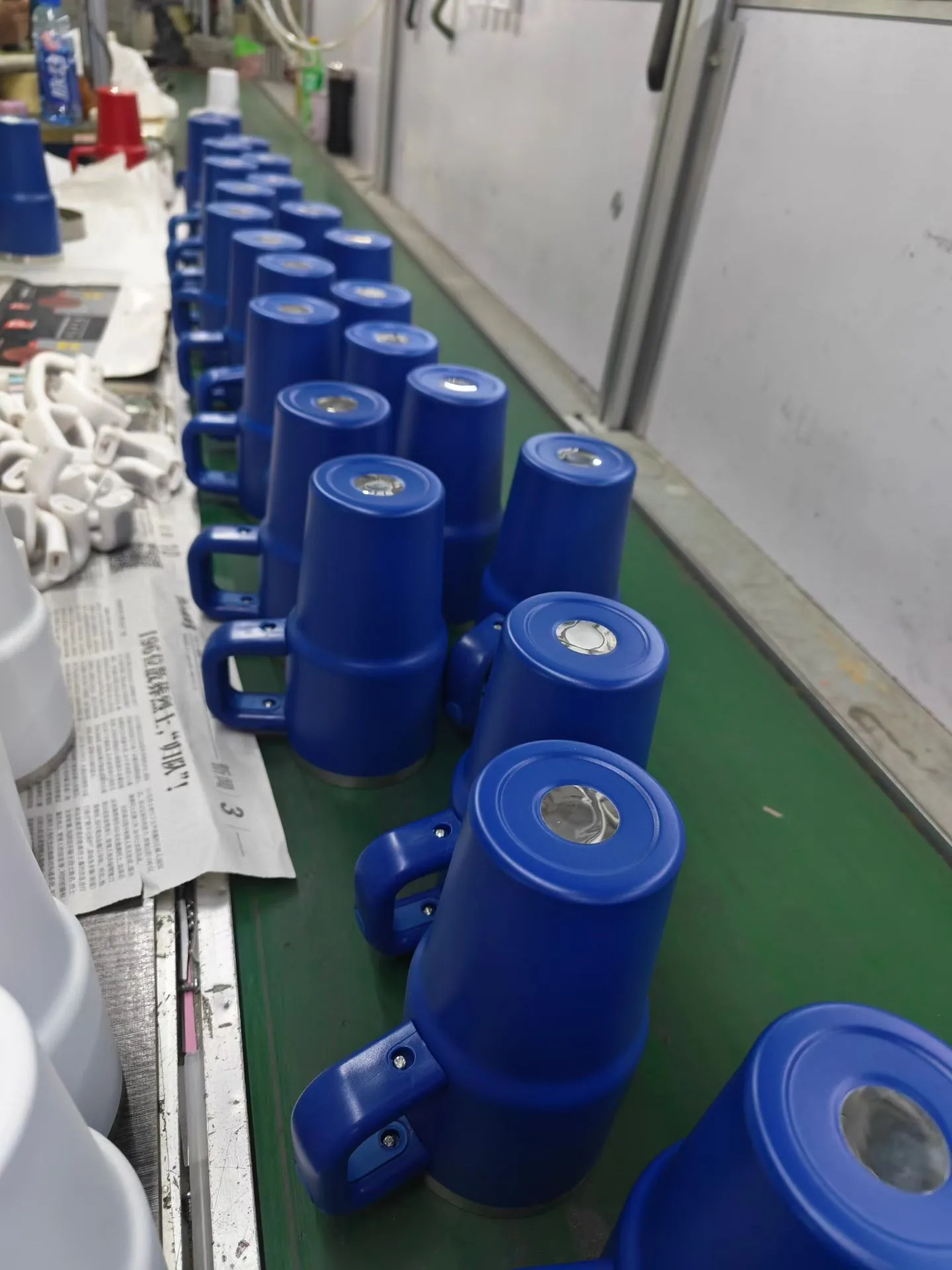
Promotional coffee travel mugs for a client event should be scoped as a deliverable, not just a cup price. Before requesting a quotation, define what counts as ready: the selected mug and its components, approved branding, individual presentation, usable quantity, and the receiving location and date. Then split the work between the manufacturer's quoted supply and the tasks the agency will arrange, such as cards, assembly, onward transport and event distribution. Compare quotations on the same scope, and keep production and dispatch milestones separate from arrival at the venue. BG Drinkware, a drinkware manufacturer in Yongkang, China, quotes a standard MOQ of 500 pieces per model and colour, negotiable; lower quantities for some start-up teams need individual approval. Samples of existing models take up to 7 days and bulk production takes a reference 7–12 days from receipt of the deposit, subject to timely approvals, so lock artwork and presentation early enough to leave time for transport and receiving checks. Different logos are counted separately for MOQ.
The decision is bigger than selecting a cup. A client may need boxed gifts ready for distribution, while a supplier has quoted decorated mugs in shipping cartons. Both descriptions can be accurate, but they cover different deliverables. Resolve that gap before comparing prices or presenting a final proposal.
What will count as ready for the client's event?
Describe the condition in which the client expects to receive and distribute the mugs: complete product, approved branding, agreed individual presentation and the required usable quantity. Identify the receiving location and event requirement separately. The agency needs a clear handover definition before deciding which tasks belong in the manufacturer's quotation and which remain its own.
Start with the client's distribution plan. Will an event team open master cartons and hand out loose mugs, or does each recipient receive a closed gift pack? Is the agency adding a card or other material after the mugs arrive? Record the actual arrangement, rather than pricing a presentation pack that somebody must later unpack.
Use the existing coffee mug and travel cup range to shortlist a model against the event brief. Confirm the selected configuration and intended use. Keep broad comparisons of lids, capacity and materials in the product discussion; the agency's task here is to specify what the client is buying as an event deliverable.
Which work belongs in the supplier's quotation?
Break the event deliverable into supplied goods, decoration, packaging, added materials and delivery. Assign an owner to each part and identify what remains unconfirmed. Compare supplier quotations against that same scope, so an omitted packing task or client-supplied insert does not disappear between the manufacturing price and the agency's proposal.
| Client requirement | Confirm in the supplier's scope | Agency decision still needed |
|---|---|---|
| Recipient-ready mug | Selected product and included components | Which configuration the client will accept |
| Client branding | Decoration method, artwork requirements and quoted positions | Brand files, logo placement instructions and client feedback coordination |
| Individual presentation | Agreed box, protection and packing work | Any collateral or assembly arranged elsewhere |
| Event quantity | Proposed supply quantity and applicable quantity terms | Minimum usable units the client needs |
| Delivery handover | Quoted destination and shipment milestone | Onward transport, receiving and event distribution |
| Client-facing documents | Agreed packing information and presentation requirements | Agency documents and final client communication |
Swipe or scroll to view the full table.
With BG Drinkware, a drinkware manufacturer in Yongkang, China, use the promotional drinkware enquiry to discuss the identified supply scope. Send the product choice and project requirements together. A photograph of an attractive gift arrangement does not establish which parts, printing or assembly have been included in a quotation.
For packaging, distinguish the product's individual presentation from its transport protection. Identify who supplies and checks any card, sleeve or other added item. If a file or material is still outstanding, show it as an open input rather than assuming the manufacturer will create it.

What can the agency promise before everything is confirmed?
Separate the client's requirement from the supplier's confirmed offer and from estimates awaiting review. State which product, quantity, packaging and delivery conditions support the proposal. Keep unresolved items visible internally before making a firm client commitment, especially where the client needs an exact usable quantity or a fixed event handover.
For timing, distinguish production and dispatch milestones from receipt and final availability at the venue. Identify any artwork, sample, material or booking decision on which the proposed plan depends. A manufacturing estimate alone is not the agency's entire event schedule.
For budget, compare what the quotations include. Check the currency, delivery scope and any separately quoted decoration or packing work. Add the agency's own remaining work to its project review rather than treating the lowest product price as the lowest completed-project cost. Do not carry provisional supplier figures into a firm client promise without reviewing their conditions.
Quantity needs its own confirmation. The number ordered, the number supplied and the usable pieces available for distribution should not be treated as interchangeable. Decide what shortfall would affect the event, then have the proposed quantity and commercial arrangement reviewed before committing to that handover.
What should the final handover record contain?
Keep a concise project record connecting the client's deliverable to the confirmed supply scope, remaining agency tasks and receiving checks. Give each open item an owner and required decision point. The record should let another project manager see what has been promised, what the supplier has confirmed and what still needs arranging.
Include the current product configuration, branding reference, individual pack, quantity definition and shipment milestone. Add the contact responsible for receiving and checking the goods. If the manufacturer will deliver directly to the client, confirm the packaging and document presentation for that handover before dispatch.
Discuss the relevant quality control checks against the event-ready definition: the correct branded version, included components, individual pack and any agreed presentation criteria. A mug may match its product specification while a missing card or wrong box prevents the complete gift from matching the client's brief.
Close the scope gaps before placing the order. The agency can then explain its proposal in concrete terms: what arrives, in what form, under which confirmed conditions, and what work it will complete for the client.
Agency purchasing questions
Agencies usually need to settle these points before presenting a mug proposal to a client: what the price covers, unfinished artwork, dates, direct delivery and quantity.
Should an agency request a product price or a completed gift price?
Request the scope that matches the intended handover, then identify anything the agency will add separately. If you need individual boxes, inserted cards or assembly, specify those tasks rather than assuming they are included. A product-only quotation can still be useful, provided the proposal accounts for the remaining work before it reaches the client.
What if the client's design is not final?
Identify the undecided design elements and request a quotation on a stated configuration and decoration scope. Record which assumptions require review when the files arrive. Do not represent an early estimate as an unconditional offer for any artwork or finish. Give the client a clear decision to make rather than an unexplained provisional price.
Is the supplier's dispatch date the client's delivery date?
Keep the two milestones separate. Confirm the quoted dispatch conditions and the transport and receiving arrangements needed before event distribution. If the client has a fixed date, communicate that requirement for assessment and identify the remaining dependencies. Do not treat a production estimate as confirmation that the complete gift is ready at the venue.
Can the manufacturer send the mugs straight to the client?
Discuss the proposed direct delivery as part of the order scope. Identify the destination, receiving contact, individual presentation, external markings and documents the client should receive. Confirm the agreed arrangement before relying on it in the proposal. Direct delivery does not automatically define whose identity appears on every packaging layer or document.
How many mugs should an agency order for an event?
Start from the minimum usable quantity the client needs at the event, then decide what shortfall would matter and whether spares are wanted. Keep the number ordered, the number supplied and the usable pieces separate in the proposal. At BG Drinkware the standard MOQ is 500 pieces per model and colour and negotiable; lower quantities for some start-up teams need individual approval.