Manufacturer quoting guide · Custom stainless steel drinkware
How a Stainless Steel Tumbler Manufacturer Builds a Quote: 8 Cost Drivers Buyers Should Compare
By Feng, Head of After-Sales Service & Online Marketing Lead
Two quotes can describe the same capacity and still cover different products. A useful comparison must fix the body construction, weight, color split, decoration, accessories, packaging, testing, quantity, and delivery conditions.
A custom stainless steel tumbler quote is the sum of 8 cost drivers, and BG Drinkware prices each one from a written specification rather than from capacity alone. The 8 drivers are material and construction, weight and forming, quantity and colour split, surface finish, logo process, lid and accessories, packaging, and testing, timing and terms. Each driver changes material input, setup time, processing time, labour, reporting or delivery risk. Colour split shows the effect clearly: one 10,000-piece colour and ten 1,000-piece colours share the same total, yet the purchasing lots, changeovers and colour minimums differ. Material choice works the same way, because 316L carries the highest raw-material input among the stainless options discussed for these projects. BG Drinkware's standard minimum is 500 pieces, negotiable, with some products from 100 pieces per colour. Two quotes are comparable only when both suppliers priced the same version of all 8 inputs; otherwise the lower total is not yet a like-for-like offer.
If two suppliers have not quoted the same version of those inputs, the lower total is not yet a like-for-like offer.
Manufacturer-review basis: This guide reflects BG Drinkware production and quotation experience supplied for this article. It explains cost drivers and comparison methods, not confidential purchase prices, margins, exact mold charges, or customer transaction prices. Every final quotation remains order-specific.
What are the 8 cost drivers in a stainless steel tumbler quote?
Each line changes either material input, setup time, processing time, labor, reporting, or delivery risk.
- Material and constructionSingle wall, vacuum insulated, steel grade, and component structure
- Capacity, weight, and formingMaterial use, body feel, and the selected production route
- Quantity and color splitPurchasing lots, changeovers, line setup, and color MOQ
- Surface finish and colorStandard finish or custom Pantone matching and mixing
- Logo processArtwork, size, position, fixtures, plates, and cycle time
- Lid and accessoriesModel-specific plastic, silicone, handle, straw, and assembly inputs
- PackagingRetail box, pack count, dividers, cartons, printing, and labor
- Tests, timing, and termsFormal reports, rush scheduling, payment, and trade terms
For the full order timeline, see custom drinkware production timeline.
Cost driver 01
What product is the factory actually quoting?
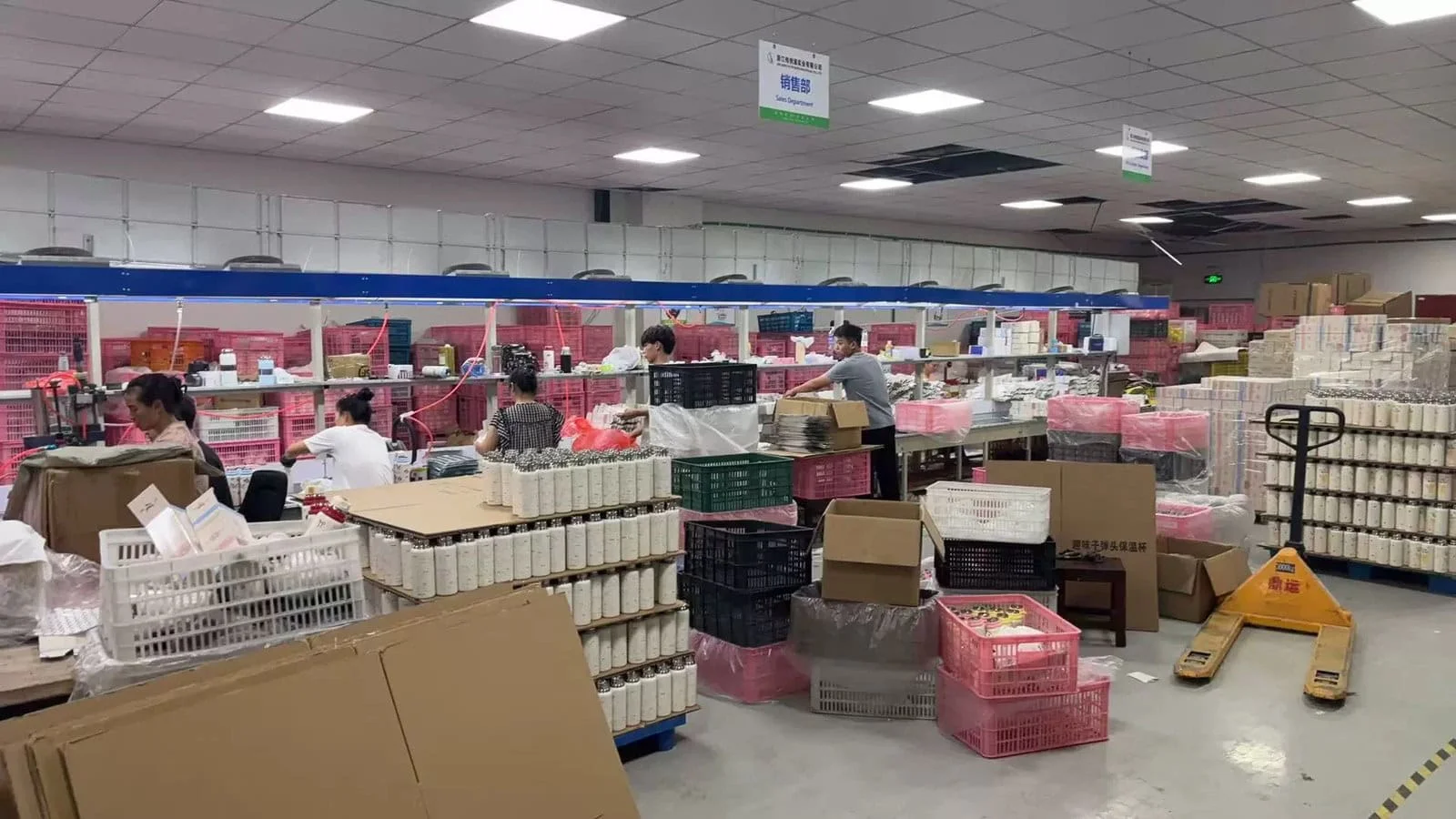
The first cost decision is the product structure. A vacuum-insulated tumbler, a single-wall stainless steel cup, and a stainless steel water bottle may share a capacity label, but they do not share the same body construction, component count, processing route, or assembly work.
Steel grade also matters. Within the stainless steel drinkware options discussed for these projects, 316L has the highest raw-material input. Buyers should state which component requires that grade rather than assuming every metal part is identical. Capacity and target weight then determine how much material the selected structure consumes.
Product architecture
Single wall or vacuum insulated, capacity, lid system, handle, straw, base parts, and the components that require a specified steel grade.
Quoted configuration
A written product description or confirmed sample reference so the buyer can see exactly which construction the price covers.
Cost driver 02
Why do weight and forming method change the quote?
Greater capacity or a higher target weight generally means more stainless steel and therefore a higher material input. Weight is also a product-feel decision: adding weight can create a more substantial hand feel, but extra mass should not be treated as an automatic improvement in every performance measure.
Forming method must be considered with the target construction. In BG Drinkware's production experience, hydroformed bodies are usually heavier because the material is expanded into shape rather than being stretched to the same degree. Stretch-formed vacuum bodies usually achieve better vacuum performance. These are factory-experience comparisons, not universal guarantees; tooling, geometry, joining, vacuum processing, and inspection still matter. Bottom stability is a separate acceptance issue: our guide to stainless steel tumbler wobble explains how base-pad fit and bottom tooling affect the finished product.
Comparison rule: ask every supplier to quote the same capacity, finished-unit weight requirement, body construction, inner-liner process, and vacuum-performance requirement. Otherwise, a lighter or heavier offer may simply describe a different specification.
Cost drivers 03–04
How do quantity, color splits, and Pantone matching affect price?
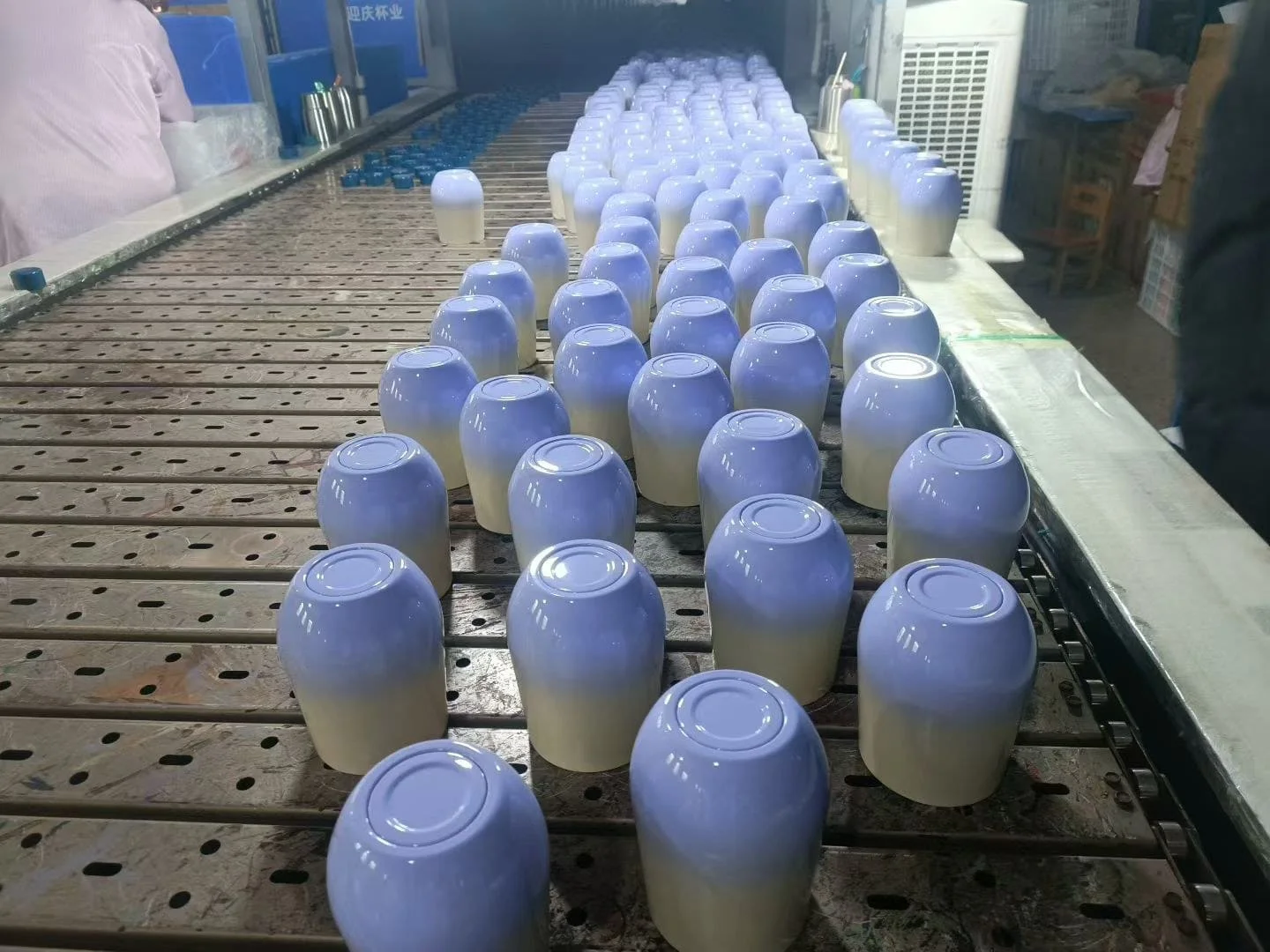
Total quantity is only the starting point. The factory also needs the quantity per color and per product version. Material purchasing lots, line allocation, changeovers, setup, and color minimums can make one 10,000-piece color different from ten 1,000-piece colors even when the total is unchanged.
A standard available finish is not quoted the same way as a custom Pantone color. Custom color matching adds manual color-mixing and approval work, and each additional color can create a separate setup and production decision. The quotation should state whether color approval, sample preparation, and later color splits are included.
Cost driver 05
Why can the same one-color logo receive different prices?
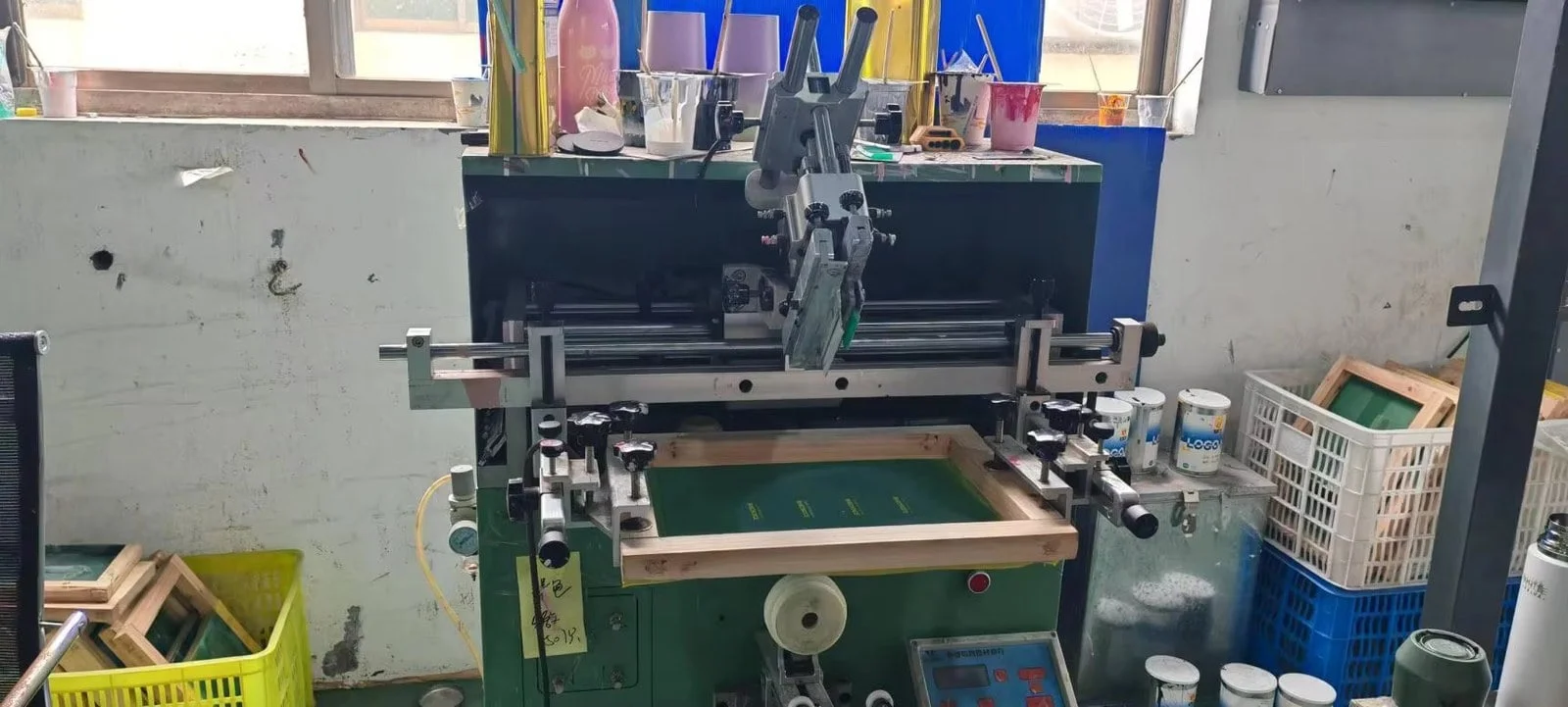
“One-color logo” does not define the process. The factory still needs the artwork, physical size, position, coverage around the curved body, color, and required appearance. It also needs to know whether the buyer expects screen printing, UV printing, heat transfer, hot stamping, laser marking, or rotary laser processing.
Screen printing and heat transfer can require plate or setup charges. In BG Drinkware's current experience, hot stamping and rotary laser are among the highest-cost common decoration processes because of their setup and processing requirements. A large design on a curved cup can also require rotary handling rather than a simpler fixed marking setup.
For a fair comparison, suppliers should quote the same decoration and customization method. Asking one supplier for UV and another for screen printing produces two valid but different offers—not evidence that one factory is simply more expensive.
For guide prices per piece by logo method, and mould costs, see custom drinkware costs.
Cost driver 06
How should lids, handles, and accessories be quoted?
Accessories are model-specific. A lid may be produced in-house for one project and supplied for another; silicone seals, packaging materials, and some plastic components may come from specialist suppliers. The quotation must therefore identify the exact lid version, color, seal, handle, straw, spare-part quantity, and assembly requirement.
MOQ can be driven by accessory or color requirements even when the stainless steel body itself is straightforward. BG Drinkware does not use one universal accessory surcharge or MOQ for every model. Those details should be confirmed against the selected components and order plan.
Cost driver 07
Why must packaging be specified before the quotation is final?
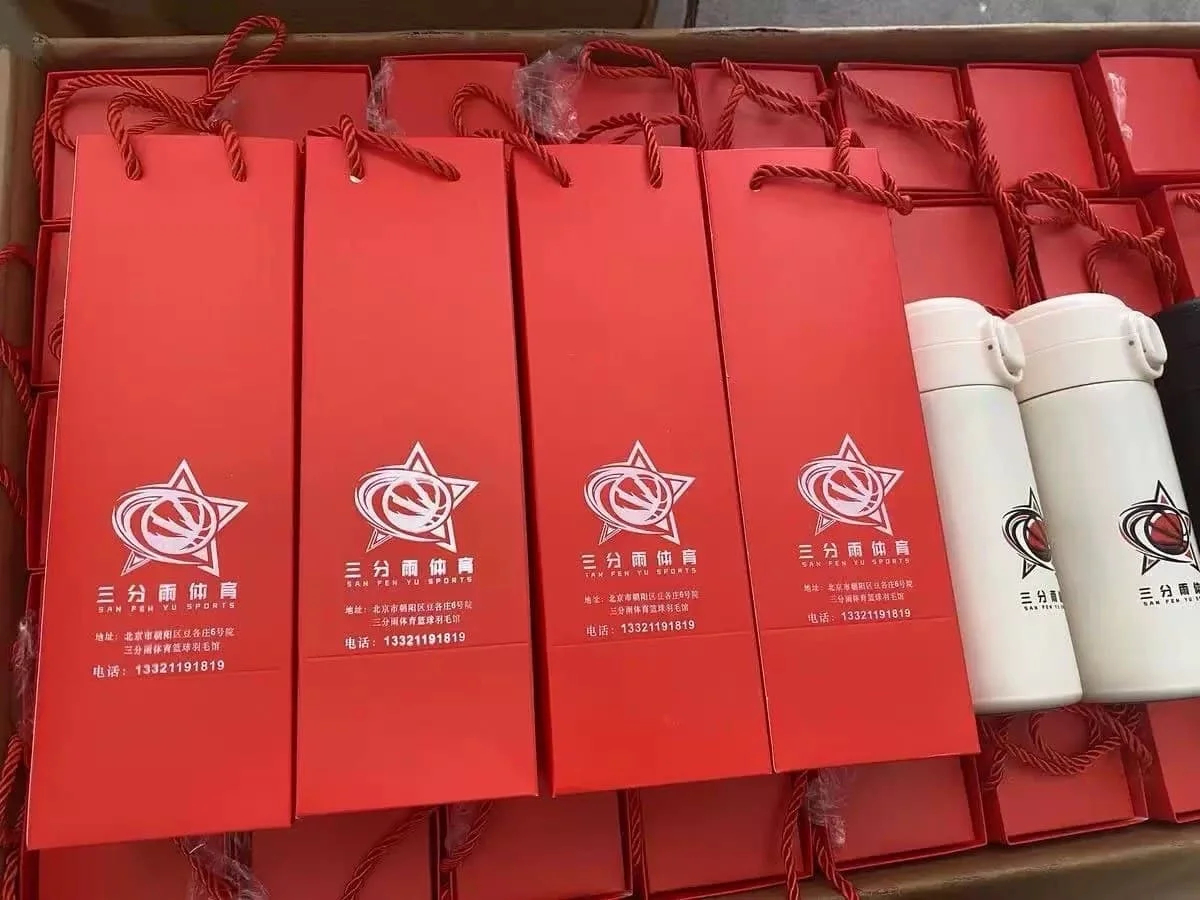
Custom drinkware packaging changes material consumption, printing, assembly labor, carton dimensions, and packing time. The buyer should define the individual protection, retail box, units per inner box or master carton, dividers, inserts, labeling, barcode, carton marks, and pallet requirements before comparing totals.
A customer first requested the product without specifying this pack count. When three-unit custom cartons were added later, the price rose because the smaller boxes required additional material and packing labor.
The lesson is not that a three-pack always costs more. It is that pack count, box dimensions, print, material, order quantity, and manual handling must be priced together before approval.
Cost driver 08
When do testing, rush timing, and trade terms add cost?
Food-contact testing and dishwasher-cycle testing should be separated from routine factory quality-control checks. BG Drinkware's normal production target is to make products capable of meeting the agreed requirement, but an external formal report creates an additional laboratory and documentation cost. The quotation should say which test, market, sample, report, and issuing body the buyer requires. For EU projects, the European Commission's food-contact materials overview is a useful starting point for confirming the applicable regulatory scope.
Rush orders can also add cost because material purchasing, line scheduling, changeovers, labor allocation, inspection, and shipping coordination may need to be reorganized. Payment and trade terms are confirmed by order rather than treated as one universal condition. A complete quote should therefore show the commercial basis as clearly as the product specification.
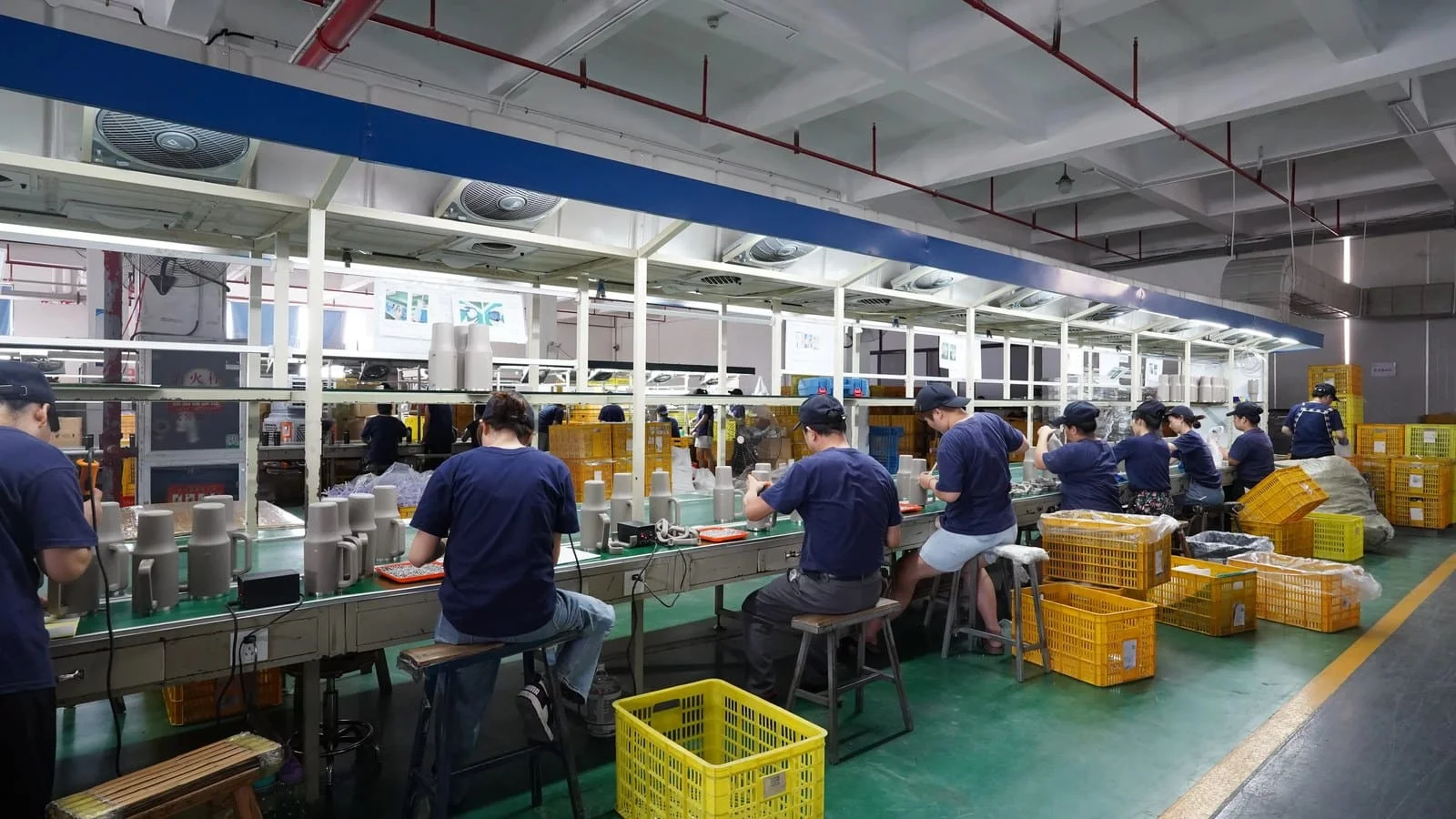
Quote comparison
How should buyers compare custom stainless steel tumbler pricing?
Custom stainless steel tumbler pricing becomes comparable only when each quotation states the same assumptions. Buyers should normalize the product and commercial scope before deciding whether a price difference represents efficiency, a different process, or a missing requirement.
Swipe horizontally to compare all columns.
| Compare | Confirm in writing | Why it changes the quote |
|---|---|---|
| Body | Capacity, finished weight, steel grade by component, single-wall or vacuum construction, forming route | Changes material and production inputs |
| Performance | Vacuum-performance requirement and inspection method where applicable | Prevents unlike body specifications being compared |
| Decoration | Artwork, dimensions, position, coverage, color, and exact process | Changes setup, fixtures, plates, and cycle time |
| Packaging | Individual pack, retail box, units per carton, inserts, labels, marks, and pallets | Changes materials, dimensions, and labor |
| Commercial scope | Quantity by SKU/color, test reports, schedule, payment, Incoterm, and quote validity | Changes purchasing, scheduling, risk, and included services |
RFQ checklist
What information should be sent before requesting a quote?
- Product type and reference model
- Capacity and target finished weight
- Steel grade by relevant component
- Body and inner-liner process requirements
- Vacuum-performance requirement if applicable
- Total quantity and quantity per color/SKU
- Pantone references and finish
- Logo artwork, size, position, and process
- Lid, handle, straw, seal, and spare parts
- Individual and master packaging
- Units per carton and printed box requirements
- Target market and required formal reports
- Requested completion date
- Payment and trade terms
- Final production order confirmation
The factory should notify the buyer before changing a confirmed specification. Final production should not proceed until the product, logo, color, weight, lid, packaging, quantity, schedule, and commercial terms are reflected in the final order confirmation.
Stainless steel tumbler pricing FAQ
Why are two stainless steel tumbler quotes so different?
They may cover different steel grades, weights, body processes, color splits, logo methods, accessories, packaging, reports, schedules, or terms. Normalize those assumptions before comparing the unit prices.
Does a heavier tumbler always perform better?
No. More weight can increase material cost and hand feel, but it does not automatically improve every performance result. Construction, forming, joining, vacuum processing, and inspection still matter.
Is 316L always required for custom drinkware?
No. The material should be selected by component, intended use, target market, and buyer requirement. When 316L is specified, its higher raw-material input should be visible in the comparison.
Why does a formal test report cost extra?
A formal food-contact or dishwasher-cycle report can require external laboratory testing, defined samples, administration, and documentation beyond routine production control. The exact report scope must be quoted for the project.
Can a manufacturer give an accurate price from a product photo?
A photo can start the discussion, but it does not define weight, material by component, logo process, color split, packaging, tests, timing, or trade terms. A reliable quote needs those inputs or clearly stated assumptions.
Confirm the specification before comparing prices.
Send the model, capacity, weight target, quantity and color split, artwork, decoration method, lid and accessories, packaging, reports, schedule, and trade terms. BG Drinkware can review which inputs need to be fixed before a production quote is finalized.