Is Stainless Steel Microwavable? What to Do With Steel Lunch Boxes, Food Jars and Tumblers
Ordinary stainless steel lunch boxes, insulated food jars and tumblers are not microwave-safe. Here is why, how to heat food safely, and when a specially labelled container may be an exception.
Stainless steel is not microwavable in ordinary use: a steel lunch box, insulated food jar or tumbler should not go in a microwave oven, because metal reflects microwaves instead of letting them reach the food. Reheat leftovers in a microwave-safe container to 165°F (74°C), then transfer into a preheated stainless jar if needed—do not microwave the steel itself. According to the FDA, microwaves pass through glass, paper and plastic but are reflected by metal, so food in a steel container heats unevenly and the oven may be damaged. USDA advice is to use cookware made for microwave ovens; specially designed metal containers are exceptions only when their packaging and the oven manual allow them. A double-wall vacuum food jar is metal on both walls, so the same rule applies. The practical method has three steps: heat the food in a microwave-safe glass or ceramic dish, reheating leftovers to 165°F; preheat the jar with hot water and empty it; then add the food and close the lid straight away. BG Drinkware can add a no-microwave mark to custom insulated food jars and tumblers.
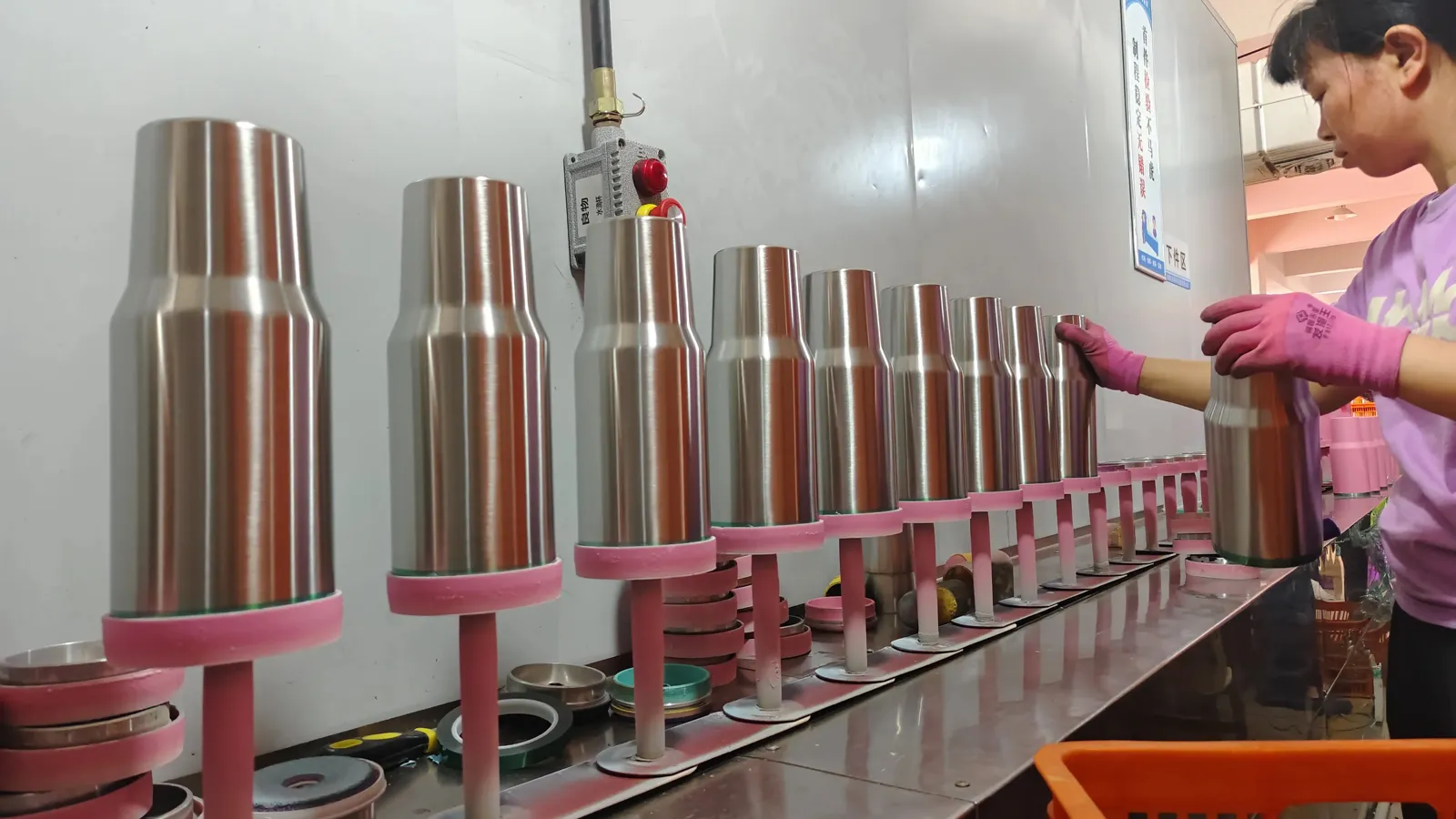
Why can't you microwave stainless steel?
An ordinary stainless steel container is not microwave-safe: metal reflects microwaves instead of letting them pass through to the food, so heating can be uneven and the oven may be damaged. Those limits sit inside broader stainless steel drinkware material limits.
A microwave oven heats food by making the water molecules in it vibrate. According to the FDA, microwaves pass through glass, paper and plastic but are reflected by metal. That is why microwave-safe dishes are made of those materials, and why the FDA says metal pans and aluminium foil should not be used in a microwave oven.
Microwave-safe glass or ceramicMicrowaves pass through the dish and heat the food inside.
Stainless steelMicrowaves are reflected by the metal, so the food inside doesn't heat properly.
Based on the FDA's description of how microwave ovens work. The diagram is simplified.
Which containers can go in the microwave?
Use glass, ceramic or plastic containers labelled microwave-safe. Do not use ordinary stainless steel containers or foil unless both the container instructions and oven manual specifically allow that use.
Glass
Look for a microwave-safe label.
Ceramic
Check the base or box for a microwave-safe mark.
Plastic
Some plastic containers should not be used in a microwave.
Stainless steel
Lunch boxes, bento tins, cups and pans.
Vacuum food jar
Two steel walls with a vacuum gap between them.
Insulated tumbler
Same double-wall steel build as a food jar.
Aluminium foil
Leave it out of the microwave too.
Unlabelled dish
Check the maker's instructions before use.
For an unlabelled dish, ask the manufacturer whether it is suitable for microwave use. Do not use a home heating test to assess a steel cup, food jar or other metal container. Choose a clearly labelled microwave-safe dish and follow both the dish and oven instructions.
Can you microwave a stainless steel food jar or insulated tumbler?
No. An insulated food jar or tumbler has two stainless steel walls, an inner and an outer one, so it has the same problem as a plain steel box, twice over.
- Outer steel wall: reflects microwaves before they reach the food.
- Vacuum gap: slows heat moving through the walls. That is what keeps food hot for hours, and it works against heating the jar from outside.
- Inner steel wall: a second metal barrier around the food.
- Lid: part of the same product, so it stays out of the microwave too.
All of BG Drinkware's stainless steel insulated products, including tumblers, bottles and food jars, are not microwave safe. Our explainer on how insulated water bottles work covers the vacuum layer in more detail.
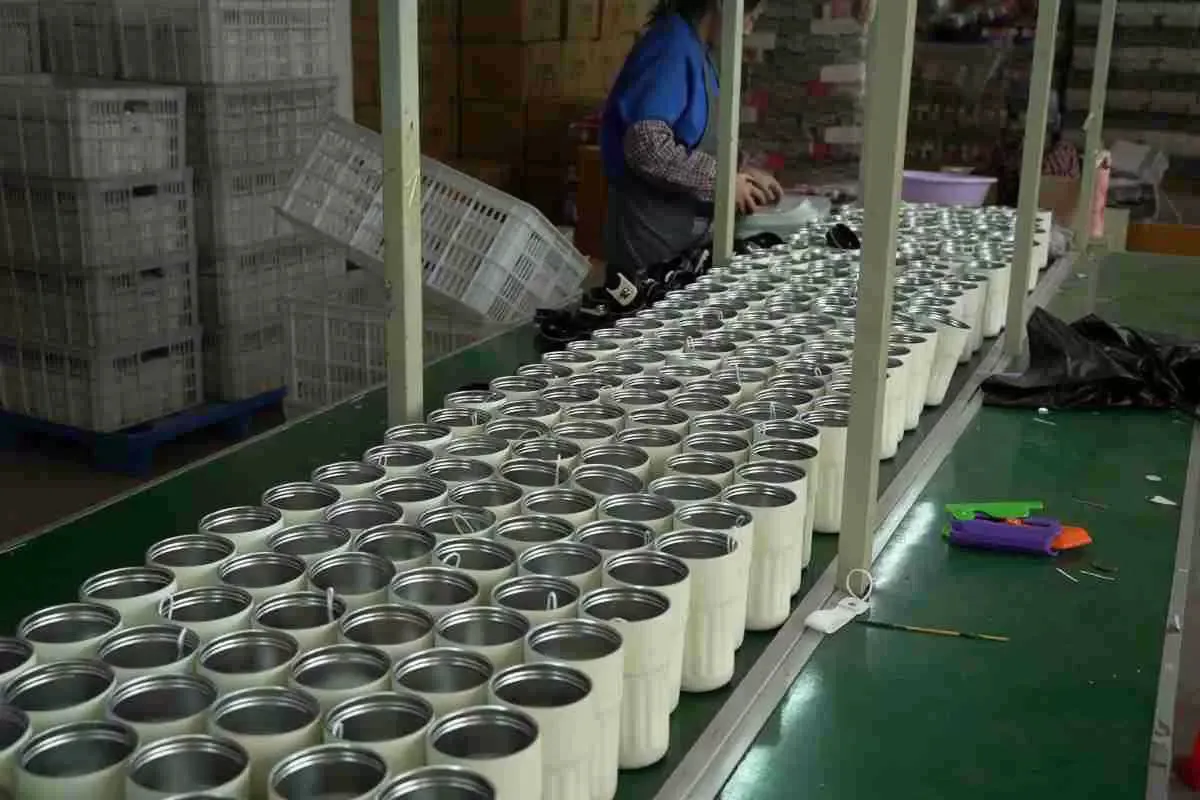
How do you heat food for a stainless steel lunch box or food jar?
Heat the food in a microwave-safe dish, let it stand, check the temperature, and then put it into a jar you have preheated with hot water.
- Preheat the jarFill the steel food jar with hot water, close the lid and let it stand while you heat the food. This is BG Drinkware's usual advice for its food jars, because a warm jar takes less heat from the food.
- Heat in a microwave-safe dishUse glass or ceramic labelled microwave-safe. If you use plastic wrap, don't let it touch the food.
- Let it stand, then checkUSDA advice is to allow standing time, then use a clean food thermometer. Reheat leftovers to 165°F (74°C).
- Empty the jar and fill itPour out the hot water, add the hot food and close the lid straight away.
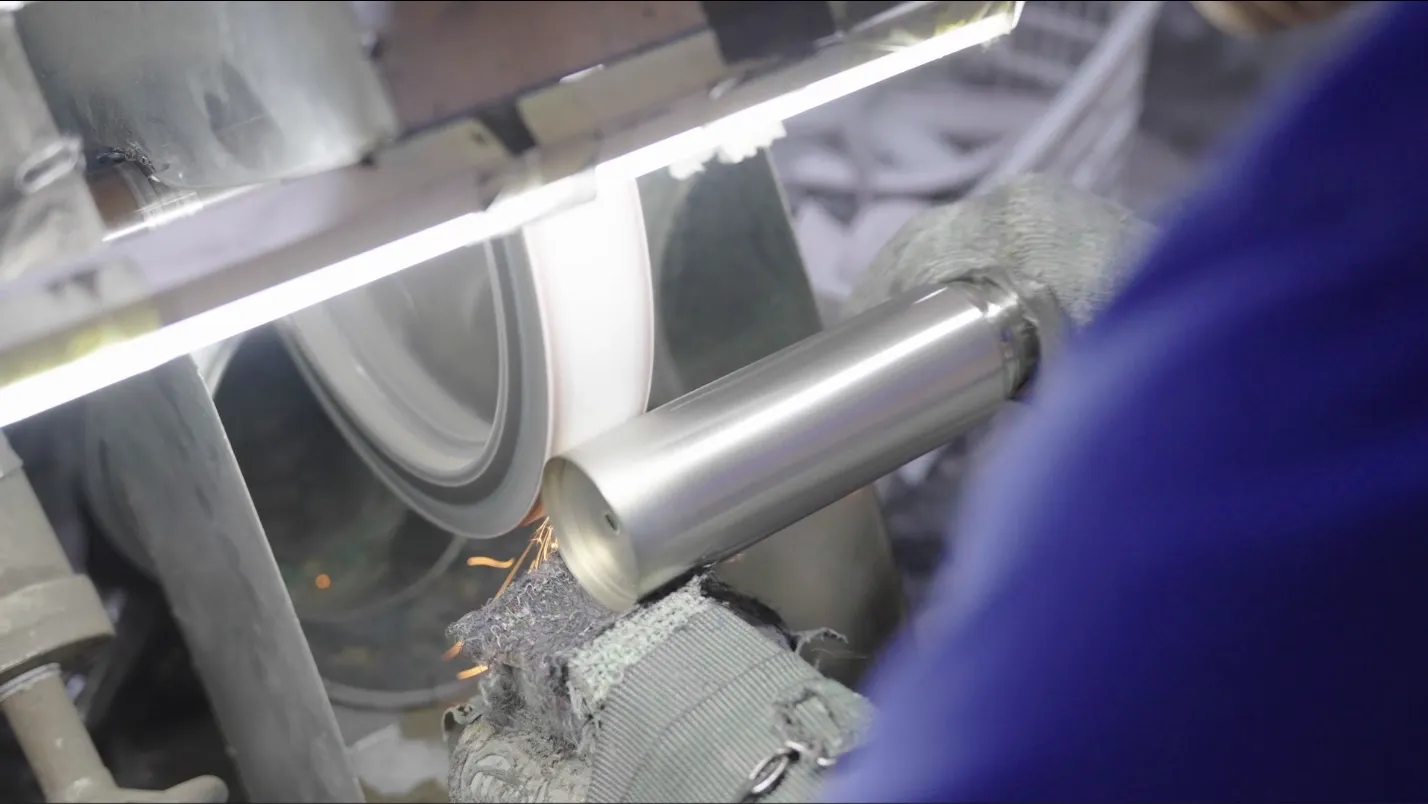
The same rule applies to tumblers and bottles. To have a hot drink in a steel tumbler, heat the drink in a microwave-safe mug or a kettle, then pour it into the tumbler. Don't put the tumbler in the microwave.
How should brands mark a stainless steel product as not microwave safe?
Put a "no microwave" symbol where the user will see it: on the base of the product, on the packaging, or both.
BG Drinkware can add a no-microwave symbol to the base of the product or to the packaging, whichever the buyer asks for. Add the matching line to the care card, for example "Not for microwave use." Align wording with care marks and packaging copy for heat warnings.
Care symbols are worth deciding together. If you are also choosing how to label dishwasher use, see what to check in our guide to dishwasher-safe water bottles.
For choosing a food jar, see insulated food jars.
Planning a branded run?
For a food jar or lunch container range, agree the care symbols and the "not microwave safe" warning with the supplier before the packaging is printed. See insulated food jars for bulk models. Samples of existing models take up to 7 days.
Microwave and stainless steel FAQ
Is stainless steel microwavable?
Ordinary stainless steel tumblers, food jars and lunch boxes are not microwave-safe. The FDA says metal pans generally should not be used because microwaves reflect off metal and food can heat unevenly. Use a microwave-safe glass or ceramic dish instead; only a specially labelled exception should be considered under its manufacturer's and oven's instructions.
Is there such a thing as microwavable stainless steel?
Some metal containers are sold as microwave safe. If yours is, follow that maker's instructions and your oven's manual. The general FDA and USDA advice is to use cookware made for microwave ovens, which means glass, ceramic or labelled plastic, not stainless steel. BG Drinkware's stainless steel insulated products are not microwavable.
Can you put a stainless steel lunch box in the microwave?
No. Take the food out, heat it in a microwave-safe dish, then put it back in the steel lunch box.
Can you microwave a thermos or insulated cup?
No. A vacuum-insulated thermos or cup has two stainless steel walls. Heat the drink or food separately and pour it in.
What is the best way to keep food hot in a stainless steel food jar?
Preheat the jar with hot water, empty it, then add food that has been heated thoroughly, reheating leftovers to 165°F, and close the lid straight away.
How can I tell if a container is microwave safe?
Look for a microwave-safe label and follow the container maker's and oven's instructions. Ask the maker about unlabelled containers. Do not test ordinary steel cups or food jars by putting them in a microwave.
For a branded drinkware project, compare our tumbler range and quality-control process. Confirm the intended use and care instructions for the exact model. More material questions are covered in Materials & Construction.
Sources
Making stainless steel food jars or tumblers?
Tell us the product, the size and where it will sell. BG Drinkware will add the no-microwave symbol and care text that fit your packaging.