Non-Toxic Water Bottles: Is a Stainless Steel Water Bottle Safe to Drink From?
"Non-toxic" is not one material. It is every part the drink touches, plus a few it does not. Here is how to check a stainless steel bottle part by part.
By Feng, Head of After-Sales Service & Online Marketing Lead
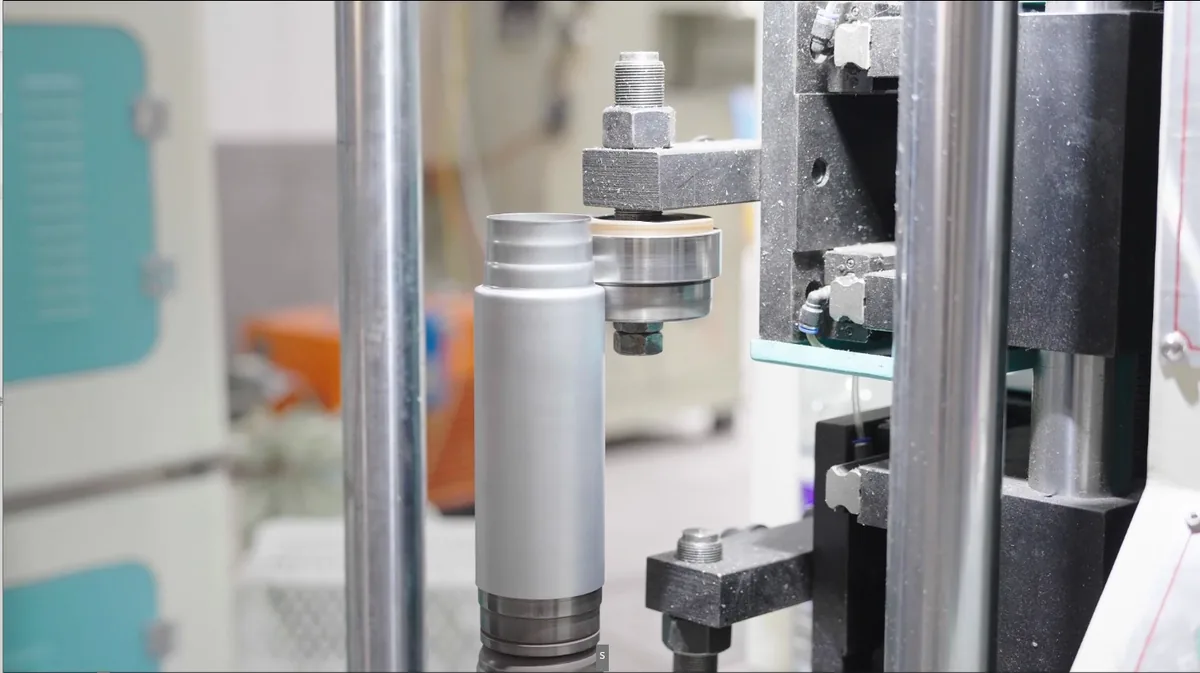
A stainless steel water bottle is safe to drink from when the inner wall that touches the drink is a food-contact grade such as 304 or 316, and when the parts around it are also checked. 304, the grade usually described as 18/8, has 18–20% chromium and 8–10.5% nickel according to SSINA, and 316 adds 2–3% molybdenum. Three other parts also need checking: the material that seals the vacuum under the base, which in some designs contains lead; the outer coating and print; and the plastic and silicone in the lid, straw and seal. BG Drinkware, a drinkware manufacturer in Yongkang, China, uses a 304 inner wall as standard, can upgrade it to 316, and seals the vacuum with lead-free melt-sealing material. Existing material and food-contact reports can be shared, or new tests run for an order.
What makes a water bottle non-toxic?
Check the parts that touch the drink first, then the hidden and outer ones.
- Lid and straw touches the drink
PP, Tritan or SK copolyester, silicone or stainless steel. - Lid seal touches the drink
Usually silicone; it should be food grade. - Inner wall touches the drink
304 or 316 stainless steel, or a ceramic lining over steel. - Outer wall and coating touches the hand
201 or 304 steel, with spray paint, powder coat and print. - Vacuum seal under the base hidden
The sealing material, which in some designs contains lead.
A "non-toxic" claim on a listing often describes only the steel. A buyer should ask about all five parts, because each one is a different material with its own test. See stainless steel drinkware.
Is stainless steel safe to drink from?
304 and 316 are the grades used for the wall that touches the drink.
The chromium in stainless steel forms a thin chromium-rich oxide layer on the surface, which re-forms when scratched and is what makes the steel resist rust. The Specialty Steel Industry of North America (SSINA), a producers' trade association, gives the composition ranges above. On a bottle, the grade that matters most is the inner wall; 201 should stay on the outer wall; at BG Drinkware it is used only there. Our guide to 18/8 vs 304 vs 316 explains how to write each wall's grade into an order.
Some buyers prefer a ceramic lining over the steel for taste. At BG Drinkware the lining is white, sprayed on the inside wall only and baked on; see ceramic coated tumblers.
Can a stainless steel water bottle contain lead?
The steel is not the usual question. The vacuum seal and the coating are.
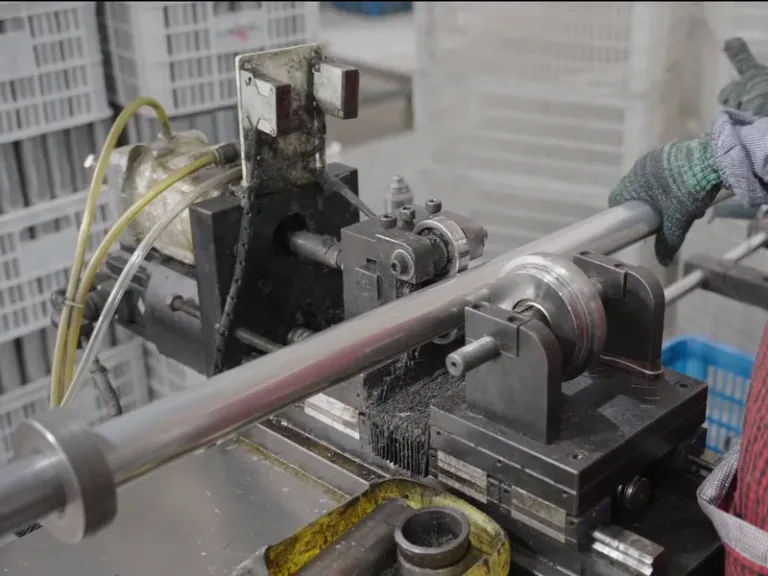
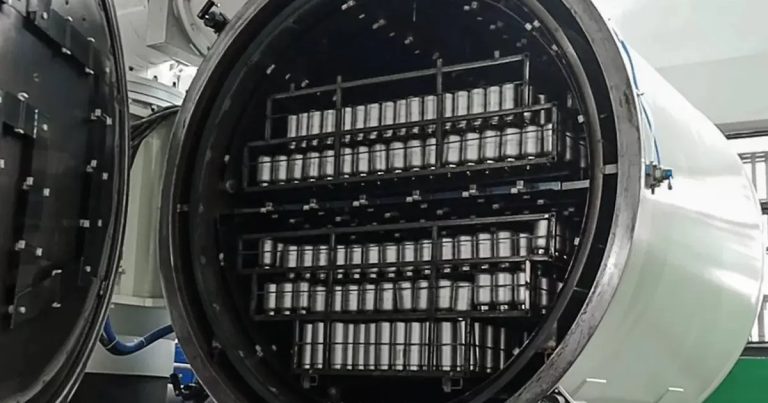
Some vacuum bottles close the opening in the outer base with a lead-bearing sealing material, hidden under a steel cap. It is not in contact with the drink in normal use, but it can be exposed if the base cap comes off, and it matters for a "lead-free" claim. BG Drinkware uses lead-free melt-sealing material with a vacuum furnace process suited to it. Outer coatings and printed decoration are separate materials and need their own lead answer.
Are the plastic lid and straw safe?
Ask what each plastic part is made of, and for its test report.
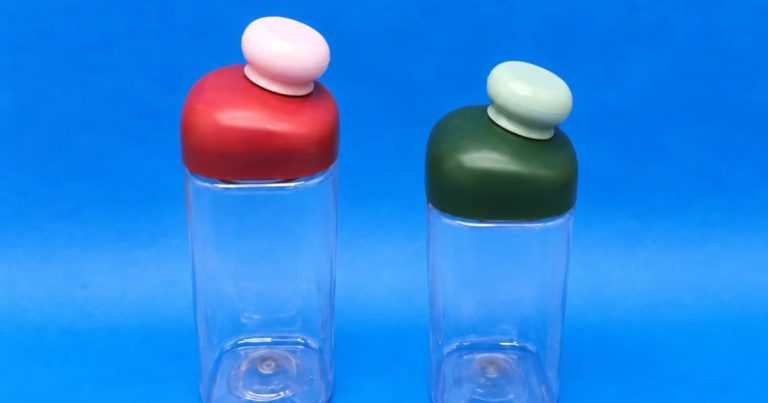
The lid and straw are often plastic even on a steel bottle. BG Drinkware supplies straws in PP, Tritan, SK copolyester, silicone and stainless steel, and on its standard insulated build the seals are food-grade silicone. A "BPA free" claim should be backed by a material declaration and a test report for the finished part, not only the resin name, because colorants and additives are part of the finished component. See BPA free water bottles in bulk for what to request.
Stainless steel, glass or plastic: which is the safest water bottle?
Each can be safe; they fail in different ways.
| Body material | What to check | Practical risk |
|---|---|---|
| Stainless steel | Inner wall grade, vacuum seal material, coating, lid plastics | Hidden seal or coating not covered by the "steel" claim |
| Glass | Lid and sleeve materials | Can break if dropped |
| Plastic | Resin type and a test report for the finished bottle | Claims based on the resin name only |
For a side-by-side of the two most common bottle materials, see stainless steel vs plastic water bottles.
What should you ask a supplier before ordering?
Turn "non-toxic" into a list of parts, grades and reports.
- The steel grade of the inner wall and of the outer wall.
- The vacuum sealing material, and whether it is lead-free.
- The coating and print materials on the outside.
- The material of the lid, straw and seal.
- Which material or food-contact reports exist, and which tests will be run for this order, with the method and limits.
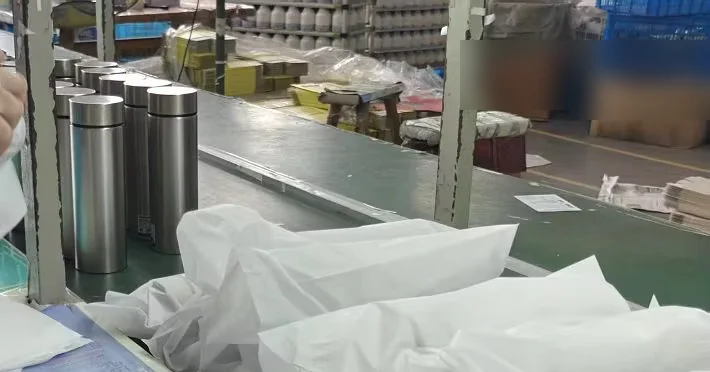
BG Drinkware can share existing material and food-contact reports or run new tests for an order. The standard minimum order is 500 pieces and negotiable, a sample of an existing model takes up to 7 days, and bulk production takes 7–12 days after sample approval.
Safe use matters too: stainless steel bottles should not go in a microwave or, if vacuum insulated, in a freezer, and lids and seals need regular cleaning to stop mold.
Planning a branded run?
If you are sourcing bottles for a brand, ask which parts touch the drink and which test reports cover each of them. See our food-contact test reports and custom water bottles.
Non-toxic water bottle FAQ
Is it safe to drink from a stainless steel water bottle every day?
Yes, when the inner wall is a food-contact grade such as 304 or 316 and the lid, straw and seal are suitable for food contact. Clean the bottle and lid regularly, let parts dry, and replace a seal or straw that keeps a smell or stain. Do not put stainless steel in a microwave or a vacuum bottle in a freezer.
Do stainless steel water bottles leach metals?
Traces of metal can be released from any steel, more so with acidic or salty drinks stored for long periods. Food-contact grades such as 304 and 316 are chosen because they resist corrosion in normal drinking use, and 316 resists chlorides better than 304. If a market needs a figure, ask for a migration or food-contact test on the inner wall rather than relying on the grade alone.
Is 201 stainless steel safe in a water bottle?
On BG Drinkware's standard insulated bottles, 201 is used only for the outer wall, which does not touch the drink, while the inner wall is 304 or 316. If a bottle uses 201 on the inner wall, ask why and what report covers it. The outer wall can also be made in 304 if the buyer specifies it.
Are lead-free water bottles really lead-free?
Only if every relevant part is. The steel is rarely the issue; the vacuum sealing material under the base, the outer coating and the printed decoration are. BG Drinkware uses lead-free melt-sealing material. For a lead-free claim on a whole product, specify the coating, print and accessories as well, and agree the test method and limits for your market.
What reports should I ask for?
Ask for material reports for the steel grades, food-contact reports for the inner wall, lid, straw and seal, and any lead or substance tests your market requires. BG Drinkware can share existing material and food-contact reports, or run new tests for an order. Check that each report names the material or part it covers.
Sources
Need the reports for your market?
Tell us the bottle, the market and the claims you plan to make. BG Drinkware can share existing material and food-contact reports where they cover your bottle, or plan new tests for your order.