Why Blank Tumbler Coatings Change Between Batches, and How Print Shops Plan for It
Two cartons of the same blank can press, engrave or look slightly different when they come from different coating batches. Here is what changes, what is normal, and how to keep it from stopping a production run.
By Feng, Head of After-Sales Service & Online Marketing Lead
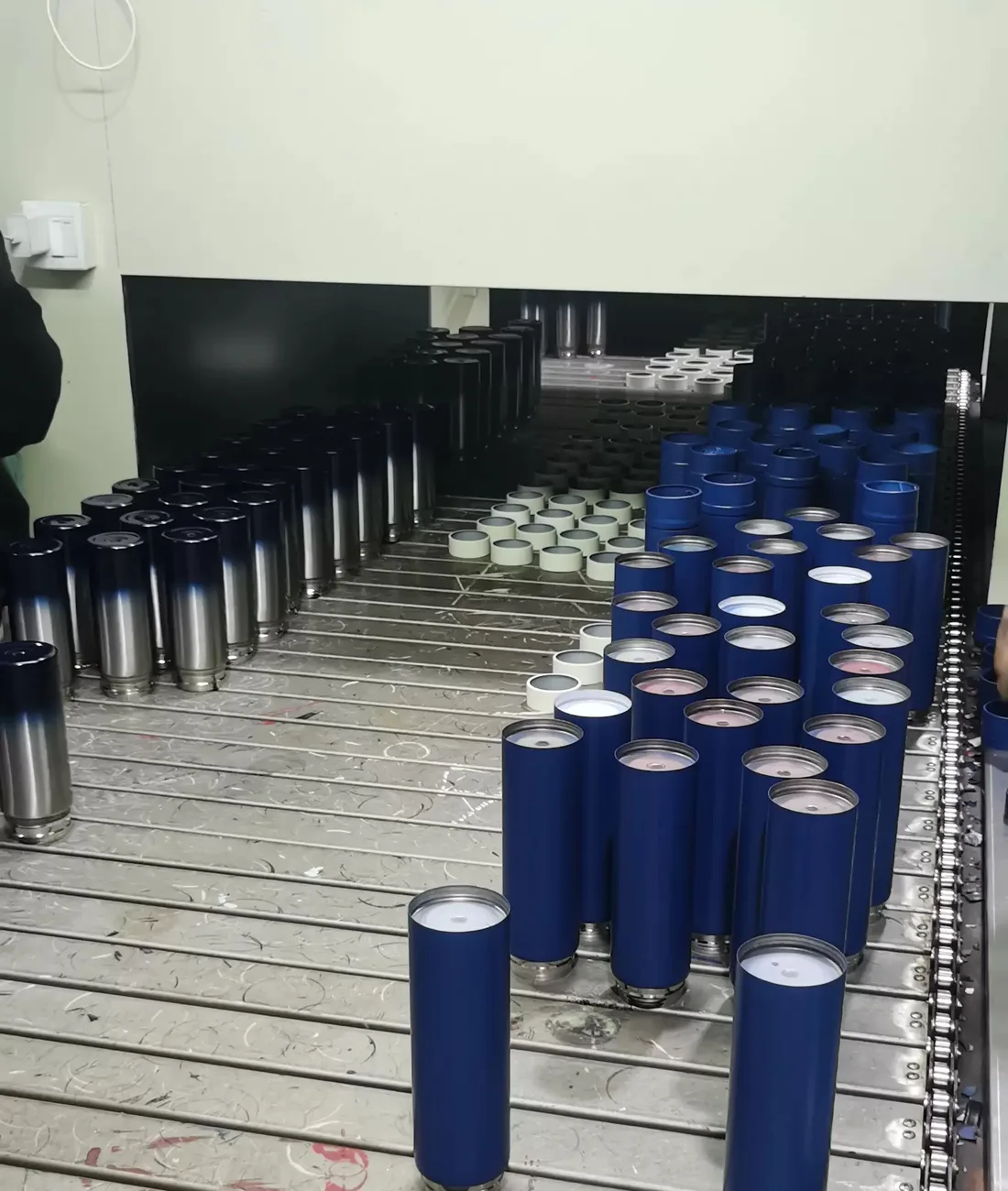
Blank tumbler coatings change slightly between batches because each batch is a separate run of coating material, film thickness and curing, so shade, gloss, texture and the way the surface takes a transfer or a laser can shift a little. A small difference is normal and cannot be removed entirely; peeling, bare spots or a clearly different colour are defects. BG Drinkware, a drinkware manufacturer in Yongkang, China, applies powder coating in-house, while spray paint and sublimation coating are applied by outside partners. A repeat order cannot be guaranteed to come from the same batch as the first one. Print shops can plan around this in four ways: buy a run's full quantity in one order, keep one unit from each batch, test-print or test-engrave the first units of a new batch, and avoid mixing batches in one gift set. Blanks without a logo start at 300 pieces and decorated orders at 500 pieces, negotiable, and a sample of an existing model takes up to 7 days.
Why do blank tumbler coatings vary from batch to batch?
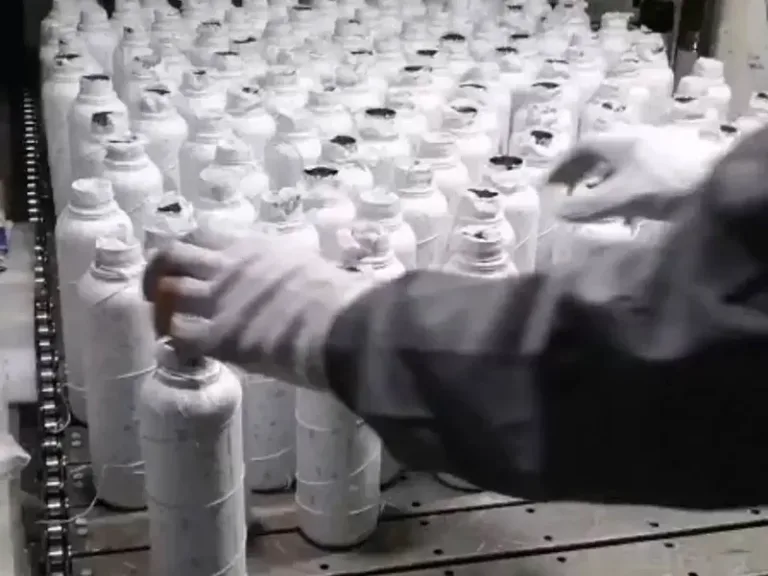
A coating batch is one run of material through spraying and curing. A new run can use a new lot of coating material, a slightly different film thickness and its own curing conditions, and each of these can move the finished surface a little. The result is a small, visible shift rather than a different product.
The same thing happens on any coated metal product, which is why coating standards describe colour in terms of an agreed tolerance rather than a perfect match. Some causes sit in the coating material itself, and some sit in how it is applied.
Coating material lot
A new lot of powder or paint can sit slightly away from the last one, even under the same colour name.
Film thickness
A thicker or thinner layer changes how deep a colour looks and how a laser cuts through it.
Curing
Curing sets the coating's hardness, gloss and surface. A small change in the cure shows up as a change in sheen or feel.
Who applies it
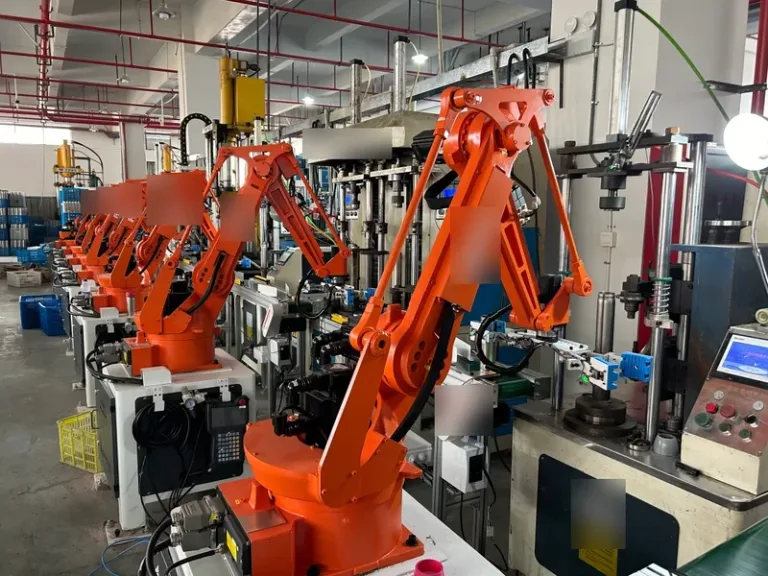
At BG Drinkware, powder coating is done in-house; spray paint and sublimation coating come from outside partners.
What changes when the coating batch changes?
Four things can move: the shade, the gloss, the feel of the surface and how it takes decoration. For a print shop the last one matters most, because a setting that worked on the last carton may give a lighter transfer or a different laser mark on the next one.
| What changes | Where you notice it | What to do |
|---|---|---|
| Shade | Two tumblers side by side, especially white and pale colours | Compare against a unit kept from the last batch, in the same light |
| Gloss | Reflections look sharper or softer | Name the finish (gloss, matt) on the order, and compare at an angle |
| Feel | Texture or smoothness in the hand | Keep a reference unit; a photo does not show it |
| Sublimation result | Transfer colour looks lighter or stronger on the same settings | Test-print the first units of each new batch before the full run |
| Laser mark | Mark looks whiter, greyer or less clean on the same file | Test-engrave one unit and adjust the settings before the run |
Laser results can shift even within one order. In a 2026 corporate gift order on white-painted bottles, the same logo file gave three different results on BG Drinkware's laser machine. The coating's surface film, the laser power and the machine all played a part, and the logo was only signed off after the settings were tuned. The full case is in laser engravable tumblers.
Which batch differences are normal, and which are defects?
A slight shift in shade, gloss or feel that you only see when two batches stand side by side is normal. Damage to the coating itself is not: peeling, bare metal, bubbles, heavy runs or a clearly different colour should be reported. Agree the line in writing before bulk, so both sides judge the same way.
| You see | Usually | Next step |
|---|---|---|
| Slight shade or gloss shift, visible only side by side | Normal batch variation | Keep batches apart; adjust print settings if needed |
| Transfer or laser mark changes on the same settings | Normal batch variation in the surface | Run test pieces and record the new settings |
| Clearly different colour from the approved sample | Possible defect | Photograph next to the kept unit; send with the order reference |
| Peeling, flaking, bare metal or bubbles | Coating defect | Set the units aside, photograph them and report them |
Colour tolerance is easier to agree when both sides use the same method. ISO 3668 describes how to compare paint colours by eye under set lighting, and ASTM D2244 describes how instruments express a colour difference as a number. Either gives the conversation a reference point that a screen photo cannot.
How can a print shop plan around coating batches?
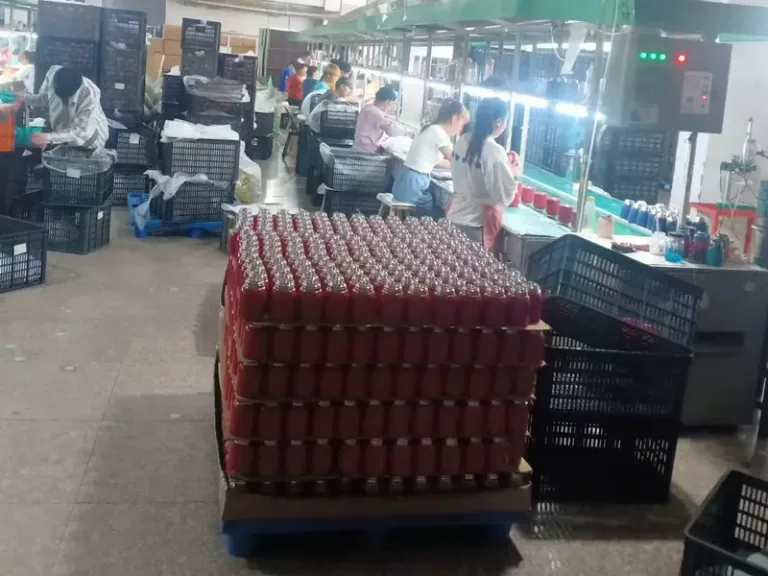
Treat each batch as its own material. Buy a run in one order where you can, keep a reference unit from every batch, test the first units of a new batch, and keep batches separate in stock. These habits turn a batch change from a surprise into a short setup step.
- Order a run's full quantity at onceUnits in one order are more likely to share a batch than units bought in several small reorders.
- Keep one unit from every batchLabel it with the order reference and date. It is your reference for shade, feel and print settings.
- Test before the full runPress or engrave the first two or three units of a new batch and record the settings that work.
- Keep batches apart in stockDo not mix batches in one gift set, display or customer order, where side-by-side differences show most.
- Quote the approved sample on a reorderPut the order reference of the approved sample on the purchase order, and compare the new batch against your own kept unit when it arrives.
To check a delivery on arrival, use our blank tumbler inspection checklist and test-print log. For approving a sample that bulk is measured against, see golden sample, and for brand colours, Pantone colour matching for tumblers.
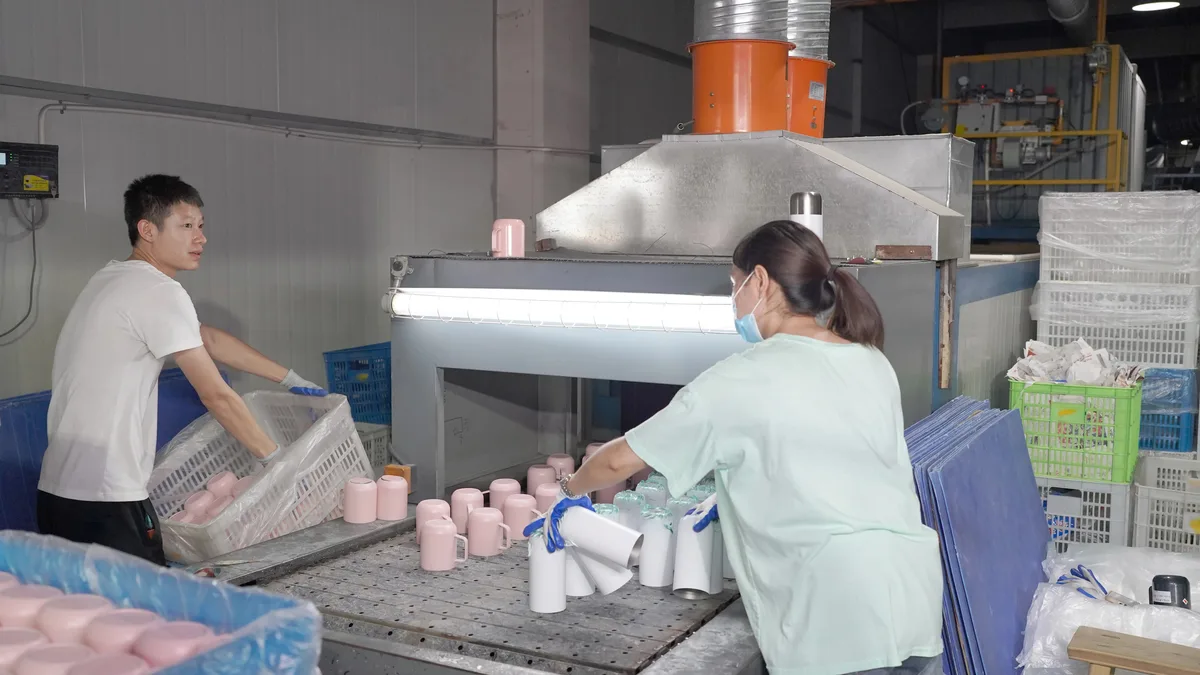
How does BG Drinkware handle coating batches?
BG Drinkware applies powder coating in-house and works with outside partners for spray paint and sublimation coating. Slight variation between batches is normal for all three, and a repeat order cannot be guaranteed to come from the same batch, so ask for the approved sample and a written colour reference to be kept as the standard for reorders.
Sublimation-coated bodies are checked when they come back from the coating partner, and defective units are picked out.
Every vacuum bottle is temperature-tested unit by unit before it ships, and the number of test rounds follows the buyer's requirement. Logo method depends on the surface: bare stainless steel takes screen printing or laser marking but cannot be UV printed, and heat transfer needs a sublimation coating. See powder coating and dye sublimation for the processes, and quality control for the checks on bulk.
Blanks without a logo start at 300 pieces. For decorated orders, the standard minimum is 500 pieces, negotiable, with some models from 100 pieces per colour. A blank sample is charged, and the charge is credited against the bulk order. A sample of an existing model takes up to 7 days, and bulk production takes 7–12 days after sample approval. For blank models, see tumblers and stainless steel drinkware.
Coating batch FAQ
Short answers to the questions print shops and brands ask when a new carton of blanks does not look or press quite like the last one. Each answer follows the same rule as this guide: a small shift is normal, damage to the coating is a defect, and testing the first units saves the run.
Why does my new batch of blanks press lighter than the last one?
The coating surface can differ slightly between batches, in film thickness, cure or material lot, so the same time and temperature can give a lighter or stronger transfer. Press two or three test units from the new batch, adjust the settings, and record what worked against that batch's order reference.
Can a supplier guarantee every reorder matches the first batch?
Not exactly. Each coating batch is a separate run, so a slight shift in shade, gloss or feel is normal. BG Drinkware cannot guarantee a repeat order comes from the same batch. Quote the approved sample's order reference on the reorder, compare the delivery against your kept unit, and agree in writing what counts as an acceptable difference.
Is a slight colour difference between batches a defect?
Usually not. A small shade or gloss difference that shows only when two batches stand side by side is normal variation. A clearly different colour from the approved sample, peeling, bare metal or bubbles should be photographed next to your reference unit and reported with the order reference and the number of units affected.
Do laser engraving settings change between batches?
They can. The coating's surface film and thickness affect how the laser removes it, so a file that marked cleanly on one batch may look greyer or less sharp on the next. Engrave two or three test units from each new batch and adjust power and speed before running the order.
How do I stop mixed batches showing in a gift set?
Keep each batch separate from receiving to packing, and label cartons with the order reference. Build each gift set, display or customer order from one batch only. Differences that nobody notices on a single tumbler become obvious when two batches stand next to each other in one box.
Sources
Buying coated blanks in bulk?
Send the capacity, quantity, model, colour, logo method, packaging, payment terms and trade terms for a quotation.