AQL Inspection for Drinkware: Levels, Sample Sizes and What Gets Checked
AQL inspection decides how many bottles are checked from a bulk order and how many defects are allowed before the lot fails. Here is how the levels work, what a drinkware checklist covers, and how BG Drinkware inspects.
By Feng, Head of After-Sales Service & Online Marketing Lead
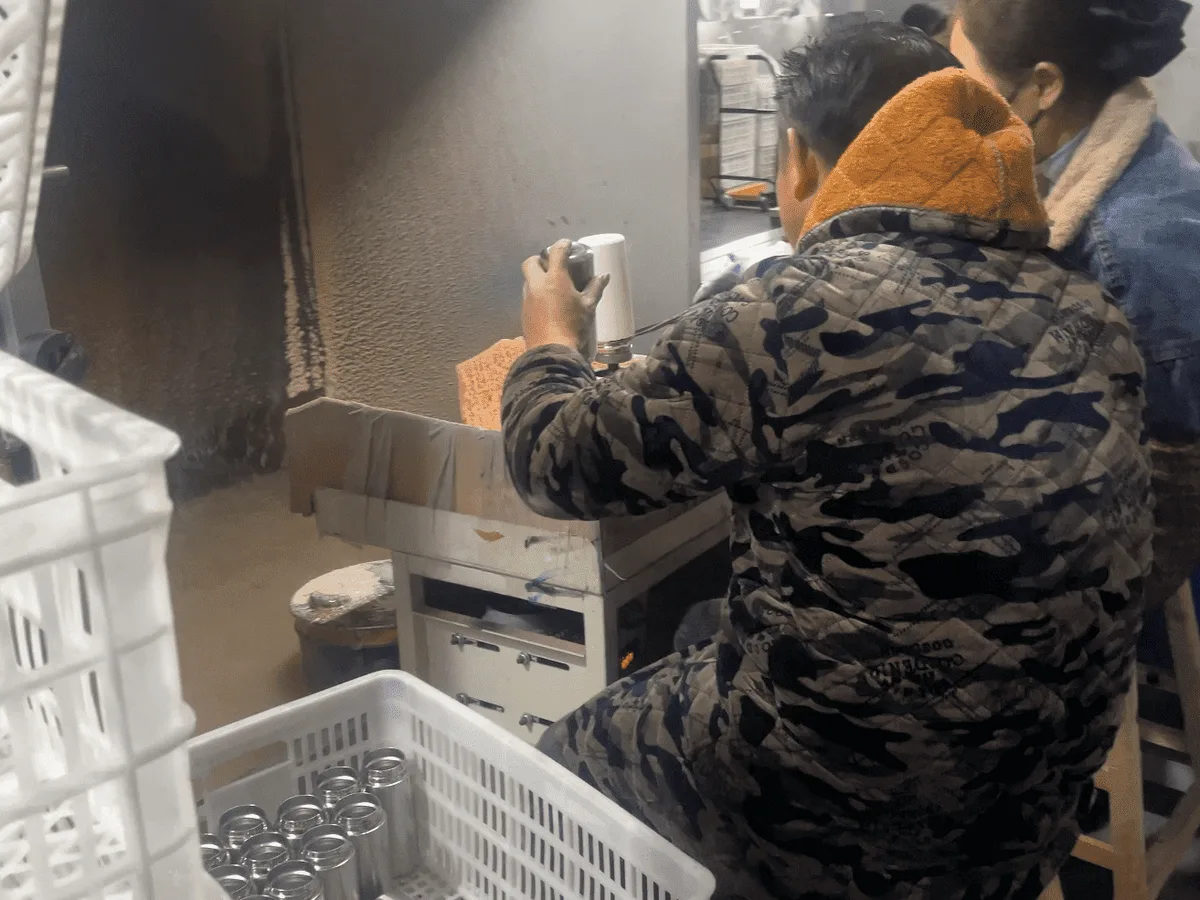
AQL inspection is a sampling method from ISO 2859-1: instead of checking every unit, an inspector checks a set number of bottles from the lot and accepts or rejects the whole lot by how many defects are found. Two settings define it: the inspection level, which sets the sample size, and the acceptance quality limit (AQL), which sets how many defects are allowed. A common drinkware setting is General Inspection Level II, with AQL 2.5 for major defects and 4.0 for minor ones. BG Drinkware, a drinkware manufacturer in Yongkang, China, uses Level II with AQL 2.5 and 4.0 for its own inspection, and accepts third-party inspection by firms such as SGS or QIMA, or by the buyer's own QC team, before shipment. AQL sampling sits on top of 100% checks: every vacuum bottle is temperature-tested unit by unit before shipping. For a lot of 3,201 to 10,000 pieces at Level II, the sample is 200 units.
What is AQL inspection?
AQL stands for acceptance quality limit. It is defined in ISO 2859-1, which links the lot size and inspection level to a sample size, and the AQL value to the number of defects allowed in that sample. If the defects found are at or below the acceptance number, the lot passes; above it, the lot fails.
The method is a trade-off: checking a sample is far quicker than checking every unit, at the cost of some risk that a few defective units pass. That is why functional checks on drinkware, such as vacuum insulation, are better done on every unit rather than by sampling. For BG Drinkware's checks, see quality control.
Which AQL levels are used for drinkware?
Defects are sorted into classes, each with its own AQL. Critical defects could harm the user or break a legal rule, major defects make the product unfit to sell, and minor defects are cosmetic. A common setting is zero tolerance for critical, 2.5 for major and 4.0 for minor, at General Inspection Level II.
| Class | Drinkware examples | Common AQL |
|---|---|---|
| Critical | Sharp edge on the rim, wrong material, missing safety warning | 0 (none accepted) |
| Major | Leak, lost vacuum, lid that does not close, wrong colour, logo missing or misplaced | 2.5 |
| Minor | Small scratch, light coating speck, slight logo offset | 4.0 |
If you need a setting other than BG Drinkware's standard one, agree it in writing before production.
How many units are checked in an AQL inspection?
The sample size depends on the lot size and the inspection level. At General Inspection Level II, ISO 2859-1 gives a sample of 125 units for a lot of 1,201 to 3,200 pieces, and 200 units for 3,201 to 10,000. The AQL then sets how many defects are allowed in that sample.
| Lot size | Sample | AQL 2.5 accept / reject | AQL 4.0 accept / reject |
|---|---|---|---|
| 1,201–3,200 | 125 | 7 / 8 | 10 / 11 |
| 3,201–10,000 | 200 | 10 / 11 | 14 / 15 |
For example, in a 5,000-piece order checked at Level II, 200 bottles are inspected. The lot passes if 10 or fewer have major defects and 14 or fewer have minor defects. Check the current standard for other lot sizes.
What should a drinkware inspection checklist include?
Write the checklist from the approved sample and the purchase order, so the inspector checks the same things the buyer approved. Cover appearance, function, decoration, packing and quantity. A clear checklist matters more than the AQL figure, because an inspector can only fail what is written down.
- Appearance. Coating colour against the approved sample, scratches, dents, specks.
- Function. Lid fit and seal, leak check, vacuum insulation, straw fit.
- Decoration. Logo position, size and colour; adhesion tests if agreed, such as cross-cut.
- Packing. Inner box, labels and barcodes, carton marks, pieces per carton.
- Quantity. Cartons and units against the packing list.
Cross-cut adhesion and dishwasher tests can be done to the buyer's requirements. For an approved reference, see golden sample, and for lids, lid, seal and straw checks.
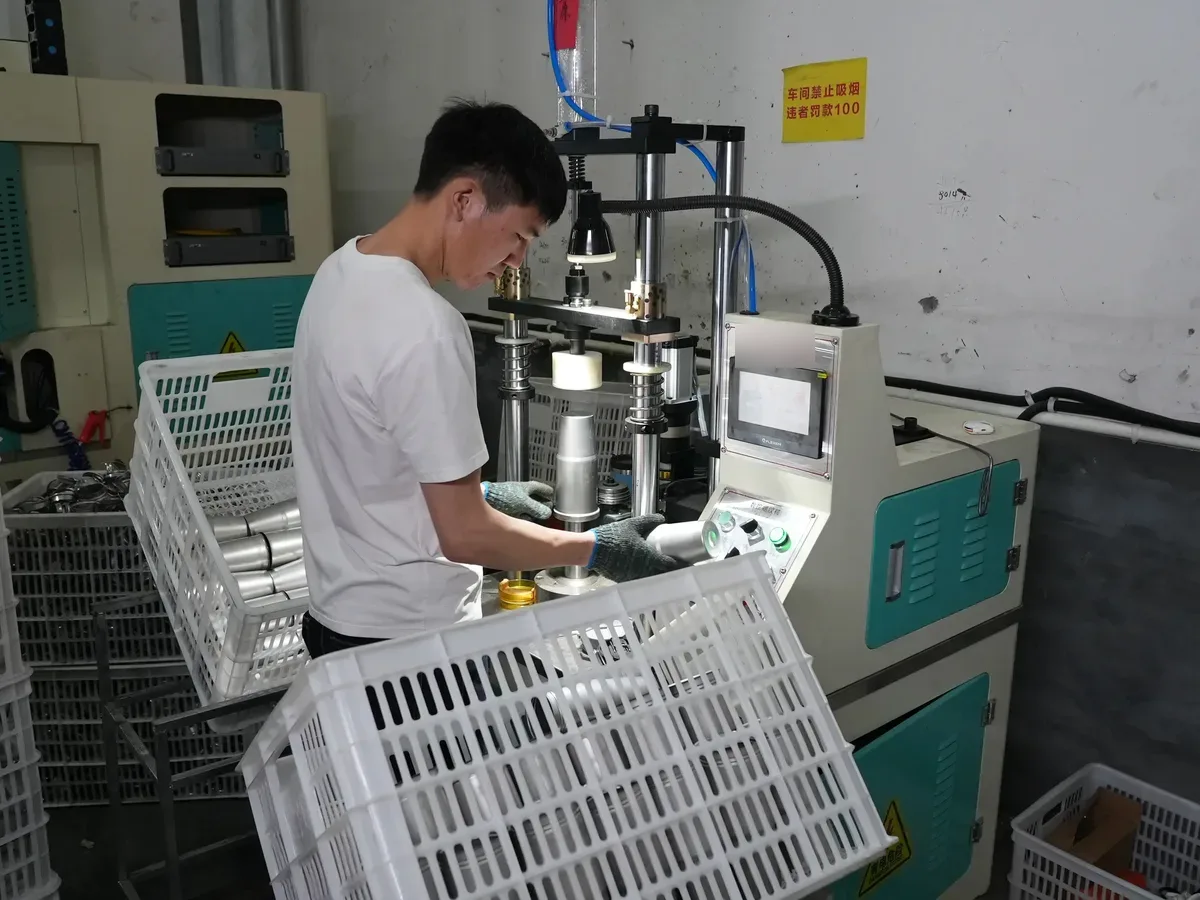
Can you send your own inspector?
Yes. BG Drinkware accepts third-party inspection before shipment, by firms such as SGS or QIMA, or by the buyer's own QC team. Book the inspection when production is complete and most of the order is packed, so the inspector samples from finished cartons, and share the checklist in advance.
Agree in advance what happens if a lot fails: rework and re-inspection, and who pays for the second visit. For how bulk is approved against the sample, see sampling, and for checking a delivery on arrival, our inspection checklist.
AQL inspection FAQ
Short answers to the questions buyers ask most about AQL inspection for drinkware: which level to use, how many units are checked, whether a third-party inspector is allowed and which checks should not rely on sampling. Each answer follows ISO 2859-1 and BG Drinkware's own practice.
What AQL level should I use for water bottles?
A common setting is General Inspection Level II, with zero critical defects allowed, AQL 2.5 for major defects and AQL 4.0 for minor ones. BG Drinkware uses Level II with AQL 2.5 and 4.0 for its own inspection. Agree the setting and the defect list in writing before production starts.
How many bottles are checked in an AQL inspection?
It depends on the lot size. At General Inspection Level II, ISO 2859-1 sets a sample of 125 units for 1,201 to 3,200 pieces and 200 units for 3,201 to 10,000 pieces. The AQL value then decides how many defective units the sample may contain before the lot fails.
Can I use SGS, QIMA or my own QC team?
Yes. BG Drinkware accepts third-party inspection before shipment, by firms such as SGS or QIMA, or by the buyer's own QC team. Book it when production is finished and most cartons are packed, and send the inspector the checklist and the approved sample reference beforehand.
Is vacuum insulation checked by AQL sampling?
Not only. AQL sampling suits appearance and packing, but a lost vacuum is a functional failure on a single unit, so BG Drinkware temperature-tests every vacuum bottle unit by unit before shipping, with the number of test rounds set by the buyer. The AQL inspection then adds a sample check on top.
Sources
Planning inspection for a bulk order?
Send the capacity, quantity, model, colour, logo method, packaging, payment terms and trade terms for a quotation.